Skip to content
Contact & Community
📍 Metro Manila, Philippines
🌐 robimotoph.com
✉️ hello@robimotoph.com
📱 +63 917 517 0594
📍 Metro Manila, Philippines
🌐 robimotoph.com
✉️ hello@robimotoph.com
📱 +63 917 517 0594

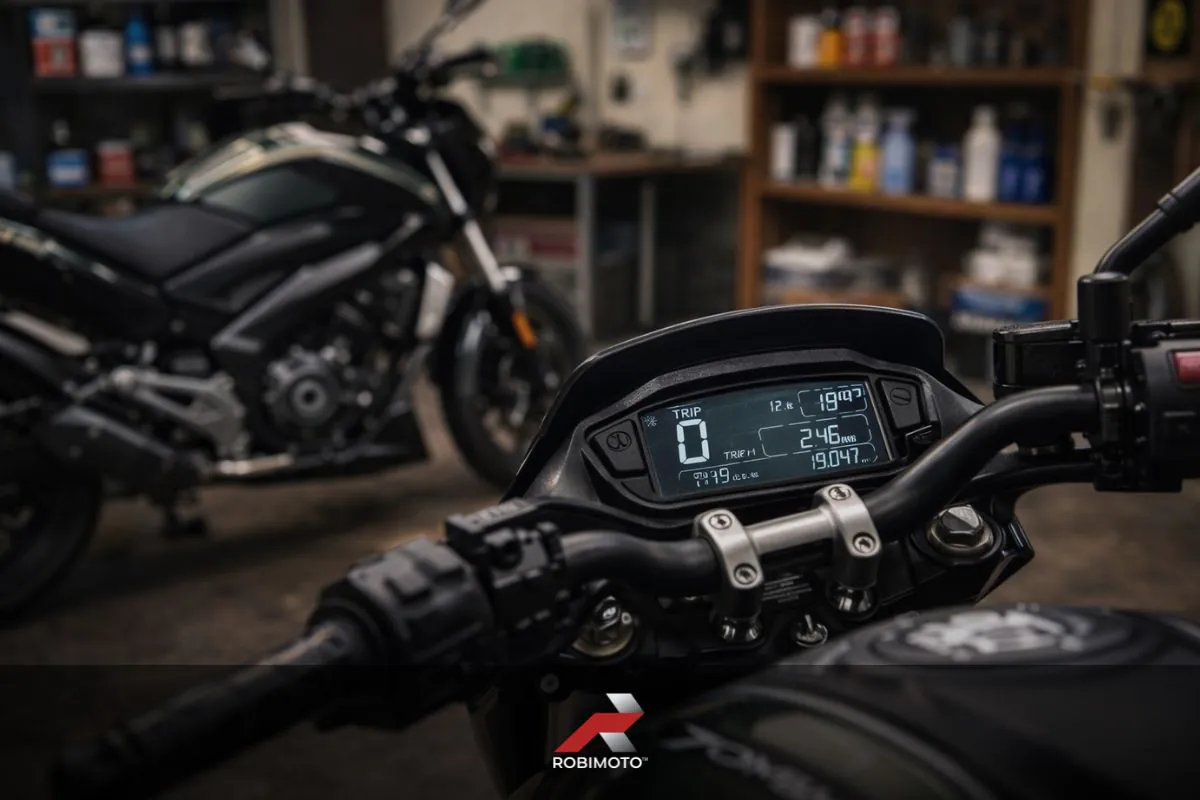
Rough idle problems in daily riding often appear when riders least expect them. At stoplights, during slow traffic, or right after a cold start. In city use, a motorcycle that idles unevenly may feel harmless at first, but it often points to deeper patterns. Many riders assume this behavior is normal, especially on older or heavily used bikes. In real daily riding, rough idle usually reflects how the motorcycle is being used rather than a single failed part. This article explains how rough idle problems show up, what causes them in everyday riding, and what practical fixes riders usually face over time.
Many riders believe that as long as the motorcycle does not stall, a rough idle is nothing to worry about. The engine still runs, the bike still moves, and the ride continues. This assumption is common among daily riders.
Rough idle problems in daily riding often develop quietly. City traffic, frequent stops, short trips, heat, and repeated cold starts all place stress on the engine in ways that weekend rides do not. These conditions reveal issues first when the bike is standing still.
Before diagnosing deeper airflow or sensor concerns, it helps to revisit foundational inspection habits. Our Motorcycle Maintenance Guide outlines routine checks for throttle cleanliness, battery health, spark condition, and cooling stability that directly influence idle smoothness.
This article is based on real rider usage, not theory. It explains how rough idle behavior develops, what usually causes it, and how riders approach fixes over time. The goal is clarity, not urgency.
Rough idle usually shows itself during moments riders tend to ignore. Sitting at a red light. Waiting in gridlock. Letting the engine warm up before moving. Instead of a smooth, steady idle, the engine vibrates unevenly or feels close to stalling.
In daily riding, this behavior often becomes noticeable after long exposure to traffic. Heat builds up under the tank. The cooling fan cycles more often. Electrical load increases. Throttle response feels delayed when pulling away from a stop.
What matters is repetition. A bike that idles rough once is different from a bike that does it every commute. When idle quality changes consistently from day to day, it usually points to wear patterns caused by daily use rather than a sudden failure.
Many riders look for a single cause. Dirty throttle body. Old spark plug. Poor fuel. While these can contribute, rough idle in daily riding usually comes from several small factors stacking up.
Fuel delivery can become uneven from deposits. Airflow can be affected by dust, humidity, or minor intake leaks. A restricted intake system is especially common when filter maintenance is delayed. For a deeper breakdown, read Delayed Air Filter Replacement and Fuel Economy Loss in Daily Motorcycle Use to understand how airflow restriction quietly affects combustion balance and idle smoothness.
Sensors may still function but respond more slowly than before. None of these issues trigger warning lights right away.
Short daily rides make this worse. The engine rarely reaches full operating temperature. Moisture does not fully evaporate. Carbon builds up gradually. Over time, idle stability suffers before performance drops. This is why rough idle often appears long before riders notice power loss on the road.
After any service related to idle or fueling, let the engine idle through two full cooling fan cycles in real traffic conditions before judging the result. Many rough idle complaints come from evaluating adjustments too early.
When rough idle appears, riders usually face two options. Immediate inspection or continued observation. Each has trade offs.
Early inspection can reveal simple issues like throttle body buildup or minor airflow imbalance. These are often resolved quickly but require time off the road and a shop visit.
Monitoring the issue may save effort in the short term but can allow uneven wear to continue. Rough idle places stress on engine mounts, charging systems, and clutch engagement. Riders often adapt unconsciously by revving at stops or slipping the clutch more than usual.
A local comparison shared through rider discussions on Motorcycle Philippines Forums shows that urban riding patterns tend to expose idle and heat related issues earlier than expected, especially on motorcycles used primarily for commuting.
| Idle behavior observed | Likely riding pattern | Typical rider response |
|---|---|---|
| Idle dips when fan turns on | High heat and electrical load | ECU relearn or airflow check |
| Rough idle on cold starts | Frequent short trips | Longer warm up habits |
| Idle fluctuates up and down | Throttle or air control buildup | Cleaning and recalibration |
| Idle worsens after refueling | Fuel inconsistency | Riding it out or switching stations |
These patterns come from rider reports over time. None guarantee failure. They simply show how daily riding conditions influence engine behavior gradually.
Riders who experience rough idle long term begin to notice clear patterns. The bike behaves worse in heavy traffic. It smooths out during highway runs. Humid mornings make the issue more noticeable.
A common mistake is treating symptoms in isolation. Replacing parts without observing when the issue occurs often leads to repeated visits. Another mistake is ignoring early signs because the motorcycle still feels rideable.
An international long term ownership reference from Cycle World points out that idle quality often reflects riding environment more than mileage alone, especially in hot or humid regions.
Rough idle rarely exists alone. It often overlaps with other daily use patterns discussed in a real world riding perspective found in Summer Heat Riding Preparation Checklist for Daily Motorcycle Use in the Philippines, where idle instability appears before more obvious heat related symptoms.
Idle quality often declines quietly when maintenance timing slips. Oil condition, airflow balance, and cooling efficiency influence combustion stability long before warning signs become dramatic. That is why rough idle tends to show up early in daily city riding.
When describing rough idle to a mechanic, focus on when it happens rather than how it feels. Traffic conditions, temperature, and ride duration lead to clearer diagnosis than vibration descriptions alone.
It usually feels like uneven engine vibration while stopped, slight RPM fluctuation, or inconsistent exhaust sound. The sensation may change with engine temperature, electrical load, or prolonged traffic exposure.
Rough idle is rarely dangerous at first, but it signals imbalance in airflow, fuel delivery, or ignition stability. Ignoring it long term can gradually affect performance, efficiency, and overall riding smoothness.
Poor fuel can contribute to rough idle, especially if contaminated or low grade. However, most daily riding cases involve combined factors such as airflow restriction, heat buildup, and maintenance timing.
If the motorcycle does not stall or lose power, riding is generally safe while monitoring patterns. However, persistent roughness should prompt inspection before symptoms develop into stalling or efficiency loss.
Total mileage matters, but daily riding conditions often influence idle stability more. Frequent short trips, heavy traffic, and heat cycles stress components faster than steady highway use.
Addressing rough idle early often prevents unnecessary part replacements caused by prolonged uneven engine stress.
RobiMotoPH
Rough idle problems in daily riding explained simply come down to patterns rather than panic. City use exposes engines to conditions that weekend rides rarely do. Idle behavior reflects that reality first.
By recognizing how rough idle appears, why it develops, and what fixes usually involve, riders gain confidence. Not urgency. Just clearer ownership decisions based on how the motorcycle is actually used.
Rough idle often overlaps with efficiency changes. When combustion becomes uneven or airflow restricted, fuel consumption can quietly worsen before riders notice obvious performance drops. For a deeper look, read Poor Fuel Consumption Causes in City Riding Every Daily Rider Should Understand to understand how idle instability and fuel economy are closely connected in daily traffic conditions.
Better idle quality usually means better efficiency, smoother response, and more predictable ownership.