Skip to content
Contact & Community
📍 Metro Manila, Philippines
🌐 robimotoph.com
✉️ hello@robimotoph.com
📱 +63 917 517 0594
📍 Metro Manila, Philippines
🌐 robimotoph.com
✉️ hello@robimotoph.com
📱 +63 917 517 0594


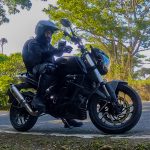
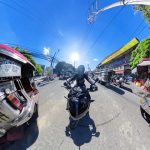
Riding solo vs group rides experience feels simple at first, until daily traffic, schedules, and real fatigue enter the picture. In city riding, long commutes, weekend escapes, and mixed skill groups, the difference becomes clearer. Some riders feel more relaxed alone. Others enjoy shared pace and safety in numbers. This is not about which is better. It is about how each setup plays out on real roads. From stop-and-go traffic to long provincial stretches, the experience changes your habits, costs, and riding rhythm. These insights come from actual rider use, not theory or online hype.

Many riders assume dealer servicing is always the safest option, especially for daily city use. In traffic-heavy Metro Manila rides, dealer stamps feel like peace of mind. But real ownership often tells a more layered story. Long queues, fixed packages, and limited flexibility sometimes clash with how motorcycles are actually used. This article looks at dealer servicing choice through daily riding reality, not theory. It reflects what riders notice after months of commuting, weekend runs, and routine maintenance. The goal is clarity, not persuasion, based on real ownership experience.

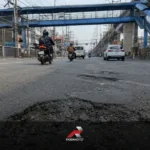
Rain changes how motorcycles behave in real traffic. In city streets, daily commutes, and long stop-and-go rides, small issues show up faster once roads stay wet. Many riders assume rain only affects tires and brakes, but regular wet riding touches wiring, lubrication, visibility, and even service intervals. This Rainy Season Motorcycle Maintenance Checklist looks at what actually happens during daily use. It sets clear expectations based on real riding conditions, not theory. The goal is simple clarity. Know what to check, what usually wears faster, and what choices riders quietly make once rain becomes part of every ride.

Rough idle problems in daily riding often appear when riders least expect them. At stoplights, during slow traffic, or right after a cold start. In city use, a motorcycle that idles unevenly may feel harmless at first, but it often points to deeper patterns. Many riders assume this behavior is normal, especially on older or heavily used bikes. In real daily riding, rough idle usually reflects how the motorcycle is being used rather than a single failed part. This article explains how rough idle problems show up, what causes them in everyday riding, and what practical fixes riders usually face over time.