Skip to content
Contact & Community
📍 Metro Manila, Philippines
🌐 robimotoph.com
✉️ hello@robimotoph.com
📱 +63 917 517 0594
📍 Metro Manila, Philippines
🌐 robimotoph.com
✉️ hello@robimotoph.com
📱 +63 917 517 0594

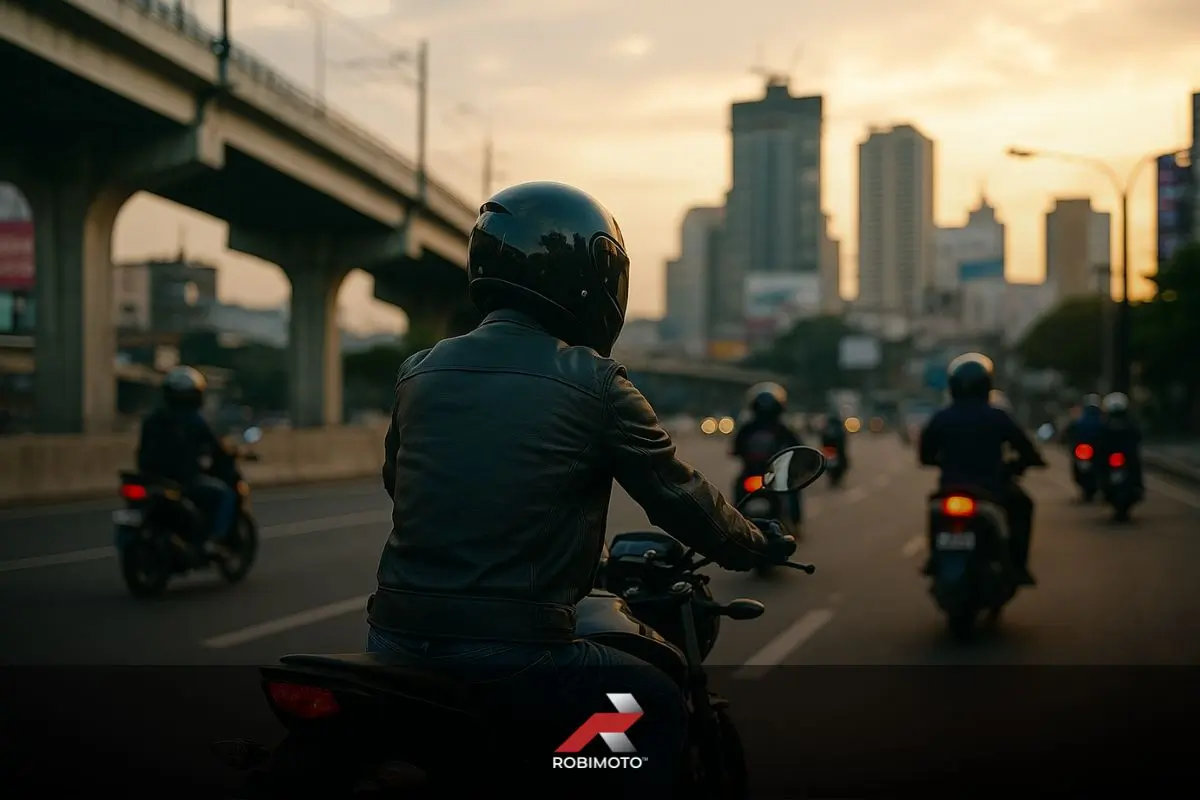
Motorcycle culture in the Philippines is evolving through technology, community, and sustainability. From advanced safety features to grassroots repair culture, riders are shaping a safer, more responsible future on two wheels. This in-depth guide explores how tradition, innovation, and transparency continue to drive motorcycle culture forward in 2025 and beyond.
Motorcycle Culture in the Philippines is not defined by engines, brand loyalty, displacement debates, or the loudest exhaust at midnight.
It is defined by identity—by how riders behave in traffic, how they represent the community in public, and the discipline they uphold even when no one is watching.
Metal does not create culture. Behavior does.
And right now, motorcycle culture in the Philippines has never been more influential. Two-wheelers now account for roughly half of all registered vehicles in the country. Annual sales hover around 2.3 million units, placing the Philippines among the largest motorcycle markets in the world.
This prevalence underscores their vital role in daily commutes and the broader economy. What was once simply a practical and affordable means of transportation has evolved into a defining lifestyle movement.
For many Filipinos, a motorcycle represents more than mobility; it embodies livelihood, independence, access, and a sense of community.
Riders across the archipelago now embrace motorcycling as part of their personal identity. From delivery riders navigating dense city streets to big bike enthusiasts touring expressways, the spectrum of participation continues to widen.
But growth brings responsibility.
As the numbers rise, so does public scrutiny. As influence grows, so does the expectation for discipline, safety, and accountability.
This page is not just a trend overview for 2025. It is the identity anchor of RobiMotoPH. Here, we examine the rise of motorcycle culture in the Philippines, the technological and lifestyle shifts shaping it, the discipline and infrastructure challenges it faces, and the future direction of Filipino riding.
If you are just starting your journey, understanding the culture you are entering matters just as much as choosing the right motorcycle. Before anything else, read the Beginner Motorcycle Buying Guide to build your foundation.
Because motorcycle ownership begins with a purchase decision.
But motorcycle culture begins with values.
Motorcycle culture in the Philippines is no longer a subculture. It is a national movement.
What used to be seen primarily as a budget-friendly transportation option has evolved into one of the most influential mobility forces in the country. Annual motorcycle sales now hover around 2.3 million units, placing the Philippines among the largest motorcycle markets in the world. That level of demand is not accidental. It reflects economic realities, urban congestion, and shifting lifestyle priorities.
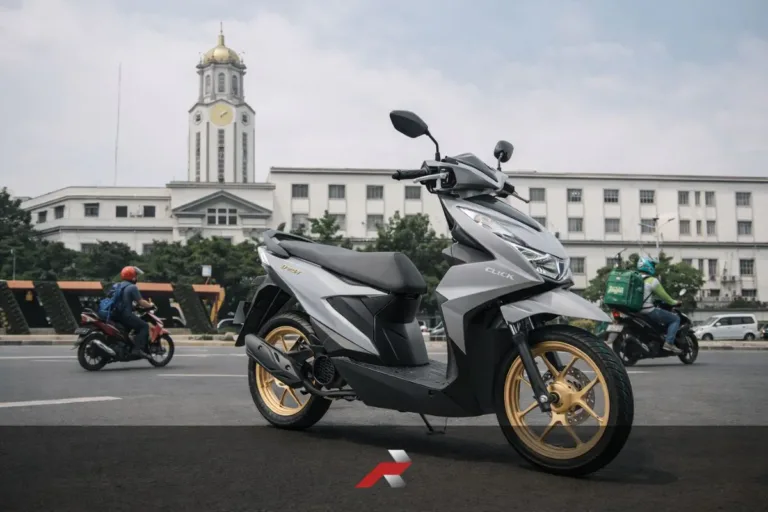
In Metro Manila alone, motorcycles now dominate major roads during rush hour. Scooters, underbones, and small-displacement bikes weave through traffic where cars struggle to move. Two-wheelers are no longer secondary to cars. In many urban corridors, they are the majority.
Several structural factors fuel this rise.
First, affordability. Motorcycles remain the most accessible form of private mobility for many Filipino households. Financing options and low monthly amortization plans have made ownership attainable even for first-time earners.
Second, efficiency. With rising fuel prices and unpredictable public transport reliability, motorcycles offer autonomy. Riders control their schedule. They avoid long queue lines. They bypass overcrowded trains.
Third, economic opportunity. The boom in delivery services and ride-hailing platforms has created a new class of professional riders. For many Filipinos, a motorcycle is not just transport. It is income-generating infrastructure.
This economic layer strengthens motorcycle culture in the Philippines in ways that go beyond hobby riding. It embeds motorcycles into daily survival, commerce, and productivity.
If you are analyzing ownership from a long-term sustainability standpoint, especially when considering displacement choices, this breakdown provides important perspective: Fuel Consumption Comparison: 400cc vs 900cc Big Bikes in the Philippines – Real World Costs, Data, and Ownership Reality
Because culture is not only emotional. It is financial.
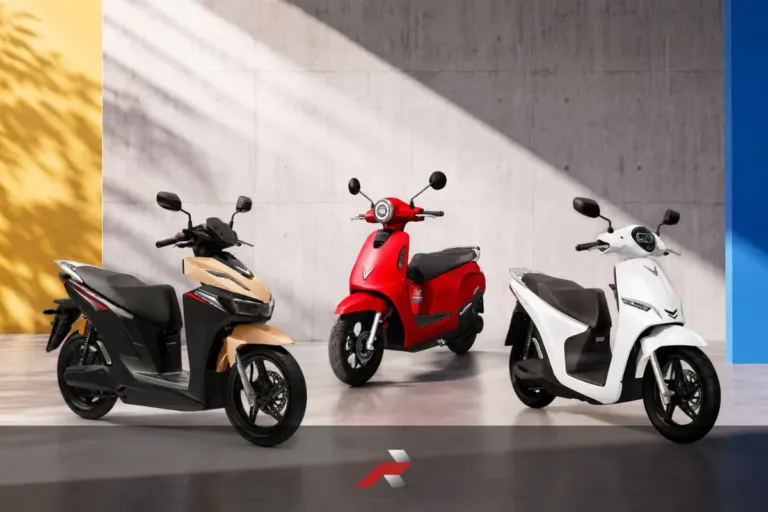
Automatic scooters now represent roughly 64 percent of new motorcycle sales. That statistic alone tells a story.
Convenience wins.
Scooters remove clutch fatigue in heavy traffic. They lower the learning curve for new riders. They simplify city commuting. For many households, one scooter serves as the family’s primary transport solution.
This dominance has shaped motorcycle culture in the Philippines into something uniquely urban. Unlike countries where leisure riding dominates, Filipino riding culture is deeply rooted in daily necessity.
That daily exposure creates familiarity. But it also creates friction.
When millions of riders share tight roads with buses, jeepneys, cars, trucks, cyclists, and pedestrians, discipline becomes non-negotiable.
If maintenance is neglected in this environment, safety risk multiplies. That is why responsible ownership matters: Motorcycle Maintenance in the Philippines
Because high-volume riding without mechanical discipline weakens the culture.
While scooters dominate volume, big bikes hold symbolic influence.
Motorcycles 400cc and above enjoy expressway access, which elevates their visibility and prestige. This regulation has shaped a unique dynamic within motorcycle culture in the Philippines.
The 400cc expressway rule creates aspiration. It also creates division.
Some riders see big bikes as status markers. Others view them as functional touring machines. Many aspire to upgrade eventually. But displacement alone does not define maturity.
Expressway riding demands discipline. It requires awareness of speed management, lane positioning, and mechanical readiness. Ownership must match responsibility.
For riders upgrading from smaller bikes, understanding first-step decisions is critical: Beginner Motorcycle Buying Guide.
Because the transition from commuter to expressway rider is not cosmetic. It is behavioral.
The pandemic briefly slowed the industry. Supply chains tightened. Movement restrictions reduced leisure riding. But recovery was fast.
By 2024, sales nearly matched pre-pandemic highs. The rebound proved that motorcycles were not luxury purchases. They were mobility essentials.
This resilience reinforced motorcycle culture in the Philippines as infrastructure, not trend.
At the same time, digital platforms amplified rider visibility. Social media groups, motovlogs, online marketplaces, and riding communities expanded rapidly. Riders no longer connect only in parking lots. They connect digitally.
This online amplification accelerated both positive and negative behavior patterns.
Community building improved.
But reckless content also spread faster.
Which brings us to the next layer of growth.
Motorcycle culture in the Philippines is not just rising in numbers. It is rising in complexity.
With more riders and expanding categories come higher expectations and increased scrutiny.
Growth demands structure.
And that is where community and brotherhood become the defining force.
Motorcycle culture in the Philippines is not sustained by machines. It is sustained by community.
Walk into any gas station on a Sunday morning and you will see it. Riders gathering before sunrise. Helmets lined up on tables. Coffee cups beside gloves. Conversations about routes, fuel range, and tire pressure. That is not random. That is ritual.
Tambay culture is deeply embedded in Filipino riding identity. From Shell C5 meetups to Caltex Mamplasan breakfast rides, these informal gatherings shape how riders connect. Unlike in some Western countries where riding is often solitary, motorcycle culture in the Philippines thrives on shared experience.
Community builds belonging.
Belonging builds loyalty.
Loyalty builds identity.
But identity must be guided.
Riding Clubs and Collective Reputation
Across the country, riding clubs continue to multiply. Some are displacement-based. Some are brand-based. Others are location-based. Big bike owners form tight-knit touring groups. Scooter riders create urban commuter communities. Adventure riders build off-road networks.
These groups provide structure. They provide mentorship. They provide shared standards.
Yet they also carry collective responsibility.
When one member rides recklessly during a group ride, the entire club image suffers. When a convoy blocks intersections illegally or revs loudly in residential areas, the public does not separate individuals. They see a group.
This is why discipline inside communities matters.
If your group promotes safe maintenance culture, everyone benefits. If it normalizes neglect, risk spreads.
Mechanical responsibility is not optional in group riding. Especially during long provincial rides where breakdowns can compromise safety. That is why chain condition, brake performance, and tire health should never be ignored: Best Brake Pads for Daily City Riding in the Philippines: A Complete Buyer’s Guide for Big Bike Owners.
One of the strongest markers of mature motorcycle culture is mentorship.
Experienced riders guiding beginners.
Senior members correcting unsafe habits.
Veterans teaching proper cornering and braking.
Without mentorship, ego fills the gap.
The Philippines sees many first-time motorcycle owners entering the space every year. Financing accessibility makes entry easy. But easy entry without education creates vulnerability.
If new riders are not guided properly, they learn from social media instead of seasoned riders. That is dangerous.
For new riders trying to understand displacement jumps and realistic ownership expectations, this guide sets the tone correctly: Beginner Motorcycle Buying Guide.
Mentorship means guiding riders not to rush upgrades, advising against unsafe modifications, correcting poor riding posture, and encouraging full-face helmet use even for short city trips.
This is how culture matures.
Digital platforms have transformed motorcycle culture in the Philippines.
Facebook groups.
Motovlogs.
Marketplace builds.
Rider reels.
Community threads.
These platforms amplify good behavior. They also amplify reckless behavior.
A safe group ride can inspire hundreds.
A dangerous stunt can influence thousands.
Online validation sometimes distorts priorities. Riders chase views instead of discipline. Loud exhaust clips get more engagement than maintenance discussions.
Yet social media can also educate.
Gear reviews help riders choose wisely: Riding Boots: Casual vs Touring vs Sport – Complete 2026 Guide for Big Bike Riders in the Philippines (Protection, Comfort, and Real-World Use Explained)
Safety-focused discussions reduce accident risk: Helmet Anti-Fog Solutions for Tropical Climate: What Filipino Riders Must Know for Safe Rainy Season Visibility.
Community threads encourage accountability.
The direction of motorcycle culture in the Philippines will depend on what kind of content we normalize.
If we reward recklessness, culture weakens.
If we reward discipline, culture strengthens.
Community extends beyond asphalt.
Charity rides.
Disaster relief support.
Blood donation drives.
Outreach programs in provincial towns.
Many riding clubs in the Philippines organize relief missions during typhoon season. Others raise funds for members facing medical emergencies. Some host safety seminars in barangays.
This dimension rarely gets headlines. But it defines character.
Motorcycle culture in the Philippines is at its strongest when riders support not only each other but also their communities.
Brotherhood must be more than matching jerseys and synchronized throttle pulls.
It must include:
• Accountability
• Responsibility
• Discipline
• Care for public safety
Because the strength of motorcycle culture is not measured by engine displacement.
It is measured by character.
Motorcycle culture in the Philippines is no longer mechanically basic. It is technologically evolving.
A decade ago, anti-lock braking systems were considered premium. Today, ABS is increasingly standard even on mid-range models. Traction control, ride-by-wire throttles, slipper clutches, smartphone connectivity, and TFT dashboards are no longer rare features reserved for flagship bikes.
Technology is reshaping expectations.
Riders now evaluate motorcycles not just by engine displacement, but by safety systems, rider aids, and digital integration.
That shift matters.
Because when safety technology becomes normalized, discipline becomes easier to practice.
ABS reduces wheel lock during emergency braking. Traction control helps manage throttle input on slippery surfaces. Slipper clutches stabilize aggressive downshifts.
These systems do not replace skill.
They support it.
In a country where sudden rain, oil spills, and unpredictable traffic behavior are common, these features reduce margin-of-error incidents.
However, technology does not eliminate maintenance responsibility.
Brake systems must still be inspected.
Tires must still be monitored.
Chains must still be tensioned properly.
If you are evaluating braking performance for daily Philippine traffic conditions, especially during wet season, study this carefully: Best Brake Pads for Daily City Riding in the Philippines: A Complete Buyer’s Guide for Big Bike Owners.
Because no electronic system compensates for worn-out components.
Modern motorcycles are safer. But only when owners respect mechanical fundamentals.
Many newer motorcycles now include smartphone pairing, GPS integration, and app-based diagnostics. Riders can monitor fuel efficiency, service intervals, and even riding behavior metrics.
This digital layer changes how riders interact with their machines.
It promotes:
• Preventive maintenance reminders
• Fuel tracking awareness
• Ride data analysis
• Service scheduling discipline
For riders conscious about fuel consumption and displacement realities, this analysis becomes important: Fuel Consumption Comparison: 400cc vs 900cc Big Bikes in the Philippines – Real World Costs, Data, and Ownership Reality.
Technology, when used correctly, strengthens ownership maturity.
But misuse exists too.
Digital dashboards do not justify reckless riding clips for social media.
Ride logs are for improvement, not ego comparison.
Motorcycle culture in the Philippines must use technology for refinement, not flex.
Electric motorcycles represent the next major transition.
Globally, electrification is accelerating. In the Philippines, adoption remains cautious.
Brands such as Gogoro and other manufacturers have introduced electric options locally. Government discussions about sustainable mobility continue. Fuel price volatility keeps interest alive.
Yet barriers remain.
Charging infrastructure is limited.
Initial costs are high.
Battery replacement concerns persist.
Resale value uncertainty affects buyer confidence.
Adoption dipped in 2024–2025, reflecting infrastructure and pricing challenges.
But long-term direction is clear.
Electric mobility aligns with urban congestion solutions and environmental pressure. Over time, battery technology will improve. Charging networks will expand. Maintenance costs may decrease.
Electric motorcycles also introduce a new maintenance culture. Instead of carburetor tuning or valve clearance adjustments, riders will monitor battery health and software updates.
That does not eliminate responsibility. It shifts it.
Preventive maintenance culture still applies: Preventing Rust on Big Bikes in Humid Climate Philippines: Complete Anti-Corrosion Strategy for Rainy Season Riders and Daily Commuters.
Humidity does not care whether your bike runs on fuel or electrons.
Premium motorcycles globally now feature:
• Adaptive cruise control
• Blind-spot detection
• Collision warning systems
• Semi-active suspension
While these features are still limited locally, they represent the direction of high-end riding standards.
As global models enter the Philippine market, expectations will rise.
But here is the critical point:
Technology does not create discipline.
It supports it.
Motorcycle culture in the Philippines cannot rely on electronics to compensate for behavioral gaps. No radar system can fix ego. No traction control can correct arrogance.
The evolution of riding technology must be matched by the evolution of riding character.
That is the balance.
Modification is part of motorcycle identity.
From the moment a rider installs a new exhaust, swaps handlebars, changes tires, or adds auxiliary lights, the motorcycle becomes personal. It becomes expressive. It becomes a statement.
In motorcycle culture in the Philippines, customization is everywhere.
Scooters lowered for stance aesthetics.
Adventure bikes fitted with crash bars and aluminum panniers.
Big bikes equipped with aftermarket exhaust systems.
Underbones painted in vibrant racing liveries.
Expression is not the problem.
Irresponsibility is.
Few topics divide riders more than exhaust modifications.
Some argue that louder pipes improve road presence and awareness. Others point out that excessive noise damages public perception and invites regulatory crackdowns.
Here is the uncomfortable truth:
If your exhaust disturbs entire neighborhoods at midnight, that is not culture. That is inconsideration.
Motorcycle culture in the Philippines cannot demand respect while ignoring public peace.
Several local governments have implemented ordinances against excessively loud exhaust systems. Enforcement varies, but scrutiny is increasing.
Riders must understand that freedom without boundaries invites restrictions.
Another recurring issue in modification culture is plate relocation.
Side-mounted plates.
Under-tail placements.
Obstructed visibility.
Folded brackets.
While these setups may look clean for aesthetic builds, they often violate regulations designed for identification and safety enforcement.
When riders complain about unfair profiling yet intentionally hide plate visibility, credibility collapses.
If motorcycle culture in the Philippines wants fair treatment under law, compliance must be visible.
Auxiliary lights improve night visibility when installed correctly.
But excessive LED installations create glare, blind oncoming drivers, and increase electrical strain on smaller bikes.
Electrical upgrades require proper load assessment and quality wiring. Poor installations increase fire risk and battery drain.
If you are evaluating battery reliability and electrical load management, this reference matters: Motorcycle Battery Brands Comparison PH: Best AGM and Lead Acid Options for Filipino Riders.
Because modifications should improve performance, not compromise system integrity.
Many riders believe wider tires automatically mean better grip.
That assumption is incomplete.
Oversizing tires without understanding rim compatibility, swingarm clearance, and geometry impact can alter handling negatively. It can reduce maneuverability in city traffic and compromise cornering stability.
Before changing tire dimensions, especially during rainy season riding, understand realistic performance expectations: Best Motorcycle Tires for Rainy Season Philippines.
Grip is not just width.
It is compound, pressure, and road condition.
Modification must be informed.
Online platforms have amplified build trends.
Lowered scooters.
Track-inspired big bikes.
Aggressive handlebar angles.
Minimalist tail deletes.
Some builds prioritize aesthetics over practicality.
That is fine for show bikes.
It becomes problematic for daily commuters.
Motorcycle culture in the Philippines must separate:
Confusing these categories creates unsafe expectations.
Customization becomes powerful when it aligns with:
Upgrading brake pads for better stopping distance is responsible.
Installing quality riding boots for protection is responsible.
Choosing proper mounting systems instead of unstable phone clamps is responsible.
Responsible modification elevates culture.
Irresponsible modification invites regulation.
Motorcycle culture in the Philippines stands at a point where public perception is fragile. Every reckless modification shared online shapes how society sees riders.
Expression is powerful.
But responsibility is stronger.
Motorcycle culture in the Philippines will not be judged by horsepower.
It will be judged by behavior.
For every safe and disciplined rider, there is another viral clip of reckless lane splitting, red light violations, counterflowing against traffic, or rev bombing in residential streets. These behaviors do more damage to the riding community than any regulation ever could.
Skill without discipline becomes arrogance.
Freedom without boundaries becomes chaos.
And chaos invites control.
The term “kamote rider” has become part of local vocabulary. It refers to reckless motorcyclists who ignore traffic laws and endanger others.
No serious rider wants to be associated with that label.
Yet the behavior persists.
Counterflowing in narrow roads.
Overtaking blindly on curves.
Ignoring pedestrian lanes.
Racing in public streets.
Filming dangerous stunts for engagement.
These actions do not represent motorcycle culture in the Philippines. But they influence public perception more than disciplined riding ever will.
Public opinion does not measure silent compliance.
It reacts to visible chaos.
That is why discipline is not optional. It is strategic.
In heavy traffic, motorcycles have a natural advantage in maneuverability. Lane filtering at slow speeds can reduce congestion and improve traffic flow.
But context matters.
Filtering cautiously in stopped traffic is different from weaving aggressively at high speed between moving vehicles.
Motorcycle culture in the Philippines must draw clear lines:
Riders must understand the difference.
If the community cannot regulate itself, authorities will do it instead.
One of the clearest indicators of riding maturity is how a rider treats pedestrians.
Do you stop at marked crosswalks, slow down for pedestrians who need additional space and time, and avoid revving while passing crowded sidewalks?
Small gestures build cultural legitimacy.
Motorcycle culture in the Philippines operates within dense urban environments. Riders share space with commuters, cyclists, street vendors, and families.
If riders demand road respect, they must demonstrate it first.
Expressways amplify visibility.
The 400cc minimum displacement rule has made big bike riders more noticeable on toll roads. With that visibility comes expectation.
Expressway riding demands restraint: avoid unnecessary racing, maintain proper following distance, and eliminate ego-driven acceleration bursts.
High-speed riding demands mechanical reliability and braking integrity. If your braking system is compromised, that risk multiplies at 100 km/h.
Brake system reliability matters more than appearance: Best Brake Pads for Daily City Riding in the Philippines: A Complete Buyer’s Guide for Big Bike Owners
xpressway access is a privilege tied to regulation. If misuse becomes widespread, regulatory tightening follows.
Motorcycle culture in the Philippines must understand that privilege and responsibility are linked.
Riding discipline is not limited to traffic behavior. It includes mechanical responsibility.
Worn-out tires in rainy season conditions are not just risky for the rider. They endanger others.
Under-inflated tires affect braking distance.
Loose chains affect power delivery.
Failing batteries affect lighting reliability at night.
Preventive care is ethical care.
Rainy season riding demands preparation: Best Motorcycle Tires for Rainy Season Philippines
Ignoring equipment condition while blaming road conditions is not accountability.
Motorcycle culture in the Philippines strengthens when riders accept ownership of their machines.
Discipline extends beyond asphalt.
Online group behavior shapes perception.
If riders normalize mocking accident victims or glorifying crashes, culture deteriorates. If groups correct misinformation and encourage safe practices, culture strengthens.
Digital conduct is part of riding ethics.
The next generation of riders will learn from what is shared.
Every post carries influence, each comment shapes perception, and every shared video reinforces the standards riders normalize.
Motorcycle culture in the Philippines is being shaped not just in traffic, but in timelines.
If Filipino riders want:
Then discipline must be visible at scale.
This is not about perfection.
It is about direction.
A culture that polices itself matures.
A culture that glorifies recklessness stagnates.
Motorcycle culture in the Philippines is large enough now to demand responsibility from its own members.
And responsibility begins with discipline.
Motorcycle culture in the Philippines does not operate in ideal conditions.
It operates in traffic choke points, flood-prone streets, uneven provincial highways, and rapidly urbanizing cities. Any serious discussion about riding culture must acknowledge this environment.
Discipline is harder in chaos.
Maintenance is harder in humidity.
Safety is harder in unpredictable road conditions.
That context matters.
The Philippines experiences heavy rainfall for several months each year. Flash floods in Metro Manila are common. Provincial roads often accumulate standing water and debris.
For motorcyclists, this is not inconvenience. It is risk.
Water reduces traction.
Hidden potholes damage rims.
Brake response weakens in prolonged rain.
Rain riding requires preparation, not optimism.
Proper tire compound selection matters more than appearance: Best Motorcycle Tires for Rainy Season Philippines.
Grip is not theoretical during monsoon season. It is survival.
Electrical systems must also be protected. Exposed wiring from poor modifications increases failure risk during heavy rain. Rust accelerates in humid environments, especially when bikes are parked outdoors without proper drying routines.
Preventive care in tropical climate is not optional: Preventing Rust on Big Bikes in Humid Climate Philippines: Complete Anti-Corrosion Strategy for Rainy Season Riders and Daily Commuters.
Motorcycle culture in the Philippines must normalize post-rain inspection routines. Chain cleaning. Brake inspection. Tire pressure checks.
Environmental stress is real.
Outside major business districts, road quality varies dramatically.
Provincial touring often means:
Uneven asphalt
Gravel transitions
Unexpected road construction
Steel plates on bridges
Loose sand on corners
Suspension components absorb this punishment daily. Wheel alignment shifts. Tire wear accelerates. Brake pad degradation increases.
Riders who ignore maintenance after long provincial rides are gambling with future stability.
Brake reliability must be monitored consistently: Best Brake Pads for Daily City Riding in the Philippines: A Complete Buyer’s Guide for Big Bike Owners
Infrastructure challenges do not excuse reckless riding. They demand defensive awareness.
Motorcycle culture in the Philippines must adapt to imperfect roads without becoming aggressive.
Metro Manila congestion is not just frustrating. It affects machines and riders.
Stop-and-go traffic increases engine temperature. Clutch fatigue increases in manual bikes. Cooling systems are tested during prolonged idle times.
Scooter dominance in urban centers reflects this reality. Automatic transmissions reduce fatigue in dense traffic conditions.
But congestion also increases close-quarter risk. Side mirrors nearly touching. Jeepneys swerving. Buses merging unpredictably.
Lane filtering must be calculated.
Throttle control must be smooth.
Braking must be progressive.
Mechanical readiness becomes more critical in urban heat.
Battery health matters in high electrical load scenarios: Motorcycle Battery Brands Comparison PH: Best AGM and Lead Acid Options for Filipino Riders.
When fans, lights, and digital systems run continuously in traffic, weak batteries fail faster.
Environment shapes maintenance culture.
The Philippines has extraordinary landscapes for riding.
Mountain passes.
Coastal highways.
Rice field routes.
Island loops.
Moto-tourism could become a major contributor to local economies. Yet infrastructure inconsistency limits this potential.
Inadequate signage.
Limited emergency response coverage in remote areas.
Poor road maintenance in rural corridors.
For motorcycle culture in the Philippines to mature fully, infrastructure must improve.
Data from the International Road Assessment Programme (iRAP) shows that only a small percentage of Philippine roads meet high safety ratings for vulnerable road users.
But riders also share responsibility.
Speeding through barangay roads during group rides damages community relationships. Revving loudly in quiet provinces weakens tourism acceptance.
If riders want local communities to welcome motorcycling, respect must be demonstrated consistently.
Environmental stress does not stop at road conditions.
Fuel consumption patterns matter.
Noise pollution matters.
Waste disposal from used oil and parts matters.
Motorcycle culture in the Philippines must evolve beyond performance obsession toward sustainability awareness.
Proper disposal of used oil and worn components should be standard practice. Repair-over-replace culture reduces waste and lowers ownership cost.
Smart ownership decisions include realistic displacement choices: Fuel Consumption Comparison: 400cc vs 900cc Big Bikes in the Philippines – Real World Costs, Data, and Ownership Reality.
Sustainability is not anti-performance. It is strategic longevity.
Motorcycle culture in the Philippines is built in imperfect conditions.
That reality creates resilience.
Riders develop balance amid traffic chaos, refine throttle control in narrow streets, practice clutch discipline in heavy congestion, and adapt daily to unpredictable road conditions.
This adaptability is strength.
But strength must not become normalization of dysfunction.
Riders can adapt while still demanding better infrastructure, transparent policy, and consistent enforcement.
Environment shapes culture.
But culture also influences environment.
The roads may be imperfect.
The response to them does not have to be.
Motorcycle culture in the Philippines has grown faster than regulation.
When an industry expands rapidly, policy often struggles to keep pace. The result is a mix of outdated rules, partial enforcement, and legal gray areas that affect millions of riders daily.
Growth without structure creates tension.
Structure without fairness creates resistance.
A mature motorcycle culture requires both.
One of the clearest examples of regulatory lag is the motorcycle taxi sector.
Ride-hailing services using motorcycles have operated for years under extended pilot programs. Thousands of riders depend on this sector for livelihood. Millions of commuters rely on it for mobility.
Yet full legislative clarity remains incomplete.
This legal uncertainty affects:
Motorcycle culture in the Philippines includes professional riders. That layer must be treated as formal transport infrastructure, not temporary exception.
Policy clarity benefits both safety and economic stability.
Another area under scrutiny is licensing.
Concerns often raised include:
If licensing standards are weak, road discipline weakens.
Stricter training requirements may initially frustrate new applicants. But long-term cultural improvement depends on skill verification and proper education.
Independent riding schools and manufacturer-led programs have stepped in to fill some gaps. Training culture is slowly strengthening.
But widespread standardization is still needed.
Riders who invest in skill development contribute to safer roads. Skill must be seen as pride, not inconvenience.
Helmet compliance laws exist. But enforcement consistency varies.
Some areas conduct regular helmet checks. Others apply sporadic enforcement. Inconsistent monitoring sends mixed signals.
Full-face helmets significantly reduce head injury severity. Yet many riders still use substandard protective gear for short urban trips.
Helmet fogging in humid weather is often used as justification for non-compliance. But solutions exist: Helmet Anti-Fog Solutions for Tropical Climate: What Filipino Riders Must Know for Safe Rainy Season Visibility.
Safety technology is available. Awareness must follow.
Motorcycle culture in the Philippines must normalize high safety standards even when enforcement is inconsistent.
True maturity means doing the right thing even when no checkpoint is present.
Several local governments have introduced ordinances targeting:
These ordinances often emerge in response to public complaints.
The lesson is simple.
When culture self-regulates poorly, external regulation increases.
Responsible customization practices reduce regulatory pressure: Best Brake Pads for Daily City Riding in the Philippines: A Complete Buyer’s Guide for Big Bike Owners.
Safe modifications rarely attract enforcement. Reckless ones do.
Motorcycle culture in the Philippines must anticipate regulation trends instead of reacting defensively.
Inconsistent enforcement undermines trust.
When violations are penalized selectively, frustration grows. When bribery allegations surface, credibility weakens.
Policy must be applied consistently to build legitimacy.
At the same time, riders must avoid using enforcement flaws as justification for non-compliance.
Transparency works both ways.
Riders demand fair treatment. Authorities demand compliance.
A stable relationship requires accountability on both sides.
The expressway displacement rule remains one of the most debated policies in Philippine motorcycle culture.
Supporters argue it promotes safety at high speeds. Critics argue it creates artificial division between riders.
Regardless of personal stance, the rule shapes cultural dynamics.
It shapes purchasing decisions, fuels aspiration, and influences club identity across the riding community.
Displacement decisions should consider realistic usage and cost, not ego: Fuel Consumption Comparison: 400cc vs 900cc Big Bikes in the Philippines – Real World Costs, Data, and Ownership Reality.
Policy shapes culture. Culture also shapes policy.
Constructive dialogue is healthier than emotional reaction.
Motorcycle culture in the Philippines is no longer marginal. It is massive.
With that scale comes responsibility to participate in policy discussions constructively.
Advocacy for:
must come from within the riding community as well.
Policy maturity and cultural maturity evolve together.
Neither can progress alone.
Motorcycle culture in the Philippines is not powered by passion alone. It is powered by economics.
For millions of Filipinos, a motorcycle is not a weekend toy. It is an income tool, a commuting solution, and a financial decision that affects household stability.
Understanding this economic layer is critical to understanding motorcycle culture itself.
Delivery riders, ride-hailing partners, small business owners, provincial traders, and freelancers rely on two wheels for daily income.
In the post-pandemic economy, motorcycle-based delivery and transport services expanded dramatically. Food delivery, parcel logistics, and ride-hailing platforms created thousands of rider jobs.
This changed perception.
Motorcycles became productivity assets.
Each breakdown means lost income. Delaying maintenance increases operational risk, and mechanical failure carries direct financial consequences.
Ownership discipline becomes economic discipline.
Preventive maintenance is not optional for livelihood riders: Motorcycle Maintenance in the Philippines.
Because downtime costs money.
Motorcycle culture in the Philippines includes this professional layer. Any serious cultural discussion must respect that reality.
Motorcycle financing has lowered entry barriers.
Low down payments.
Flexible installment terms.
Dealer-based in-house financing.
This accessibility expanded ownership dramatically. But it also introduced financial strain for some households.
A motorcycle may be affordable monthly. But long-term ownership includes:
New riders sometimes underestimate this full cost cycle.
Choosing displacement without financial alignment creates pressure. If your usage is mostly city commuting, displacement decisions must be realistic: Fuel Consumption Comparison: 400cc vs 900cc Big Bikes in the Philippines – Real World Costs, Data, and Ownership Reality.
Ego purchases weaken financial stability.
Sustainable ownership strengthens culture.
Many riders focus heavily on acquisition price but ignore operating cost.
Brake pads wear.
Tires degrade.
Chains stretch.
Batteries weaken.
Replacing quality components is cheaper than recovering from accidents caused by neglect.
Brake component decisions affect stopping reliability: Best Brake Pads for Daily City Riding in the Philippines: A Complete Buyer’s Guide for Big Bike Owners.
Battery reliability affects lighting and ignition stability: Motorcycle Battery Brands Comparison PH: Best AGM and Lead Acid Options for Filipino Riders.
Responsible riders calculate lifecycle cost, not just showroom price.
Motorcycle culture in the Philippines matures when ownership planning becomes normal.
Social media influences upgrade pressure.
New exhaust systems.
Larger displacement jumps.
Suspension swaps.
Cosmetic upgrades.
Not all upgrades are necessary.
Sometimes the best upgrade is skill development. Sometimes the best investment is safety gear.
Protective equipment is not glamorous. But it reduces long-term medical cost risk: Riding Boots: Casual vs Touring vs Sport – Complete 2026 Guide for Big Bike Riders in the Philippines (Protection, Comfort, and Real-World Use Explained).
Ownership culture must separate:
A disciplined rider understands timing.
In many Philippine communities, repair shops play a central role in motorcycle sustainability.
Local mechanics extend part lifespan through:
This repair culture reduces waste and lowers ownership cost.
In humid environments, preventive rust management extends structural integrity: Preventing Rust on Big Bikes in Humid Climate Philippines: Complete Anti-Corrosion Strategy for Rainy Season Riders and Daily Commuters.
Sustainability is not abstract environmentalism. It is practical cost control.
Motorcycle culture in the Philippines strengthens when riders value maintenance longevity over disposable habits.
A mature rider thinks beyond the first year of ownership.
Long-term riders evaluate ownership beyond the first year. They consider three-year operating costs, five-year resale value, parts availability, dealer network reliability, and service accessibility. Instead of stretching finances for status, they avoid overextension and build savings while continuing to ride responsibly.
Motorcycle culture in the Philippines will remain strong if ownership remains sustainable.
If riders become financially unstable because of ego purchases, backlash follows.
Economic maturity supports cultural stability.
Motorcycle culture in the Philippines no longer grows only on the road.
It grows on screens.
Facebook groups, YouTube motovlogs, TikTok reels, Instagram builds, and marketplace posts shape how new riders perceive motorcycling. Digital platforms now function as informal training grounds, opinion forums, and cultural amplifiers.
That power carries responsibility.
Visibility influences behavior.
Motovlogging has democratized storytelling.
Riders document:
This content builds community. It educates new riders. It humanizes the riding experience.
But it also shapes norms.
When safe riding is highlighted, viewers internalize discipline. When reckless riding is glorified for engagement, imitation follows.
Motorcycle culture in the Philippines is partly being trained by algorithms.
And algorithms reward spectacle.
Online platforms favor:
These generate clicks.
But what generates clicks does not always generate maturity.
A quiet clip about brake maintenance rarely goes viral. Yet it saves lives.
Brake reliability conversations matter more than throttle flex: Best Brake Pads for Daily City Riding in the Philippines: A Complete Buyer’s Guide for Big Bike Owners.
Helmet safety education rarely trends. Yet it prevents catastrophic injury: Helmet Anti-Fog Solutions for Tropical Climate: What Filipino Riders Must Know for Safe Rainy Season Visibility.
Motorcycle culture in the Philippines must resist allowing algorithm incentives to dictate behavioral standards.
Engagement metrics are not moral compasses.
With visibility comes influence.
Content creators with large followings shape expectations for:
When influencers normalize disciplined riding, culture stabilizes.
When influencers dismiss safety or encourage confrontation with traffic enforcers, cultural tension rises.
The goal is not censorship.
The goal is awareness.
A visible rider represents more than personal identity. They represent the riding community.
Digital riding groups can either strengthen or weaken standards.
Healthy communities:
Toxic communities:
Motorcycle culture in the Philippines now evolves in comment sections as much as in parking lots.
Moderation matters.
Tone matters.
What gets praised becomes repeated.
Social media accelerates comparison.
One rider posts a new big bike.
Another posts custom exhaust.
Another shares a long provincial ride.
Comparison is natural. But it can distort financial judgment.
Responsible ownership planning matters more than online validation: Fuel Consumption Comparison: 400cc vs 900cc Big Bikes in the Philippines – Real World Costs, Data, and Ownership Reality.
Upgrading without readiness creates financial pressure. Financial pressure creates stress. Stress weakens discipline.
Motorcycle culture must not become a competition platform.
It must remain a personal journey.
Everything posted online leaves a footprint.
Reckless riding clips remain searchable. Public confrontations remain archived. Statements about evading enforcement remain documented.
As motorcycle culture in the Philippines becomes more visible, scrutiny increases.
Transparency protects reputation.
The next generation of riders will learn from what they see today.
Content creators, group admins, and community leaders now shape long-term cultural identity.
The question is simple:
What version of motorcycle culture are we broadcasting?
Motorcycle culture in the Philippines is no longer emerging. It is established.
The question now is not whether it will grow. The question is how it will mature.
Growth without refinement creates friction. Growth with structure creates strength.
The next five to ten years will determine whether Filipino riding culture becomes globally respected or locally regulated into restriction.
Direction matters.
Industry projections continue to show steady expansion.
Motorcycles remain the most practical mobility solution for millions of Filipinos. Urban congestion is unlikely to disappear. Public transport improvements will take time. Economic pressure will continue to favor cost-efficient transportation.
Scooters will remain dominant in urban centers. Big bike ownership will continue to grow gradually as financing access expands.
But ownership volume alone does not define cultural strength.
Maturity does.
Sustainable displacement decisions will matter more than ego-driven upgrades: Fuel Consumption Comparison: 400cc vs 900cc Big Bikes in the Philippines – Real World Costs, Data, and Ownership Reality.
As economic awareness improves, ownership culture will stabilize.
Based on reports from the Motorcycle Development Program Participants Association (MDPPA), the Philippines consistently ranks among the largest motorcycle markets globally.
Electric motorcycles will expand, but not overnight.
Charging infrastructure remains uneven. Battery cost remains a barrier. Consumer hesitation persists.
However, rising fuel prices and environmental pressure will push gradual adoption.
According to the Department of Energy Philippines, infrastructure expansion remains critical to accelerating electric vehicle adoption nationwide.
When infrastructure improves and resale stability strengthens, electric motorcycles will gain stronger traction.
The transition will not erase mechanical responsibility. It will transform it.
Preventive care will shift toward battery health, software updates, and electrical management. Environmental durability will still matter in humid climate: Preventing Rust on Big Bikes in Humid Climate Philippines: Complete Anti-Corrosion Strategy for Rainy Season Riders and Daily Commuters.
The culture must evolve with the technology.
As accident data remains visible and social media amplifies reckless behavior, regulatory pressure will increase.
Expect:
Riders who already practice discipline will adapt easily.
Those who resist structure will face increasing friction.
Motorcycle culture in the Philippines can either anticipate these shifts or react defensively to them.
Prepared riders stay ahead.
As riding groups mature, structured advocacy will likely strengthen.
Expect more formalized clubs, expanded charity initiatives, structured training seminars, and deeper engagement with policymakers as the riding community becomes increasingly organized and influential.
Community influence grows when it is organized.
Motorcycle culture will gain respect when riders demonstrate civic contribution beyond leisure riding.
Charity rides, disaster response support, and skill training programs elevate reputation more than viral stunts ever will.
Cultural maturity requires alignment in five areas:
When these align, motorcycle culture in the Philippines stabilizes.
If they remain fragmented, tension continues.
This is not about eliminating fun.
It is about protecting longevity.
The goal is simple:
A riding community that is economically strong, mechanically responsible, socially respected, digitally mature, and policy-aware.
That version of motorcycle culture is not hypothetical.
It is possible.
But it requires intention.
Motorcycle culture in the Philippines is defined by rider behavior, community values, safety discipline, modification trends, and how riders interact with traffic, policy, and public perception daily.
Motorcycles are affordable, fuel-efficient, and practical in heavy traffic. They provide livelihood opportunities and reliable mobility where public transportation systems remain limited or overcrowded.
The 400cc rule shapes buying decisions and aspiration levels among riders. It influences club identity and expressway behavior but does not automatically define riding maturity.
Key risks include road congestion, inconsistent enforcement, poor infrastructure, unsafe modifications, and maintenance neglect. Discipline and preventive care significantly reduce accident and financial risks.
Riders can strengthen culture by practicing discipline, wearing proper safety gear, maintaining their motorcycles responsibly, respecting pedestrians, and promoting mature behavior both online and offline.
Motorcycle culture in the Philippines is no longer emerging. It is firmly established, highly visible, and increasingly influential across the country.
The real question is no longer about growth.
It is about direction.
Motorcycles will continue to fill our streets. Sales will continue to rise. Technology will continue to evolve. Electric options will gradually enter the mainstream. New riders will keep joining the community.
But numbers alone do not define strength.
Character does.
A strong motorcycle culture is built on discipline in traffic, respect for pedestrians, responsible modification, mechanical awareness, economic sustainability, and digital maturity. It takes shape when riders slow down for pedestrians who need additional space and time, when maintenance is prioritized over aesthetics, and when social media visibility is handled with responsibility rather than ego.
Culture is not shaped during festivals or viral moments.
It is shaped at stoplights.
In narrow barangay roads.
On flooded streets during monsoon season.
In comment sections.
In how riders treat one another.
Motorcycle culture in the Philippines has the potential to become one of the most respected riding communities in Asia. With its scale, passion, adaptability, and resilience, the country already possesses the foundations needed for long-term cultural maturity.
What it needs is alignment.
Alignment between freedom and responsibility.
Between expression and legality.
Between aspiration and sustainability.
If riders choose discipline over ego, maintenance over neglect, respect over reaction, and maturity over virality, the future of motorcycle culture will not require defensive justification.
It will earn respect naturally.
The machines will keep evolving.
The roads will keep challenging us.
The environment will remain imperfect.
But the identity of Filipino riders is still being written.
And culture is written daily, one ride at a time.