Skip to content
Contact & Community
📍 Metro Manila, Philippines
🌐 robimotoph.com
✉️ hello@robimotoph.com
📱 +63 917 517 0594
📍 Metro Manila, Philippines
🌐 robimotoph.com
✉️ hello@robimotoph.com
📱 +63 917 517 0594

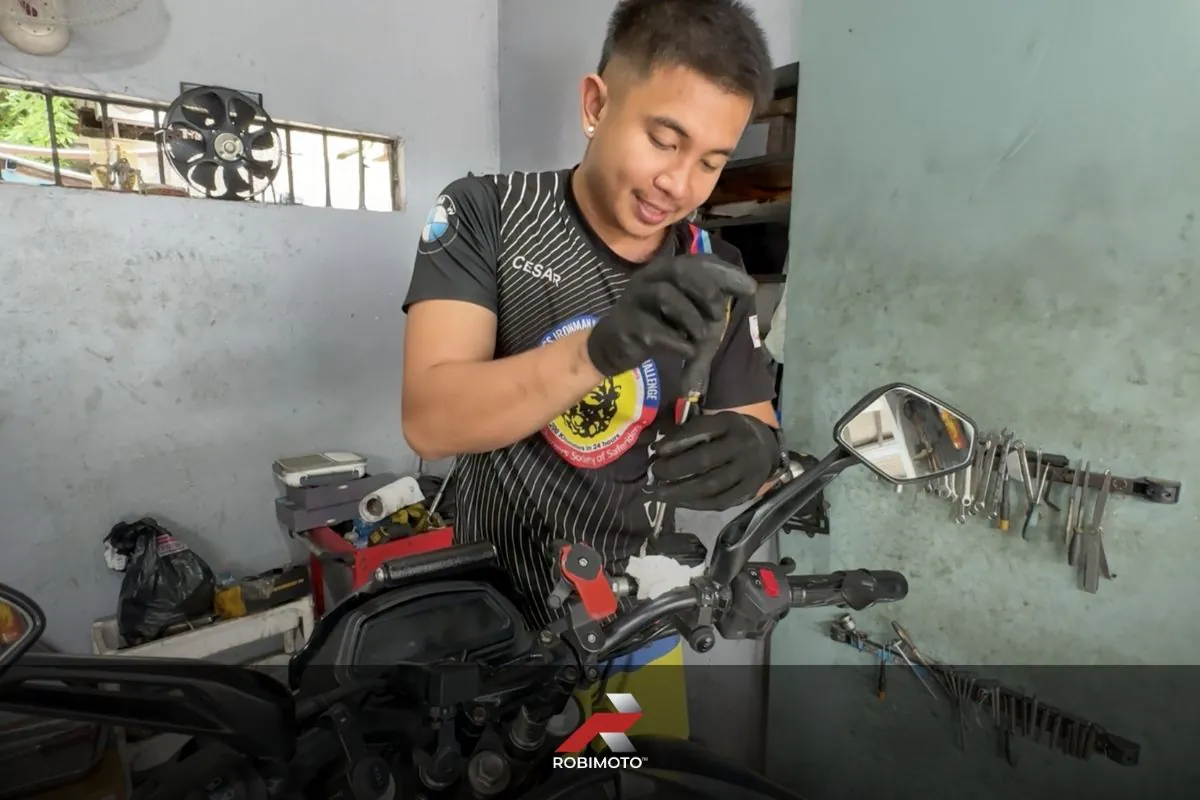
In daily city riding, many riders assume their brakes are fine as long as the bike still stops. The lever still pulls. The pedal still works. Over time, however, braking feel slowly changes. The lever travels deeper. The bite point moves. The brake feels soft when traffic gets heavy or the road gets hot. This is where ignored brake fluid replacement starts to show. This guide explains how delayed brake fluid maintenance affects real-world braking feel, what riders actually notice first, and how to think through flush, bleed, or inspection decisions without guesswork.
A common assumption among riders is simple. If the brake fluid level is still visible in the reservoir, the brakes should be fine, even if ignored brake fluid replacement has been pushed aside for years.
In real daily use, that assumption slowly breaks down. City traffic, heat cycles, humidity, and repeated braking expose hydraulic weaknesses that short test rides rarely reveal. As explained in Brake Performance in Wet Roads Philippines: What Riders Must Understand During Rainy Season, braking performance is defined not just by pad strength or rotor size, but by traction limits, rider input, and consistent system maintenance. Fluid condition plays a critical role inside that system.
This article is based on real rider experience. It focuses on how ignored brake fluid replacement affects braking feel over time and how riders can recognize patterns early. The goal is clarity. Not sales. Not theory. Just practical understanding.
Brake fluid issues rarely announce themselves loudly. They show up quietly through feel.
Most riders first notice something small.
The brake lever feels slightly softer than before. The pedal needs a bit more travel. The bite point moves depending on traffic conditions.
During light riding, everything feels acceptable. During heavy traffic or long downhill sections, braking feel becomes inconsistent. The lever feels firm one moment and spongy the next.
This pattern is common in daily riding. Brake fluid absorbs moisture over time. As moisture increases, heat resistance drops. When brakes heat up, pressure transfer becomes less consistent.
City riding creates repeated heat cycles. Stop-and-go traffic raises brake temperatures without long cooling periods. Rain and humidity accelerate fluid degradation even on low-mileage motorcycles.
Because this change happens gradually, many riders adapt without realizing it. They pull harder, brake earlier and they assume it is normal.
Over time, braking feel becomes unpredictable. That unpredictability is the real issue.
When braking feel changes, rider confidence changes with it. Emergency stops feel uncertain. Slow-speed control becomes harder. Wet-road braking feels less predictable.
None of this feels dramatic. That is why it gets ignored.
From an ownership perspective, addressing brake fluid on time helps extend the life of seals, hoses, and caliper components. It also reduces unnecessary part replacements later and supports clean, honest work from local service shops.
These checks are not a replacement for professional service. They help clarify whether brake fluid is part of the problem. Technical guidance on motorcycle braking systems and hydraulic performance explains how moisture absorption can lower boiling point and reduce braking efficiency under repeated heat cycles.
Squeeze the brake lever slowly and hold it for 20 seconds. If it slowly sinks toward the bar, there may be air, moisture, or seal wear.
Compare braking feel when cold versus after riding in traffic. If brakes feel firm in the morning but soft later in the day, heat and fluid condition are likely factors.
Check the reservoir window. Low fluid level should raise questions, not just trigger a top-up.
Worn brake pads usually create consistent changes. Lever travel increases steadily and braking remains predictable.
Old brake fluid creates inconsistency. Some stops feel fine. Others feel vague. Heat makes it worse.
Understanding this difference helps avoid replacing the wrong parts.
Set a braking feel baseline.
Once a week, squeeze the brake lever slowly in a safe area. Pay attention to where it firms up. If that point moves over several weeks, brake fluid condition deserves attention.
Riders usually face three realistic options.
Pros include speed and low cost. Braking feel may improve temporarily.
Cons include incomplete results. Old fluid quality remains unchanged. Moisture and heat issues stay present.
Pros include restored braking consistency and improved heat resistance.
Cons include the need for proper bleeding technique. Poor work can introduce air and make feel worse.
Pros include identifying sticky calipers, worn hoses, or seal issues.
Cons include more time and labor.
Understanding these trade-offs helps riders communicate clearly with their chosen shop. Clear descriptions of braking feel matter more than technical terms.
This table reflects common ownership patterns in Philippine riding conditions. Always confirm with the motorcycle manual and a trusted mechanic.
| Riding Pattern | Basic Check Frequency | Fluid Replacement Interval | Typical Cost Range (PHP) | Notes |
|---|---|---|---|---|
| Daily city commuting | Weekly | 12 to 24 months | 400 to 1,200 | Frequent heat cycles |
| Weekend riding | Every two months | 18 to 24 months | 400 to 1,200 | Time still matters |
| Heavy rainy season use | Bi-weekly | 12 to 18 months | 500 to 1,300 | Humidity impact |
| Long downhill rides | Before trips | 12 to 18 months | 500 to 1,500 | Increased heat |
| Used bike, unknown history | Immediate | Immediate | 500 to 1,500 | Establish baseline |
For broader budgeting context, riders often reference the Motorcycle Maintenance in the Philippines: A Real-World Guide for Riders when planning service downtime, inspection intervals, and long-term ownership costs.
Fluid replacement is not just a line item expense. It fits into a larger maintenance rhythm that directly affects braking feel, safety margins, and component lifespan. Viewing brake fluid intervals within a complete maintenance system helps riders avoid reactive repairs and unexpected costs.
Patterns appear when riders reflect on long-term ownership.
Brakes often feel acceptable until they suddenly do not. The change is slow, not sudden.
Fluid color alone does not tell the whole story. Clear fluid can still contain moisture.
Brake hoses age. Even with fresh fluid, old rubber lines can expand and soften feel.
One fix rarely solves everything. Fluid replacement improves feel, but underlying hardware issues can remain.
Rushed bleeding, incorrect DOT fluid, and over-tightened bleeder valves cause repeat visits. Asking the shop to explain what was done builds understanding and trust.
Riders who document service dates and fluid types avoid confusion later.
For riders dealing with unclear brake response, this related maintenance breakdown helps connect symptoms with practical checks.
Brake fluid service usually takes under an hour. Even so, it can affect a workday if unplanned.
From a cost perspective, fluid service is far cheaper than replacing corroded master cylinders or calipers caused by neglected moisture.
Most importantly, consistent braking feel reduces mental load while riding. Predictability matters more than raw stopping power.
Brake lever approaching the handlebar
Need to pump brakes for pressure
Visible leaks near calipers or hoses
Rapid fade after repeated braking
Ignoring these signs increases downtime and cost later.
Keep a simple maintenance record.
Store service dates, mileage, and fluid type in your phone. This helps future servicing and adds clarity during resale discussions.
Topping up restores level, not quality. It does not remove moisture or air.
Air may remain. Hoses may be expanding. Calipers may be sticking.
Inconsistent braking feel, especially when hot.
Many riders follow a 12 to 24 month interval depending on usage and conditions.
Humidity contributes to moisture absorption over time.
Timely brake fluid maintenance extends component life and supports transparent, responsible service practices in local workshops.
Ignored brake fluid replacement often hides behind “still works” feelings. The bike still stops. Riders adapt without noticing the slow change. Over time, braking feel becomes unpredictable in traffic, hot afternoons, and rainy stops.
Many Filipino riders experience this gradual shift during daily commuting and mixed weather riding. The change rarely feels dramatic at first. Instead, it shows up as subtle softness, longer lever travel, or inconsistent response after repeated braking.
Understanding ignored brake fluid replacement and braking feel issues helps riders decide when a simple flush is enough and when deeper inspection is needed. With clear signs and realistic options, riders regain confidence without guesswork.
For riders planning maintenance proactively, cost awareness also matters. A full-year perspective is outlined in Annual Maintenance Budget Breakdown for Big Bikes in the Philippines: A Realistic 12-Month Cost Guide for Responsible Riders, where fluid intervals, inspection frequency, and budgeting discipline are framed as part of responsible ownership.
Consistent braking feel matters every day, not just during emergencies.
DISCLAIMER: RobiMotoPH is a Shopee Affiliate. Some of the links in this article are affiliate links, which means we may earn a small commission if you purchase through them; at no extra cost to you. This helps us keep creating helpful motorcycle content for the community. Ride safe, mga Ka-Robi!