Skip to content
Contact & Community
📍 Metro Manila, Philippines
🌐 robimotoph.com
✉️ hello@robimotoph.com
📱 +63 917 517 0594
📍 Metro Manila, Philippines
🌐 robimotoph.com
✉️ hello@robimotoph.com
📱 +63 917 517 0594


In Philippine traffic, many riders believe that bigger motorcycles are always better. More power, more safety, more value. But daily riding tells a different story. Heavy bikes struggle in stop and go traffic. Maintenance costs add up quietly. Heat, weight, and parking become daily concerns. Expressway rules also push riders to upgrade faster than needed. This article looks at the question Are Bigger Bikes Always Better through real riding situations like city commutes, weekend rides, and ownership realities. No hype. No selling. Just practical observations to help riders make clearer decisions and avoid costly regrets.
Many riders assume that Are Bigger Bikes Always Better is an obvious yes. Upgrading to a bigger bike feels like progress. Higher displacement feels reassuring. More power seems like an instant improvement.
But daily riding exposes a different side. Traffic, road conditions, weather, and fatigue shape ownership more than engine size.
The insights here come from real rider use and long term observation. The goal is simple. Help riders understand when a bigger bike makes sense, and when it does not.
When riders talk about bigger bikes, they usually mean higher displacement, heavier frames, wider tires, and stronger engines. In the Philippines, expressway access adds another layer of pressure to upgrade quickly.
In real riding, the question Are Bigger Bikes Always Better shows up in simple situations. Daily traffic on EDSA or C5. Tight barangay roads and narrow U turns. Office and mall parking. Weekend rides with uneven roads and sudden rain.
In stop and go traffic, heat management matters. Liquid cooling helps, but it does not remove discomfort. Heavier bikes demand more clutch work and physical effort. Fatigue builds faster than most riders expect.
In tight spaces, power matters less than balance. Low speed control decides comfort and confidence. Riders who are not yet comfortable with weight often feel stressed. Stress leads to mistakes.
There is also a quiet sustainability angle. When a motorcycle matches its real use, parts last longer. Tires wear evenly. Maintenance becomes predictable. Riders support local shops through regular service instead of rushed repairs.
Test ride using your actual route.
Ride at the same time of day. Same traffic. Same conditions. That is where weight, heat, and comfort reveal themselves.
Most riders face three real choices.
Stay with a smaller displacement and improve setup.
Move to a mid size motorcycle.
Jump to a larger bike for power and highway comfort.
Smaller bikes are lighter, easier to park, and cheaper to maintain. Their limits appear during overtakes or uphill loads.
Mid size bikes often feel balanced. Enough power without extreme weight.
Larger bikes deliver stability and relaxed cruising, but demand skill, space, and budget.
Many riders upgrade mainly for expressway access. That pressure shapes buying decisions. But if most rides happen in the city, riders may pay for capability they rarely use.
Safety also depends on habits. Larger bikes forgive lazy overtakes with torque, but punish sloppy throttle control on wet roads. Smaller bikes reward smooth inputs but require better timing. The bike itself is not safer. Fit matters more.
| Situation | Smaller Bike | Mid Size Bike | Bigger Bike |
|---|---|---|---|
| City traffic | Easy, cooler | Manageable | Heavy, hotter |
| Parking and U turns | Low effort | Moderate | High effort |
| Long ride comfort | Limited | Balanced | Strong |
| Consumable costs | Lower | Medium | Higher |
| Learning curve | Friendly | Moderate | Steeper |
After months of ownership, patterns appear. Power feels exciting, but daily use rarely reaches its limits. Weight becomes the real issue. If riders are comfortable, the bike feels stable. If not, tension follows every ride.
Costs also stack quietly. Tires, chains, brake pads, and batteries scale with size. Time becomes a factor too. Larger bikes require more careful parking and route planning.
International riders observe the same pattern. Smaller bikes shine in handling and accessibility. Larger bikes excel when used as intended. A global riding skills discussion explains this balance clearly.
This part often gets ignored. In the first week, big bikes feel exciting. In the second week, fatigue appears. Wrist pressure, shoulder tension, and low speed balance work increase.
Confidence comes from repeatable control. If low speed riding feels tense, daily use becomes tiring fast.
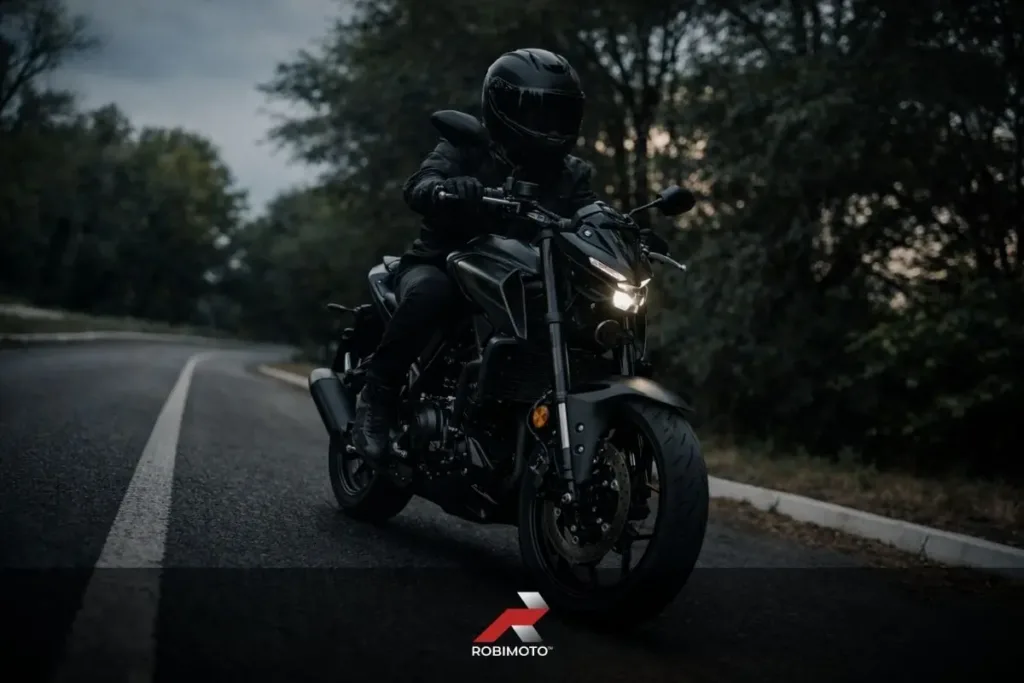
Over time, small ownership details start to matter more than engine size, something also reflected in this ownership reality discussion based on long-term use.
Ownership cost goes beyond monthly payments. Fuel, parking, maintenance intervals, and consumables matter daily. Larger bikes use wider tires that cost more. Aggressive riding wears parts faster.
Time is another hidden cost. Bigger bikes demand more care in parking, washing, and planning routes. Condo and office restrictions also affect daily convenience.
Downtime hurts more when the motorcycle is a daily commuter. Delayed parts mean alternative transport or rushed spending. Riders should consider whether their schedule supports this reality.
There are situations where larger bikes are clearly practical. Frequent long rides. Two up touring. Regular highway travel. Heavy loads.
The keyword is frequency. If these situations happen often, the trade offs make sense. If they happen rarely, daily compromises become noticeable.
Build a real use budget before upgrading.
List tires, chain, brake pads, and oil for the target bike. Compare it with your current motorcycle. Clarity prevents regret.
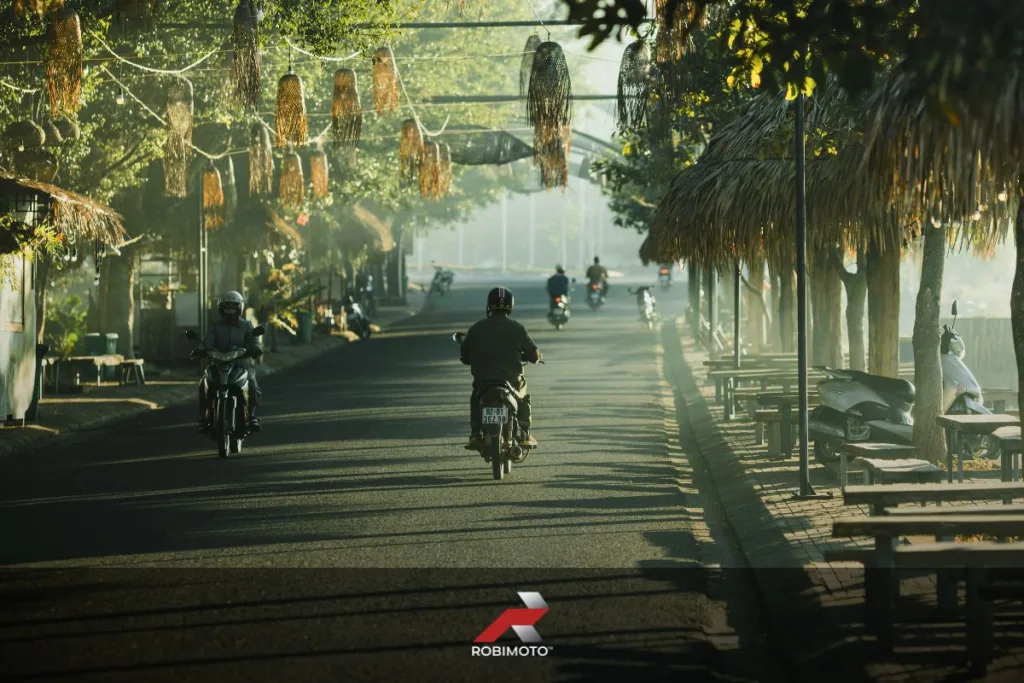
Bigger bike decisions also connect to daily commuting costs. This real world cost check helps frame the trade offs realistically.
No. Serious riding comes from habits, discipline, and consistency.
They can feel stable at speed, but safety still depends on skill and awareness.
Mid size options or accepting limited use often make more sense.
Underestimating weight and maintenance costs.
When long rides, touring, or highway travel happen regularly.
Choosing the right motorcycle size supports longer vehicle life and builds trust with local service communities.
-RobiMotoPH
So, Are Bigger Bikes Always Better? It depends on routes, body comfort, and daily use. Larger motorcycles offer real strengths, especially for long distance riding. But in daily city traffic, simplicity and balance often win.
Clear use cases lead to confident decisions. Not noise. Not pressure. Just riding that fits real life.