Skip to content
Contact & Community
📍 Metro Manila, Philippines
🌐 robimotoph.com
✉️ hello@robimotoph.com
📱 +63 917 517 0594
📍 Metro Manila, Philippines
🌐 robimotoph.com
✉️ hello@robimotoph.com
📱 +63 917 517 0594

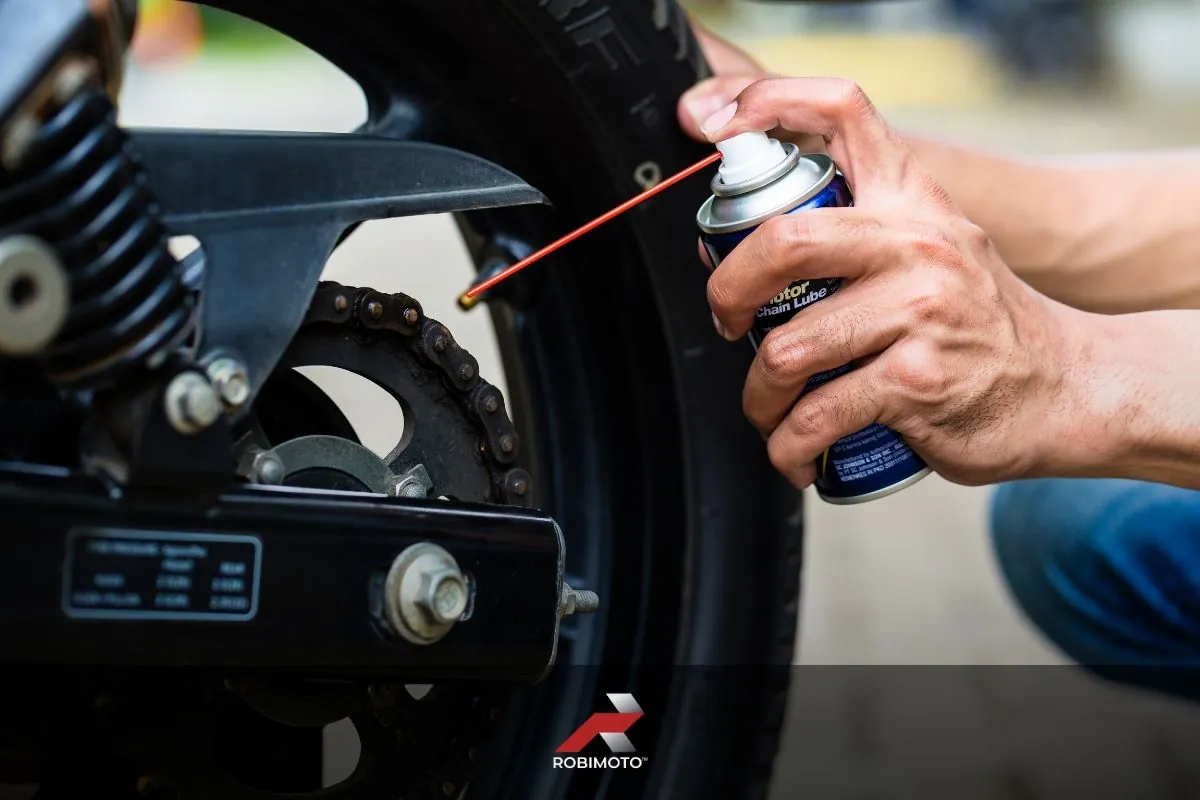
Many riders assume chain cleaning can wait. As long as the motorcycle still moves and the chain looks intact, it feels safe to delay. In daily city riding, that belief slowly breaks down. Heat, dust, rain, and stop-and-go traffic quietly wear the chain long before obvious signs appear. This article looks at delayed chain cleaning through real riding conditions, not theory. It explains how neglect shows up over time, what riders usually notice too late, and how small delays affect reliability, cost, and riding feel. The goal is simple clarity, based on everyday use.
A common belief among riders is simple. If the chain still spins and the bike still pulls, delayed chain cleaning feels like something that can wait.
In real city riding, that assumption fades. Daily traffic, rain splatter, road dust, and short rides all stack up faster than expected. The motorcycle keeps moving, but wear starts quietly.
This article draws from observed rider experience. It focuses on delayed chain cleaning and what happens over months of use. The value is understanding how small delays change long-term ownership.
Delayed chain cleaning rarely causes sudden failure. Instead, it shows up slowly during normal rides. Riders feel it before they clearly see it.
In traffic, a dirty chain traps grit. That grit mixes with old lubricant and becomes abrasive. Each throttle input grinds metal surfaces together. The bike still runs, but friction increases with every ride.
Short daily trips make it worse. The chain never warms evenly, moisture stays trapped, and surface rust starts forming. Many riders only notice noise at first. A faint whirring becomes a rough mechanical sound.
Rain accelerates the process. Water washes lubricant away, then dust sticks to the wet chain. After that, dry friction takes over. Cleaning later removes surface dirt, but internal wear has already started.
Extending chain life reduces unnecessary replacements. It also keeps riders from chasing problems that start at the drivetrain and spread elsewhere. Local shops see this pattern often, especially on daily commuter bikes.
Clean based on riding conditions, not distance alone.
If you ride in rain or dust, shorten your cleaning interval. Waiting for mileage alone often misses real wear patterns.
Riders usually face three choices when chain cleaning gets delayed.
The first is to clean only when noise appears. This saves time short term, but damage has already started. The chain may quiet down, yet wear remains.
The second option is occasional wiping and relubing. This feels productive, but it often seals dirt inside. It improves feel briefly, then worsens grinding later.
The third choice is regular deep cleaning. It takes more effort but resets friction before wear compounds. Many riders who switch notice smoother throttle response.
Local mechanics often explain this trade-off during service. According to Top Gear Philippines in a local maintenance guide, neglected chains shorten sprocket life even when engines remain healthy. That insight aligns with what daily riders report after long ownership.
None of these choices are perfect. Each reflects how riders balance time, cost, and effort.
| Riding Pattern | Cleaning Delay | Common Result | Long-Term Effect |
|---|---|---|---|
| Daily city commute | 4–6 weeks | Noise, vibration | Faster chain stretch |
| Rainy season riding | 2–3 weeks | Rust spots | Sprocket wear |
| Weekend use only | 6–8 weeks | Dry feel | Uneven power delivery |
| Dusty routes | 2 weeks | Grinding sound | Premature replacement |
Numbers vary by bike and use. Patterns remain consistent across rider reports.
Most riders realize the issue late. The bike feels heavier during acceleration. Gear changes feel rough. Fuel consumption sometimes rises slightly.
Many assume the problem is engine related. Only later do they trace it back to the chain and sprockets. By then, cleaning helps less than expected.
Another lesson is false confidence. A visually clean chain can still be worn internally. Rollers and pins degrade out of sight.
According to this publication from Visordown, drivetrain wear often starts before visible rust appears. That mirrors what riders notice after long neglect.
Experience teaches that chain care is about timing, not appearance.
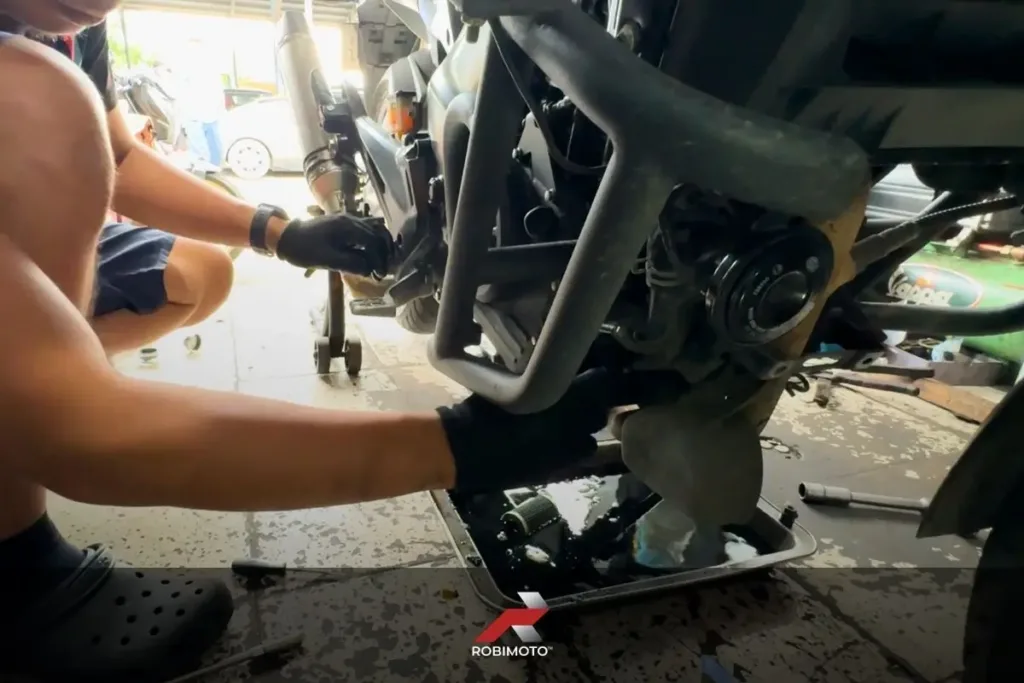
Some riders notice the same delay pattern in a related maintenance discussion about skipped oil changes, where wear builds quietly long before failure.
Delayed cleaning shifts costs forward. Chains and sprockets wear together. Replacing one usually means replacing both.
Time impact matters too. Unexpected replacements disrupt daily routines. Bikes stay in shops longer than planned.
Reliability drops gradually. Throttle response becomes inconsistent. Confidence during overtakes fades slightly.
Riders who maintain chains earlier report fewer drivetrain surprises. They spend less time diagnosing noises and more time riding.
Track maintenance by conditions, not reminders.
Weather exposure and traffic matter more than calendar dates. Adjust habits as riding patterns change.
Not directly. However, drivetrain drag affects overall efficiency and riding feel.
No. Lubrication without cleaning traps grit and accelerates wear.
It depends on conditions. Daily rain or dust shortens safe intervals significantly.
Usually, yes. Vibration and rough shifts often follow soon after.
Cleaning improves feel, but it cannot reverse internal wear.
Timely chain care extends component life and supports fair work for local service shops.
RobiMotoPH
Delayed chain cleaning rarely feels urgent. The motorcycle keeps moving, and problems stay subtle.
Over time, friction builds quietly. Wear spreads beyond the chain and into sprockets and ride quality.
Understanding delayed chain cleaning and its long-term damage helps riders make calm, informed choices. In daily riding, small habits shape long ownership more than sudden fixes.