Skip to content
Contact & Community
📍 Metro Manila, Philippines
🌐 robimotoph.com
✉️ hello@robimotoph.com
📱 +63 917 517 0594
📍 Metro Manila, Philippines
🌐 robimotoph.com
✉️ hello@robimotoph.com
📱 +63 917 517 0594

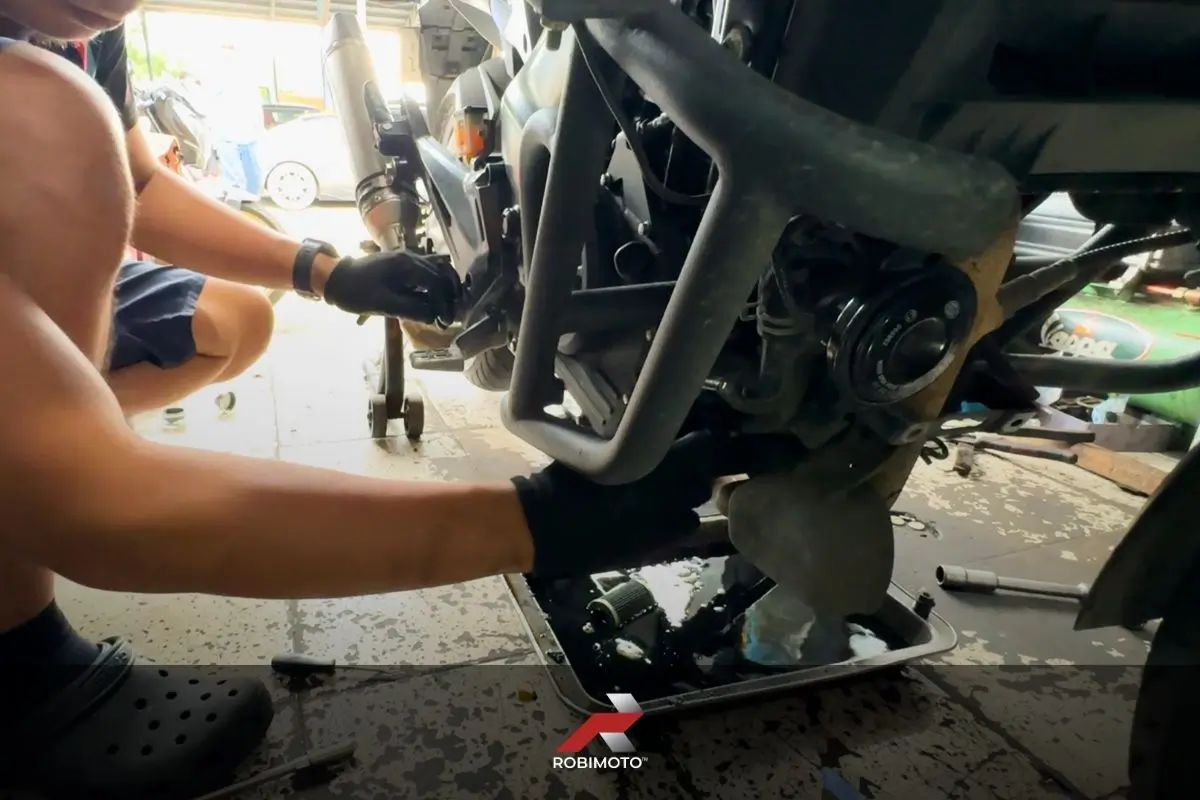
Many Filipino riders shrug off “due na ang change oil” warnings, especially when the motorcycle still runs fine. Daily city traffic, short rides, and tropical heat slowly wear down engine oil. Skipped oil change symptoms often appear quietly, such as slight engine noise, extra heat, or slower response. These signs are easy to ignore during daily commutes or weekend rides. This article looks at how skipped oil change symptoms show up across underbone, scooter, and big bike use in Philippine conditions. It explains what riders usually miss, why the damage builds over time, and how delayed oil changes affect reliability, cost, and long term ownership decisions.
“Okay pa naman takbo, puwede pang i-delay ang change oil.” It’s a common assumption among riders: if the motorcycle isn’t showing obvious distress, skipping an oil change seems harmless. No check-engine light, no loud knocks, so what’s the worry? The reality is skipped oil change symptoms often creep in quietly. On a long ride to Tagaytay or in daily EDSA traffic, your engine oil could already be past its prime without any dramatic signs, as discussed in this local riding context. Oil isn’t just for lubrication. It also cools and cleans the engine. As oil ages, it turns thin and dirty, losing effectiveness. So even though everything feels “normal,” internally metal parts are grinding with less protection.
For many riders in the Philippines, maintenance tends to be reactive, only addressed when something obviously goes wrong. We routinely top up gas, yet delay oil changes because the engine still runs. Over time, this habit catches up with us. The true cost of skipping oil changes isn’t seen immediately at the shop; it shows up later when the engine runs hotter, gets noisier, or suddenly fails. In short, hindi obvious agad (it’s not obvious at first), but the damage (and expenses) build quietly.
The effects of skipped oil change symptoms show up as subtle changes in your bike’s behavior. On Philippine roads, these signs can seem ordinary: a slight rise in engine temperature during traffic, a faint ticking noise from the engine, or a bit of sluggish response on an uphill. Many riders chalk these up to mainit lang ang panahon (it’s just the heat) or normal aging. In reality, they’re early warnings that your oil is past its prime.
After a long ride or a week in heavy traffic, let the engine cool and check your oil. If it’s below the mark or extremely dark, schedule that oil change. Stop-and-go heat can shorten oil life even if you haven’t hit the recommended mileage
Skipping an oil change might save you a few hundred pesos now, but it’s a false economy. Dirty oil lubricates poorly, causing more friction and heat. The money you “save” today can turn into a much bigger repair bill later. In fact, riders find that doing maintenance on time costs far less than engine repairs in the long run, as seen in this local ownership experience.
Mineral oil is cheaper but requires more frequent changes, while synthetic is pricier but can last longer. Some riders think using synthetic means they can skip oil changes, that’s risky. Synthetic oil handles heat better, yet it still becomes dirty over time. Whatever oil you use, sticking to the recommended schedule is key. In practice, many Filipino riders change mineral oil about every 2,000 km, whereas big bike owners with synthetic might do 4,000–5,000 km, as noted in this local riding guide. Our traffic and heat count as severe use, so when in doubt, change your oil a bit early rather than too late.
If you notice any of these signs, huwag mo nang ipagpabukas (don’t put it off). Give your motorcycle the fresh oil it needs before a minor issue becomes a major problem.
Eventually, almost every rider learns the same lesson: skipping maintenance isn’t worth it. A small tipid (saving) today can become a big expense tomorrow. Over time, they see that neglecting oil changes leads to higher repair costs later. On the other hand, sticking to a regular oil change schedule pays off in a smoother, more reliable ride. Instead of worrying that your bike might suddenly overheat or tirik (stall), you gain confidence that it will get you home every time. As they say, alagaan mo ang motor, at aalagaan ka rin nito – take care of your bike, and it will take care of you.
Delayed oil changes affect more than just your engine – they can hit your wallet, schedule, and even safety. A routine oil change (around ₱500) only takes about 30 minutes. Compare that to an engine repair that can cost tens of thousands and leave your bike in the shop for weeks. Often, breakdowns from neglected oil happen at the worst time (like during a Monday rush hour), as seen in this real-world riding scenario. In short, spending a bit of time and money on oil changes can save you from huge hassles later. It’s cheap insurance for your motorcycle’s reliability and your peace of mind.
Skipping an oil change once might not cause an immediate disaster, but it starts a silent decline. The oil gets dirty and thin, losing its ability to lubricate well. That leads to more friction and heat, causing faster engine wear.
Follow your bike’s manual or a regular interval. In Philippine conditions, many riders change oil around every 2,000–3,000 km for smaller bikes and about 4,000–5,000 km for big bikes (or every few months). You might stretch it a bit with high-quality synthetic oil, but don’t push your luck. Daily city riding is “severe” on oil, so it’s safer to change a little early than too late.
Watch for subtle clues: an engine that runs hotter than normal, new ticking or tapping noises, sluggish acceleration or harder shifting, and darker exhaust smoke. If your oil level keeps dropping or the oil looks pitch black and watery, that’s a clear sign it’s overdue. These symptoms are your bike’s way of saying the oil isn’t doing its job anymore.
Topping up only fixes the level, not the quality. If oil is low, adding is better than running dry. But adding fresh oil to old, dirty oil doesn’t remove the contaminants and sludge already in your engine. It’s just a temporary fix. You still need a full oil change as soon as possible to truly renew the oil.
Even if you ride infrequently, oil degrades over time. Short trips especially don’t let the engine fully warm up, so moisture and fuel can remain in the oil and form sludge. Most manufacturers recommend changing oil at least every 6 to 12 months regardless of mileage. So if you only use your bike on weekends, do it on a time basis. Fresh oil ensures your engine is protected whenever you do ride.
Regular oil changes prolong engine life and reduce surprise failures, building a culture of responsible riding and trust in our bikes.
RobiMotoPH
In the end, being proactive with oil changes isn’t about having extra budget or being overly cautious – it’s about respect for your ride and your safety. When your motorcycle is well-maintained, every ride feels calmer and more predictable. That peace of mind is worth far more than the cost of oil. Ride safe, ride smart, and don’t let a simple oil change be the one thing you regret skipping.