Skip to content
Contact & Community
📍 Metro Manila, Philippines
🌐 robimotoph.com
✉️ hello@robimotoph.com
📱 +63 917 517 0594
📍 Metro Manila, Philippines
🌐 robimotoph.com
✉️ hello@robimotoph.com
📱 +63 917 517 0594

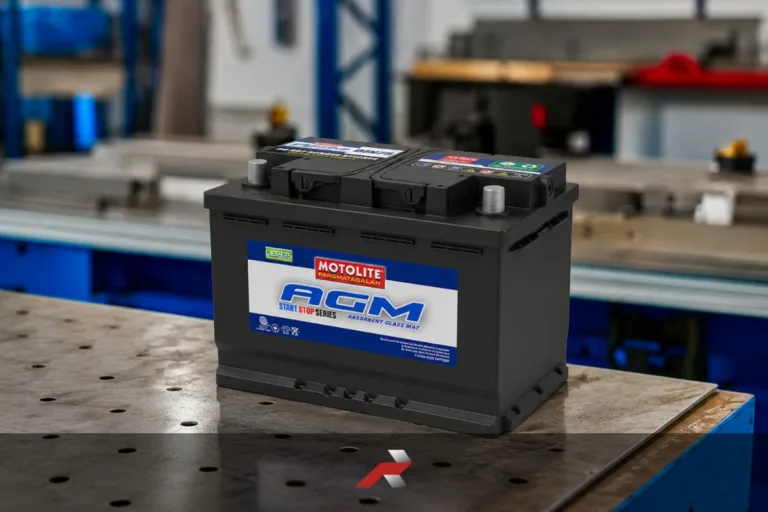
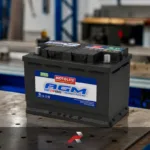
AGM battery vs conventional battery Philippines helps Filipino riders choose between lower maintenance, lower upfront cost, and daily reliability. AGM batteries are usually better for riders who want a sealed, spill-resistant option that handles vibration, traffic, rain, and frequent starts with less upkeep. Conventional batteries remain practical for budget-conscious riders, especially on simpler motorcycles, but they need proper upright installation and more regular checking. For daily commuters, weekend riders, and motorcycles with accessories like auxiliary lights or USB chargers, the better choice depends on usage, charging health, parking habits, and how much maintenance the rider is willing to manage.
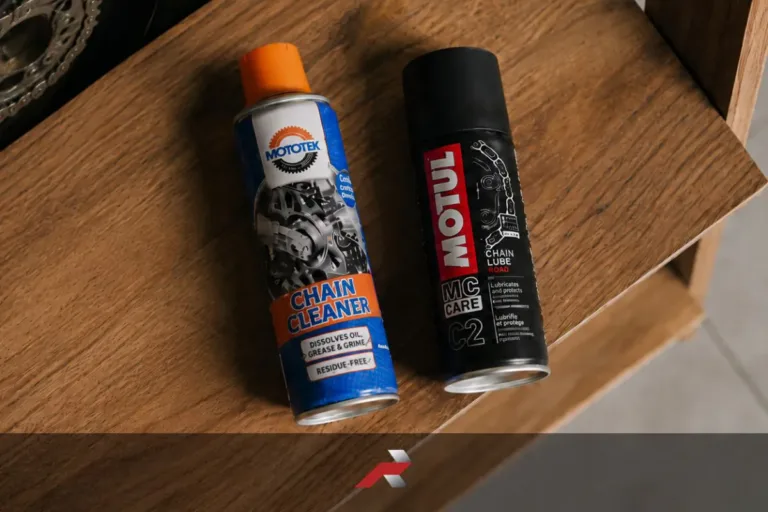
Choosing the best chain cleaner and chain lube in the Philippines is not about finding the most expensive spray. It is about matching the product to your riding conditions, cleaning habits, and chain type. Daily riders deal with traffic dust, sudden rain, outdoor parking, and old lube buildup. This guide explains when to use a cleaner, when to apply lube, and why both products should work as one routine. It also connects practical choices to RobiMotoPH’s Mototek Chain Cleaner, D.I.D Chain Cleaner, and Motul C2 Chain Lube reviews for riders who want a simple maintenance path before buying online with less guesswork.

The Kawasaki Z1100 SE Philippines discussion is for riders exploring whether a premium supernaked is a better weekend bike than a supersport. This guide examines the 2026 Kawasaki Z1100 SE for Filipino riders seeking strong inline-four performance, upright ergonomics, premium components, everyday usability, and standout road presence. It looks at how the Z1100 SE fits weekend rides, tambike sessions, and long-term ownership while balancing comfort and excitement. The article also compares the supernaked experience with the more aggressive Kawasaki ZX-6R path, helping riders decide which motorcycle better matches their riding style, goals, budget, and real-world Philippine conditions.
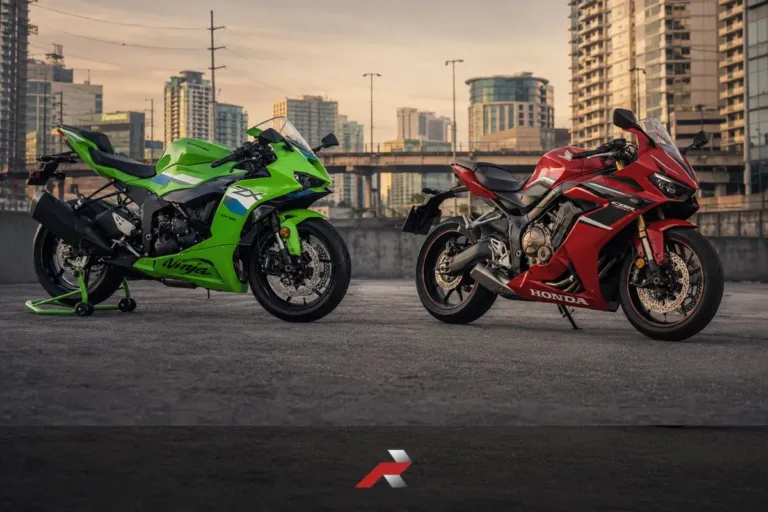
The ZX-6R vs CBR650R Philippines comparison is not just about which bike is faster. For Filipino riders, the real question is which motorcycle fits your riding life better. The Kawasaki Ninja ZX-6R is sharper, more aggressive, and more track-inspired. The Honda CBR650R is still sporty, but it is generally easier to understand as a street-friendly inline-four. This guide compares both bikes for Manila traffic, weekend rides, tambike, expressway use, comfort, ownership cost, and long-term rider fit.
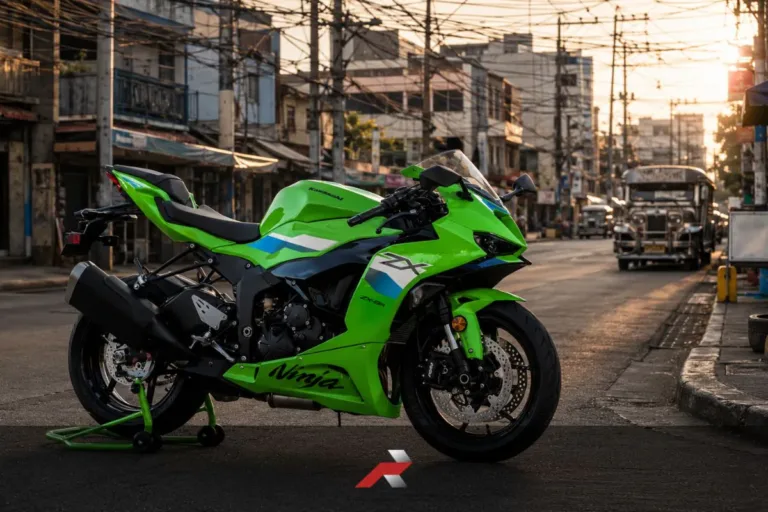
The Kawasaki ZX-6R Philippines discussion is not just about speed or prestige. For many Filipino riders, it sits in a special space between dream bike, weekend machine, and serious supersport ownership. This guide looks at whether the 2026 Kawasaki Ninja ZX-6R makes sense as a trophy bike for weekend rides, tambike, expressway runs, and occasional content creation. It also explains why keeping a practical daily motorcycle may still be the smarter move for riders coming from bikes like the Dominar 400.
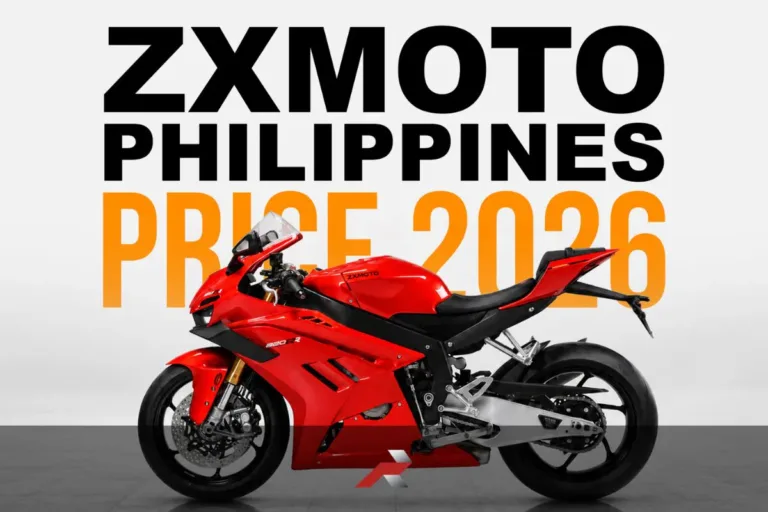
ZXMOTO Philippines price is becoming a major consideration for Filipino riders interested in the 500RR and 820RR. While the reported SRP and reservation fee attract attention, real ownership involves much more. This guide explores maintenance costs, insurance, registration, tires, parts availability, service support, and potential buyer risks. Whether you commute daily, ride through heavy traffic, face unpredictable weather, or want a weekend sportbike, understanding total ownership cost is essential. Instead of focusing only on the purchase price, riders should evaluate whether a ZXMOTO motorcycle remains practical, affordable, and worthwhile throughout long-term ownership in the Philippines.
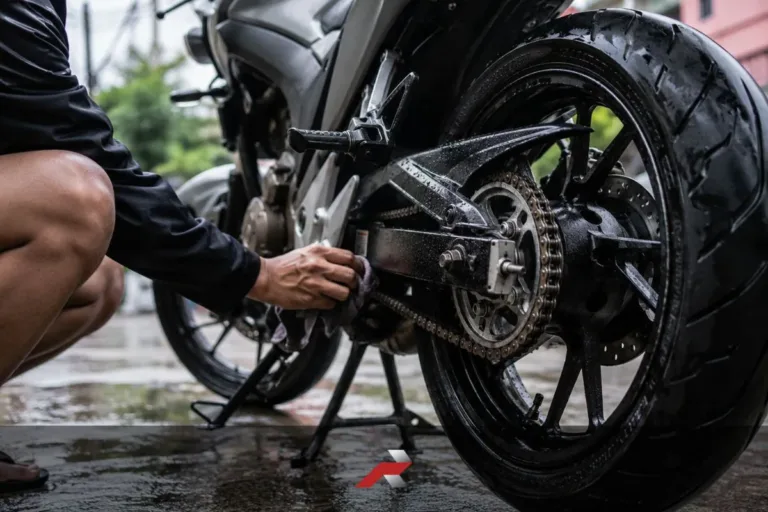
Motorcycle chain maintenance tropical climate habits are different from basic chain care because Filipino riders face heat, humidity, sudden rain, traffic grime, wet roads, and outdoor parking almost year-round. This guide explains how daily riders can protect their chain, reduce rust, prevent premature sprocket wear, and avoid unnecessary gastos through inspection, cleaning, lubrication, and proper timing. It also shows when to clean after rain, when to relube after city traffic, and when warning signs like noise, tight spots, or jerky throttle response should no longer be ignored during everyday Philippine motorcycle ownership and maintenance discipline routines.
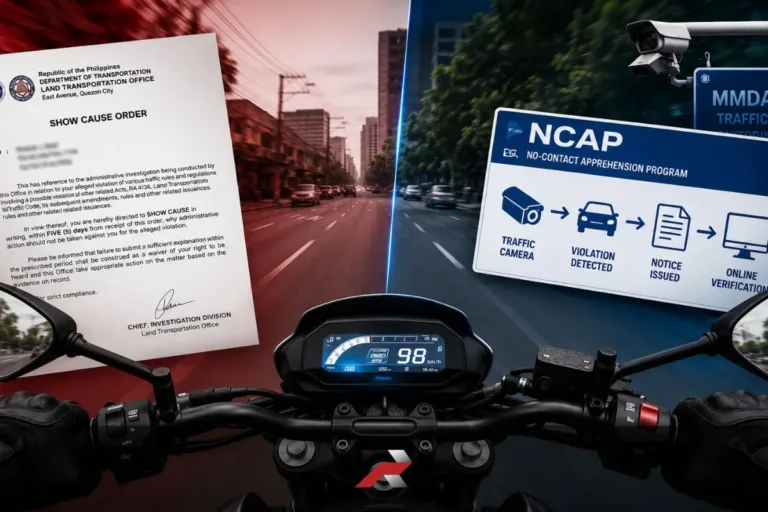
Show-Cause Order vs NCAP is an important difference for Filipino riders who post ride videos online. Many riders think both are the same because neither always involves a roadside stop. However, NCAP usually involves official traffic camera enforcement, while a show-cause order may come from a viral video, public complaint, or investigation. This guide explains how the two processes differ, why ride videos can create risk, and what motovloggers should avoid before posting speed clips or public-road content. For riders, the goal is simple: understand the process, protect your license, and post responsibly.
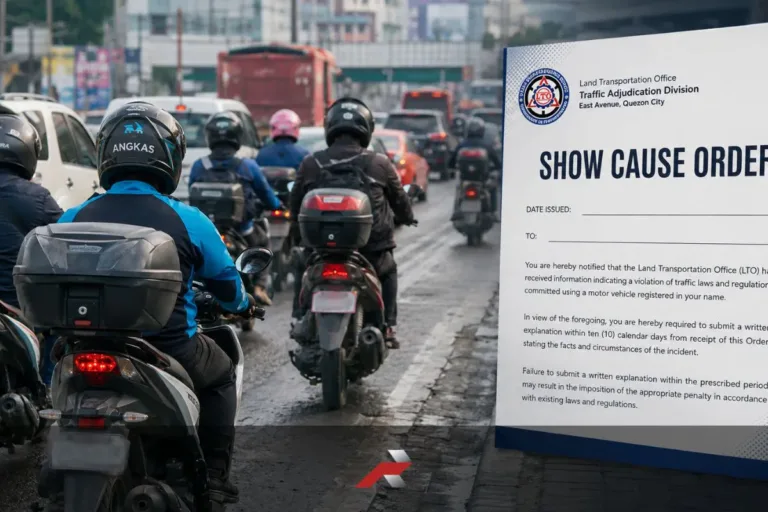
An LTO Show-Cause Order can feel intimidating, especially when it comes after a viral ride video, road rage issue, or online complaint. For Filipino riders, the safest response is not panic, denial, or public arguments. It is to understand the notice, check the details, prepare documents, and respond through the proper channel. This guide explains what riders should do first, what mistakes to avoid, and when to seek legal or official guidance. It also reminds motovloggers that public content can affect their license, reputation, and credibility. Ride smart, respond calmly, and protect your name.
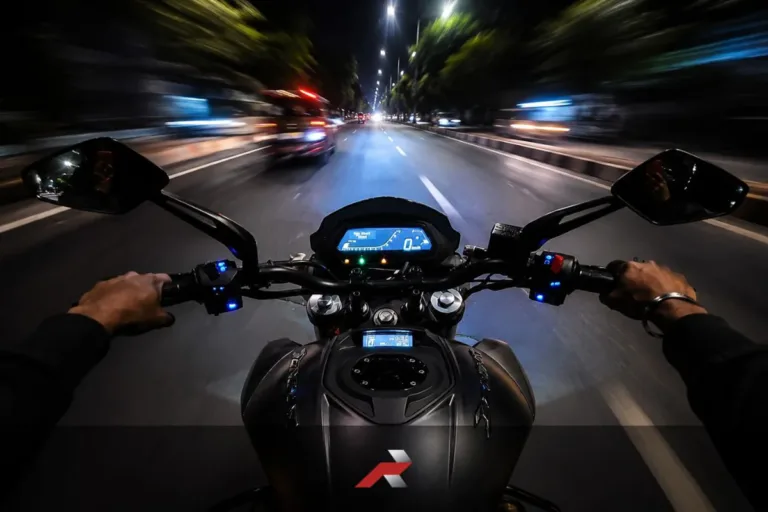
Online huli Philippines is becoming a serious concern for riders and motovloggers who post speed runs, road clips, or risky riding videos online. This guide explains whether LTO can issue a show-cause order based on public rider videos, how it differs from no-contact apprehension, and why an empty road does not automatically remove responsibility. It also discusses how captions, speed overlays, plate visibility, and viral posts can create problems for Filipino riders. More importantly, it reminds riders that good content should not put their license, reputation, or community image at risk. Ride smart, post smarter.
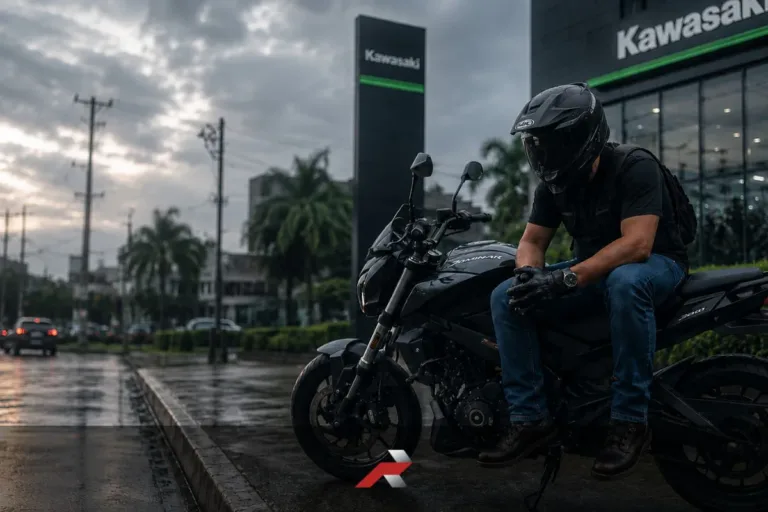
Bajaj Philippines is entering a new chapter, and many Filipino riders are asking where the Dominar fits in. This article looks at why the Dominar became important to local riders, how its Kawasaki connection shaped trust, and why the transition to Bajaj’s standalone direction created questions about support, identity, and long-term confidence. The Dominar may not be the most premium motorcycle in its segment, but it became a practical beginning for many riders. For owners, its strongest legacy may still be the community that continues to support it.
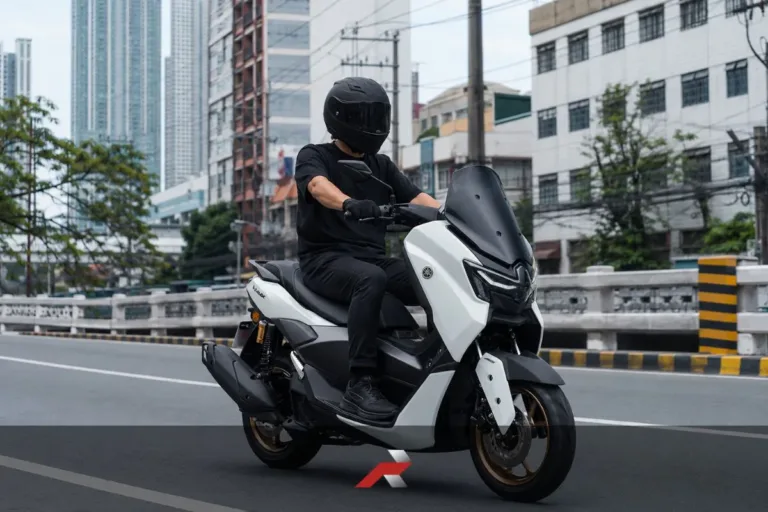
The Yamaha Nmax CVT Maintenance Guide helps Filipino riders understand how the scooter’s automatic transmission system affects takeoff, acceleration, vibration, and daily riding feel. This article explains common CVT concerns, what symptoms to watch for, what parts may need inspection, and why traffic, rain, dust, and stop-and-go commuting can affect CVT performance. It is written for Nmax owners who want practical maintenance awareness before issues become expensive.