Skip to content
Contact & Community
📍 Metro Manila, Philippines
🌐 robimotoph.com
✉️ hello@robimotoph.com
📱 +63 917 517 0594
📍 Metro Manila, Philippines
🌐 robimotoph.com
✉️ hello@robimotoph.com
📱 +63 917 517 0594

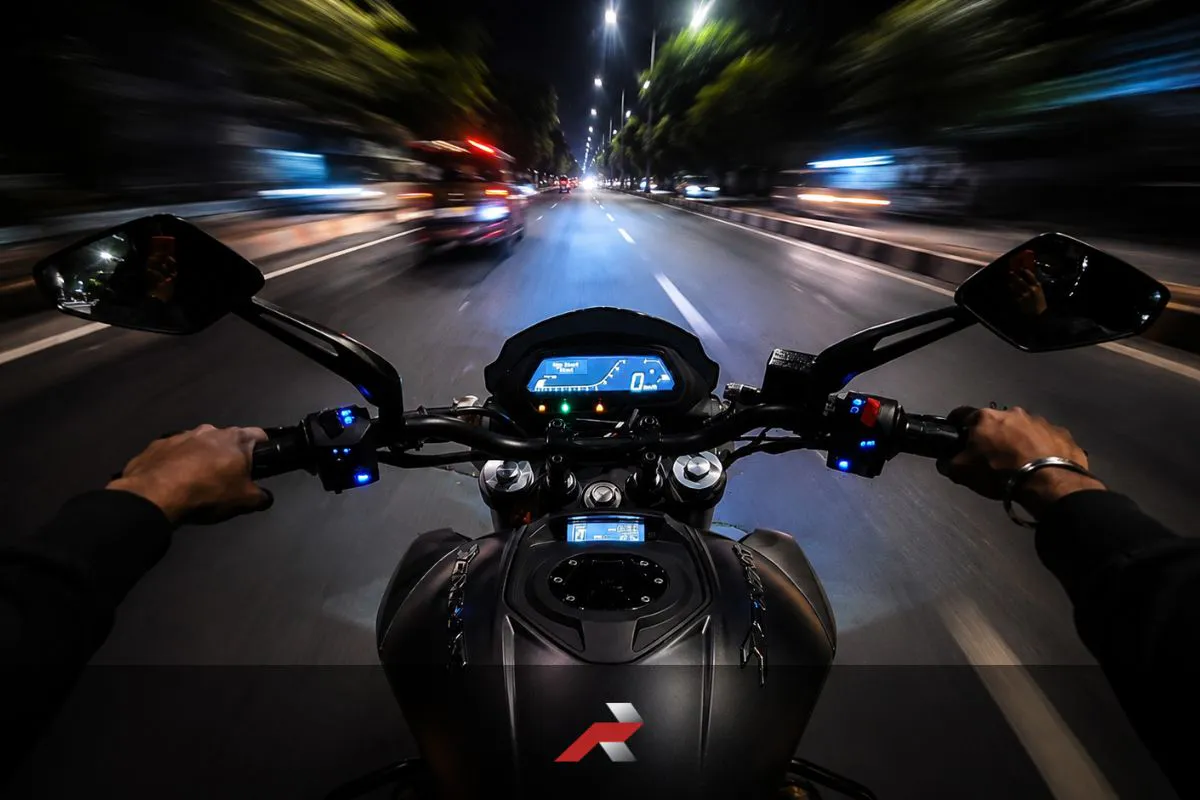
Online huli Philippines is becoming a serious concern for riders and motovloggers who post speed runs, road clips, or risky riding videos online. This guide explains whether LTO can issue a show-cause order based on public rider videos, how it differs from no-contact apprehension, and why an empty road does not automatically remove responsibility. It also discusses how captions, speed overlays, plate visibility, and viral posts can create problems for Filipino riders. More importantly, it reminds riders that good content should not put their license, reputation, or community image at risk. Ride smart, post smarter.
Online Huli Philippines is not always the same as a normal traffic ticket or no-contact apprehension. In many rider discussions, the term is used loosely when a rider, driver, or vlogger gets noticed because of a public video, social media post, or viral traffic-related content.
The important point is this: the Land Transportation Office may issue a show-cause order when a public video appears to show a possible traffic violation. That does not automatically mean the rider is already guilty. It means the agency is asking the rider, driver, or registered owner to explain.
A show-cause order is not just a random comment from the internet. It is an official notice. Once it arrives, it should be treated seriously.
Riders who already received a notice can use this practical show-cause order guide to understand what to check, what to prepare, and how to respond properly.
This is where many riders get confused. They ask, “Paano naging huli kung walang enforcer sa actual na pangyayari?” That is a fair question. However, the issue is not always about a roadside apprehension. Sometimes, it becomes an administrative review based on what was posted online.
In short, there are three things riders should understand:
First, public roads are still public roads even when they look empty. If a video shows a rider exceeding speed limits, riding dangerously, or performing risky behavior on a public highway, the absence of other vehicles does not automatically make the act safe or legal.
Second, social media content can create evidence-like context. A video may show speed overlay, plate number, motorcycle model, road signs, landmarks, voiceover, captions, and comments. Alone, one detail may not tell the whole story. Together, they may create enough reason for authorities to ask questions.
Third, a show-cause order is a chance to explain. It is not the same as being automatically convicted. However, ignoring it is a bad move. Once the government sends a formal notice, the rider should respond properly, calmly, and with the right documents.
🏍️
Rider Insight: Hindi lahat ng “online huli” ay pare-pareho ang proseso. Minsan traffic ticket, minsan show-cause order, minsan investigation muna. Kaya mas safe na maintindihan muna ang proseso bago mag-react online.
For Filipino riders and motovloggers, the lesson is simple. Ride videos are not just entertainment anymore. They can also become public records of behavior on the road.
Online huli is an informal term riders use when enforcement seems to happen after a video, post, or online report goes public. It is not always a formal legal category. It is more of a rider-language shortcut for different situations that happen without a roadside stop.
Some riders use it when talking about NCAP. Others use it when LTO issues a show-cause order. Some use it when a viral video reaches the wrong audience and leads to an investigation. That is why the phrase can be confusing.
A real example of how online riding behavior can affect a creator’s reputation can be seen in this motovlogger road rage case, where public reaction and enforcement concerns became part of the bigger discussion.
The better way to understand online huli is this: it is not one single process. It can refer to several enforcement paths that begin outside the usual roadside checkpoint or actual apprehension.
No-contact apprehension usually involves traffic violations captured by official cameras or monitoring systems. The driver may not be stopped on the road, but the registered owner may later receive a notice.
This is why many riders associate NCAP with online huli. The driver was not physically stopped, but there is still a record of the alleged violation.
However, NCAP is not the only situation riders should understand.
A show-cause order is different. Instead of simply receiving a traffic citation, the rider or registered owner may be asked to explain why they should not face administrative action.
In publicized cases, LTO has issued show-cause orders after viral videos appeared to show unsafe driving or traffic violations. [1]
That means a video posted online can become the starting point of an official review. The video may not be the final decision by itself, but it can trigger questions.
Sometimes, the issue starts because people share, report, tag, or criticize a video. Once the post gains attention, authorities may review it.
This is where content creators need to be more careful. A video made for views can suddenly become an issue for the rider’s license, vehicle record, and public reputation.
For ordinary riders, this may sound harsh. For motovloggers, it is part of the reality now. When you post publicly, you are not only talking to your followers. You may also be showing your riding behavior to government agencies, critics, future sponsors, and the riding community.
🏍️
Rider Insight: Kapag public ang post, public din ang risk. Hindi lang ka-Robi ang makakapanood. Pwedeng makita rin ng LTO, MMDA, brands, employers, at ibang riders na may ibang interpretation sa video.
This does not mean riders should stop documenting rides. Motorcycle content can still be helpful, inspiring, and entertaining. The real issue is what kind of riding behavior the content shows.
If the video teaches safety, documents a route, shares road conditions, reviews gear, or tells a rider story, it can help the community. But if the main flex is top speed on a public road, that content carries more risk than reward.
An LTO show-cause order is an official notice asking a driver, rider, or registered vehicle owner to explain a possible violation. Unlike a normal roadside ticket, it does not automatically mean the issue is already final. Instead, it gives the person involved a chance to answer one important question: why should no action be taken against you?
For riders, the simplest way to understand it is this: may pinapaliwanag sa iyo. Hindi ibig sabihin tapos na agad ang laban, pero hindi rin siya dapat balewalain.
A show-cause order usually starts when LTO sees, receives, or investigates information that may point to a violation. That information can come from a complaint, official monitoring, public reports, or viral videos.
In several publicized cases, LTO issued show-cause orders after videos circulated online. One official LTO report involved a vlogger who was ordered to attend a hearing after a viral video showed alleged violations while driving. [1]
This matters because many riders still think enforcement only happens when an enforcer personally stops them on the road. That old mindset is risky now. With public videos, screenshots, and online reports, a ride can be reviewed after the fact.
This does not mean every video will lead to a violation. It also does not mean every allegation is automatically true. However, it does show that public online content can become the starting point of an official explanation process.
A show-cause order may require the rider or registered owner to appear before an LTO office, submit documents, or explain the incident. In some cases, the LTO Intelligence and Investigation Division may be involved, especially if the matter came from a viral video or public complaint.
That is why riders should not treat an SCO like a random online bash. It is not the same as someone commenting, “Huli ka!” on Facebook. Once it comes from LTO, it becomes part of an official process.
The practical move is simple. Read the notice, check the details, prepare your documents, and respond properly. If the allegation is serious, seek legal guidance or directly verify with the concerned LTO office.
🏍️
Rider Insight: Kapag official notice na, huwag nang gawing comment section ang depensa. Mas safe ang maayos na sagot, kumpletong dokumento, at malinaw na paliwanag.
Some LTO cases involving viral videos did not stop at “please explain.” In one publicized case, LTO stated that a show-cause order also included a 90-day license suspension and a vehicle alarm connected to the viral unsafe driving video. [2]
That is why riders should not assume that a show-cause order is harmless. It may begin as a request for explanation, but depending on the facts, it may lead to fines, suspension, vehicle alarm, or other administrative consequences.
For Filipino riders, this becomes more serious because the license is not just a card. It affects daily commute, work, family errands, long rides, and even side income for some riders. Losing the ability to ride legally, even temporarily, can create real inconvenience.
Still, the key word is process. An SCO should not be treated as automatic guilt, but it should be treated as official. The rider has a chance to explain, but that chance should be handled properly.
A show-cause order is not a simple “online huli” joke. It is a formal notice. If you receive one, do not panic, but do not ignore it either.
For riders and motovloggers, the bigger lesson is prevention. If a video shows a possible violation, especially on a public road, it may invite official attention. Even if the road looks empty, even if the ride was for documentation, and even if the rider believes nobody was harmed, the post can still raise questions.
This is where discipline enters the picture. Ride content should build trust, not create legal headaches. The motorcycle community already has enough issues with enforcement, image, and public perception. We do not need to hand the internet our own evidence with background music.
Online huli is not always the same as no-contact apprehension. Riders often use the two terms as if they mean one thing, but they can refer to different processes. NCAP usually involves official traffic enforcement cameras, while an LTO show-cause order may come from a video, complaint, report, or viral online post.
This matters because the rider’s next move depends on the process involved. A camera-based notice is different from being summoned to explain a viral ride video.
Riders who want to understand how MMDA presents recorded violations can also review this NCAP violation portal guide for more context on transparency and checking alleged violations.
No-contact apprehension is commonly understood as traffic enforcement without a roadside stop. Instead of an enforcer flagging down a driver, the violation is captured through an official camera or monitoring system.
For riders, this means the notice usually connects to a specific place, time, vehicle plate, and recorded traffic violation. The registered owner may later receive a notice based on the captured record.
This is why many Filipino riders describe NCAP as “nahuli kahit walang enforcer.” In that sense, the phrase makes sense. The driver or rider was not stopped on the road. The alleged violation was recorded and processed later.
However, the key detail is the source. NCAP generally relies on official enforcement systems, not random public posts or uploaded ride videos.
An LTO show-cause order is different because it asks the rider, driver, or registered owner to explain. It may be issued after a public video, complaint, or report suggests a possible violation.
In other words, NCAP often starts with an official camera record. A show-cause order may start with a review, complaint, viral post, or public report.
That does not mean the rider is automatically guilty. It means the agency is asking for an explanation.
This is the part many riders miss. Kapag may show-cause order, hindi pa siya simpleng “ticket” na bayaran agad. It can become an administrative process, especially if the issue involves reckless driving, unsafe road behavior, or public safety concerns.
🏍️
Rider Insight: NCAP is usually about a recorded traffic violation from an enforcement system. A show-cause order is more about being asked to explain a possible violation. Pareho silang puwedeng mangyari kahit walang roadside stop, pero hindi sila pareho ng proseso.
Riders confuse NCAP and show-cause orders because both can happen after the ride. There may be no checkpoint, no MMDA or LTO officer on the scene, and no immediate ticket.
From the rider’s point of view, it feels the same: “Walang humuli sa akin, pero may notice.”
But from a process point of view, the difference matters.
NCAP is usually tied to an official camera-based enforcement program. A show-cause order is tied to the need to explain an alleged violation or incident. One is more like a recorded traffic apprehension system. The other is more like an administrative inquiry.
That is why riders should avoid using “online huli” as a one-size-fits-all term. It may sound catchy, but it can make the issue more confusing.
In May 2025, the Supreme Court partially lifted the temporary restraining order against the implementation of MMDA’s no-contact apprehension policy. However, reports also noted that the TRO involving local government unit ordinances remained a separate issue. [3] [4]
For riders, the simple takeaway is this: NCAP rules and implementation can change depending on court action, agency policy, and location. Do not rely only on old posts, old videos, or chismis from the group chat.
Before assuming that NCAP is active or inactive in a specific area, check the current advisory from the concerned authority.
For riders tracking the latest changes, this MMDA NCAP website update gives a more focused look at what drivers and motorcycle riders should watch online.
This is especially important for riders passing through Metro Manila, EDSA, C5, major intersections, and monitored roads. A route that felt “safe” from camera enforcement before may no longer be the same later.
The safest way to understand it is this:
NCAP is usually camera-based enforcement. A show-cause order is usually an official demand to explain. Online huli is the informal rider term that may refer to either one, depending on the situation.
For riders who want a clearer comparison, this Show-Cause Order vs NCAP breakdown explains how the two processes differ before posting ride videos online.
For motovloggers, the risk is bigger because ride content can travel far beyond the original audience. A video meant for entertainment can be viewed as evidence, context, or public admission.
That does not mean riders should stop posting. It means riders should post with awareness.
If the content shows safe riding, road conditions, community rides, responsible touring, or practical rider lessons, it helps the community. But if the post centers on maximum speed, risky overtaking, racing on public roads, or flexing violations, it can create problems beyond the comment section.
An empty road does not automatically make a speed-related ride video safe, legal, or harmless. If the ride happened on a public road, traffic rules may still apply. The absence of other vehicles may reduce one visible risk, but it does not remove the rider’s responsibility.
This is one of the most common arguments in motorcycle comment sections: “Wala namang ibang sasakyan. Mag-isa lang siya. Documentation lang naman.”
That may explain the rider’s intention, but it does not automatically answer the legal or safety issue.
Republic Act No. 4136, also known as the Land Transportation and Traffic Code, sets speed rules for motor vehicles on public highways. It also states that drivers should operate at a careful and prudent speed based on traffic, road width, and existing conditions. [5]
That phrase matters because road safety is not based only on whether another vehicle is visible in the video.
A road can look empty for ten seconds and still have hidden risks. There may be pedestrians, animals, road debris, blind corners, potholes, sudden U-turning vehicles, stalled trucks, or riders entering from side streets.
For Filipino riders, this is not theory because we see these risks daily. A dog may suddenly cross from the side. A tricycle can enter without warning. A pothole may appear too late, while a pedestrian may still cross even without a pedestrian lane. Classic Philippines road DLC, unlocked daily.
So when a rider posts a maximum speed clip on a public road, the question is not only, “May nabangga ba?” The bigger question is, “Was the riding behavior reasonable for that road?”
The “wala namang ibang sasakyan” argument can feel understandable from a rider’s point of view. However, traffic rules are not only designed to prevent direct collision with another vehicle. They also help reduce the risk of losing control, surprising other road users, or creating danger before anyone can react.
A motorcycle at high speed gives the rider less time to correct mistakes. It also gives other road users less time to understand what is happening. This becomes more serious on roads with poor lighting, uneven pavement, open access points, or unpredictable local traffic.
🏍️
Rider Insight: Empty road does not always mean safe road. Minsan tahimik lang ang kalsada, pero nandiyan pa rin ang risk. Ang problema, kapag nakita mo na, minsan huli na rin.
This is why a rider video can still raise questions even when no crash happened. Enforcement and public safety do not always wait for an accident before asking what went wrong.
Some riders argue that the video was only for documentation. That can be true. Many riders record their rides for memories, route guides, safety evidence, vlogs, or travel stories.
However, documentation can still show behavior. If the footage includes a visible speed overlay, road signs, lane markings, motorcycle plate, face, voice, or caption that suggests a top-speed attempt, the content may be interpreted differently.
This is where motovloggers need to be careful. The rider may think, “Trip lang ito. Content lang.” But the viewer may see, “Public road overspeeding.” LTO or another authority may see, “Possible violation worth reviewing.”
Intent matters, but it may not erase what the video appears to show.
For riders who create content, the safer approach is simple. Document the ride, not the violation. Show the route, scenery, discipline, preparation, group ride flow, road conditions, fuel stop, or learning moment. You do not need to flex maximum speed to prove that you ride.
If the goal is to show speed, performance, or riding skill, a controlled track or closed-course setting is the better place. It creates a clearer boundary between performance content and public-road risk.
Public roads are shared spaces. Even when they look empty, they are not designed as personal testing grounds. Track environments, on the other hand, are built for controlled riding, safety marshals, proper direction of travel, and fewer unpredictable road users.
That does not mean every rider must become a racer or track rider. It only means that public-road speed flexing is a weak content strategy if the goal is long-term credibility.
For RobiMotoPH, the stronger message is this: the best motorcycle content is not the one that shows the highest number on the speed overlay. It is the one that makes riders think, ride better, and respect the road.
No other vehicle in the video does not automatically remove responsibility. If the ride happened on a public road, the rider may still be expected to follow traffic rules, speed limits, and safe riding behavior.
For daily riders, the issue is discipline. Motovloggers also carry influence because viewers may copy what they see. For the motorcycle community, every viral clip can affect public image, whether fair or not.
A single viral speed clip may feel exciting for a few seconds. But if it leads to a show-cause order, license issue, or public backlash, the “content” suddenly becomes expensive.
A ride video becomes risky when it shows possible traffic violations, unsafe riding behavior, identifiable details, or captions that make the act look intentional. The problem is not the camera itself. The problem is what the footage appears to prove once it becomes public.
For riders and motovloggers, this is the uncomfortable truth: a video can entertain your audience and still create problems for your license, reputation, and future partnerships.
Motorcycle content is powerful. It can show beautiful roads, disciplined riding, group ride culture, gear preparation, maintenance awareness, and real ownership stories. But it can also show overspeeding, aggressive overtaking, unsafe lane changes, and public-road behavior that gives critics a full buffet. Hindi na nila kailangan maghanap ng ebidensya. Minsan tayo pa ang nag-upload.
Based on a report from Inquirer, LTO has warned vloggers and content creators against posting videos that show traffic violations, which supports the bigger point that public ride content can carry real consequences. [6]
A speed overlay is one of the most sensitive details in a ride video. It may come from an action camera, GPS app, dashboard shot, or editing software. Riders often use it to show performance, pacing, or travel experience.
However, if the number appears to show overspeeding on a public road, it can invite criticism or official attention.
The rider may argue that GPS speed is not perfect. That may be true. GPS readings can vary depending on signal, device, delay, and other conditions. But from a public-viewing perspective, the overlay still creates a strong impression.
That is why posting maximum speed runs is risky. Even if the rider thinks the road was clear, the video may be interpreted as proof of unsafe public-road riding.
Rider Insight:
Speed overlay is not always needed. If it does not help the story, teach the viewer, or protect the rider, it may be better to remove it.
For motovloggers, this is not about hiding truth. It is about being responsible with what you publish. There is a difference between documenting a ride and presenting a speed flex as the highlight of the content.
A risky ride video does not need to show the rider’s full face to become identifiable. Sometimes, the clues are already enough.
The video may show the motorcycle plate, helmet design, sticker placement, unique bike color, road signs, toll booths, gasoline stations, mountains, bridges, or familiar provincial roads. The voiceover may also reveal the route, date, location, or purpose of the ride.
For ordinary riders, this may feel harmless. For content creators, it becomes part of the public record.
If a video shows a possible violation and also reveals enough details to connect the ride to a person, vehicle, or location, the risk increases. The more identifiable the content becomes, the harder it is to claim that the post is just generic documentation.
This is why riders should review videos before posting. Look at the footage like a viewer, not like the rider who already knows the full story.
Ask simple questions:
If the answer feels uncomfortable, edit before posting.
Sometimes, the video is already risky, but the caption makes it worse.
A clip with fast riding may already raise questions. But when the caption says “top speed run,” “testing lang sa public road,” “walang huli dito,” or “bahala na,” the tone changes. It can look less like documentation and more like intentional disregard.
This matters because posts are not judged only by visuals. Captions, hashtags, comments, and replies can shape how the video is understood.
A rider may think the caption is just humor. But once the video becomes controversial, that same caption can be used against the rider’s credibility.
The safer move is not to pretend that content should be boring. Motorcycle content can still have personality, humor, and excitement. But it should not glorify behavior that puts the rider or the community in a bad position.
Comments can also make a post more complicated. If viewers ask, “Ilang kph yan?” and the rider replies with a proud number, that reply may add context. If someone asks where the ride happened and the rider gives the exact location, that also adds context.
Even reactions from friends can contribute. A joke like “LTO is waving” may seem harmless, but when a post goes viral, every public detail can become part of the bigger picture.
This is why content creators need comment discipline. Not everything needs a public explanation. Defending every clip can make the issue bigger, especially when the post already looks questionable. Instead of turning the comment section into a confession thread, it is better to pause, review the content, and respond only when needed.
🏍️
Rider Insight: The video is not the only content. Caption, comments, replies, and hashtags are part of the same public story.
Motovloggers are not only riders. They are also publishers. That means they carry a bigger responsibility because their content may influence other riders.
When a rider with a public page posts unsafe behavior, viewers may treat it as normal. Some may copy it. Others may criticize it. Brands may avoid it. Authorities may notice it.
This is where reputation matters. A creator who wants to work with motorcycle brands, riding gear shops, cafes, events, or community partners should protect credibility.
Fast content can get attention. Responsible content builds trust.
There is a difference.
For RobiMotoPH, the stronger path is not to chase every viral trend. It is to build a platform that riders can trust, brands can respect, and the community can point to without embarrassment.
A ride video becomes risky when it shows possible violations, identifiable details, and captions that make the rider look proud of unsafe behavior.
Before posting, riders should ask one simple question: “Will this video still look responsible if someone outside my circle watches it?”
If the answer is no, edit it, reframe it, or do not post it.
Good content should not cost you your license. It should not damage your name. And it should not make the motorcycle community look like it learned road discipline from a loading screen.
Online Huli Philippines is not just about fear of getting caught. It is really about how riding, enforcement, and public content now overlap. A rider may finish a ride safely, post the video later, and still face questions if the content appears to show a possible violation.
For Filipino riders, the safest mindset is simple. Public road rules still matter, even when the road looks empty. A show-cause order is not automatic guilt, but it is also not something to ignore. NCAP and LTO show-cause orders are not always the same process, but both remind riders that enforcement no longer depends only on being stopped at the roadside.
For motovloggers, the responsibility is even bigger. A ride video is not just a memory. It can influence younger riders, shape public opinion, attract brands, or invite government attention. Speed overlays, captions, comments, plates, and road signs can all change how a video is interpreted.
This does not mean riders should stop creating content. Motorcycle stories matter. Ride logs, community rides, gear lessons, road condition updates, and honest ownership experiences can help the riding community. But content should not glorify behavior that puts the rider, the license, or the motorcycle community at risk.
The better goal is not to hide from enforcement. The better goal is to ride in a way you can stand by, even if the video reaches people outside your circle.
Good content should build trust. Good riding should protect life. And good discipline should remain visible, even when nobody is physically watching.
Yes, LTO may issue a show-cause order if a public video appears to show a possible traffic violation. The order usually asks the rider, driver, or registered owner to explain. It does not automatically mean guilt, but it should be taken seriously.
Not always. Online huli is an informal term riders use for different situations. NCAP usually involves official traffic camera enforcement. A show-cause order may come from a viral video, complaint, report, or investigation.
Yes. A roadside stop is not the only way an issue can reach authorities. A public video, report, or complaint may trigger an official review. The rider should still be given a chance to explain through the proper process.
No. If the ride happened on a public road, traffic rules and safe riding expectations may still apply. An empty road may reduce one visible risk, but it does not remove the rider’s responsibility.
Posting a video is not automatically the same as being guilty of a traffic violation. However, if the video appears to show overspeeding or unsafe riding on a public road, it may invite questions, reports, or official review.
It is safer to avoid unnecessary speed overlays, especially on public roads. If the speed number does not add educational value or protect the rider, it may create more risk than benefit.
Do not ignore it. Read the notice carefully, check the deadline, prepare documents, and respond properly. If the issue is serious, consult LTO directly or seek legal guidance before making public statements. If the rider believes the alleged violation is wrong, this traffic violation contesting guide can help explain where to start before reacting emotionally online.
Not always. Screenshots, downloads, reuploads, and reports may already exist. Deleting the video may reduce further attention, but it does not guarantee that the issue disappears.
It may, depending on the case and the result of the process. Some publicized LTO cases involving viral videos included license-related actions. Riders should treat any official notice seriously and verify directly with the concerned office.
Focus on route stories, road conditions, safety lessons, community rides, gear preparation, and ownership experience. Avoid glorifying overspeeding, reckless overtaking, or public-road racing. Ride content should build trust, not create legal headaches.
[1] Land Transportation Office. “LTO, naglabas ng show-cause order laban sa isang vlogger.” https://lto.gov.ph/news/lto-naglabas-ng-show-cause-order-laban-sa-isang-vlogger/
[2] Land Transportation Office. “Popular social media personality surrenders driver’s license to LTO.” https://lto.gov.ph/news/popular-social-media-personality-surrenders-drivers-license-to-lto/
[3] Supreme Court of the Philippines. “Press Briefer, May 20, 2025.” https://sc.judiciary.gov.ph/press-briefer-may-20-2025/
[4] Inquirer. “SC lifts TRO vs enforcement of MMDA, LGUs’ no-contact apprehension program.” https://newsinfo.inquirer.net/2061778/sc-lifts-tro-vs-enforcement-of-mmda-lgus-no-contact-apprehension-program
[5] Lawphil. “Republic Act No. 4136, Land Transportation and Traffic Code.” https://lawphil.net/statutes/repacts/ra1964/ra_4136_1964.html
[6] Inquirer. “LTO warns vloggers breaking traffic rules for video content.” https://newsinfo.inquirer.net/2219236/lto-warns-vloggers-breaking-traffic-rules-for-video-content