Skip to content
Contact & Community
📍 Metro Manila, Philippines
🌐 robimotoph.com
✉️ hello@robimotoph.com
📱 +63 917 517 0594
📍 Metro Manila, Philippines
🌐 robimotoph.com
✉️ hello@robimotoph.com
📱 +63 917 517 0594

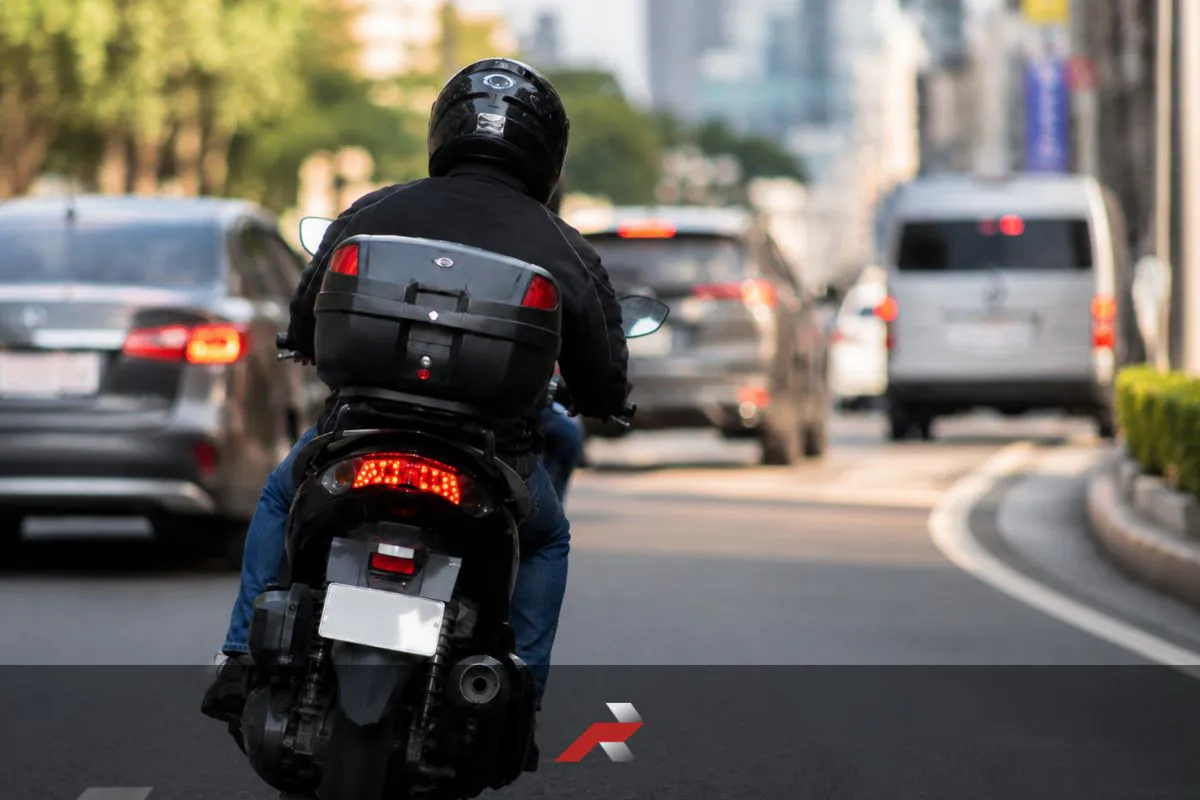
Stainless and acrylic motorcycle backplates serve different rider needs. Stainless options usually make more sense for riders who want stronger support, better rain resistance, and a more durable rear plate setup. Acrylic options may appeal to riders who prefer a cleaner look or lighter backing, but they need careful placement and installation. This guide compares stainless and acrylic motorcycle backplates for Filipino riders dealing with rough roads, rain, traffic vibration, and daily commuting. It also explains what riders should check before buying and when product reviews become useful before deciding.
Stainless acrylic motorcycle backplates are often compared by riders who want better plate support without making their setup look messy or questionable. Stainless usually leans toward durability and rain resistance. Acrylic usually leans toward cleaner presentation and lighter backing, but placement matters more because front-facing plate coverage can raise visibility concerns.
For Filipino riders, the decision should not start with looks alone. The better question is simple: how do you actually use your motorcycle?
A daily commuter passing through potholes, rain, road cuts, and traffic vibration may need stronger support. A weekend rider may only need clean fitment and basic backing. A big bike owner may care about both durability and a finished rear-end look.
This guide compares the practical differences between stainless and acrylic backplate setups in Philippine riding conditions.
Stainless backplates usually make more sense for daily riders because they offer stronger support and better resistance against rain exposure. Acrylic backplates can still work for riders who want a cleaner look, but they need proper placement, careful tightening, and regular inspection.
| Material | Better For | Watch Out For |
|---|---|---|
| Stainless | Daily use, rain, rough roads | Weight and fitment |
| Acrylic | Clean setup, lighter backing | Cracks, scratches, visibility |
| Mixed setup | Balanced support and presentation | Alignment and tightening |
If the motorcycle is used daily, stainless is usually the safer practical choice. If the bike is mostly for weekend rides, acrylic may be enough when installed correctly.
Riders who want the broader ownership explanation behind plate support can read this motorcycle backplate protectors guide before choosing a material.
Stainless backplates are better suited for riders who need stronger support against vibration, rain, and repeated road impact. They give the plate a firmer base and may reduce flex around the mounting holes during daily use.
For Philippine conditions, this matters because the rear plate area faces:
Stainless does not mean zero maintenance. Bolts, washers, and brackets still need inspection. However, stainless generally handles wet conditions better than ordinary metal.
Daily commuters may appreciate stainless more because the motorcycle experiences repeated vibration almost every day. Even short rides can expose the plate setup to rough patches and stop-and-go movement.
Rider Insight: If your route regularly includes potholes or rough asphalt, support should matter more than appearance. A clean-looking setup is nice, but a stable setup saves you from future kalampag drama.
Acrylic backplates are often chosen for cleaner presentation, lighter backing, or a more finished plate setup. They can look neat when installed properly behind the plate, but they are more sensitive to tightening pressure and long-term wear.
The main concern with acrylic is not only durability. Placement matters.
Acrylic behind the plate may serve as support. Acrylic in front of the plate may become a visibility concern if it causes glare, scratches, reflection, dirt buildup, or readability issues.
Riders should check:
For riders already dealing with rattling or loose bolts, it may help to review this loose motorcycle plate guide before assuming acrylic or stainless is the only solution.
The best choice depends on use case. Stainless is better for riders who prioritize durability. Acrylic is better for riders who prioritize clean presentation, as long as visibility and installation are handled properly.
| Rider Type | Better Option | Reason |
|---|---|---|
| Daily commuter | Stainless | Better for rain and vibration |
| Weekend rider | Acrylic or mixed setup | Cleaner look may be enough |
| Touring rider | Stainless | Longer vibration exposure |
| Big bike owner | Mixed setup | Balance of finish and support |
| Rainy season rider | Stainless | Better corrosion resistance |
Scenario A:
A rider commutes through rough city roads five days a week. Stainless support may be more practical because the plate setup faces repeated vibration.
Scenario B:
A rider uses the motorcycle mostly for Sunday rides and tambike nights. Acrylic backing may be enough if it stays behind the plate and remains readable.
Scenario C:
A rider wants a clean rear setup but also rides often. A mixed setup may work, but alignment and bolt pressure need more attention.
Before buying stainless or acrylic motorcycle backplates, riders should check compatibility, material thickness, included hardware, mounting hole alignment, and actual rider feedback. A product that looks good online may still need adjustment during installation.
Check these before deciding:
For riders comparing one actual backplate setup, this motorcycle plate protection review can help explain material expectations, installation purpose, and real-world use case.
Riders who want to compare current product details and buyer feedback can also check this backplate protector listing before deciding.
Usually, yes. Stainless is more practical for rain, vibration, and regular commuting.
Yes. Acrylic may crack if over-tightened or exposed to stress over time.
Acrylic is not automatically the issue. Placement and readability matter most.
Stainless is usually better because it handles moisture and corrosion better.
Not always. Some riders prefer a mixed setup, but simple stainless support may be enough.
Yes. Check bolts, washers, and brackets before blaming the backplate material.
Stainless acrylic motorcycle backplates should be chosen based on riding use, not just appearance. Stainless usually fits daily commuters, rainy season riders, and riders who need stronger support. Acrylic can work for cleaner presentation, but it needs careful placement and should not affect plate visibility.
For most Filipino riders, the better choice depends on three things: road condition, riding frequency, and maintenance habits. If the bike is used daily, choose stronger support. If the bike is used lightly, clean fitment may be enough.
The right backplate setup is the one that keeps the plate stable, readable, and easy to inspect.
Affiliate Disclosure: This page may contain affiliate links. RobiMotoPH may earn a small commission if you purchase through these links, at no extra cost to you. Product evaluations remain based on available details, rider feedback, and practical riding needs.