Skip to content
Contact & Community
📍 Metro Manila, Philippines
🌐 robimotoph.com
✉️ hello@robimotoph.com
📱 +63 917 517 0594
📍 Metro Manila, Philippines
🌐 robimotoph.com
✉️ hello@robimotoph.com
📱 +63 917 517 0594

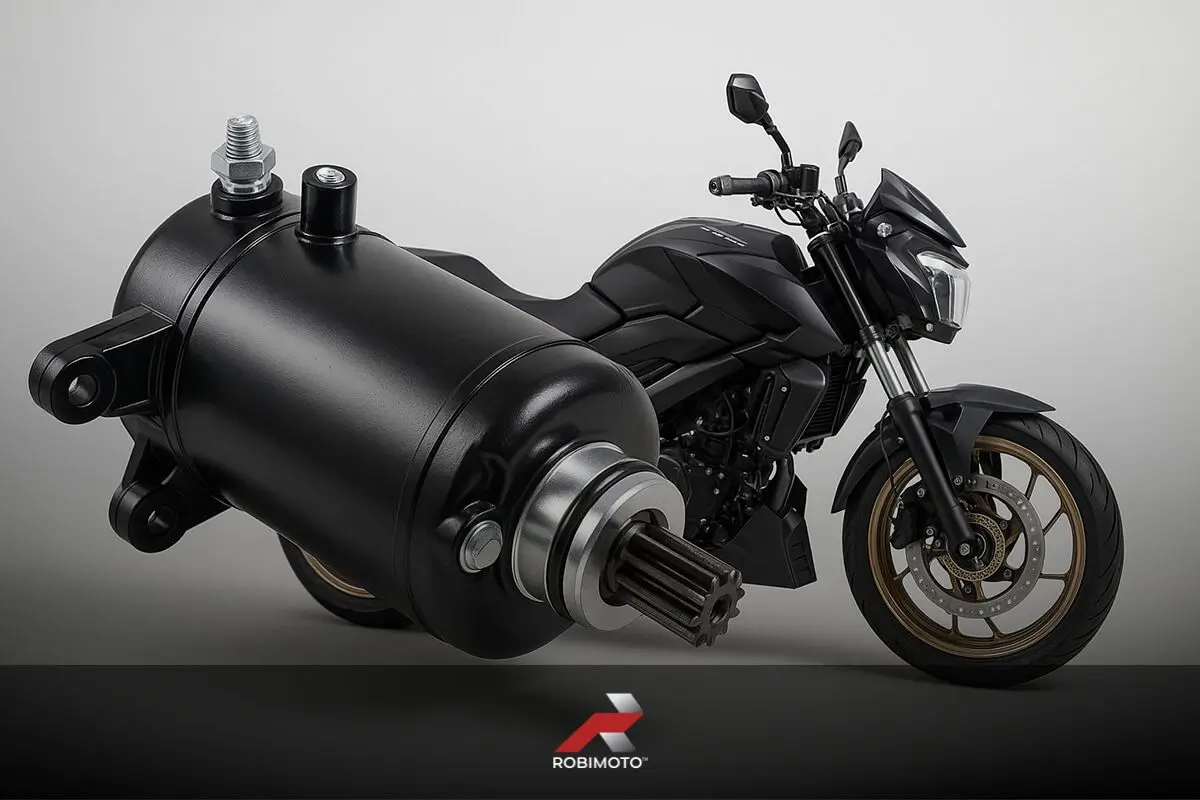
Dominar 400 electrical and starting issues can be frustrating, especially when they leave you stranded without warning. This guide breaks down the most common problems—starter relay failure, battery drain, corroded wiring, sensor malfunctions—and provides practical, rider-tested fixes. Learn how to diagnose symptoms like no crank, flickering lights, or sudden cut-offs. Whether you're a DIY rider or just want to understand what your mechanic is fixing, this article will help you stay prepared. Don’t let minor electrical problems turn into major headaches—stay ahead with proper maintenance and smart troubleshooting tips tailored for Dominar 400 owners in the Philippines.
Dominar 400 electrical and starting issues are among the most frustrating problems riders face. These faults often appear without warning and can leave you stranded even when the engine itself is healthy. This guide explains the common causes, symptoms, and practical fixes based on real-world ownership cases.
Understanding the Dominar 400’s electrical system is critical because it controls ignition, fuel injection activation, dashboard communication, and starter engagement. If a relay fails or the battery voltage drops below safe levels, no amount of throttle input will compensate. Based on reports and owner feedback, recurring starting inconsistencies are usually tied to voltage supply, grounding points, or relay behavior rather than internal engine failure.
Before diagnosing deeper electrical faults, it helps to review foundational inspection habits. Our Motorcycle Maintenance Guide outlines battery care, charging checks, and routine inspection discipline that often prevent starting issues before they escalate.
This article continues from our main post on Dominar 400 engine problems and focuses exclusively on electrical and starting system behavior. If your bike struggles to crank, clicks but does not start, or shuts off unexpectedly, the sections below break down what to check first and why it matters.
For Dominar owners, battery and starting problems should also be checked against the wider maintenance checklist. This Dominar 400 maintenance parts list includes battery, spark plugs, fuses, relays, coolant, chain, and other common PMS items that affect daily reliability.
Owners have identified several recurrent electrical and starting problems with the Dominar 400. Below is a quick list of the typical issues we’ll explore (and their telltale signs):
| ISSUE | CAUSES & SYMPTOMS | ADVICE & QUICK CHECKS |
|---|---|---|
| Starter Motor Failure | Wear, water ingress; clicking noise, no crank | Tap starter gently; if no start, seek mechanic |
| Battery Drain/Failure | Old battery, parasitic drain; dim lights, slow or no crank | Check voltage; replace battery if low |
| Corroded Wiring/Connectors | Moisture, poor maintenance; flickering lights, intermittent start | Inspect/clean connectors; severe corrosion needs mechanic |
| Starter Relay/Solenoid | Faulty relay or coil; no click, no crank | Listen for click on start; replace relay if silent |
| Ignition Switch Issues | Dirt, wear, moisture; intermittent start, dead dash lights | Wiggle key when starting; replace if persistent |
| Blown Fuse/Short Circuits | Overload or pinched wiring; whole bike dead | Check & replace fuse; seek wiring diagnosis if recurring |
| Kill Switch/Sensor Faults | Moisture or sensor faults; bike won’t start | Toggle kill switch; sensor testing by mechanic |
We’ll break down each of these Dominar 400 electrical and starting issues, showing you how to spot the signs before they leave you stranded.
These issues are electrical in nature. They affect the Dominar’s starting system or overall power delivery. In the sections below, we’ll explain causes and symptoms for each problem and then provide expert-recommended fixes. By understanding these, you can diagnose what’s wrong when your Dominar refuses to start or shows electrical oddities.
What exactly triggers these electrical problems, and how can you recognize them? Let’s break down each problem, starting with the most likely causes, followed by usual symptoms, and basic diagnostic clues. This will help you pinpoint the fault when your Dominar 400 acts up.
Starter motor components, such as carbon brushes or the one-way clutch, can wear out over time.
In early Dominar models, some owners reported the starter “one-way bearing” (clutch) needed replacementy.
Overheating or frequent start attempts can also strain the starter. If the starter motor fails to engage the engine, it may be due to mechanical wear or a manufacturing defect.
When you thumb the starter button, nothing happens or you hear just a single click.
In some cases, you might hear the starter motor whir/spin without the engine turning over. A classic sign the starter clutch is slipping or not engaging.
A completely dead starter will produce no sound at all, while a weak one may crank the engine very slowly. If other electronics (lights, horn) are working but the engine won’t crank, the starter motor system is a prime suspect.
Riders have described scenarios where the bike won’t start despite a good battery. Press the button and “the relay sound would play… then a tick sound 10 seconds later” with no engine fire. This often points to the starter motor not doing its job.
First, rule out the battery (ensure it’s fully charged). If the battery is fine but the engine still won’t crank, listen carefully:
If you do hear the starter motor spinning without engine crank, the starter’s one-way clutch is likely faulty.
In a no-crank, no-noise situation where lights are on, the starter itself may have failed or not receiving power.
Tap the starter motor lightly; however, this issue usually necessitates removing it for bench testing.
Use a multimeter to check if power reaches the starter when the button is pressed.
No power could implicate the relay or wiring (covered below), whereas power but no cranking confirms a starter motor issue.
The Dominar 400’s battery can drain for several reasons. A faulty charging system is a common one. If the stator coil (“dynamo”) or regulator/rectifier is bad, the battery isn’t replenished while riding. (One owner had to replace the “magneto stator” after repeated low-battery issues.)
Parasitic battery draws, such as incorrect wiring or short circuits, can cause overnight drains.
Simply leaving the bike unused for long periods can discharge a battery (especially if it’s an older battery).
Vibration can loosen battery terminal connections over time, effectively reducing charging and starting power.
The battery may be weak or defective, sometimes failing suddenly and unable to hold a charge.
You may notice the bike was fine yesterday, but today the battery is too weak to crank the engine. Rapid clicking or dimming of the instrument cluster when starting typically indicates a discharged battery.
In other cases, the bike starts and runs, but the battery dies again soon. Riders experiencing this have reported that after installing a new battery. It ran for a short while then wouldn’t crank the engine again. Indicating an underlying issue like the stator or relay, not the battery itself.
Another symptom of battery/charging issues on the Dominar is the dashboard resetting or flickering while riding. Which can mean the battery isn’t being charged. If a battery warning light or check-engine light for charging system comes on, that’s an obvious clue.
Also, dim headlights or weak horn while the engine is off (or at idle) hint at a weak battery. In summary, if your Dominar 400’s battery frequently dies, check for charging system faults or electrical drain.
Start by testing the battery voltage. A healthy fully charged battery reads ~12.6V; anything much lower (e.g. 12.0V or less) means it’s partly discharged.
Load-test the battery by turning the key on. If the headlight is very dim or instrument cluster won’t even initialize, the battery is likely dead. Charge the battery, then measure voltage with the engine running; it should be 13.5–14.5V at 2,000 RPM. If it stays at 12V or drops, the stator or regulator/rectifier may be bad, not charging the battery. Inspect battery connections; loose or corroded terminals can simulate a failing battery by restricting flow.
If the battery drains overnight, one diagnostic trick is to disconnect the negative terminal when parking. If the battery stays strong off the bike, then something on the bike is drawing power when it shouldn’t.
Owners have also noted that a failed starter relay can sometimes cause a parasitic drain on the battery.
In summary, check the battery condition, charging output, and any electrical faults that may drain power.
The Dominar 400 wiring harness plays a critical role, and many Dominar 400 electrical and starting issues stem from worn or corroded wires.
Corrosion from moisture, such as rain or unprotected washing, can rust bike connectors and impede current flow.
Moisture, corrosion, and vibration contribute to Dominar 400 electrical and starting issues, especially during the rainy season. One rider noted that during heavy rain, his indicator lights started flashing on their own due to a short. Also, wiring can suffer wear and tear. Vibration may chafe wires against the frame, eventually exposing a wire and causing a short to ground.
Connectors might not be fully seated or could loosen over time, causing intermittent connection.
In some unfortunate cases, rodents have chewed on motorcycle wiring. The Dominar 400 is not immune to this, as one owner found several wires gnawed through under the seat. Poor aftermarket modifications can also introduce wiring faults. Essentially, any break in the wiring’s integrity. Be it from corrosion, physical damage, or poor connections, can lead to electrical gremlins.
Wiring issues often show up as intermittent problems. You might experience sudden power losses or erratic behavior that comes and goes. Common signs include: flickering lights or dash when hitting bumps. The bike suddenly dying as if the key was turned off, or certain functions not working consistently.
If a particular circuit’s connector is corroded, that device may function weakly. In the case of the Dominar owner with rodent damage, he noted the fuel pump would prime but pressing the starter did nothing. Even though lights and horn worked. This pointed to specific wires (the starter circuit) being cut.
Another symptom is blowing fuses repeatedly. A blown fuse upon replacement indicates a shorted wire in the circuit. Corrosion in connector pins can also mimic a failing component. A corroded neutral switch connector may prevent the bike from recognizing neutral (no green “N” light). Causing starting issues even though the actual sensor is fine.
In summary, suspect wiring troubles if you see inconsistent electrical behavior. Things that work one moment and not the next, or a certain electrical function failing while others are fine.
Inspect and isolate. Begin with a visual inspection of accessible wiring. Look under the seat, around the battery, and behind side covers for any obvious damage or corrosion. If you find a corroded connector, that’s likely causing high resistance. Disconnect the battery and then clean the connector.
Gently wiggle wire bundles while the bike is on. Does it cause the dash to flicker or the engine to stutter? If yes, you’ve narrowed down the problematic area.
Focus on areas prone to pinching or water exposure. The handlebar switchgear connectors, the fuse box, battery terminals, and any wiring running along the frame.
A loose ground wire can result in complete electrical power loss. Ensure ground points are tight and free of rust.
Use a multimeter if you have one: check for continuity on suspect wires and for proper voltage reaching various components. If a particular system isn’t working (say the starter motor), check the wiring to it for continuity.
To identify the harness section that triggers the fuse on a short circuit, remove connectors one at a time. Although it can take some time, this is the most reliable method for locating a shorted wire or component.
If the wiring issue persists, consider having a professional perform a thorough continuity and load test on the harness. The key is patience; intermittent wiring issues are notoriously difficult, so regular testing is essential.
The starter relay is the electrical switch that handles high current to the starter motor. When you press the starter button, the relay closes to connect the battery to the starter.
Over time, the relay’s internal contacts can burn or corrode, causing it to fail. A stuck or failed relay might either not close at all or in rarer cases stick in the closed position. Heat and vibration near the relay contribute to wear. Sometimes the coil inside the relay burns out, meaning it won’t click or function.
Manufacturing defects or water ingress can also cause a relay to act up. Many bikes have the main fuse integrated with the starter relay; issues there can blow the fuse.
A classic symptom is pressing the starter button and just hearing a single “click” each time, with no engine crank.
That “click” is likely the relay engaging. But if its internal contacts are burnt, the starter motor doesn’t actually receive power.
In other words, you get a “tick” or “kirch” sound but the engine doesn’t turn over.
Another scenario: no sound at all when pressing start, which could mean the relay’s coil isn’t even energizing.
Interestingly, a bad relay can sometimes cause battery drain. If its internal mechanism shorts, it may create a parasitic draw or partially engage the circuit.
A telltale sign of a stuck relay is if the starter motor keeps cranking after you’ve released the starter button. This is rare but very dangerous, and it means the relay is welded “on”.
In such a case you’d have to quickly disconnect the battery to stop the starter. A moderator noted that a faulty starter relay on the Dominar 400 can hinder starting and quickly drain the battery.
Riders often confuse relay issues with battery problems. You hit start, get a click and no crank – many assume the battery is dead.
If you know your battery is good yet you only get clicking, the relay or starter is suspect.
If the bike starts with a push but not with the starter, the issue likely lies in the starter circuit. Particularly the relay, assuming the battery and starter motor work.
Listen and test. When you press the starter, do you hear the relay click? The relay on the Dominar is typically near the battery.
If you hear a strong click each time you press the button, the relay coil is working. The fault may lie in its output contacts or the starter motor.
If there’s no click, either the relay is not getting a trigger or the relay itself is dead. You can test the relay in a few ways.
A simple method: turn the key on and short the two big terminals of the relay with an insulated screwdriver. If the starter motor cranks when you do this, it confirms the battery and starter are okay and the relay is the problem.
Another method: use a voltmeter – when pressing start, you should see battery voltage on the starter’s side of the relay.
If you get a click but zero volts output to the starter, the relay isn’t making internal contact and likely needs replacement.
Also check the relay’s fuse (if present); a blown main fuse will prevent any action. Sometimes tapping the relay can free stuck contacts temporarily. If the bike starts after tapping the relay, that’s a clear sign the relay is faulty.
Keep in mind the relay only affects the cranking; if your issue is that the engine turns but doesn’t fire, the relay isn’t your culprit.
In summary, diagnose a starter relay by the presence or absence of the click and using bypass or voltage tests. Given that a failed relay mimics a dead battery or bad starter, confirming it is key. It’s often a relatively cheap part to replace if in doubt.
The main fuse is a single fuse (often 30A) that protects the bike’s entire electrical system. A surge or short circuit can blow this fuse in an instant.
Common causes of a blown main fuse include shorted wires, component failures, and improperly installed accessories.
Worn wire insulation contacting the frame creates a high-current path, blowing the fuse to prevent fire.
Adding aftermarket electricals to the Dominar 400 without proper fusing may cause the main fuse to blow due to wiring errors.
Additionally, if the battery terminals are connected backwards even momentarily, the main fuse will blow.
A pinched harness when reassembling parts of the bike can also squash wires and cause shorts. A blown sub-fuse, such as the ignition or lights fuse, may cause similar effects as a blown main fuse.
In essence, a fuse blowing is a symptom of an underlying short or overload.
A blown main fuse on the Dominar results in total electrical power loss.
It’s as if the battery was removed. A blown fuse, like the starter or headlight fuse, will disable that specific function. For example, a blown starter fuse prevents starting, while a blown headlight fuse stops the headlamp but the bike may still run.
A blown fuse often causes sudden failures, such as a bike that won’t start or non-functioning indicators.
A burnt plastic smell near the fuse box may indicate a blown fuse, but it’s not typical. Repeatedly blowing fuses signify a persistent short circuit or faulty component.
For instance, a blown ignition fuse when turning the key suggests a dead short. Symptoms vary from complete bike failure to specific system issues, depending on the blown fuse.
Any unexplained, simultaneous loss of multiple electrical functions is a strong hint of a blown fuse or major short.
If everything is dead, always check the main fuse first. On the Dominar 400, the main fuse is typically located near the battery (often attached to the starter relay).
Remove it and look if the metal strip inside is melted/broken – if yes, it’s blown.
Likewise check the fuse box for any visibly blown fuses. Use the fuse diagram in your owner’s manual to find relevant fuses. Replace a blown fuse only with the same amp rating (e.g., 30A main fuse with another 30A).
If the new fuse blows immediately, you have a direct short. Try to recall any recent changes: did you install any electrical accessories or perform maintenance that involved unplugging wires?
Focus on that area. For instance, if you recently serviced the handlebars or headlight and now the fuse blows, maybe a wire got pinched.
One approach to find a short is to disconnect components one by one and try a new fuse each time.
When the fuse stops blowing, the last disconnected thing was likely the culprit. Use a multimeter on resistance or continuity. With the battery disconnected, check for continuity between the positive line and ground; if present, there’s a short.
For intermittent fuse issues, inspect the wiring harness for chafing in tight areas or near the steering head.
Fuses protect against overcurrent; avoid bypassing or using a higher-rated fuse to prevent wiring damage or fire.
If you’re stuck and must ride, it’s safer to fix the wiring or use the correct fuse.
Ultimately, finding a short can be detective work. Inspect common failure points, including headstock wiring, under the tank, and wet or dirty connectors.
Modern motorcycles have several safety interlocks that can prevent the engine from cranking or running under certain conditions.
The engine kill switch on the right handlebar is one – if it’s off, the starter circuit is disabled. Riders sometimes accidentally leave the kill switch in the off position.
If the kill switch itself fails (due to internal corrosion or wear), it may cut ignition even when in the “run” position.
Other sensors include the side stand switch and the clutch switch.
A faulty side-stand switch can incorrectly signal that the stand is down even when it’s not, thus killing the ignition whenever you try to shift into gear, or on some bikes it may prevent starting entirely unless you hold the clutch.
The neutral switch (gear position sensor) also plays a role – if it fails to recognize neutral, the bike might think it’s in gear and enforce the clutch/stand rules.
For instance, after a flood incident a Dominar’s neutral sensor/wiring went bad, causing the bike to only start with the clutch pulled in even when in neutral.
Additionally, there’s an angle (tip-over) sensor on many bikes that stops the engine after a crash – if that sensor malfunctions, it could erroneously cut power.
Essentially, any of these sensor/switch failures will “tell” the bike not to start for safety reasons.
If the kill switch is off, the engine won’t crank at all – usually the dash will light up but nothing happens when you hit the starter.
It’s literally as if the bike is dead even with the key on, aside from the dash.
If the kill switch is faulty, you may get intermittent cutting out: e.g., the bike might suddenly die as if you hit the kill switch, or not start until you flick the switch a few times.
A failing kill switch can be hard to distinguish from ignition switch issues, but tends to only affect the engine (lights stay on, but engine stops).
For the side stand sensor, a classic symptom is the bike cranks and starts in neutral but dies as soon as you click into gear.
This means the sensor is falsely reporting the stand down, triggering the cut-off.
Or you might not be able to start the bike in neutral at all if the logic is confused. On some bikes if the neutral light doesn’t come on (bad neutral switch) and the stand is down, you can’t start even in neutral.
The neutral light itself is a symptom: if your bike is in neutral but the green “N” indicator is off, the ECU thinks it’s in gear. As noted, one Dominar owner had to always press the clutch to start because the bike never showed neutral due to sensor damage.
A failed clutch switch will typically show up when you try to start in gear with the clutch lever pulled – if the bike won’t even attempt to crank in that scenario, the clutch switch may be bad (you can test by shifting to neutral and see if it starts then).
A bad clutch switch can also confuse the ECU and sometimes cause error codes.
The tip-over sensor rarely fails, but if it does, it might prevent the bike from starting at all (you’d get a specific error code if the Dominar has one for this).
In summary, symptoms of safety sensor issues include: engine not cranking despite everything seeming OK, stalling when engaging gear, and having to operate controls (stand/clutch) in unusual ways to get the bike to start.
If everything electrical seems fine (battery good, etc.) but the bike acts like it’s being “told” not to start, suspect one of these interlocks.
Always check the kill switch position first – it sounds trivial, but it’s an easy miss (many riders have panicked over a non-starting bike only to find the kill switch was accidentally hit).
If the kill switch is on but no start, you might test the switch by toggling it a few times or bypassing it (consult a wiring diagram – usually two wires that you can temporarily connect to simulate “run”).
For the side stand, observe the neutral light and stand position: Try starting in neutral with stand up versus down – normally, the bike should start in neutral regardless of stand.
If it only starts with stand up even in neutral, the side stand switch could be faulty.
If it dies when engaging first gear (and stand is definitely up), that switch or its wiring is a likely culprit. You can test a side stand switch by locating it (usually near the stand pivot) – ensure its plunger or sensor is moving freely.
Many riders temporarily bypass the side stand switch for testing by unplugging it and shorting the connector (for a switch that is normally closed) or leaving it open, depending on design. Only do this for testing, as bypassing removes the safety mechanism.
For the clutch switch, try starting in neutral (which doesn’t require the clutch on many bikes) – if it starts in neutral but not in gear with clutch in, the clutch switch might be bad.
You can also look at the clutch lever perch for a little button or wires – make sure it isn’t damaged or stuck.
The neutral switch can be observed via the neutral light: if neutral light never comes on, even if you are in neutral, that sensor might be bad or the wiring to it.
On the Dominar, the neutral switch is in the engine; if suspected, it might need a mechanic to test/replace.
One trick: most bikes will crank if either they are in neutral or the clutch is pulled in with stand up.
So if you’re having starting issues, try the combination of clutch in and stand up (essentially overriding the neutral requirement) – if it then starts, it points to a false “safety” condition being detected (like the bike thought it was in gear or stand down before).
For tip-over sensor, check your instrument cluster for any error code or consult the manual on how to diagnose it (some bikes allow reading diagnostic codes indicating tip sensor issues).
In all cases, diagnosing sensors often comes down to ruling these scenarios in or out by replication: does the behavior change when conditions change (clutch in, stand up, etc.)?
If yes, then one of those switches is likely at fault.
A visit to a service center with a diagnostic tool could read any sensor fault codes from the ECU, quickly pinpointing a bad safety interlock.
But with careful observation, you can usually identify which switch is misbehaving.
In summary, understanding the above causes and symptoms will drastically narrow down why your Dominar 400 might be having electrical or starting trouble. For instance, if nothing at all happens when you press the starter, experienced riders note it’s often due to a blown fuse, bad relay, or dead battery. If the starter hums but the engine doesn’t turn, a slipping starter clutch or weak battery is likely. And if the engine cranks but refuses to fire up, the cause might lie outside the electrical system (fuel or engine issues – see our engine problems guide). Next, we’ll move on to fixing these issues.
Now that we’ve identified the common problems and their symptoms, let’s focus on corrective action.
Some fixes are straightforward DIY tasks. Others require proper diagnostic tools or professional experience. The key is identifying whether the issue is voltage supply, starter relay behavior, grounding failure, or sensor inconsistency.
If your Dominar cranks slowly, clicks repeatedly, or starts inconsistently when cold, review our Hard Starting Issues: Causes and Practical Fixes for Dominar 400 Riders for a deeper breakdown of battery load testing, fuel delivery checks, and ignition system verification.
We will cover practical remedies where appropriate and clearly indicate when professional inspection is the safer option.
If Kawasaki or Bajaj released updated parts or service advisories for known starting concerns, those should always take priority over improvised fixes.
Before attempting any repair, disconnect the battery, starting with the negative terminal, to reduce the risk of short circuits.
Keep a basic toolkit available. The owner’s manual also helps identify fuse locations and relay positions quickly.
Electrical troubleshooting requires patience. Rushing often creates new faults instead of solving the original one.
Here are the fixes, issue by issue:
In most cases of a bad starter motor or one-way clutch, the fix is to repair or replace the faulty part.
Starter motors can sometimes be rebuilt – for example, replacing worn brushes or the starter clutch mechanism.
However, given the Dominar’s starter is a sealed unit, replacement is often more straightforward. Ensure the battery and relay are fine before concluding the starter is bad.
If the starter spins without engaging, the one-way clutch (starter drive) likely needs replacement – this is a mechanical fix inside the engine’s side cover, best done by a professional unless you’re experienced (it involves accessing the flywheel and starter gear).
Bajaj had improved the starter assembly in later Dominar models, so if you have an older model (2017–2018) with chronic starter issues, consider upgrading to the latest spec starter motor.
For instance, some early owners had the starter motor and one-way clutch replaced under warranty with updated parts.
DIY fix: You can attempt to clean the starter motor if it’s mildly stuck – sometimes tapping it can free stuck brushes temporarily.
But ultimately, a failing starter or clutch requires part replacement. It’s wise to source a starter motor.
Installation involves removing the left engine cover – if you’re not comfortable with engine internals, take it to a mechanic.
After installing a new or rebuilt starter, the Dominar should crank robustly.
Always double-check electrical connections to the starter – a loose main cable can also cause no-crank issues.
If your battery is repeatedly dying, start with the simplest fix: test and replace the battery if needed.
Sometimes an old battery just won’t hold charge – installing a fresh, high-quality battery with the correct specs (12V, similar or higher CCA as stock) solves the problem.
In fact, upgrading to a battery with a higher cold-cranking amps rating can improve starting on the Dominar.
However, if a new battery also drains, you must address the charging system.
Check the stator and regulator/rectifier: Using a multimeter, measure the charging voltage as described earlier.
If it’s low or zero, you likely need to replace the stator coil or the regulator. These are not typically DIY for novices, but a qualified mechanic can test each and swap in a new stator (located under the engine cover) or regulator (usually a small finned box, possibly near the front).
There have been cases of burnt stator coils on similar 373cc engines – replacing the stator fixed the battery charging issues.
Ensure all ground connections from the engine to the battery are clean and tight (a bad ground can mimic charging failure).
Also, inspect for any aftermarket device that might be drawing current (e.g., alarm systems, USB chargers); install a dedicated switch or relay for those or disconnect them to see if the battery drain stops.
Another fix for parasitic drain is using a battery maintainer when the bike sits for long periods – a smart charger will keep the battery topped up and healthy.
For sudden total battery failure (no prior symptoms), always check the main fuse – a blown main fuse can make it seem like the battery is dead when actually it’s a fuse cut-off.
In summary, the fixes involve either replacing the weak battery, repairing the charging system (stator/regulator), or eliminating any abnormal power drains.
Once fixed, you should be able to leave the bike parked for days and still have it start strong.
Proper battery maintenance helps prevent several Dominar 400 electrical and starting issues, especially those caused by loose or corroded terminals.
Fixing wiring issues can range from very simple (tightening a connector) to complex (replacing a section of harness).
Start with the basics: clean and secure all connectors. Locate any corroded connectors you identified – disconnect them and clean the pins with electrical contact cleaner.
You can use a small brush or even a pencil eraser on pins to remove oxidation.
After cleaning, applying a bit of dielectric grease before reconnecting helps prevent future corrosion.
If you found loose connections (like a halfway-unplugged socket or a ground screw that was not tight), firmly reconnect/retighten them.
For frayed or broken wires, the best fix is to solder in new wire sections or use proper crimp connectors with heat-shrink tubing for insulation.
For example, the owner with rodent-damaged wires had to splice in new wire to replace the chewed sections – after doing so, the starter circuit was restored.
Ensure any repair is well-insulated – use heat-shrink tubing over splices, and route wires the same way they were originally to avoid pinching.
If a particular harness section is badly damaged or if multiple wires shorted and melted, you might opt to replace that sub-harness (for instance, many bikes have separate harness pieces for the handlebar controls, etc., which can be replaced without swapping the entire loom).
Use zip ties to secure loose wiring away from moving parts or hot areas. In the case of water-related issues, identify where water might be ingressing – e.g., the indicator shorting in rain.
Seal exposed connectors with dielectric grease or even silicone sealant if appropriate, and for add-on parts like an aftermarket flasher, consider relocating them to a drier spot or using a waterproof casing.
If your Dominar’s wiring issue is due to an aftermarket accessory, you may need to rewire that accessory correctly (preferably via a relay and its own fuse) or remove it to restore stock reliability.
For persistent intermittent issues that you can’t visually find, one strategy is to have a professional do a continuity test on the harness or hook the bike up to diagnostic equipment that can detect faults (some shops have tools to measure voltage drops across circuits to find high resistance spots).
In summary, the fix is to restore solid connections: clean corrosion, tighten grounds, repair broken wires, and eliminate shorts.
After fixes, do a thorough test – turn the bars lock to lock, bounce the bike a bit, ride in a parking lot – to ensure the electrical system remains stable (no flickering or cutouts).
Electrical tape is a temporary fix for insulation, but for trustworthiness, proper soldering or crimping and heat-shrink are recommended.
By addressing the wiring, you eliminate those mysterious gremlins and ensure consistent performance.
Pro tip: If you add any future electronic accessories, always tap into wires using proper connectors and avoid stripping large sections of insulation. Also, consider spraying a moisture repellent like WD-40 Specialist or CRC into switchgear and connectors during regular maintenance to fend off corrosion.
Given its critical role, many riders simply replace a suspect starter relay because it’s a relatively inexpensive part.
If your diagnostics point to a bad relay (e.g., you get a click but no output to starter, or the relay doesn’t click at all when it should), the straightforward fix is: install a new starter relay.
The relay on the Dominar 400 is usually a small box with two thick cables (one from battery, one to starter) and a couple of thin wires for the trigger – it can often be unplugged and swapped out in a few minutes.
Make sure to get the correct replacement (the OEM Bajaj relay or a quality equivalent, as per the Dominar’s service manual).
Before replacing, you could try a couple of quick tricks: remove the relay and clean its contacts (the connectors) – sometimes corrosion on the plug can mimic a bad relay; also check the tightness of the cable connections on it.
In some cases, tapping the relay or shaking it can free stuck contacts – if you did that and the bike started once, that’s confirmation to replace it. When installing a new relay, also replace the main fuse (if it’s part of the relay assembly) or at least verify the old one isn’t weakened.
DIY tip: You can test the old relay on the bench by applying 12V across its small terminals and seeing if it clicks and allows continuity across the big terminals – but even if it “clicks,” it may not pass enough current if contacts are burnt, so a new one is still the best bet if issues were present.
After replacement, the bike should crank normally if that was the cause. One more thing: ensure the battery is fully charged when testing a new relay – a weak battery can give false impressions of a bad relay.
Also, if a relay failed, consider why – if it’s just age/use, fine; but if it melted due to say an over-current, double-check that the starter motor isn’t partly shorted or that there isn’t a wiring issue that caused an abnormal load.
Generally though, replacing the relay is a quick cure for the no-crank-click problem.
Carrying a spare small relay on long tours is not a bad idea either, as they’re cheap insurance.
Fixing an ignition switch can be a bit involved. If the issue is minor (like debris in the key slot or light corrosion), a temporary fix is to spray a contact cleaner or WD-40 into the keyhole, then insert and turn the key repeatedly to help clean the internal contacts.
This can clear out dirt or moisture. Some riders also use a graphite-based lock lubricant for the mechanical part of the key cylinder, but for the electrical contacts, a proper electronic cleaner is better.
If that doesn’t solve it, you may need to access the ignition switch wiring.
Many bikes mount the electrical portion of the ignition switch using security bolts to prevent easy removal. So, removal might require specialized tools or drilling out bolts.
Assuming you can remove it, you might find corroded contacts to clean or solder points that require reflowing. However, for most users, the reliable solution is replacement of the ignition switch.
This often comes as part of a lock set (with a new key).
Replacing it will require you to also swap the fuel cap lock and seat lock if you want a single key, which is a bit of work.
If the Dominar’s ignition switch wiring was simply loose (e.g., a connector partially unplugged under the tank), then obviously reconnecting it firmly is the fix.
Also check if the switch’s wires have any breaks – you can splice and repair as needed (though ensure the wire gauge and connectors are adequate, since the ignition switch handles the bike’s main power).
Because the ignition switch is so central, any fix must be robust – a sketchy repair could stall the bike at an inopportune time.
If you’re not confident in doing it right, it’s best to have a mechanic replace the switch assembly.
Once fixed or replaced, the electrical power should be consistent.
As a preventive measure, try not to overload your keychain and avoid spraying water directly at the ignition switch area.
For those technically inclined, adding a relay kit so the ignition switch doesn’t carry full current (basically using the key to trigger relays that power the bike) can extend the life of the switch – but that’s an advanced mod beyond the scope of most owners.
In summary, clean the ignition switch contacts if possible, secure its wiring, and if problems persist, replace the switch to restore reliable operation.
The immediate fix for a blown fuse is straightforward: replace the fuse with one of the same rating.
The Dominar’s fuse box (likely under the seat) should have spare fuses – use those if available.
For a blown main fuse, you may have a spare attached next to it from factory; otherwise, always carry spares (30A, 15A, 10A common values).
However, simply replacing a fuse without addressing the cause means it could blow again. So, alongside replacing, you need to address the short circuit.
If you identified a specific wire or part causing the short, repair it as described in the wiring fixes (insulate it, re-route it, or replace it).
For example, if the taillight wire was squashed under a seat bolt causing a short, reposition the harness and tape it up before inserting a new fuse.
If an accessory caused the blow, fix that wiring or add an inline fuse for that accessory to isolate it. It’s also possible a component like a regulator or bulb shorted internally. In such cases, replacing that component is the solution.
DIY electrical checks: After replacing a fuse, before riding off, test all functions. Turn on indicators, brake light, etc., to see if any action triggers the fuse blow.
If the fuse holds and everything works, it might have been a one-time surge.
If a fuse blows under certain conditions, keep that system off or unplugged until you fix it (e.g., avoid using high-beam if it blows its fuse).
Never replace a fuse with a higher amp one or, worse, a solid wire. This can cause wiring damage or fire.
If you’re in a pinch and fuses keep blowing, it’s better to trace and disconnect the offending circuit and then ride to a garage, rather than bypassing the fuse.
In summary, the fix is: replace the fuse, then eliminate the cause of overload/short.
Once you’ve done so, your fuses should stop blowing. Periodically inspect the wiring harness at stress points to catch insulation wear before it causes shorts.
And when doing maintenance, be cautious not to pinch any wires under seats or tank – double-check clearance before tightening bolts.
For the kill switch, often the problem is grime or oxidation on the contacts.
A quick fix is to spray contact cleaner into the switch housing and clean the contacts. This usually restores functionality if the issue was minor.
If the kill switch is physically broken or severely corroded, you may have to replace that right-hand switch assembly.
Always verify after cleaning that in “Run” position the continuity is solid. Some riders avoid using the kill switch often to extend its life, preferring to shut off with the key instead.
For the side stand switch, if it’s sticking or misaligned, you can often adjust it. Clean any dirt around the plunger and ensure the spring mechanism moves freely.
If it failed electrically, you can replace it (usually a simple unbolt and unplug job).
In a pinch, to get home, a faulty side stand switch can be bypassed by connecting its wires together or leaving them apart, consult a wiring schematic.
Just remember to fix or replace it properly afterwards, since it’s a safety feature.
For the clutch switch, check that the little pin that the clutch lever presses is not broken.
Adjust the clutch lever free-play as per spec, because too much slack might not engage the switch.
If needed, replace the clutch switch (they are usually inexpensive).
As for the neutral switch, replacement is a bit more involved (often requiring draining oil and opening a side cover to access the sensor).
If you’re getting false neutral indications or none at all, a new neutral sensor might be needed. Consider having a service center handle that unless you’re comfortable doing an oil change and minor internal work.
One trick if a neutral light won’t come on: sometimes the sensor is just gummed up or its contact bad. An oil change can occasionally help if it was a mechanical issue, or simply reseating its connector might fix an electrical issue.
Tip-over (Bank Angle) sensor: If you suspect it, ensure the sensor is mounted correctly.
You can test by tilting the bike or the sensor (with the bike on but not started) – it should cut power at a certain lean angle.
If it’s triggering too easily or erratically, you may need to replace it. In general, once you repair or replace the faulty sensor or switch, the bike should start normally under the proper conditions.
After any such fix, test the interlocks. Confirm that you cannot start with the stand down in gear. That the neutral light comes on appropriately. And that the kill switch indeed kills and allows starting as it should.
These verifications ensure that the safety systems are all working in harmony.
Finally, always be mindful of these switches in everyday use. For example:
By following the above fixes tailored to each issue, you can resolve most Dominar 400 electrical and starting problems. If you’re unsure about a fix, take the bike to a qualified mechanic.
They have the tools (and sometimes diagnostic computers) to quickly pinpoint and fix complex electrical gremlins.
Additionally, check with your dealer if there have been any recalls or service campaigns. If Bajaj/Kawasaki updates the wiring harness, you might receive a free fix.
Now, let’s address some specific questions owners often ask about Dominar 400 starting troubles.
Even with a new battery, your Dominar 400 may not start due to common electrical issues like:
– A faulty starter relay (clicks but no crank)
– A bad kill switch or blown main fuse (no sound or dash response)
– Loose battery terminals or a poor ground connection
– Safety interlocks (side stand down or clutch not pulled in)
If the engine cranks but doesn’t fire, it might be a fuel or engine issue instead—check our engine troubleshooting guide.
Generally, no—you shouldn’t ride with a blown fuse. If it’s the main fuse, the bike won’t start at all. Smaller fuses (like for headlights or radiator fans) may allow the bike to run, but essential functions will be compromised—making your ride unsafe and possibly illegal.
Never install a higher-amp fuse to force it. Replace the correct fuse and fix the root cause first. Blown fuses signal deeper Dominar 400 electrical and starting issues that need immediate attention.
To rule out Dominar 400 electrical and starting issues, you can test the starter relay in four ways:
1. Click Test: Press the starter button. If you hear a click, the relay coil works.
2. Bypass Test: Bridge the two large terminals. If the bike cranks, the relay is likely bad.
3. Voltage Test: Use a multimeter. No output to the starter = faulty relay.
4. Bench Test: Apply 12V to the relay off the bike. No click or continuity = replace it.
If any test fails, replace the relay—it’s cheap and commonly causes starting issues.
According to experienced mechanics, the most frequent Dominar 400 electrical and starting issues include:
– Weak or dead batteries (especially with added accessories)
– Starter relay or motor failure
– Corroded or loose wiring connections
– Faulty side stand, clutch, or kill switch sensors
– Charging problems due to stator failure
– Blown fuses from poorly installed accessories
Most of these problems are easy to diagnose and fix once you know the warning signs.
Corroded connectors are a common cause of Dominar 400 electrical and starting issues, especially when starting becomes unpredictable.
– Corrosion acts like an insulator, blocking current flow.
– It causes voltage drop, which can prevent the starter from cranking.
– Symptoms include dim lights, flickering dash, or no response when pressing the start button.
– Vibration, moisture, or heat can make the issue come and go.
The fix? Clean or replace corroded terminals—especially at the battery, starter button, and ground points.
Prevention is always better than cure – especially with electrical systems.
By taking some simple maintenance steps, you can avoid many of the issues discussed.
Here are practical preventive tips to keep your Dominar 400’s electrical and starting system healthy:
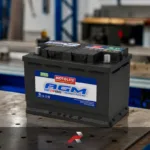
Perform a battery health check at least once a month. Clean the battery terminals and apply a thin coat of dielectric grease to prevent corrosion. Ensure the terminals are tight.
If you don’t ride often or only do short trips, use a smart battery maintainer to keep the battery charged.
Avoid running high electrical accessories with the engine off, which drains the battery.
Also, consider replacing the battery proactively every 2-3 years. Modern batteries often give little warning before failing, so don’t push it to the bitter end.
A strong battery puts less strain on the starter and relay.
During your regular bike wash or service, spend a few minutes to inspect connectors and wiring.
Key areas: the fuse box, the connectors under the tank, handlebar switch connectors, and ground points. If you see any signs of corrosion (discoloration) or water, use contact cleaner to clean them.
It’s wise to use dielectric grease on connector pins after cleaning – this grease is non-conductive but seals out moisture.
For the Dominar, pay attention to the regulator/rectifier connectors and the stator connector (if accessible), as those carry charging current.
Keep connectors snug – if you ever unplug something, make sure it clicks firmly when re-plugged.
As a general rule, avoid direct high-pressure water spray at the instrument cluster, switches, and electrical components.
If you ride in heavy rain, inspect and dry any accessible connectors that you drenched afterward.
Some riders even wrap critical connectors with self-fusing silicone tape for weather-proofing.
Every few thousand kilometers (or during big services), do a quick wiring harness inspection.
Look for any wires that are rubbing against the frame or sharp edges.
The Dominar’s harness usually follows a clean factory routing, but some wires often end up out of place after maintenance.
Prevent Dominar 400 electrical and starting issues by ensuring wires near the steering head don’t get pinched when turning the handlebar. Tightly secure the side stand switch wiring and other sensor wires to prevent them from hanging low or catching road debris.
If you add any gadgets to the bike, route their wires carefully and use proper wire loom or tubing to protect them.
A bit of preventive taping up can stop a future short circuit.
The handlebar switches (kill switch, starter button, turn signal switch) tend to accumulate dust and sometimes moisture.
It’s a good idea to operate them a few times even when you don’t need to, just to keep the contacts clean (for example, flick the kill switch off and on, press the starter button when the bike is off to move its contact surfaces).
You can use a special electrical contact cleaner spray or even a little WD-40 to keep these switch contacts in good shape.
Note: Use electronics cleaner rather than excessive WD-40 on things like the ignition key slot and kill switch to avoid gumming them up. Some products specifically maintain switchgear.
While the Dominar 400 handles rain well, prolonged moisture exposure accelerates electrical issues.
If you regularly park outside, consider using a bike cover to keep rain off, especially covering the top of the tank (where the ECU and main connectors often reside) and handlebar area.
After washing the bike, use compressed air or a leaf blower (at gentle setting) to blow out water from crevices around switches, spark plug area, etc.
Also, avoid parking the bike in a manner where water can pool (for instance, long-term parking on side-stand under heavy rain might allow water to seep into the switchgear on that side).
If you don’t ride frequently, try to start the bike at least once a week and let it run for a few minutes (or better yet, go for a short ride).
This keeps the battery charged and also keeps the alternator, starter, and other electrical components in use, which is generally good.
Engines that sit for very long unused can develop more condensation in electrical connectors and mechanical parts.
However, if you do start the bike, ensure you run it long enough to recharge what you used to start it (or use a charger).
And as the engine runs, the heat can help dry out any moisture in the electrical system.
If you plan to install accessories (like heated grips, auxiliary lights, or a phone charger), do it in an electrically responsible way.
Use a relay tapped to the ignition so that accessories don’t draw power when the bike is off (preventing battery drain).
Fuse each accessory appropriately. There are plug-and-play wiring harness kits for lights, etc., which include fuses and relays – use those rather than splicing randomly into existing wires.
Overloading a circuit can blow fuses or stress the wiring.
The Dominar has a decent alternator output, but avoid adding excessive electrical loads beyond its capacity (~250-300W total for all systems, check exact spec).
For example, a pair of very high-wattage auxiliary lamps plus other gadgets could tax the system – moderation is key.
Use quality replacement parts for electrical components.
For instance, if changing the stator or rectifier, OEM or reputable aftermarket brands are worth it. Cheaper parts might not regulate voltage correctly.
Similarly, regularly check your engine’s health because some ‘electrical’ issues stem from engine problems.
Keeping the bike tuned up (valves, injector, spark plug) will lessen strain on the starting system.
Also, maintain the starter drive – if you ever hear unusual grinding from the starter clutch, address it early to avoid straining the starter motor.
By following these preventive tips, you’ll greatly reduce the chance of encountering electrical problems.
Routine care, like cleaning connectors and checking the battery, goes a long way in ensuring your Dominar 400 fires up every time with confidence.
As one final tip: it’s a good idea to carry some essentials on long rides – spare fuses, a small roll of electrical tape, and maybe even a tiny multi-meter or test lamp.
These can be lifesavers if an electrical issue does arise far from help, allowing you to do a quick fix or at least diagnose the problem.
Dominar 400 electrical and starting issues are frustrating, but they are rarely random. Most problems trace back to voltage instability, weak battery output, corroded connections, or relay inconsistencies. Once you understand the pattern, diagnosis becomes systematic instead of stressful.
The key takeaway is early detection. Dimming lights, hesitant cranking, clicking relays, or intermittent shutdowns are warning signals. Addressing small electrical symptoms prevents larger failures that could leave you stranded.
Battery health remains the foundation of starting reliability. If voltage drops below safe cranking levels, even a healthy starter motor cannot compensate. For a deeper breakdown of quality replacement options, review our Motorcycle Battery Brands Comparison PH: Best AGM and Lead Acid Options for Filipino Riders to understand which battery types perform better under Philippine climate conditions.
A reliable starting system is not just about convenience. It is a safety factor. Predictable ignition response reduces risk at intersections, during overtakes, or on long provincial rides.
In summary, Dominar 400 electrical and starting issues can be managed through structured inspection, proper battery maintenance, clean grounding points, and attention to relay behavior. Preventive care restores reliability and protects long-term ownership cost.
Electrical stability is not luck. It is maintenance discipline.
Ride prepared. Ride confident.
Key motorcycle troubleshooting insights draw directly from motorcycle maintenance experts. Real-world Dominar owner experiences further clarify problems and solutions, such as how to spot starter relay issues or diagnose gear sensor faults after water exposure.
These firsthand scenarios bring clarity to the expert guidelines by showing how actual riders diagnose and address starting problems on the road.
Preventive tips incorporate best practices recommended in manufacturer guides and community forums.
We updated all information for relevance as of 2025, focusing exclusively on electrical and starting issues.
DISCLAIMER: RobiMotoPH is a Shopee Affiliate. Some of the links in this article are affiliate links, which means we may earn a small commission if you purchase through them; at no extra cost to you. This helps us keep creating helpful motorcycle content for the community. Ride safe, mga Ka-Robi!