Skip to content
Contact & Community
📍 Metro Manila, Philippines
🌐 robimotoph.com
✉️ hello@robimotoph.com
📱 +63 917 517 0594
📍 Metro Manila, Philippines
🌐 robimotoph.com
✉️ hello@robimotoph.com
📱 +63 917 517 0594

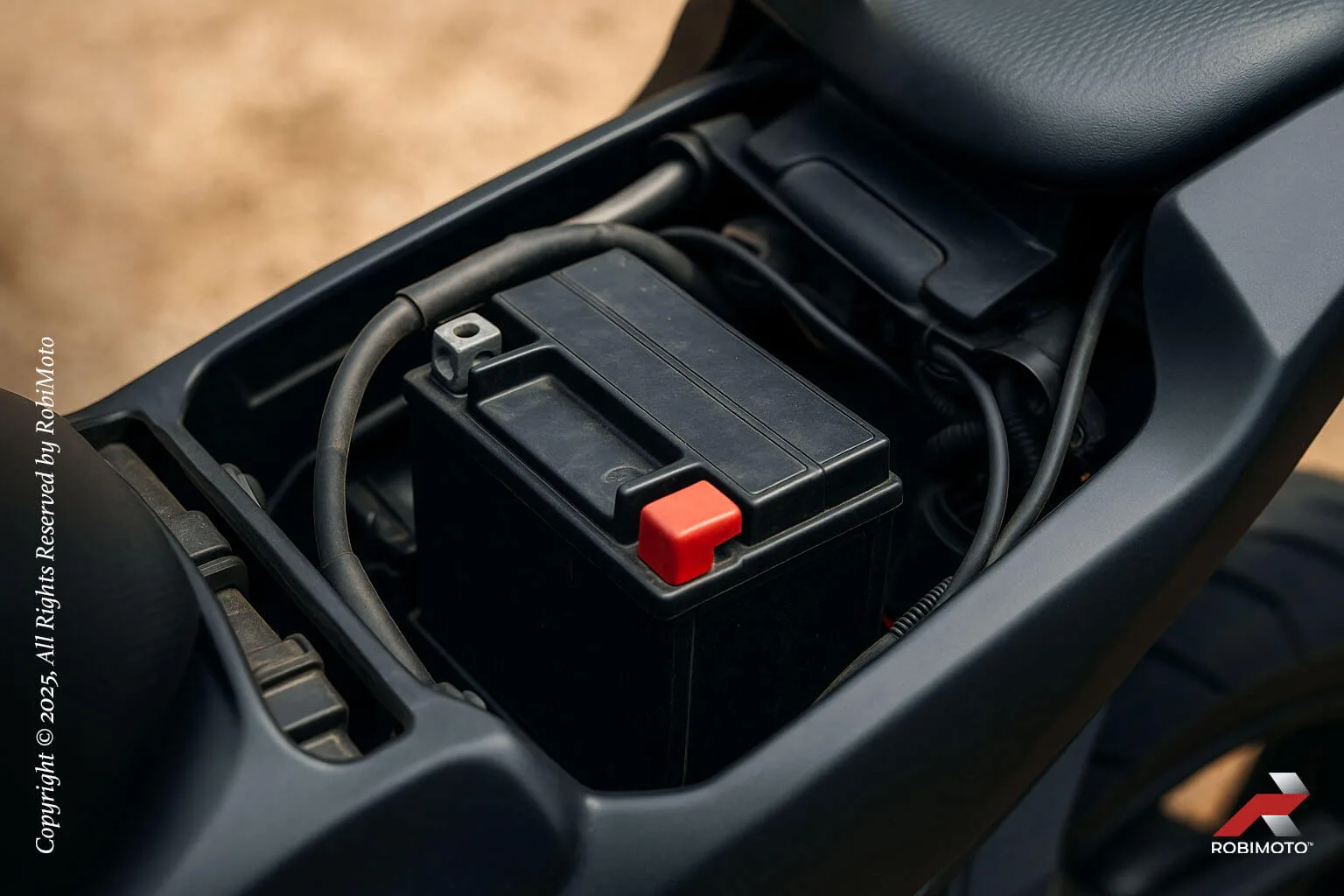
A motorcycle battery may be small, but it holds the power to start your ride and keep your system alive. Whether you’re cruising through EDSA or exploring the provinces, it plays a vital role in every journey. In this comprehensive guide, we’ll explore how to choose, maintain, and replace a motorcycle battery in the Philippine setting—while understanding terms like big bike battery and best motorcycle battery choices.
Your motorcycle battery powers the ignition, lights, fuel pump, horn, and electronic systems. Without it, even the best motorcycle won’t start. It acts as the heart of your bike, especially in big bikes that rely on strong and steady power.
Beyond starting the engine, it regulates voltage for sensitive electronics like gauges and ECUs. A reliable motorcycle battery ensures that your rides are smooth, safe, and uninterrupted. Riders often overlook this small component until it fails—and when it does, it can ruin an entire ride.
In a tropical country like the Philippines, where riders battle both heat and humidity, battery performance is even more critical. Long rides under the sun, stop-and-go traffic in Metro Manila, and flood-prone roads all impact your battery’s health. That’s why understanding your motorcycle battery is key to smarter and safer riding.
These are the traditional, budget-friendly batteries found in many older motorcycles. They use liquid electrolyte and require maintenance: topping off with distilled water, regular inspection, and upright installation. They’re heavier, prone to spills, and don’t handle vibration well.
While economical, they’re less reliable for modern bikes, especially big bikes. Still, for scooters or small-displacement motorcycles, they’re acceptable if maintained properly. If you ride daily and are diligent, a flooded battery can work for you. But for less frequent riders, better options exist.
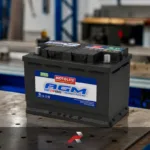
AGM (Absorbent Glass Mat) and Gel batteries are sealed and maintenance-free. They offer more cranking power, better vibration resistance, and no acid spills.
AGM is the most popular among Filipino riders. It holds charge longer, handles heat well, and typically lasts longer than traditional batteries. Gel batteries offer similar benefits but may have slightly lower performance in terms of cranking power.
Both are good choices for big bike battery needs and are available in sizes suited to common motorcycles in the Philippines.
Lithium motorcycle batteries are lighter, charge faster, and last longer—but they come at a higher cost. They’re ideal for riders who want performance and reliability.
However, lithium batteries are sensitive to overcharging and not always compatible with older charging systems. They’re best for modern motorcycles with stable regulators and for riders who understand how to maintain advanced battery tech.
For riders in Manila or urban areas who prioritize weight and cranking power, lithium batteries may be the best motorcycle battery upgrade.
Big bikes require more electrical power due to larger engines and more accessories. The battery must provide high CCA (Cold Cranking Amps) and sufficient amp-hour capacity.
For instance, a 125cc bike might use a 5Ah battery with 80 CCA. A 650cc adventure bike may need a 12Ah battery with 200 CCA. Choosing the right battery ensures consistent starting and supports electronic stability.
When in doubt, consult your owner’s manual. Avoid installing undersized batteries—they can cause misfires, dim lights, or ECU issues.
These signs often appear after two to three years of use. Don’t wait for a full failure before replacing. Replace proactively for peace of mind.
Yuasa – Trusted globally and often original equipment in Japanese bikes. Long lifespan and excellent reliability.
Amaron – A rising favorite in the Philippines. Maintenance-free, long-lasting, and widely available.
Motolite – A homegrown Filipino brand that offers affordability and local support. Widely available even in provincial areas.
These are often mentioned in forums, service shops, and community rides. While I’m not affiliated with any brand, I personally look for real-world results. Riders trust these names because they work.
GS Yuasa, Bosch, and Panasonic are known for high-performance battery lines. They cater to sport-touring and adventure riders who need durable batteries for long-distance rides.
Premium batteries are more resistant to heat, voltage spikes, and heavy electrical load—ideal for those who run heated grips, GPS units, or audio systems.
Always match your battery to your bike’s requirements:
If you ride daily through city traffic, a reliable AGM battery will save you time and trouble. For weekend riders or those with long park periods, consider batteries with low self-discharge, like lithium or gel.
Big bike riders with high-performance engines or many accessories should always go for higher CCA batteries. More power means better startup, especially after long rides or cold mornings.
Even the best motorcycle battery can fail early without proper care. Here are tips every Filipino rider should follow:
Flooded batteries need distilled water top-ups monthly. AGM and Gel require less attention but still benefit from regular checks.
Batteries perform differently depending on temperature. The tropical heat can evaporate electrolytes faster, especially in flooded batteries. It can also shorten overall battery life.
Humidity adds another layer of risk—moisture encourages corrosion at battery terminals. That’s why regular cleaning and heat shielding are crucial, especially for riders in Metro Manila, Cavite, and Cebu.
Investing in heat-resistant battery models with good ventilation helps mitigate these risks.
When your battery dies unexpectedly, a safe jump-start can get you moving again. Here’s how:
Always disconnect in reverse order. Avoid holding the starter too long to prevent overheating.
Never attempt to jump-start a damaged or leaking battery.
Myth 1: “All motorcycle batteries are the same.”
Different bikes need different specs. Using the wrong type can cause damage.
Myth 2: “Just rev your engine to charge the battery.”
This only works with a healthy charging system. Otherwise, you risk undercharging.
Myth 3: “A battery that’s 2 years old is still okay.”
Some budget batteries barely last 18 months. Don’t rely on age alone—watch for warning signs.
Understanding these myths can help extend your motorcycle battery’s life.
The motorcycle battery is the heart of your bike’s electrical system. It may not be visible, but it plays a central role in keeping your motorcycle safe, responsive, and ready.
Take time to choose the right one. Don’t settle for the cheapest option. Learn to care for it. And when the signs of aging show up, replace it before it lets you down.
Riding is more than just fuel and freedom—it’s also preparation. A good motorcycle battery gives you the power to stay ready for every ride.
Battery Basics and Types
Battery University, 2021
Battery University BU-201a Types of Lead Acid Batteries
Motorcycle Battery Care
Law Tigers, 2024
Battery Care
CCA and Big Bike Battery Needs
Yuasa Battery Guide, 2024
YUASA FAQs
Heat Impact on Battery Life
Power Sonic, 2024
How Temperature Affects Battery Performance