Skip to content
Contact & Community
📍 Metro Manila, Philippines
🌐 robimotoph.com
✉️ hello@robimotoph.com
📱 +63 917 517 0594
📍 Metro Manila, Philippines
🌐 robimotoph.com
✉️ hello@robimotoph.com
📱 +63 917 517 0594

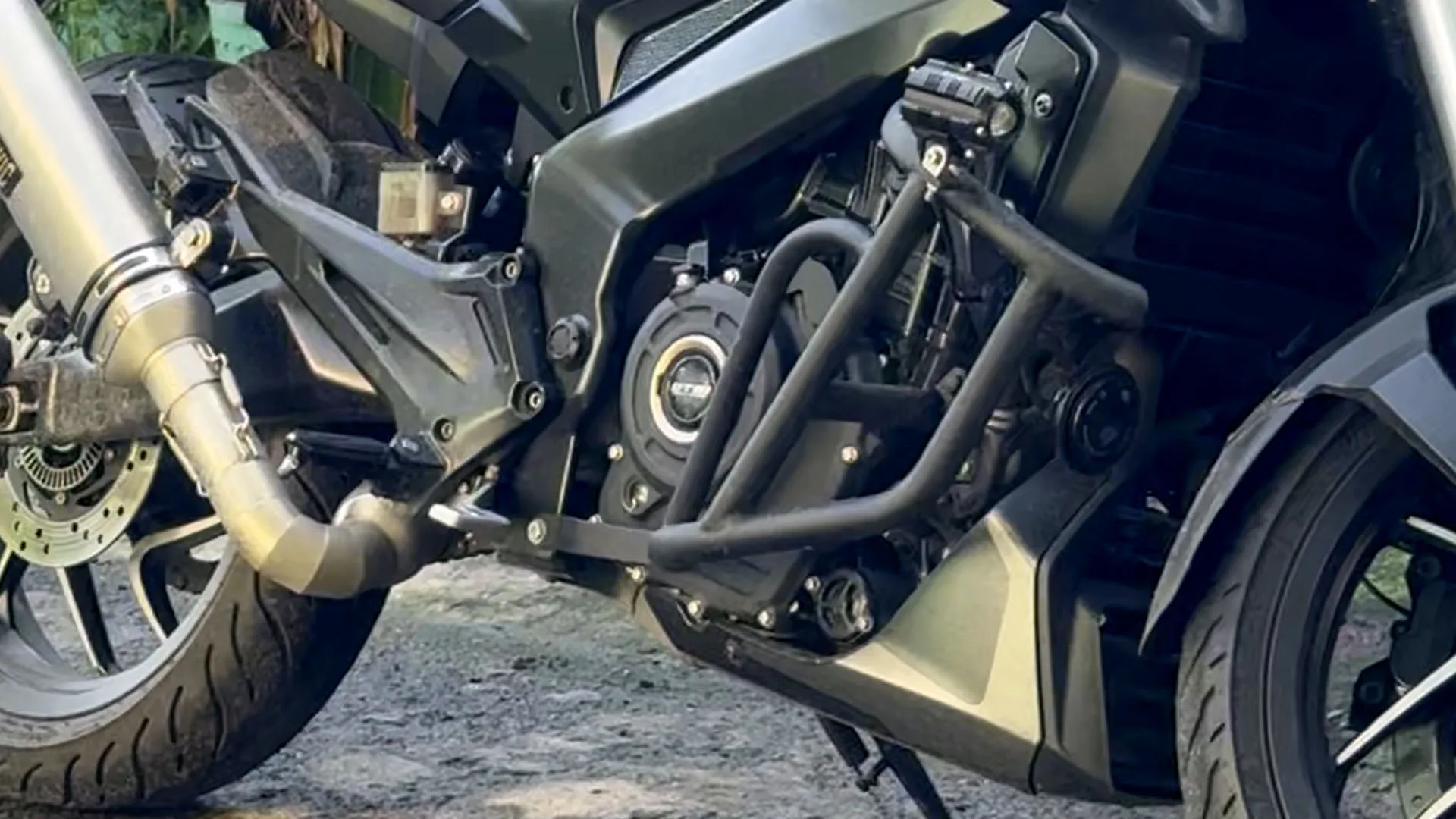
Kawasaki Dominar 400 engine problems are usually predictable and manageable when diagnosed early. Common concerns include cold start difficulty, ticking noise, clutch judder, overheating in traffic, sudden stalling, and mid-RPM vibrations. Most issues trace back to maintenance timing, battery health, cooling efficiency, valve clearance intervals, or riding habits. This guide breaks down symptoms, real causes, practical fixes, and preventive strategies based on Philippine riding conditions. If you own a Dominar 400, understanding these patterns helps you reduce downtime, avoid costly repairs, and keep the engine reliable for daily commuting and long-distance touring.
The Kawasaki Dominar 400 engine problems that owners commonly face include cold start issues, overheating in traffic, engine noise, and sudden stalling. These engine and mechanical challenges are usually linked to maintenance timing, cooling system condition, battery health, and riding habits.
For a complete preventive framework, refer to our Motorcycle Maintenance Guide, which outlines inspection intervals, fluid schedules, and system checks that directly reduce long-term engine stress.
Understanding the symptoms, causes, and preventive steps early allows Dominar owners to manage these concerns before they develop into costly repairs.
These problems can be resolved—or even prevented—through timely diagnosis, proper maintenance, and the right riding habits.
Symptom: Engine cranks slowly or doesn’t start immediately, especially when cold.
Possible Causes:
Solutions:
You may also want to review this complete guide to motorcycle battery issues to better understand cold start symptoms and how to prevent them.
Always idle your Dominar for 1–2 minutes before riding to let the ECU stabilize fuel delivery.
Symptom: A metallic ticking sound near the cylinder head, especially when warmed up.
Possible Causes:
Owner Case Study:
A rider from Cavite noted a persistent tapping sound at 23,000 km. Upon inspection, the valve shims needed replacement due to lack of tappet adjustment.
Solutions:
Ticking sounds should never be ignored. While some mechanical noise is normal in a single-cylinder engine, persistent metallic tapping can indicate clearance or timing-related wear. Left unresolved, it may lead to rough idle, power loss, or even unexpected stalling.
If your Dominar shuts off suddenly while also making unusual mechanical noise, this engine shut-off guide explains how electrical issues, sensors, and fuel delivery can affect overall engine behavior.
Early diagnosis protects both reliability and long-term repair cost.
Symptom: Sudden jerks during gear shift, poor engagement in low gears, or clutch slipping under load.
Likely Causes:
Preventive Fixes:
Note: The Dominar’s stock clutch is heavier compared to lighter bikes like the Yamaha MT-03. For extra control and smoother engagement, you may also want to check your motorcycle chain adjustment as part of your drivetrain setup.
Symptom: Excessive heat from the tank and radiator fan always on, especially in stop-and-go traffic.
Potential Causes:
Forum Insight:
Multiple riders in Manila report heat issues during summer rush hour traffic on EDSA and C5.
Fixes:
🛡️ Pro Tip: Use thermal tape or tank insulation pads to deflect heat away from your legs.
Symptom: Engine dies while downshifting or when idling at a stoplight.
Causes:
User Story: A vlogger from Valenzuela resolved this issue by cleaning the throttle body and recalibrating the TPS using a scanner. A similar case is discussed in this helpful video: Throttle Body Problem is SOLVED! Dominar 400 (TPS & TMAP sensor fix)
Recommendations:
Symptom: Strong vibration at handlebars and footpegs, usually between 4,000–6,000 RPM.
Likely Culprits:
Fix:
| Issue | Common in Dominar | Also Seen In | Ease of Fix |
|---|---|---|---|
| Cold Start | ✅ | KTM Duke 390 | Moderate |
| Engine Tapping | ✅ | RE Himalayan | Hard |
| Clutch Judder | ✅ | MT-15 | Moderate |
| Overheating | ✅ | CFMoto 400NK | Easy |
| Engine Stall | ✅ | CB300R | Moderate |
| Vibrations | ✅ | Benelli 302S | Easy |
While some issues mirror other budget performance bikes, the Dominar 400’s modular engine architecture (based on KTM’s 373cc platform) makes most parts accessible and service-friendly.
Dominar 400 Preventive Maintenance Checklist:
| Task | Interval | Tip |
|---|---|---|
| Engine Oil + Filter | Every 6,000 km | Use fully synthetic oil |
| Valve Clearance | Every 20,000 km | Tappet check essential |
| Spark Plug | Every 12,000 km | Use NGK Iridium CR8EIX |
| Throttle Body Clean | Every 10,000 km | Pair with injector cleaning |
| Radiator Flush | Every 12,000 km | Prevent overheating |
| Clutch Inspection | Every 20,000 km | Replace if judder occurs |
Riders planning their PMS budget can also read this practical guide on Dominar 400 spark plug replacement cost in the Philippines before deciding between standard and iridium plugs.
Dominar 400 engine problems are not widespread defects. Most reported issues involve maintenance timing, battery health, cooling system upkeep, or riding habits rather than fundamental engine design weaknesses.
Cold starting issues often relate to weak battery output, aging spark plugs, injector deposits, or low ambient temperature affecting fuel atomization and ignition efficiency.
Light ticking commonly results from valve clearance or cam chain tensioner wear. When addressed early through scheduled inspection, it rarely leads to serious internal damage.
Stop-and-go city riding limits airflow through the radiator. Dirty fins, weak coolant flow, or delayed radiator maintenance increase engine temperature during heavy congestion.
Follow oil intervals strictly, maintain valve clearance schedule, monitor battery health, flush coolant on time, and address small symptoms early before they escalate into expensive mechanical failures.
For riders building a preventive maintenance checklist, this oil filter maintenance guide explains why filter replacement should be matched with oil-change habits and real riding conditions.
Despite these mechanical quirks, the Kawasaki/Bajaj Dominar 400 remains one of the most value-packed bikes in the entry-level big bike segment. Proper maintenance and understanding the bike’s behavior will turn these weaknesses into manageable challenges.
Cold start hesitation, ticking noise, engine stall, and overheating are not random failures. They are system signals. When addressed early, they protect both engine longevity and riding confidence.
Riders dealing with higher engine temperature in traffic may also find this guide on overheating in everyday motorcycle use helpful, especially for understanding cooling behavior, coolant checks, and common riding conditions in the Philippines.
Reliability is rarely about perfection. It is about consistency.
Maintain it correctly. Ride it responsibly. And the Dominar 400 will reward you with dependable long-term ownership.