Skip to content
Contact & Community
📍 Metro Manila, Philippines
🌐 robimotoph.com
✉️ hello@robimotoph.com
📱 +63 917 517 0594
📍 Metro Manila, Philippines
🌐 robimotoph.com
✉️ hello@robimotoph.com
📱 +63 917 517 0594

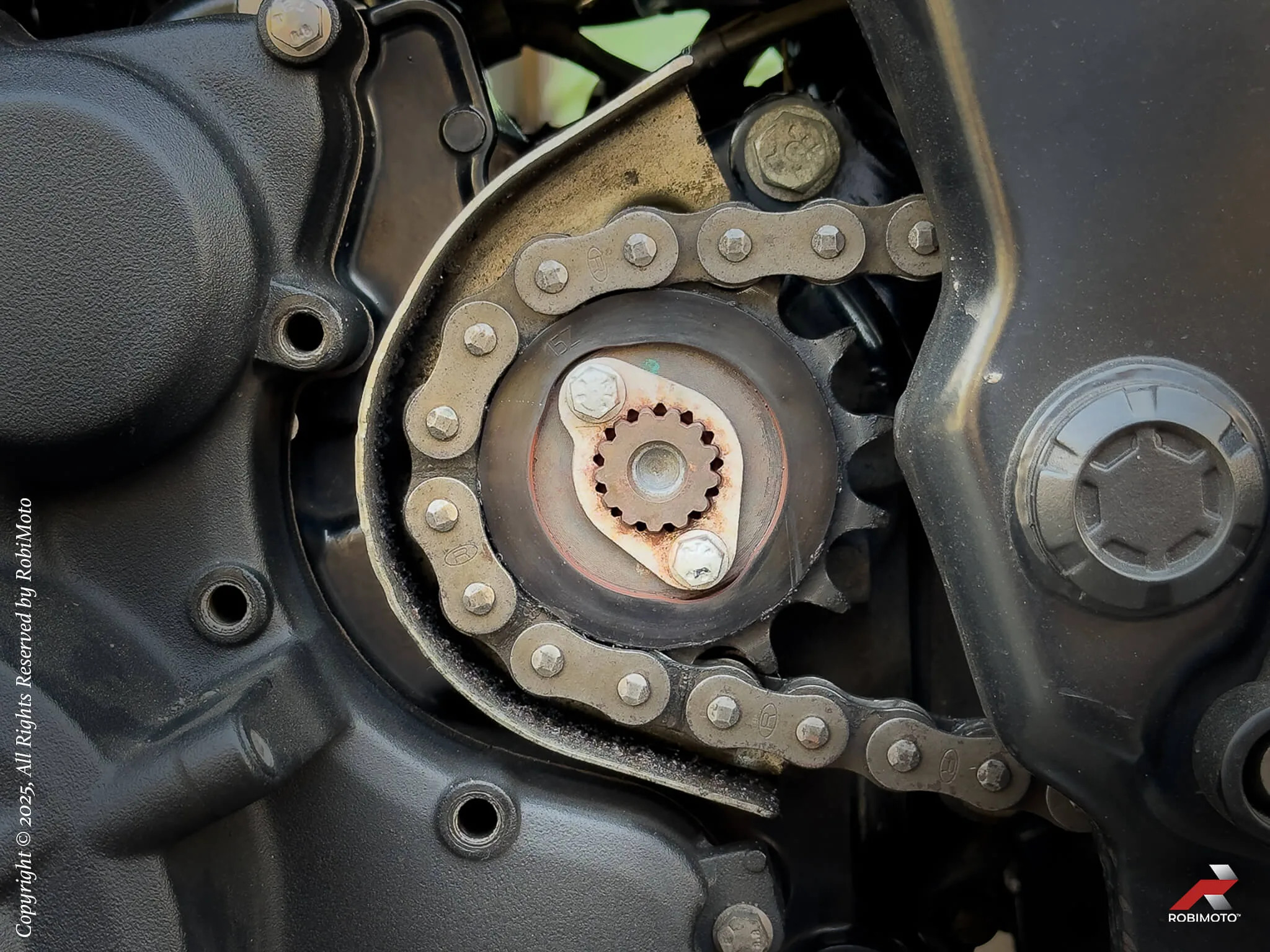
Motorcycle chain adjustment isn’t optional. It’s a must. Especially for powerful bikes like the Kawasaki Dominar 400, where torque demands a stable and properly aligned drivetrain. Whether you’re a new rider or a seasoned commuter, checking your chain regularly improves throttle response, fuel efficiency, and safety. A loose or overly tight chain can cause jerks, premature wear, and costly repairs.
Chain care also fits into a bigger ownership system. If you want a broader framework for preventive upkeep, review the Motorcycle Maintenance in the Philippines: A Real-World Guide for Riders to understand how drivetrain checks connect with suspension, braking, and overall reliability.
In this article, I’ll walk you through practical motorcycle chain maintenance tips based on real riding experience. We’ll cover proper chain slack, cleaning routines, and which products like chain lube and chain cleaner actually make a difference.
A proper motorcycle chain adjustment keeps power delivery smooth. A chain that’s too tight strains your bearings. Too loose? It might slap around or derail.
Many overlook this because the chain “looks fine.” But the motorcycle chain is exposed to water, dirt, and vibration daily—making regular motorcycle chain maintenance crucial. Proper tension also prolongs the life of your sprockets and keeps the bike stable at high speeds.
For the Dominar 400, ideal slack is between 25–35mm. This sweet spot allows your suspension to move naturally without pulling on the chain.
Step 1: Prepare your tools.
You’ll need a 24mm socket for the axle, 13mm spanner for adjusters, and a torque wrench. Put the bike on a paddock or center stand so the rear wheel spins freely.
Step 2: Loosen the rear axle.
Use your socket wrench to loosen the rear axle nut, but don’t remove it. This allows the wheel to move during adjustment.
Step 3: Adjust chain slack.
Turn both chain adjusters equally. Measure slack at the middle point of the bottom chain run. Use a ruler or chain slack tool. Don’t eyeball it—your safety depends on accuracy.
If you’re unsure whether your current chain type affects how slack behaves under load, review O-Ring vs X-Ring Motorcycle Chain: Which Is Better for Philippine Riding? to understand how sealing design influences longevity and maintenance frequency.
Step 4: Align and tighten.
Make sure both sides of the swingarm are equal using the alignment marks. Once satisfied, torque the axle nut to spec and lock the adjusters.
Even the perfect motorcycle chain adjustment won’t last without proper upkeep. That’s where motorcycle chain maintenance comes in.
1. Clean the chain regularly.
Use a chain cleaner like WD-40, orany of your favorite chain cleaner. Spray generously and scrub using a chain brush. Avoid harsh chemicals that can destroy O-rings.
2. Lube after every clean.
After cleaning, dry the chain thoroughly and apply chain lube. Lubricate the inner side while rotating the wheel. Let it set for 10–15 minutes before riding.
3. Inspect rollers and sprockets.
Watch for stiff links, rust, or missing O-rings. Your chain roller should move freely. If you notice any binding, it’s time to replace the chain or rollers.
Using the right chain lube makes a big difference. Not only does it reduce friction, but it also keeps your chain rust-free and extends the interval between cleanings.e
Your chain cleaner should be O-ring safe and easy to rinse. Avoid using gasoline or household degreasers—they’re too harsh.
Here are mistakes I’ve seen (and made) that you should avoid:
Remember: just because your chain looks okay doesn’t mean it’s performing at its best.
Riding in the rain? Your motorcycle chain adjustment and lube routine must change. Rain washes away lube and brings in grime.
After a downpour or wet commute, dry the chain and reapply a water-resistant lube. Don’t wait for rust to show up. Prevention is cheaper than replacement.
Motorcycle chain adjustment is not just a mechanic’s job. It is your responsibility as a rider. The Kawasaki Dominar 400 is built for power and endurance, but that power is only as reliable as the chain that delivers it.
Check your slack. Clean your links. Lube with intention. Small, consistent habits prevent expensive replacements and unpredictable rides.
For riders navigating wet roads and humid conditions, proper lubrication and inspection matter even more. Read Chain Care During Rainy Season in the Philippines: Complete Big Bike Maintenance Guide for Wet Roads and Humid Climate to understand how moisture, heat cycles, and daily commuting affect chain life in real Philippine riding conditions.
Ownership becomes lighter when maintenance becomes routine.