Skip to content
Contact & Community
📍 Metro Manila, Philippines
🌐 robimotoph.com
✉️ hello@robimotoph.com
📱 +63 917 517 0594
📍 Metro Manila, Philippines
🌐 robimotoph.com
✉️ hello@robimotoph.com
📱 +63 917 517 0594

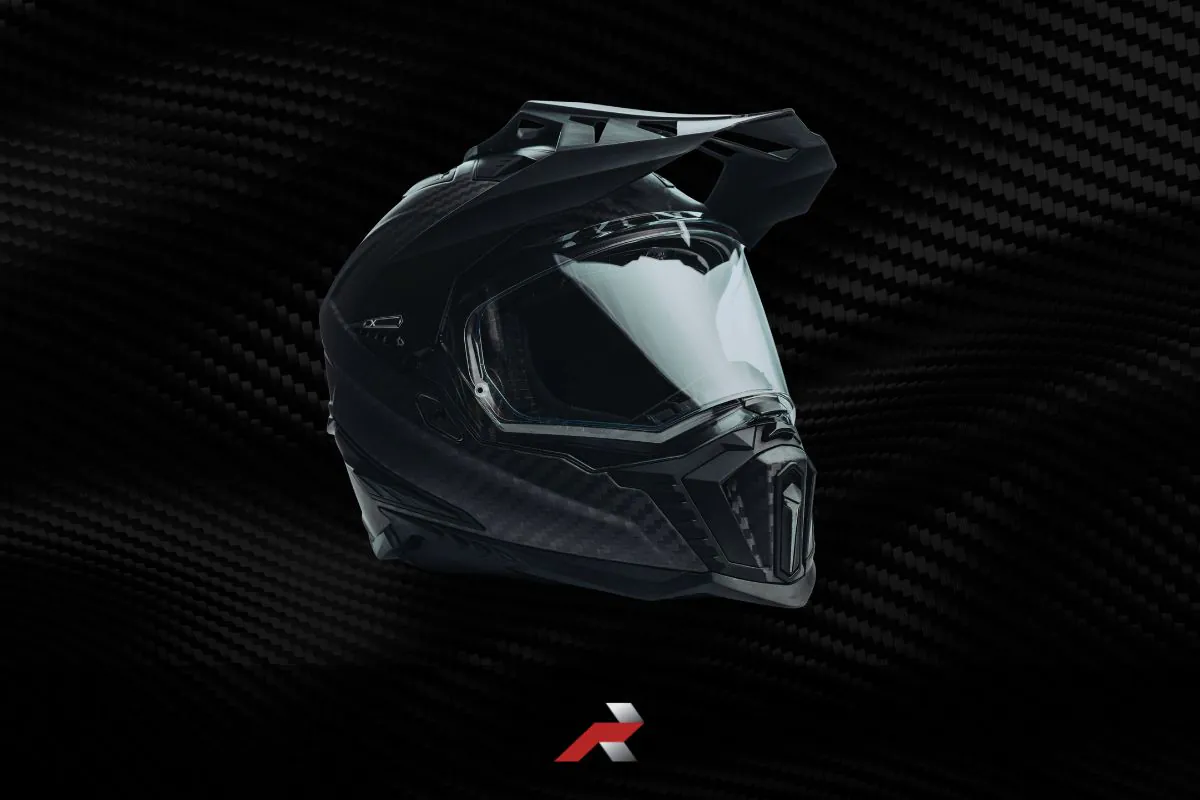
Budget vs Premium Full-Face Helmets is one of the most debated topics among Filipino riders. Is the higher price really about safety, or just branding? This in-depth guide compares shell materials, impact protection, comfort, noise isolation, durability, and long-term value. We break down real-world commuting, long rides, and daily ownership insights to help you choose wisely. If you ride daily in traffic, heat, and unpredictable weather, this guide will clarify what truly matters. No hype. No brand bias. Just practical helmet knowledge grounded in riding reality.
Budget vs Premium Full-Face Helmets is a safety decision, not just a price comparison. The difference typically involves shell materials, impact energy management, weight, ventilation design, noise isolation, and long-term durability.
In the Philippines, riding conditions are demanding. Daily traffic is slow. Heat is intense. Sudden rain appears without warning. Roads vary from smooth highways to patched concrete. These conditions increase fatigue and risk exposure.
Many riders assume budget and premium helmets offer the same protection as long as they carry certification labels. That assumption deserves closer examination.
A full-face helmet protects the skull, jaw, and face. However, the difference between basic protection and refined protection often lies in engineering quality, multi-density liners, structural reinforcement, and long-term performance consistency.
The question is not whether expensive is automatically better.
The better question is what level of protection matches your riding exposure.
For riders who are still deciding what helmet type fits their route, this complete motorcycle helmet guide explains fit, visor choice, riding conditions, and replacement timing.
Before upgrading engines or exhausts, riders should evaluate safety gear. If you are planning upgrades, read our guide on beginner motorcycle buying guide to understand why safety equipment should always come before performance parts.
Because helmets are not fashion pieces. They are insurance you wear.
Let’s define terms clearly.
When riders compare helmets, most focus on price first. However, price alone does not explain structural differences. A helmet becomes “budget” or “premium” based on material selection, impact energy management, engineering refinement, and long-term performance consistency.
If you are building your gear setup on a realistic budget, review Budget Friendly Helmet Philippines: A Practical Guide for Safe Riding on a Realistic Budget first. That guide explains how to prioritize safety certifications and structural integrity without overspending. Based on reports, proper fit and certification matter more than brand prestige in real-world crash outcomes.
Now let us break down what truly separates budget and premium helmets from an engineering standpoint.
Budget helmets usually use thermoplastic polycarbonate shells. These are affordable and effective but heavier.
Premium helmets often use composite fiber blends, fiberglass, or carbon fiber. These materials are lighter and distribute impact energy more efficiently.
Weight reduction is not just about comfort. It reduces neck fatigue during long rides.
All certified helmets pass impact tests. However, premium models often include multi-density EPS liners.
Multi-density EPS allows controlled energy dispersion. That means the helmet manages force progressively rather than abruptly.
Budget helmets usually use single-density EPS foam.
Both protect. The difference lies in refinement.
Premium brands invest more in research and development. Aerodynamics, wind tunnel testing, ventilation mapping, and visor sealing are more advanced.
Budget helmets prioritize affordability and mass production efficiency.
That does not make them unsafe. It simply means compromises exist.
So when comparing Budget vs Premium Full-Face Helmets, remember this:
The gap is not always about surviving a crash. It is about how consistently the helmet performs across different impact scenarios.
Understanding Helmet Certification Standards
Budget vs Premium Full-Face Helmets discussions often revolve around certifications.
In the Philippines, riders usually see DOT or ECE labels. Some premium helmets also carry Snell or FIM homologation.
Here is what matters.
DOT is self-certified by manufacturers. It establishes baseline standards for impact protection in the United States.
ECE is independently tested in Europe and is widely respected for street use. It involves controlled laboratory testing across multiple impact zones.
Snell certification applies more aggressive impact testing thresholds. It focuses on higher energy impacts.
FIM homologation is used in professional racing and includes stricter performance criteria.
Certification ensures minimum safety compliance. It does not automatically guarantee maximum protection under all scenarios.
Premium helmets often aim for higher test thresholds and tighter manufacturing quality control.
Certification labels are only one layer of evaluation.
Shell size variation is another factor that many riders overlook. Some budget helmets use one shell size for multiple fit sizes. Extra padding compensates for size differences.
Premium helmets often use multiple shell sizes. This reduces excess internal filler and improves structural balance.
Chin bar strength also matters. In full-face designs, chin impact is common during accidents. Higher-end models usually reinforce this area more robustly.
Ventilation structure affects safety indirectly. Overheating leads to fatigue. Fatigue slows reaction time.
In Budget vs Premium Full-Face Helmets comparisons, protection is not limited to crash survival. It includes focus retention, heat management, and stability at speed.
A helmet that fits poorly or overheats quickly increases rider risk.
The safest helmet is not just the one that passes certification. It is the one that fits correctly, manages energy efficiently, and maintains rider alertness.
Recent updates under ECE 22.06 introduced stricter impact testing protocols. These include rotational acceleration testing and multiple impact points to better simulate real-world crash scenarios.
The official regulatory framework can be reviewed under the United Nations ECE Regulation No. 22 documentation.
These updates reflect a deeper understanding of rotational brain injury mechanics. Modern helmet safety now considers both linear and rotational forces.
This evolution reinforces a critical point.
Budget vs Premium Full-Face Helmets should be evaluated not just by label presence, but by how current and rigorous those standards are.
Protection standards evolve.
Smart riders evolve with them.
Daily riders feel differences immediately.
In city traffic, airflow is limited. Heat builds up fast. Sweat accumulates.
Premium helmets often include advanced ventilation channeling. Air enters through multiple intake vents and exits through rear exhaust ports.
Budget helmets usually offer fewer vent channels.
Noise isolation is another major difference. Premium helmets are engineered to reduce wind turbulence.
Less wind noise means less fatigue.
Over time, neck strain becomes noticeable. Heavier helmets increase muscle fatigue, especially during long rides.
Lightweight composite shells reduce that burden.
If you ride daily and have experienced discomfort, read Daily Commuting Wear Checklist to understand how small stressors compound over time.
Padding quality also matters. Premium liners use moisture-wicking fabrics and better stitching.
Budget helmets may compress faster after months of use.
Budget vs Premium Full-Face Helmets becomes a daily comfort decision for commuters.
The longer your ride, the more noticeable the difference.
Comfort is not luxury. It is performance consistency.
Budget vs Premium Full-Face Helmets also affects long-term cost more than most riders calculate.
At first glance, budget helmets look practical. The upfront price is lower. The purchase feels easier. However, long-term ownership tells a different story.
Materials degrade. Padding compresses. Visor mechanisms loosen. Heat, sweat, and UV exposure accelerate wear in tropical climates like the Philippines.
The real question is not, “How much does it cost today?”
The better question is, “How much does it cost per year of safe usage?”
When riders focus only on purchase price, they ignore maintenance cycle, material fatigue, and component replacement costs. A helmet is not a one-time expense. It is a safety tool exposed daily to friction, pressure, moisture, and sunlight.
Cost must be evaluated across years, not weeks.
Budget helmets are commonly made with polycarbonate shells and single-density EPS liners. They meet certification standards, but they may show cosmetic and structural wear faster under daily use.
Interior padding often flattens within one to two years of heavy commuting. When padding compresses, fit changes. When fit changes, protection consistency decreases.
Premium helmets often use composite fiber or carbon blends. Multi-density EPS liners manage impact energy more progressively. Higher-quality interior liners resist moisture breakdown and maintain shape longer.
Visor systems are another hidden factor. Reinforced hinge systems and higher-grade visor coatings reduce scratches and fogging issues over time.
Longer material integrity usually means fewer replacements and more consistent protection.
Consider a simple scenario.
If a budget helmet costs ₱4,000 and lasts two years under daily use, that equals ₱2,000 per year.
If a premium helmet costs ₱16,000 and lasts four to five years with consistent performance, the annual cost difference narrows significantly.
Now add replacement visor availability, padding kits, and warranty coverage into the equation.
Replacement parts are usually easier to find for established premium brands. Budget brands may require full helmet replacement instead of component repair.
Budget vs Premium Full-Face Helmets is not about overspending.
It is about calculating durability, maintenance ecosystem, and structural consistency over time.
Short-term savings feel good.
Long-term reliability feels better.
And reliability is part of safety.
Below is a structured comparison to clarify Budget vs Premium Full-Face Helmets.
| Feature | Budget Full-Face Helmet | Premium Full-Face Helmet |
|---|---|---|
| Shell Material | Polycarbonate | Fiberglass, Composite, Carbon Fiber |
| Average Weight | 1500–1700g | 1200–1450g |
| EPS Liner | Single Density | Multi-Density EPS |
| Ventilation | Basic Intake/Exhaust | Advanced Multi-Channel Vent System |
| Noise Isolation | Moderate | Engineered Aerodynamics |
| Shell Sizes | 1–2 Shell Sizes | 3–4 Shell Sizes |
| Visor Quality | Standard Anti-Scratch | Optical Class 1, Anti-Fog, Pinlock Ready |
| Price Range PH | ₱2,000–₱6,000 | ₱10,000–₱35,000 |
| Longevity | 2–3 Years Average | 3–5 Years With Care |
| Target Rider | Casual / Short Commute | Daily / Long Distance / High Speed |
This structure helps contextualize differences without emotional bias.
Budget vs Premium Full-Face Helmets discussions should include independent testing data, not just marketing claims.
One of the most respected independent testing programs is the UK government-backed SHARP rating system. Unlike manufacturer-declared certifications, SHARP performs additional controlled impact testing and publishes star-based safety ratings for specific models.
For example, you can review how helmets are tested and rated directly through the official SHARP methodology page here.
This matters because price does not always equal highest score. Some mid-range helmets outperform more expensive ones in certain impact zones.
Premium brands tend to show stronger consistency across multiple test scenarios. However, the smarter approach is model-specific research.
When comparing Budget vs Premium Full-Face Helmets, check:
Riders who skip research rely on branding.
Riders who check test data rely on evidence.
Helmet buying should always be evidence-based.
Here is a difficult truth.
Many riders upgrade exhaust systems before upgrading helmets.
Why?
Because performance is visible. Safety is invisible.
Budget vs Premium Full-Face Helmets becomes emotional when ego enters the conversation.
Some riders resist premium helmets because they associate price with unnecessary luxury.
Others assume higher price equals automatic superiority.
Both assumptions are flawed.
The smarter mindset asks:
How often do I ride?
At what speed?
In what traffic density?
If you ride daily on highways, exposure risk increases.
Helmet investment should match exposure level.
No drama. Just math.
Budget vs Premium Full-Face Helmets must be analyzed within real-world road conditions, especially in the Philippines.
We deal with heat, humidity, sudden rain, uneven asphalt, and unpredictable traffic flow. That environment increases fatigue and accident exposure.
According to the World Health Organization Global Status Report on Road Safety 2023, motorcycle riders remain among the most vulnerable road users globally, and head injuries are a major cause of fatality in low- and middle-income countries.
This context is critical.
Helmet performance is not theoretical. It directly affects survival probability.
Ventilation becomes essential in tropical climates. Anti-fog systems become practical safety tools during heavy rain.
Budget vs Premium Full-Face Helmets becomes a risk-exposure calculation, not a lifestyle decision.
If you ride frequently in mixed urban and highway conditions, performance margins matter more.
If you ride occasionally in low-speed environments, a certified budget option may be reasonable.
But exposure always dictates value.
Choosing between Budget vs Premium Full-Face Helmets should feel logical, not emotional. Regret usually happens when riders buy based on price alone or brand hype instead of usage pattern.
Start with exposure. Then move to fit. Then evaluate long-term ownership support.
Daily riders face higher cumulative exposure. Occasional riders face lower.
Exposure compounds over time. Even low-speed daily commuting increases fatigue, weather exposure, and long-term wear on equipment.
Ask yourself:
If the answer is yes to most, your helmet absorbs more stress than you think.
Match helmet investment to usage pattern, not to peer pressure.
A well-fitted budget helmet is safer than a poorly fitted premium helmet.
Fit affects stability during impact. A loose helmet can rotate. A tight helmet can create pressure points and distraction.
When trying a helmet:
Try before buying whenever possible. Head shape matters more than logo placement.
Helmets are not one-time purchases. Visors get scratched. Padding compresses. Vent sliders break.
Before choosing, check the replacement ecosystem carefully:
• Availability of replacement visors in local shops
• Access to removable and purchasable padding kits
• Presence of an authorized distributor in the Philippines
Premium brands often offer better long-term parts support. Budget brands may be cheaper initially but harder to maintain.
| Decision Factor | Budget Helmet Strategy | Premium Helmet Strategy |
|---|---|---|
| Riding Frequency | Occasional / Short Commute | Daily / Long Distance |
| Speed Exposure | Mostly City Speed | Regular Highway Speed |
| Comfort Priority | Basic Comfort Acceptable | Long-Term Fatigue Reduction |
| Replacement Parts | Limited Availability | Structured After-Sales Support |
| Long-Term Cost View | Lower Upfront | Higher Upfront, Longer Lifespan |
Budget vs Premium Full-Face Helmets becomes easier to decide when you evaluate these three pillars clearly: exposure level, fit precision, and long-term support ecosystem.
The goal is not to buy expensive.
The goal is to buy appropriate.
Appropriate gear reduces regret.
And regret is expensive.
In the Philippines, accessibility and after-sales support influence helmet decisions.
Premium brands typically have authorized distributors, spare parts availability, and warranty structures. Budget brands may have limited parts replacement support.
For example, discussions about helmet safety and certification often highlight the importance of verifying standards and proper labeling before purchasing.
This reinforces a practical reality.
Price alone should not determine your choice. Certification legitimacy, distributor reliability, and replacement parts ecosystem matter.
Grey market purchases may look cheaper initially. However, warranty claims and visor replacements become complicated later.
Budget vs Premium Full-Face Helmets is not just about crash testing.
It is about long-term ownership practicality in the Philippine market.
Budget vs Premium Full-Face Helmets becomes clearer when you evaluate real riding exposure rather than price tags.
Premium is not about flex. It is about cumulative stress, sustained speed, and long-term fatigue management.
Reduced fatigue matters significantly during 4 to 8 hour rides. Over long distances, helmet weight becomes noticeable. Neck strain increases. Wind pressure pushes against the shell continuously. Premium helmets are typically lighter and more aerodynamically refined. That reduces muscle fatigue and improves focus.
Ventilation also plays a bigger role during extended rides. Advanced airflow channels help regulate temperature, especially under Philippine heat. Moisture-wicking interior liners keep sweat from building up, improving comfort and concentration.
On multi-hour rides, small comfort improvements compound.
Higher sustained speeds increase aerodynamic pressure and noise exposure. Wind turbulence at highway speeds creates micro-fatigue that riders often underestimate.
Premium helmets are engineered with better wind tunnel testing. They reduce lift, stabilize the head, and isolate noise more effectively. Lower noise levels mean better mental clarity and less stress over time.
When speeds increase, engineering margins matter more.
Daily use accelerates wear. Padding compresses. Visor mechanisms loosen. Cheap materials degrade faster under heat and humidity.
Premium materials tend to maintain structural integrity longer. Replacement parts are often easier to source through authorized dealers.
Budget vs Premium Full-Face Helmets is not a universal rule.
Premium is not mandatory for everyone.
It becomes logical when exposure increases.
And exposure increases faster than most riders admit.
Yes, if it carries proper certification and fits correctly. For short, low-speed city commutes, a well-fitted budget helmet can provide adequate protection. However, comfort and long-term durability may differ compared to premium models.
Not automatically. Certification matters more than price alone. Some mid-range helmets perform very well in independent tests. The difference often lies in material refinement, weight reduction, and long-term durability.
Most manufacturers recommend replacement every three to five years, depending on usage. Heavy daily use may shorten that timeline. Impact exposure requires immediate replacement regardless of visible damage.
Carbon fiber reduces weight and improves energy distribution in many designs. However, overall helmet engineering determines safety more than material alone. Construction quality is critical.
It depends on riding frequency and environment. If a beginner plans daily expressway riding, investing early makes sense. For occasional short rides, a certified budget helmet may be reasonable.
Budget vs Premium Full-Face Helmets is ultimately a risk management decision, not a branding debate.
Budget helmets meet minimum safety standards. Premium helmets refine protection through better materials, multi-density liners, improved aerodynamics, stronger chin bar construction, and enhanced long-term comfort.
Here is the practical comparison recap:
The more frequently you ride, the more those refinements matter.
If your riding is occasional and moderate, a certified budget helmet can serve you well. If you ride daily, travel long distances, or maintain highway speeds, premium construction becomes easier to justify.
Helmet choice should match exposure level.
Evaluate your riding habits honestly. Research certifications carefully. Prioritize fit above brand reputation.
If you are comparing real-world options within a practical budget range, review 10 Best Affordable Motorcycle Helmets in the Philippines (Shopee Picks for 2025) to see current market choices that balance certification, price, and availability. Based on reports, certified helmets within reasonable price tiers can still deliver dependable protection when properly fitted.
When ego is removed, Budget vs Premium Full-Face Helmets becomes a clear calculation.
Protect your head first.
Everything else comes second.