Skip to content
Contact & Community
📍 Metro Manila, Philippines
🌐 robimotoph.com
✉️ hello@robimotoph.com
📱 +63 917 517 0594
📍 Metro Manila, Philippines
🌐 robimotoph.com
✉️ hello@robimotoph.com
📱 +63 917 517 0594

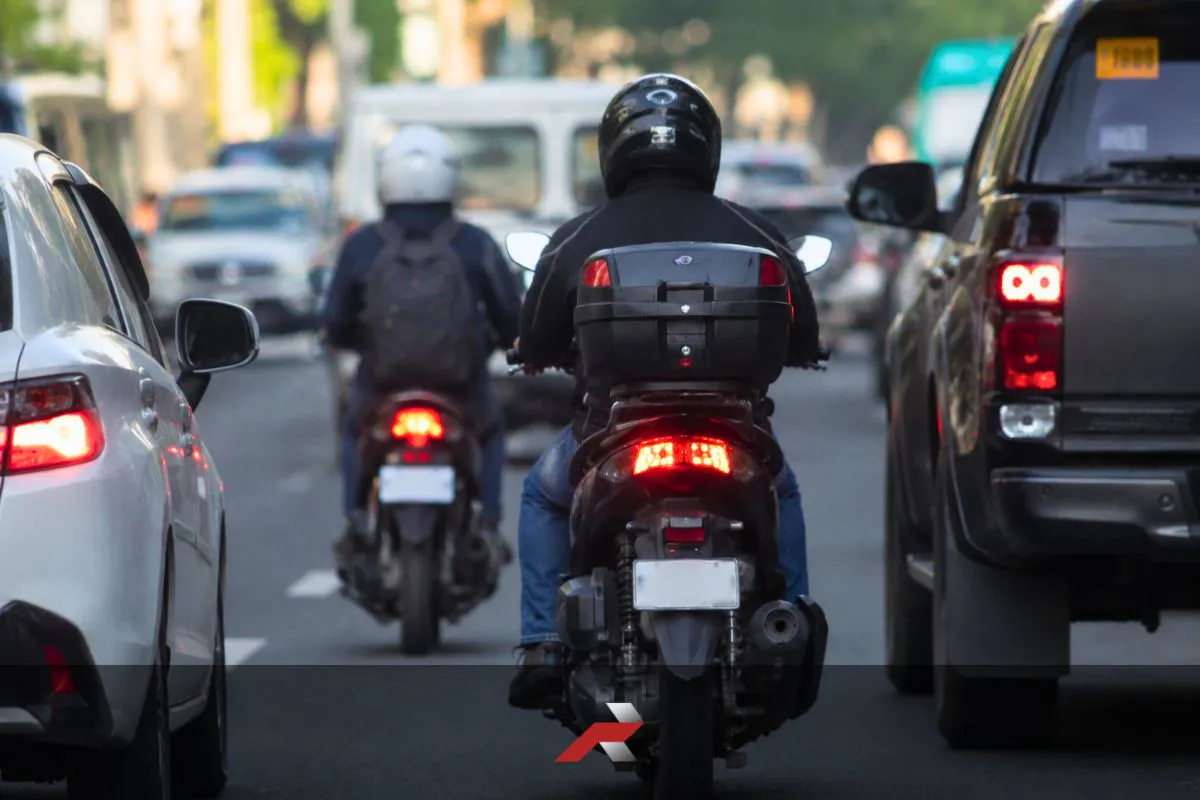
A loose motorcycle plate may start as a small rattle, but it can become annoying during daily riding. In the Philippines, rough roads, potholes, rain, and traffic vibration can slowly affect plate bolts, washers, brackets, and mounting points. This guide explains why motorcycle plates become loose, what riders may notice first, and how simple inspection habits can help prevent bigger issues. It is written for daily commuters, weekend riders, and big bike owners who want a cleaner and more secure plate setup without pretending to diagnose every rear-end noise like a repair shop.
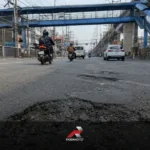
Loose motorcycle plate in the Philippines concerns are common because local riders deal with potholes, road cuts, rain, and daily vibration. A plate may look fine at first, but repeated movement can slowly loosen bolts, weaken washers, or stress the mounting area behind the plate.
For many riders, the first sign is not visual. It is a small rattling sound from the rear. Sometimes it appears only on rough roads. Sometimes it shows up during low-speed vibration in traffic. Other times, the rider notices it during bike wash when the plate moves more than expected.
This issue matters because the plate is part of the motorcycle’s legal identification. It should stay secure, readable, and properly mounted. A loose plate may not affect engine performance, but it affects ownership quality. Malinis nga motor mo, pero kung kalampag ang plaka, parang may sariling tambourine sa likod.
This article explains the common reasons motorcycle plates become loose and what riders can check before assuming the worst.
Motorcycle plates usually start vibrating because the mounting area receives repeated movement from road impact, engine vibration, and rear-end flex. The issue often develops slowly, especially when bolts are not checked during regular cleaning or maintenance.
In Philippine roads, vibration comes from several everyday conditions:
The plate itself is light, but the mounting points take the stress. If the screws are slightly loose, the vibration becomes more noticeable. If washers are missing or worn, the plate may move more than it should.
Some riders may also notice that the problem becomes worse after long rides. This happens because the plate area receives longer exposure to vibration and wind movement.
Rider Insight: A plate that only rattles on rough roads is still worth checking. Small movement today can become loose hardware later.
A loose motorcycle plate usually gives small warning signs before it becomes a bigger problem. Riders may hear rattling, see plate movement, or notice that the plate is no longer aligned properly.
Common signs include:
| Sign | What It May Suggest |
|---|---|
| Rattling sound | Loose screw, washer, or bracket movement |
| Plate moves when touched | Weak mounting pressure |
| Slight bending | Plate lacks support behind it |
| Uneven alignment | One side may be looser |
| Missing washer | Hardware may no longer hold evenly |
The sound can be confusing because rear-end noise may also come from other accessories. Top box brackets, tail tidies, mudguards, or loose reflectors can create similar sounds.
Before blaming the plate, check the simple parts first. Touch the plate gently. Look at the screws. Check if the bracket moves. Inspect if the plate is bending near the holes.
This is rider-level checking, not mechanical diagnosis. If the bracket is cracked or the rear section feels unstable, it is better to ask a qualified mechanic or trusted service center to inspect it.
Loose motorcycle plate in the Philippines can appear faster because local riding conditions expose motorcycles to heat, rain, vibration, and rough roads almost every week. These conditions affect small hardware more than many riders expect, especially when bolts, washers, or brackets are rarely checked.
Rain can also contribute to the problem. Water and road grime can reach the bolts, nuts, washers, and bracket area. If the hardware is ordinary metal, rust may appear over time. Once rust develops, tightening or removing screws may become harder.
Daily commuters face the most repeated exposure. Even a short ride can include rough patches, traffic stops, and parking under heat or rain. Multiply that by five or six days a week, and the plate area takes more abuse than it looks.
Weekend riders may experience fewer issues, but long rides can still create vibration stress. This is especially true when the route includes provincial roads, construction areas, or rough parking spaces.
The issue is not only the road. It is the combination of road condition, hardware quality, installation, and riding frequency.
Riders can reduce loose plate issues by checking the plate area during regular washing or basic inspection. This does not need special skill. It only needs consistency and a bit of common sense.
A simple routine:
Do not over-tighten, especially if acrylic support is included. Too much pressure may crack acrylic or stress the plate holes. Tight enough is the goal.
For riders using a backplate protector, check if the support plate still sits flat. If the backing shifts, the plate may still rattle even with added support.
Riders who want broader context on plate support, visibility, and daily riding use may read this motorcycle backplate protectors guide for a complete ownership discussion.
Reinforcement accessories become useful when the plate needs better backing, not when the actual bracket is already broken. A backplate protector may help reduce flex, spread pressure across the plate, and make the rear setup feel more stable.
If the loose plate issue leads to choosing a support accessory, this stainless and acrylic backplate comparison can help riders decide which material fits their riding conditions better.
This can help riders who deal with:
However, riders should understand the limit. A backplate protector cannot fix a cracked bracket, missing bolts, or poor alignment. It supports the setup, but it should not hide a real mounting problem.
Scenario A:
A rider has a slightly flexible plate but the bracket is still solid. A backplate protector may help improve stability.
Scenario B:
A rider has a cracked plate holder or damaged bracket. Adding a backplate may only cover the problem. The mounting area should be checked first.
For riders who want to evaluate one actual backplate setup before buying, this motorcycle plate protection review can help explain the product’s purpose, material expectations, and real-world use case.
This is where practical judgment matters. Accessories should support good ownership habits, not replace them.
Riders comparing available options can also check this backplate protector listing to review current product details, pricing, and buyer feedback before deciding.
It may rattle because of loose screws, missing washers, weak backing, or bracket movement.
Yes. Repeated pothole impact can slowly loosen bolts or stress mounting holes.
It may help if the plate needs backing. If the bracket is damaged, fix the bracket first.
Check them during bike wash or after rough rides. Daily riders should inspect more often.
Yes. Rain and road grime may cause rust or make bolts harder to maintain.
No. Rear noise may also come from top boxes, brackets, reflectors, or other accessories.
A loose motorcycle plate in the Philippines is usually caused by vibration, rough roads, rain exposure, weak hardware, or poor mounting support. It may start as a small rattle, but it deserves attention because the plate should remain secure, readable, and properly mounted.
Daily riders should treat the plate area as part of regular inspection. A quick check during bike wash can help catch loose screws, missing washers, rust, or plate movement early.
For some riders, a backplate protector can help improve support and reduce flex. For others, the better fix may be new hardware or bracket inspection. The right move depends on what is actually loose.
The practical rule is simple: check first, support second, and never ignore plate visibility.
Affiliate Disclosure: This page may contain affiliate links. RobiMotoPH may earn a small commission if you purchase through these links, at no extra cost to you. Product evaluations remain based on available details, rider feedback, and practical riding needs.