Skip to content
Contact & Community
📍 Metro Manila, Philippines
🌐 robimotoph.com
✉️ hello@robimotoph.com
📱 +63 917 517 0594
📍 Metro Manila, Philippines
🌐 robimotoph.com
✉️ hello@robimotoph.com
📱 +63 917 517 0594

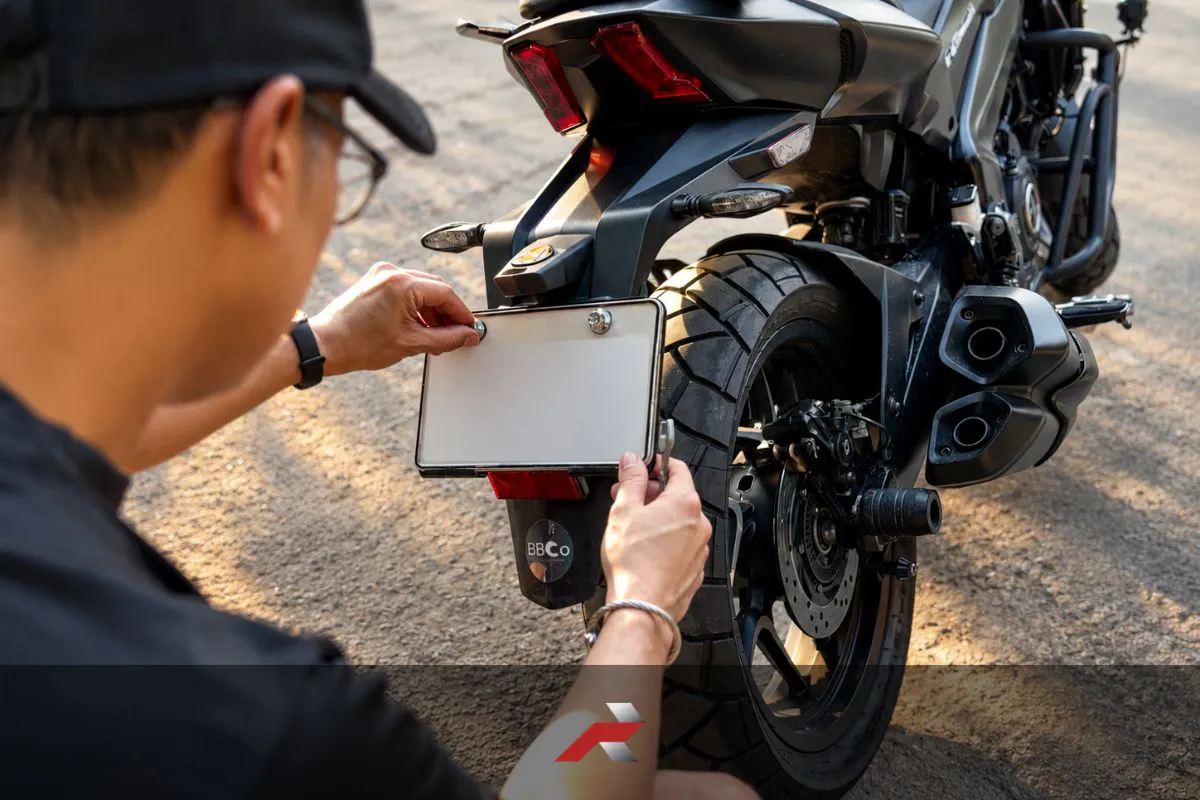
Motorcycle backplate protectors are support accessories placed behind the motorcycle plate to help improve stability during daily riding. In the Philippines, riders deal with rough roads, rain, traffic vibration, and regular washing, which may affect plate mounting over time. This guide explains what backplate protectors do, how they differ from plate covers, why acrylic placement matters, and what riders should check before using one. It is written for daily riders, weekend riders, and big bike owners who want a cleaner and more secure plate setup without ignoring visibility, maintenance, and responsible ownership.
Motorcycle backplate protectors Philippines discussions matter because plate support is not only about appearance. For many riders, it is about keeping the plate stable during daily riding, rough roads, rain exposure, and repeated vibration. A backplate protector can help support the plate area, but riders still need to understand correct placement and visibility concerns.
In Philippine riding conditions, motorcycles go through a lot before the rider even reaches work. There is traffic, sudden potholes, uneven asphalt, road repairs, rainwater, and constant stop-and-go movement. Over time, these conditions can make a weak plate setup rattle, flex, or loosen.
This is why some riders install motorcycle backplate protectors behind the plate. The goal is usually simple: add support, reduce movement, and make the rear plate setup feel more secure.
However, this topic also needs careful discussion. A backplate protector is different from a front plate cover. A support plate behind the plate may help with rigidity. A cover in front of the plate may create visibility issues, especially if it affects readability.
For daily riders, the best approach is not to follow accessories blindly. The better approach is to understand what the product does, how it fits the motorcycle, and whether the setup remains clear, readable, and practical for real road use.
Rider Insight: Many riders only check the plate area after hearing a rattle, seeing a bent plate, or washing the motorcycle. That small detail can become annoying when ignored for too long.
Motorcycle backplate protectors Philippines riders usually consider are support accessories installed behind the motorcycle plate to improve rigidity, reduce flex, and help keep the plate area more stable. They do not replace proper mounting hardware. They also should not be confused with front-facing plate covers that may affect readability.
A motorcycle backplate protector works like a support layer. It gives the plate a firmer base, especially when the motorcycle is exposed to vibration, rain, rough roads, and repeated washing.
For many Filipino riders, this becomes useful because the rear plate area is not always treated as a maintenance point. Riders usually check tires, chain, oil, brakes, and lights first. The plate holder often gets attention only when something starts rattling.
A backplate protector may help reduce:
It is not a magic fix for a broken bracket, poor installation, or weak bolts. If the original plate holder is already damaged, the rider should inspect the mounting area first before adding any accessory.
A support plate sits behind the motorcycle plate. Its job is to add backing and stability. A plate cover usually sits in front of the plate and may affect visibility, especially if it adds glare, tint, scratches, or reflection.
This difference matters because plate visibility is the key concern. Riders should avoid any setup that blocks, darkens, hides, or makes the plate harder to read. The safer mindset is simple: support at the back, clear view at the front.
For newer plate-related guidance, LTO also reminds vehicle owners to keep number plates clearly visible and free from unnecessary covering or obstruction. [3]
| Setup Type | Usual Position | Main Purpose | Main Concern |
|---|---|---|---|
| Backplate protector | Behind the plate | Support and rigidity | Fitment and bolt alignment |
| Acrylic support | Usually behind the plate | Extra backing or clean finish | Cracking if over-tightened |
| Front plate cover | In front of the plate | Surface protection or appearance | Visibility and readability |
| Metal bracket | Behind or around plate area | Mounting support | Rust, fitment, vibration |
Riders usually install backplate protectors for practical reasons, not just style. The most common reason is to make the plate feel more secure during daily use.
This is especially relevant for riders who pass through uneven roads, carry top boxes, wash the bike often, or ride long distances. More movement means more stress around the plate area.
A backplate protector makes sense when the rider wants a cleaner and more supported setup. But the product should still match the motorcycle, plate size, and real riding conditions. The goal is not to overbuild the plate area. The goal is to keep it stable, readable, and easy to maintain.
Motorcycle backplate protectors Philippines riders use become more relevant because local riding conditions expose the plate area to vibration, rain, rough roads, and daily traffic stress. These conditions may not damage the plate immediately, but they can slowly affect bolts, brackets, and thin mounting areas over time.
Many local roads expose motorcycles to constant vibration. Some areas have potholes, uneven asphalt, metal plates, road cuts, and patchwork repairs. These small impacts add up during daily riding.
A plate that feels secure today can start to loosen after weeks or months of repeated movement. This is more noticeable when the plate holder has limited support or when the bolts are not checked regularly.
Common vibration-related signs include:
This is where a backplate protector may help. It gives the plate a wider support surface, so the stress is not focused only around the bolt holes.
Rain is another factor for Filipino riders. During the wet season, the rear plate area gets exposed to water, mud, road grime, and cleaning chemicals. If the mounting hardware is low quality, rust may appear faster.
Stainless backplate setups may perform better in this condition because they resist corrosion better than ordinary metal. Acrylic parts can also stay clean-looking, but riders should watch for stress marks or cracks caused by over-tightening.
Rider Insight: Rain does not only affect tires, chains, and brakes. It also affects small hardware. The screws behind the plate may look minor, but once they rust or loosen, the whole setup can feel cheap fast.
Daily commuting creates repeated wear because the motorcycle experiences the same stress again and again. A rider who travels through traffic five or six days a week exposes the plate setup to more vibration than a rider who only uses the bike on weekends.
Scenario A:
A daily rider passes through rough roads, traffic, rain, and parking exposure every week. The plate support may need regular checking.
Scenario B:
A weekend rider mostly uses the motorcycle for short leisure rides. The same backplate setup may last longer with fewer visible issues.
The difference is not only the product. It is also the riding pattern. The more often the motorcycle is used, the more important small inspection habits become.
Motorcycle backplate protectors Philippines riders consider are often connected to common plate problems such as small movement, rattling sounds, loose screws, or slight bending around the mounting holes. These signs may look minor at first, but they can become annoying during daily use, especially when the motorcycle passes through rough roads, rain, and traffic vibration.
Riders who already notice rattling, movement, or loose bolts around the rear plate can read this loose motorcycle plate guide for a more focused look at causes, rider checks, and prevention habits.
Loose mounting hardware is one of the most common plate-related issues riders may notice. Screws, washers, and nuts can slowly loosen when exposed to constant vibration. This can happen faster when the motorcycle is used daily or when the plate holder is thin.
Riders may notice the issue when:
This does not always mean the plate holder is broken. Sometimes, the setup only needs proper tightening or better hardware. However, if the bracket itself is cracked or bent, adding a backplate may not solve the root problem.
A bent motorcycle plate can happen when the plate has weak support, loose mounting points, or constant movement from rough roads. Thin areas around the mounting holes may flex more when the motorcycle vibrates.
Rattling is often the first sign riders notice. It may sound small, but it can make the rear setup feel poorly maintained. For riders who care about clean ownership, that sound is irritating. Parang may multo sa likod ng motor, pero washer lang pala ang may drama.
A backplate protector may help by spreading support across a wider area. This can reduce flex and make the plate feel more secure.
Rear assembly vibration can come from different sources, not only the plate. It may involve the plate holder, bracket, bolts, tail section, top box rack, or other mounted accessories.
This is why riders should avoid guessing too quickly. If the rear area makes noise, check the simple points first:
Rider Insight: If the rattle only appears on rough roads or low-speed vibration, the plate area is worth checking first. If the sound continues even after tightening, the rider should inspect the bracket or ask a qualified mechanic to check the mounting points.
For motorcycle backplate protectors Philippines riders use, acrylic is not automatically the problem. The real concern is where it is placed and whether it affects plate readability. The safer approach is to keep support material behind the plate and avoid anything in front that may block, reflect, darken, or distort the plate number.
Some motorcycle backplate protector sets include acrylic pieces. Riders may use acrylic as a backing layer, spacer, or clean support plate behind the actual registration plate.
When used behind the plate, acrylic may help give the setup a cleaner and firmer base. It can also reduce direct contact between the metal plate and the holder, depending on the design.
The important point is placement. Acrylic should not cover the plate number if it affects visibility. Even clear acrylic can become a concern if it reflects light, collects scratches, traps dirt, or creates glare during inspection.
A simple rider rule works well:
Plate visibility matters because motorcycle plates are used for identification. Riders should avoid setups that make the plate harder to read from behind.
This includes covers that are:
Even if the rider’s intention is only protection, the setup may still become a problem if it makes the plate unclear. This is why the support function should stay behind the plate whenever possible.
Based on LTO guidance on plate visibility and display, riders should keep registration plates readable and unobstructed. [1]
A separate report from AutoIndustriya also noted the LTO clarification that even clear plastic or glass plate covers may be treated as prohibited when they cover or affect the plate.
A common misconception is that anything transparent is automatically safe. That is not always true. Clear material can still create glare, reflection, or dirt buildup.
Another misconception is that plate protection only means covering the front surface. In real use, many plate issues come from vibration and weak backing, not from the front face of the plate.
Rider Insight: If the goal is to protect the plate, start with rear support, proper bolts, and regular inspection. For motorcycle backplate protectors Philippines riders use, the safest setup is still the one that supports the plate without making the number harder to read.
LTO penalty guidelines also treat unauthorized or improper accessories as possible violations when they affect required vehicle identification or compliance. [2]
Stainless and acrylic backplate setups serve different purposes. For riders who want stronger long-term support and better resistance against rain exposure, stainless is usually the more practical choice. Acrylic backplates, meanwhile, are often chosen for cleaner presentation or added backing, but they need careful installation because they may crack, scratch, or create visibility concerns if placed incorrectly.
Stainless backplates are generally more practical for riders who deal with daily commuting, rain, and rough roads. Stainless material usually handles moisture better than ordinary metal. It also gives the plate area a firmer base, especially when the motorcycle passes through uneven roads.
Acrylic support pieces can still be useful, but they behave differently. Acrylic may look cleaner and lighter, but it is more sensitive to pressure. If the rider over-tightens the screws, the acrylic may develop stress marks or cracks over time.
For Filipino riders, the practical difference is simple:
| Material | Main Strength | Main Concern | Best For |
|---|---|---|---|
| Stainless | Better rigidity and rust resistance | Can add weight depending on thickness | Daily riders and rain exposure |
| Acrylic | Clean look and lighter feel | May crack if over-tightened | Light support and cleaner setup |
| Ordinary metal | Basic support | May rust faster | Short-term or budget setup |
| Mixed setup | Balance of support and appearance | Needs proper alignment | Riders who want both function and clean finish |
Riders deciding between material choices can read this stainless and acrylic backplate comparison for a more focused look at durability, appearance, and daily riding use.
Weight is usually not a major issue for most riders because backplate protectors are small accessories. Still, thicker stainless pieces may feel more solid compared with acrylic. This can matter for riders who want a firm rear plate setup that does not feel flimsy.
Acrylic, on the other hand, can make the setup look cleaner when used correctly. It may also give the plate area a more finished appearance. However, riders should not choose acrylic only because it looks neat. The placement, mounting pressure, and visibility should still come first.
Scenario A:
A daily commuter uses stainless backing behind the plate. The setup may feel more secure during rain, vibration, and rough road use.
Scenario B:
A weekend rider uses acrylic support mainly for a clean look. This may work better if the bike is not exposed to daily vibration and heavy rain.
Riders should not expect one material to solve every plate issue. Stainless may help with strength and corrosion resistance, but it still needs proper bolts. Acrylic may improve the look, but it still needs careful tightening and placement.
The better question is not “Which material is best?” The better question is “Which setup matches my actual riding?”
For daily commuters, stainless support usually makes more sense. Riders who prioritize clean presentation and light use may still prefer acrylic. Those who want both can use a mixed setup if the acrylic stays behind the plate and does not affect readability.
Rider Insight: Many riders buy accessories based on appearance first. For plate support, riding conditions should come first. Rain, vibration, and road quality will test the setup more than parking-lot photos ever will.
For motorcycle backplate protectors Philippines riders install, proper alignment matters more than speed. Riders should check the plate position, bolt tightness, washer placement, and rear bracket condition before final tightening. A clean installation helps reduce movement without creating new stress around the plate area.
Most motorcycle backplate protectors are designed for basic installation. Many riders can install them using simple hand tools, depending on the motorcycle’s plate holder and mounting hardware.
Common tools may include:
Before installation, riders should clean the plate area first. Dirt, dried mud, or trapped grime can affect how the plate sits against the backing. The backplate should sit flat and should not force the original plate into an awkward angle.
The rider should also check if the mounting holes align properly. If the holes do not match, forcing the plate can create stress on the screws or acrylic support. That is where some universal accessories become tricky. Universal does not always mean perfect fit.
Bolt inspection is one of the simplest maintenance habits riders can add during regular bike washing. The plate area is easy to ignore because it does not affect engine performance, braking, or fuel use. Still, loose bolts can make the motorcycle feel poorly maintained.
A practical routine is simple:
Over-tightening is a common mistake. It can damage acrylic, flatten rubber washers, or place too much pressure on the plate holes. Tight enough is the goal, not “pang-welding ang kapit.”
Backplate protectors are low-maintenance accessories, but they still need checking. Riders who wash their motorcycle weekly can include the rear plate area in the same routine. This takes less than a minute but may prevent rattling, loose screws, or cracked support pieces.
For daily riders, inspection matters more during rainy season. Water, vibration, and grime can affect small hardware faster than expected.
Rider Insight: A clean motorcycle is not only about paint, tires, and shiny parts. Sometimes, the small bolts behind the plate tell you how well the bike is really maintained.
If the rear bracket looks cracked, bent, or unstable, riders should not rely on a backplate protector alone. It is better to have the mounting area checked by a qualified mechanic or trusted service center.
The right backplate setup depends on how the rider actually uses the motorcycle. Daily commuters may need stronger support against vibration and rain. Weekend riders may prioritize clean fitment. Touring riders or big bike owners may need a more secure setup because luggage, speed, and distance can add more stress.
Daily commuters usually benefit most from a stronger and more practical setup. The motorcycle is exposed to traffic, rain, potholes, road cuts, parking heat, and repeated washing. Even if each ride is short, the repeated cycle creates long-term wear.
For this type of rider, stainless support usually makes sense because it can handle moisture and vibration better than basic metal. A mixed setup with acrylic may still work, but the acrylic should stay behind the plate and should not affect readability.
Daily riders should prioritize:
Weekend riders may not need the most heavy-duty setup if the motorcycle is mostly used for short rides, coffee runs, tambike nights, or occasional group rides. In this case, clean installation and proper fitment may matter more than maximum reinforcement.
Acrylic-backed setups may appeal to riders who want a neat look, but the same rule still applies. The plate must remain visible, readable, and properly mounted.
Weekend riders should still check the plate area after long rides. One ride through rough roads can still loosen weak hardware.
Touring riders and big bike owners should take rear assembly stability more seriously. Longer rides expose the motorcycle to higher speed, longer vibration periods, changing weather, and extra load from top boxes or tail bags.
The plate itself may not carry the luggage, but the rear section experiences more movement. A weak mounting setup can become more noticeable during long rides.
| Rider Type | Main Concern | Better Setup Priority |
|---|---|---|
| Daily commuter | Vibration and rain | Stainless support and rust-resistant bolts |
| Weekend rider | Clean fitment | Proper alignment and light backing |
| Touring rider | Long ride stability | Stronger backing and regular bolt checks |
| Big bike owner | Rear assembly finish | Secure mounting and clean installation |
A backplate protector should match the rider’s actual use, not just the product photo. If the motorcycle sees daily abuse, choose support first. If the motorcycle is mostly for weekend leisure, clean fitment may be enough.
Product reviews become useful when riders already understand the purpose of the accessory and now need to compare real-world details. A review should help riders check fitment, material, hardware quality, and owner feedback. It should not push a product before the rider understands the actual problem.
For motorcycle backplate protectors, rider feedback matters because many products look similar online. The photo may show a clean plate, stainless backing, acrylic support, and screws. But real use depends on fitment, material thickness, bolt quality, and how the accessory handles vibration.
Before buying, riders should look for feedback about:
This matters more for riders who use their motorcycle daily. A setup that looks fine on a display photo may perform differently after weeks of rain, washing, and rough roads.
Motorcycle accessories can be tempting because they are often affordable and easy to install. But riders should avoid buying only because the product looks clean or trending.
A practical question is better:
“Will this solve my actual plate issue?”
If the problem is loose bolts, the rider may only need better hardware. A backplate protector may help when the plate flexes too much. Riders should inspect the original bracket first before adding any accessory if the bracket is already cracked.
Riders who want to compare one available setup can use this backplate ownership review as a practical reference point before deciding.
A useful product review should explain how the accessory fits into real riding conditions. It should not only show the item on a white background. It should help riders understand if the product makes sense for commuting, rain exposure, rough roads, or long rides.
For this topic, the strongest review points are:
| Review Point | Why It Matters |
|---|---|
| Material | Affects durability and rust resistance |
| Fitment | Affects installation and plate alignment |
| Hardware | Affects long-term stability |
| Acrylic placement | Affects support and visibility awareness |
| Rider use case | Affects whether the product is necessary |
A product review becomes more useful when it helps riders avoid the wrong purchase. That is the real value. Hindi lahat ng mukhang upgrade, automatic upgrade talaga.
A backplate protector is generally used behind the plate for support. The main concern is visibility. Riders should avoid any setup that blocks, darkens, or makes the plate number harder to read.
Not automatically. Placement matters. Acrylic behind the plate is different from acrylic covering the front of the plate. Anything placed in front may become an issue if it affects readability.
Motorcycle plates may vibrate because of rough roads, loose bolts, weak brackets, or repeated movement from daily commuting. Small vibration can grow worse if the hardware is not checked.
Stainless usually makes more sense for daily riders because it handles rain and vibration better. Acrylic may still work for cleaner support, but it needs careful installation.
Yes. Potholes, uneven asphalt, and road cuts can slowly loosen bolts or stress the mounting holes. This is why regular inspection matters.
A simple check during every bike wash is enough for most riders. Daily commuters should inspect more often during rainy season or after rough rides.
They may help if the noise comes from plate flex or weak backing. If the bracket is damaged, the rider should fix the mounting issue first.
Not always. Universal means it may fit many motorcycles, but hole alignment and bracket shape can still vary.
It is safer to avoid placing acrylic in front if it affects visibility. Keep the plate readable at all times.
Motorcycle backplate protectors Philippines riders consider today are best understood as support accessories, not shortcuts for style or plate covering. Their main value is practical. They can help improve plate stability, reduce movement, and make the rear plate setup feel cleaner during daily use.
For Filipino riders, the real test is not how the product looks online. The real test is how it handles traffic vibration, rough roads, rain exposure, washing, parking heat, and long-term riding habits. These conditions can slowly loosen bolts, bend thin plates, or make the rear assembly feel less secure.
A stainless backplate may fit riders who want stronger support for commuting and rainy conditions. Acrylic may still be useful when placed correctly behind the plate, but riders should avoid any setup that affects visibility or readability.
The safest ownership mindset is simple: support the plate from the back, keep the front readable, and check the hardware regularly. If the bracket is already damaged, inspect the mounting area first before adding accessories.
For riders who want to compare an actual setup before buying, this backplate ownership review can help as one practical reference point.
The right choice depends on how the rider actually uses the bike, not just what is popular.
[1] Land Transportation Office. “Memorandum Circular No. VPT-2013-1772.” https://lto.gov.ph/wp-content/uploads/2023/10/MC_vpt_2013_1772.pdf
[2] Land Transportation Office. “Joint Administrative Order No. 2014-01.” https://lto.gov.ph/wp-content/uploads/2023/09/JAO_2014-01.pdf
[3] Land Transportation Office. “Memorandum Circular No. 2020-2240.” https://lto.gov.ph/wp-content/uploads/2023/10/MC-2020-2240.pdf