Skip to content
Contact & Community
📍 Metro Manila, Philippines
🌐 robimotoph.com
✉️ hello@robimotoph.com
📱 +63 917 517 0594
📍 Metro Manila, Philippines
🌐 robimotoph.com
✉️ hello@robimotoph.com
📱 +63 917 517 0594

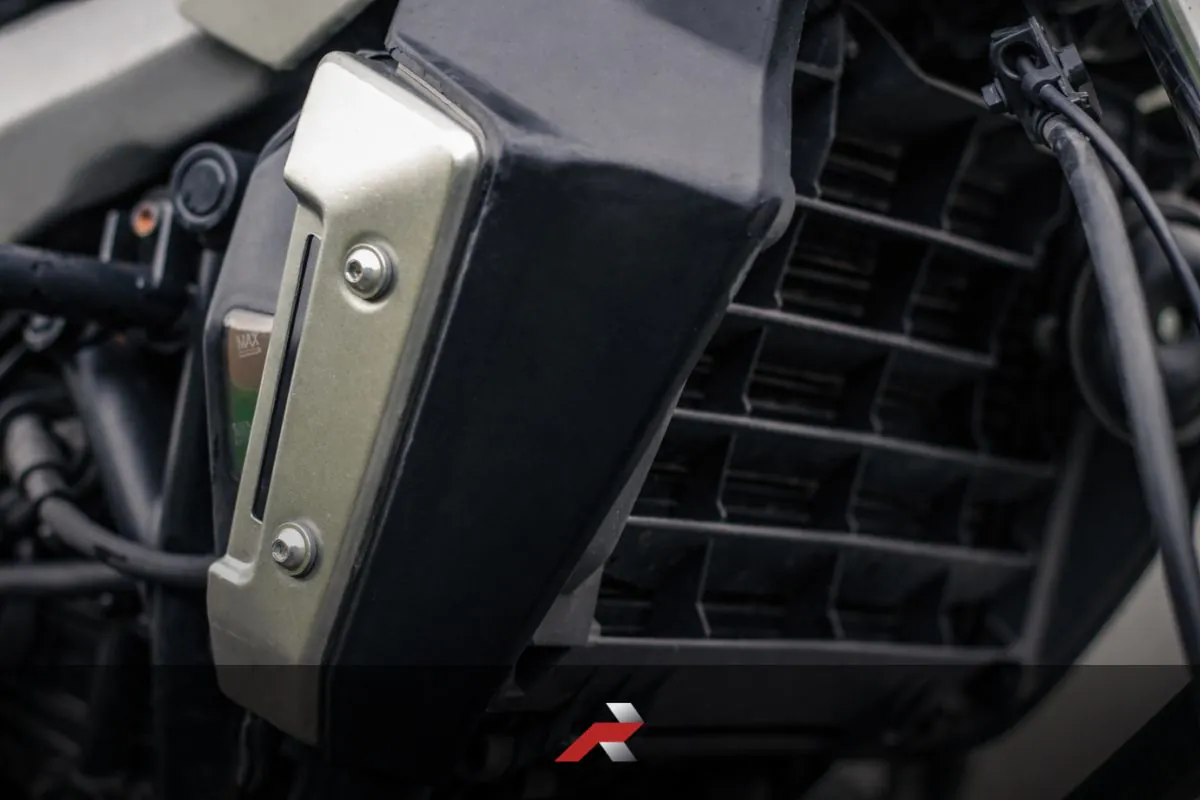
Overheating in traffic often shows up when a ride feels normal at speed but turns stressful once movement slows. Stop-and-go streets, long lights, and heat bouncing off pavement push engines harder than open roads ever do. Many riders assume airflow alone keeps things safe, until warning lights flicker or fans run nonstop. This guide breaks down how engine heat builds during traffic use, what usually causes it, and what habits actually help prevent it. Everything here comes from real riding patterns and workshop outcomes, not theory or scare stories.
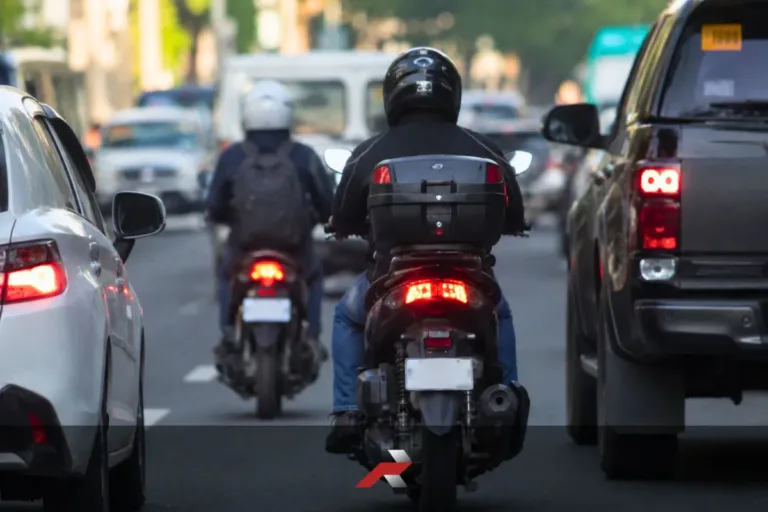
Many riders think overheating only happens on long rides or during hard pulls. In reality, overheating in traffic shows up more often during slow movement, tight streets, and long idle time.
The assumption is simple. If the bike runs fine on the highway, it should be fine everywhere. That belief breaks once airflow disappears and engine heat has nowhere to go.
Before diagnosing deeper cooling issues, it helps to review routine inspection habits. Our Motorcycle Maintenance Guide explains coolant intervals, radiator checks, fan behavior monitoring, and cleaning practices that directly reduce traffic-related heat buildup.
These insights come from real ownership patterns and workshop outcomes, especially in Metro Manila traffic where heat, congestion, and short trips stack up fast. This guide helps you spot what is happening, why it starts, and how riders quietly prevent it over time.
Traffic riding stresses an engine differently. The bike moves less, but the motor keeps working. Cooling systems rely on airflow, fan response, and clean passages to manage temperature.
You usually notice the change in small ways. The fan runs longer. Idle feels rougher. Heat radiates through the seat and tank. None of these feel urgent at first.
In many cases, the issue connects to maintenance timing rather than sudden failure. A real-world ownership situation tied to delayed service often shows up as creeping heat, similar to what is discussed in a related maintenance discussion on late coolant changes and engine heat problems.
Traffic heat is not dramatic. It builds quietly. That is why riders miss it.
The first place overheating in traffic becomes obvious is stoplight cycling. Each red light traps heat. Each green barely clears it.
The radiator fan may compensate at first. Over time, it struggles if airflow is blocked or fluid quality drops. You are not pushing the bike hard, yet the temperature keeps climbing.
This is common on short daily trips where the engine never fully stabilizes.
Engines cool best when air moves freely through the radiator. In traffic, that flow disappears.
Even a healthy system works harder. Add dust, bent fins, or old coolant, and the margin disappears.
Most overheating complaints point to the engine itself. In reality, the cause often sits around it.
Cooling systems are simple but unforgiving. Any weakness shows faster in traffic than on open roads. One of the most overlooked causes is delayed coolant replacement. Old coolant loses its ability to transfer heat efficiently and protect internal passages from corrosion. For a deeper explanation, read Late Coolant Change and Engine Heat Problems in Daily Motorcycle Use to understand how fluid condition directly affects temperature stability.
Old coolant loses heat transfer ability. Hoses harden. Radiator fins collect grime.
None of this causes instant failure. Instead, the system becomes less efficient every month.
Lean mixtures burn hotter. Dirty injectors or clogged filters affect burn quality.
Traffic riding amplifies this. Low speeds mean less airflow to compensate for combustion heat.
After any cooling-related service, ride the bike in traffic for fifteen minutes before parking it overnight. If the fan cycles normally and shuts off, the system is bleeding air properly. If it keeps running after shutdown, ask the shop to recheck trapped air before it becomes a long-term issue.
When heat becomes noticeable, riders face a few common options. None are perfect. Each has trade-offs.
Some change riding habits. Others adjust maintenance timing. A few modify parts.
Refreshing coolant, cleaning the radiator, and checking fan operation restores factory performance.
This approach costs less and preserves reliability. It works best when done early.
Avoiding long idle periods helps. Rolling slowly instead of stopping completely keeps airflow moving.
These changes cost nothing but require awareness.
Some install higher-performance fans or coolant additives. Results vary by bike and use.
A local comparison published by Top Gear Philippines discusses how traffic conditions exaggerate cooling system limits, especially on bikes designed for open-road airflow.
| Approach | Cost Range | Effect in Traffic | Trade-Off |
|---|---|---|---|
| Coolant refresh | Low | High | Requires proper bleeding |
| Radiator cleaning | Low | Moderate | Temporary if riding dusty routes |
| Fan upgrade | Medium | Moderate | Electrical load increases |
| Riding habit change | Free | Moderate | Requires attention |
| Additive use | Low | Variable | Not a fix for worn parts |
Numbers vary by model and service quality. No option works alone.
Heat problems rarely appear overnight. Patterns form slowly.
After months of traffic use, riders report fans activating sooner. Idle feels warmer. Fuel consumption creeps up.
Ignoring these signs leads to larger costs later. Warped hoses, brittle seals, and sensor errors follow.
An international long-term ownership reference from FortNine often points out how traffic heat accelerates wear that open-road riding hides.
Overheating in traffic does not usually cause immediate breakdowns. It shortens component life quietly.
Sensors drift. Rubber parts age faster. Electrical connectors cook over time.
By the time warning lights appear, damage has already started.
Heat issues affect more than the engine. They affect time.
Unexpected shop visits disrupt schedules. Cooling repairs often require waiting for parts or proper bleeding.
Costs stay manageable when addressed early. They rise sharply once hoses burst or fans fail.
Traffic heat also affects confidence. Riders avoid certain routes or times, changing daily routines.
When booking service for heat-related concerns, describe riding conditions instead of symptoms. Saying the fan runs longer after traffic rides gives better results than saying the bike feels hot. Technicians diagnose faster with context.
Slow movement reduces natural airflow through the radiator, forcing the cooling fan to compensate. In prolonged stop and go conditions, heat builds faster than it dissipates, especially in hot urban environments.
Frequent fan activation in traffic is normal. However, continuous operation even after shutdown may indicate trapped heat, restricted airflow, aging coolant, or early signs of cooling system inefficiency.
Yes. Over time, coolant loses heat transfer efficiency and corrosion protection. In traffic, degraded coolant struggles to regulate temperature properly, increasing the likelihood of overheating during extended idle periods.
Larger engines generate more combustion heat, but overheating in traffic usually relates more to airflow limitation and maintenance condition than displacement alone. Poor coolant health affects all engine sizes.
Increased speed improves airflow and temporarily lowers temperature. However, if overheating consistently appears in traffic, the root cause often lies in coolant condition, radiator cleanliness, or fan performance.
Addressing traffic-related heat early reduces repeat cooling part replacements that often fail from prolonged urban idling rather than actual wear.
RobiMotoPH
Overheating in traffic is not about riding hard. It is about how heat builds when movement slows and systems age quietly.
Once you recognize the patterns, the fixes feel straightforward. Most issues come down to timing, attention, and understanding how stop-and-go traffic stresses the cooling system.
Long-term heat management also requires seasonal preparation. For a practical and preventive approach, review our Summer Heat Riding Preparation Checklist for Daily Motorcycle Use in the Philippines to ensure your coolant, airflow, electrical load, and riding habits are aligned with local climate demands.
Heat will always exist. Managing it calmly keeps rides predictable, reliable, and stress-free.