Skip to content
Contact & Community
📍 Metro Manila, Philippines
🌐 robimotoph.com
✉️ hello@robimotoph.com
📱 +63 917 517 0594
📍 Metro Manila, Philippines
🌐 robimotoph.com
✉️ hello@robimotoph.com
📱 +63 917 517 0594

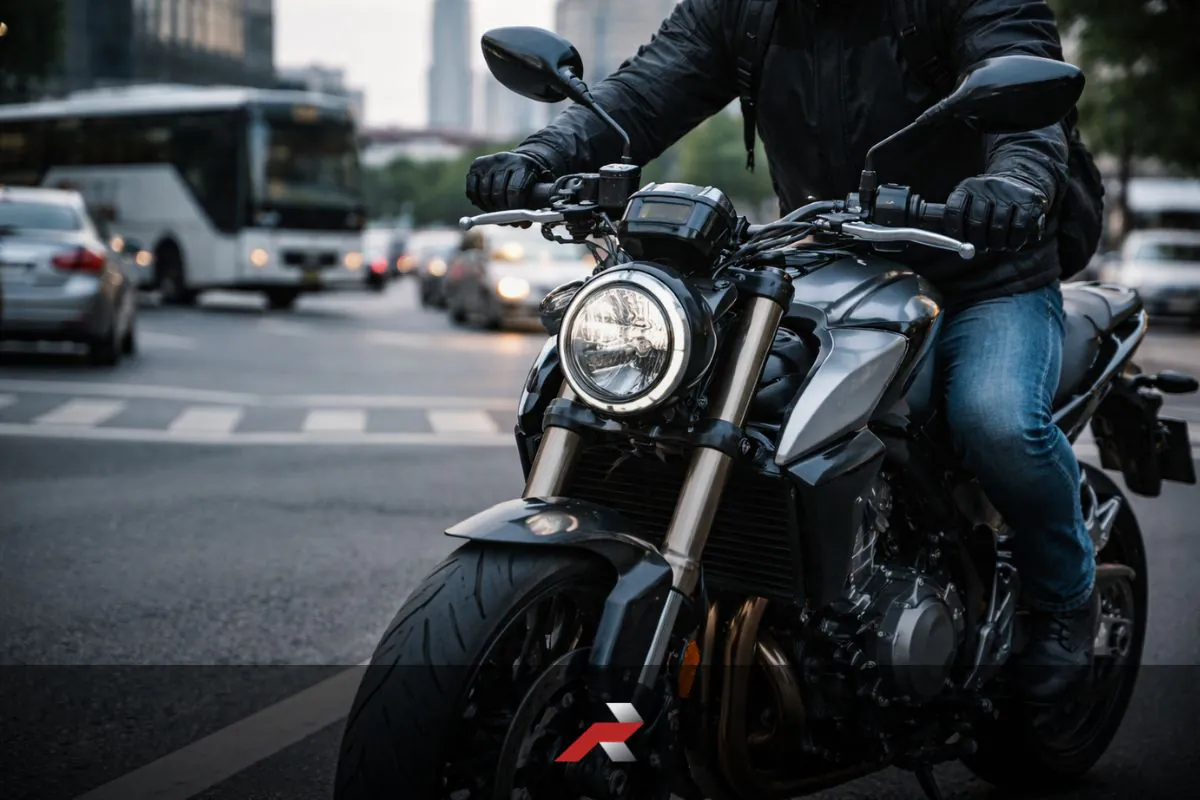
Spec sheets look clean on paper, but riding rarely is. In traffic, heat, and uneven roads, what matters shows up slowly. Numbers promise power, efficiency, and comfort. Real use tests patience, balance, and judgment. Many riders discover gaps between claims and reality after weeks of commuting or weekend runs. This discussion looks at how experience reshapes decisions over time. It focuses on city riding, stop and go movement, service visits, and ownership trade offs. The goal is clarity, not persuasion. What you feel on the road often matters more than what you read before buying.
Most buyers believe spec sheets tell the whole story, but why experience beats spec sheets becomes clear once riding turns routine. Power figures, torque curves, and fuel claims feel convincing at first. Then traffic happens.
Heat builds during long stops. Roads shake suspensions. Small design choices become daily companions or quiet annoyances. Those moments rarely appear in brochures or comparison charts.
These observations come from long use, not test rides. They reflect what shows up after weeks of riding, service visits, and real ownership. The value is simple. You understand what lasts and what fades.
Spec sheets usually assume ideal conditions. Smooth roads. Perfect fuel. Short rides. Real riding rarely fits that frame. The first surprise often comes during slow movement. Throttle response that felt sharp during a demo ride may feel jumpy in traffic. Claimed fuel efficiency drops once heat soak becomes normal.
Seat height numbers do not explain how weight settles at low speed. Suspension travel does not show how harshness appears on broken pavement. Even braking figures feel different when repeated stops stack heat into the system.
This gap shows why experience beats spec sheets during daily riding. What matters is not peak output. It is how the machine behaves when tired, hot, and loaded. Riders often adjust habits to work around these traits. Over time, those adjustments shape satisfaction more than raw numbers ever did.
Early research still matters, though. A practical riding reference like a real-world ownership situation helps frame expectations before money changes hands.
Traffic exposes things spec sheets hide. Clutch feel becomes important. Gear ratios stop being abstract. Cooling systems reveal their limits. A bike with impressive horsepower may feel exhausting in slow movement.
Heat management becomes personal. You feel it on your legs. You smell it during stops. No brochure explains how tolerable that becomes after months. Riders notice vibration patterns, not vibration figures. Some engines feel smoother at speed but tiring at idle.
Over time, riders value calm behavior more than aggressive tuning. That shift rarely shows up in buying guides. It comes from repetition. When the route stays the same, comfort and predictability start winning.
Ride feel grows in importance as novelty fades. Steering weight, balance, and feedback matter more than acceleration numbers. These qualities are hard to quantify. They show up during U turns, parking, and quick lane changes.
Many riders realize later that confidence reduces fatigue. A bike that forgives mistakes feels easier to live with. That trait never appears on a spec list.
Numbers still serve a role. They filter extremes. Weight figures warn smaller riders. Fuel capacity hints at range. Tire sizes affect availability. Specs guide shortlists, not final decisions.
Experience finishes the decision.
After a service visit, ride the same familiar route at the same time for three days before judging changes. Consistent conditions make it easier to feel what improved and what only feels different.
Riders face trade offs. One option promises better figures. Another feels easier to manage. Neither is wrong. The decision depends on tolerance and routine.
Some choose performance and adapt habits. Others choose ease and accept limits. Cost plays a role. So does service access. A bike that needs frequent attention feels heavier to own.
Local rider discussions documented by Ride PH often show how opinions change after months, not weeks. Early excitement cools. Practical concerns surface. Owners start talking about heat, parts availability, and resale.
Those conversations reveal patterns. Satisfaction aligns with fit, not peak claims.
| Aspect | Spec Sheet Expectation | Experience Over Time |
|---|---|---|
| Fuel use | Based on ideal testing | Drops in traffic |
| Engine heat | Within limits | Noticeable during stops |
| Comfort | Static measurements | Depends on posture and roads |
| Maintenance | Scheduled intervals | Affected by use style |
| Handling | Tested on smooth surfaces | Changes on broken pavement |
Numbers guide. Experience decides.
The first months feel forgiving. Everything feels new. After that, small things stand out. Cable routing matters. Switch placement matters. Storage options matter.
Riders often regret ignoring weight distribution. What felt manageable becomes tiring when tired yourself. Some learn that reliability feels different from durability. A tough engine still causes downtime if parts take long to arrive.
Mistakes repeat. Buying based on hype. Ignoring service access. Overestimating tolerance for heat or stiffness. These lessons come from use, not reading.
International ownership references from Bennett’s BikeSocial echo similar patterns. Long term reviews focus less on numbers and more on living with the machine.
Ownership costs extend beyond price. Time off the road matters. Waiting for parts matters. Frequent small issues feel heavier than rare big ones.
Spec sheets rarely hint at downtime. Experience reveals it. A bike that runs well but needs constant adjustment consumes attention. Another with modest figures but predictable behavior frees time.
Convenience shapes loyalty. Riders stick with machines that ask less. That choice often surprises new buyers.
Near the end of ownership reflection, a familiar rider experience like a long-term ownership reflection helps frame why perceptions change with time.
When talking to a mechanic, describe symptoms using riding situations, not parts names. It speeds diagnosis and avoids unnecessary replacements.
Because early riding happens under lighter use and higher excitement.
They still inform maintenance and parts, but less daily satisfaction.
They help, but short rides hide long term traits.
It depends on your routine and tolerance.
Most riders adjust priorities after months of use.
Choosing a bike that feels manageable in real use often reduces early part replacements caused by strain rather than failure.
RobiMotoPH
Why experience beats spec sheets becomes obvious once riding turns routine. Numbers help narrow choices, but lived use reveals fit. Over time, confidence, comfort, and predictability shape satisfaction more than claims. When decisions come from observation rather than promises, ownership feels calmer and clearer.