 Skip to content
Contact & Community
📍 Metro Manila, Philippines
🌐 robimotoph.com
✉️ hello@robimotoph.com
📱 +63 917 517 0594
📍 Metro Manila, Philippines
🌐 robimotoph.com
✉️ hello@robimotoph.com
📱 +63 917 517 0594

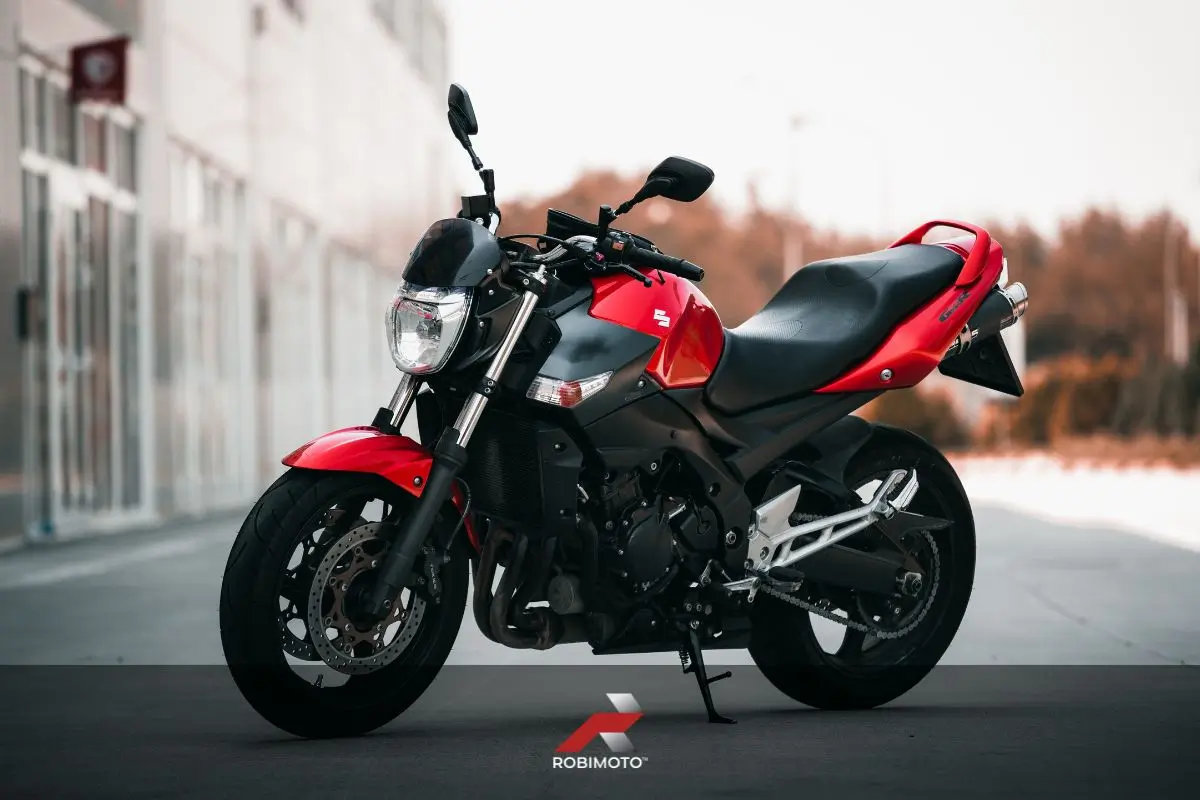
Reading motorcycle reviews can feel like chasing mixed signals — numbers on one page, emotions on another. This article helps you decode them with balance and clarity. We’ll talk about what truly matters in a review, how local conditions in the Philippines change the story, and how honest feedback builds a sustainable riding culture. From real-world performance to long-term ownership, learn how to separate hype from truth and pick a motorcycle that fits both your lifestyle and values. Because smart riding isn’t just about speed — it’s about making every choice count.
If you’ve ever read a handful of motorcycle reviews and still felt unsure which bike or gear to trust, you’re not alone. We’ve all been there—reading spec sheets, watching ride-clips, scanning comments—while trying to decide. In fact one of my earlier posts on our site tackled the beginner motorcycle buying guide and laid out how to avoid common traps. Now we’ll dig deeper into how reviews can serve you better.
When evaluating bikes, “motorcycle reviews” serve as your map rather than your destination. They give you more than raw specs—they provide context, rider feedback, conditions and anecdotes. This matters especially here in the Philippines where roads, weather and maintenance conditions differ from international test circuits. For example local review platforms like MotoPinas offer honest Philippine-market reviews of models in real-world conditions.
They also help you filter models by fit, purpose and lifecycle. And importantly, they can include sustainable angles—how well a bike holds up, how repair-friendly it is, how waste-conscious its maintenance demands are. That leads us into how to read reviews.
Start with the ride impression—does the reviewer ride on terrain similar to yours? Urban traffic, province roads, heavy rains? The closer it aligns, the more meaningful it becomes. Then check the ownership outlook: durability, parts availability, cost of maintenance. Next, look for local relevance: in the Philippines, what’s the dealer support, warranty terms, community access?
Reviews sometimes glamorize “first rides” or promo units that might not reflect long-term ownership. They may miss how local service networks hold up or how the bike performs beyond showroom conditions. Also watch for overly polished language: transparency counts more than hype. For example, when a reviewer mentions “the brakes felt soft after 5,000 km,” that real-world experience is gold.
A strong review for “motorcycle reviews” describes how the bike feels on the throttle, how it handles corners and bumps, how comfortable the seating is over hours. Real-world rider feedback beats only quoting horsepower and torque.
Yes, you need specs: displacement, power, torque, weight, fuel consumption. But they should be paired with context: what does 150 kg weight feel like in city traffic? What does 4 L/100 km fuel economy mean for your budget in Manila? For example, lists of popular models in the Philippines show pricing and specs across scooters and bikes.
This is where many reviews fall short, but it’s critical. Good reviews cover parts availability, how costly or easy servicing is, resale value, and whether the bike is built to last. If a bike needs rare imported parts, that’s a red flag. A review could transparently discuss long-term costs, downtime, and community support—such review elements really lift trust.
When you compare bikes, keep a spreadsheet: model, review score, maintenance notes, community feedback. Then revisit it after reading 3-5 reviews.
There will always be gaps between the ideal review and your real-life conditions. Maybe the reviewer rode in dry weather, you ride in heavy monsoon. Maybe they had pristine roads, you have potholes and floods. So take their strengths and limitations, and ask: does this apply to my commute, terrain, budget?
Also consider supply chain differences: a bike might be well-reviewed internationally, but locally spare parts or dealer network might be weak. For example, Philippine local motorcycle review sites regularly point out how local conditions differ.
Review Content Checklist for the Rider
| Item | Why it matters |
|---|---|
| Ride impressions | Helps you feel if the bike matches your style |
| Maintenance cost | You’ll pay this over years, not just once |
| Spare parts availability | Keeps downtime low and costs manageable |
| Resale value | Affects long-term ownership and sustainability |
| Community feedback | Reveals real ownership stories, beyond test-ride |
Now you’ve read several “motorcycle reviews” and have notes. It’s time to narrow your favourite models down to a shortlist of 2-3 bikes. Then re-read the ownership/maintenance part thoroughly. Visit local shops, talk to riders.
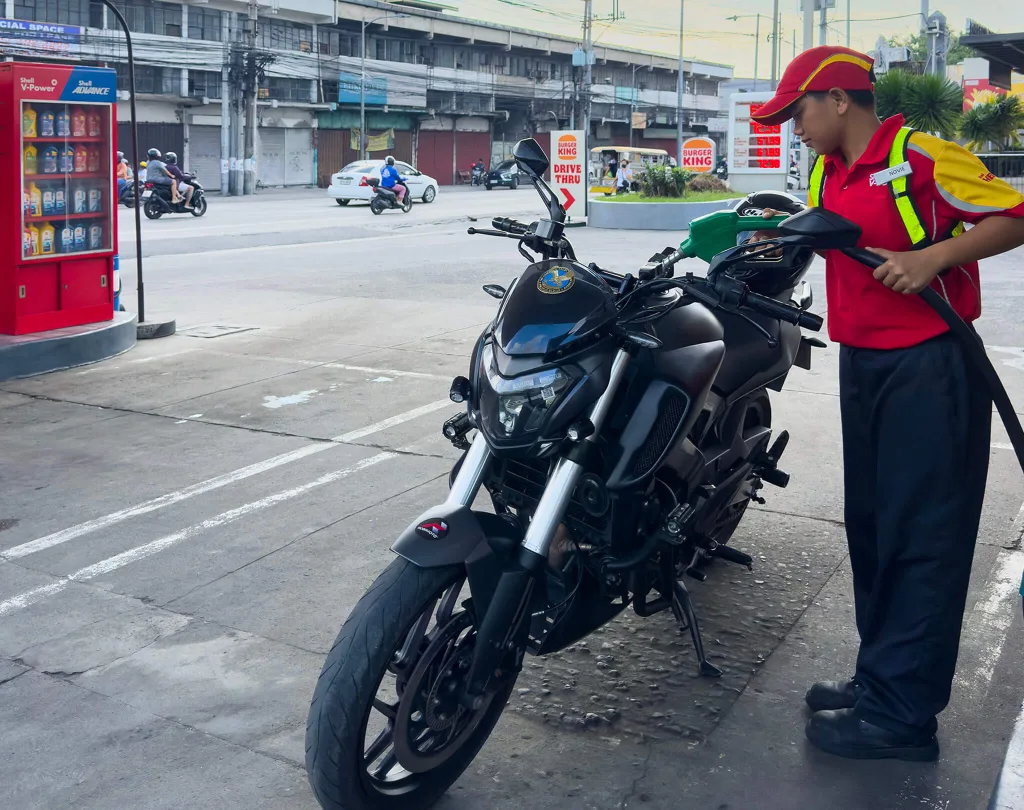
Explore more about our earlier article on beginner bikes for added depth.
Pick the one model that ticks most of your boxes: performance, comfort, local support, repair friendliness. Make sure you factor in sustainability: choosing brands or models that have good parts support and community backing reduces waste and extends bike life.
When choosing, request a test ride under conditions similar to your daily use. After riding, ask: would I still pick this after six months of use?
In the world of motorcycle reviews the right information gives you confidence, not confusion. By focusing on real ride feel, maintenance realities, and local relevance you empower your decision. Whether you’re a commuter, weekend adventurer or full-time rider, the right review equips you. When you compare multiple motorcycle reviews you’ll spot patterns, strengths and weaknesses, and ultimately trust your decision.
How Honest Reviews Drive a Sustainable Motorcycle Culture

You must be logged in to post a comment.







Simple Rider Habits That Slowly Damage the Motorcycle Community | Real-World Ride Commentary