Skip to content
Contact & Community
📍 Metro Manila, Philippines
🌐 robimotoph.com
✉️ hello@robimotoph.com
📱 +63 917 517 0594
📍 Metro Manila, Philippines
🌐 robimotoph.com
✉️ hello@robimotoph.com
📱 +63 917 517 0594


Poor fuel consumption often shows up quietly during city riding. Daily traffic, short trips, stop and go movement, and warm engines can slowly change how a motorcycle drinks fuel. Many riders assume fuel economy drops only because of traffic or fuel prices. In reality, several small factors stack up during daily use. This article looks at poor fuel consumption causes in city riding based on real riding conditions. It explains how the issue appears, what choices riders face, and how ownership habits affect long term fuel use without hype or theory.
Many riders believe poor fuel consumption is simply part of city riding. Traffic feels endless, roads stay crowded, and fuel stops come sooner than expected. Over time, that pattern feels normal.
But poor fuel consumption in city riding is not random. It is usually mechanical, behavioral, or maintenance-related. According to the practical framework discussed in Motorcycle Maintenance in the Philippines: A Real-World Guide for Riders, small neglected components often create gradual efficiency loss long before dramatic symptoms appear.
Poor fuel consumption causes in city riding typically start small. They build through daily habits, harsh traffic conditions, short trips, and overlooked service intervals. The bike feels fine. The throttle responds. Yet the fuel gauge drops faster.
This guide explains the most common real-world causes so daily riders can diagnose patterns early and make calm, practical decisions instead of guessing.
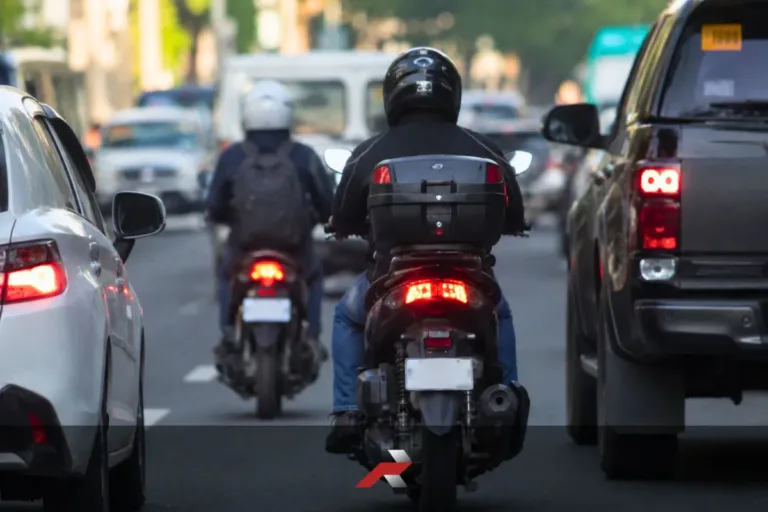
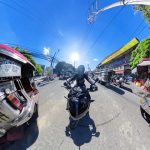
Poor fuel consumption often becomes obvious during short city rides. Engines rarely reach full operating efficiency before the next stoplight. Riders deal with traffic signals, filtering through congestion, slow rolling lanes, and uneven throttle inputs that constantly shift between acceleration and braking.
This pattern is common on scooters and mid-displacement motorcycles used daily in Metro Manila. The route stays the same. The riding style feels familiar. Nothing sounds wrong. The engine runs smoothly. Yet the fuel gauge drops sooner than it used to.
City conditions alone can distort fuel numbers. A real-world ownership example appears in the Bristol ADX 160 Fuel Consumption: Real-World City Riding Insights from Filipino Owners breakdown, which shows how stop-and-go traffic and urban heat can significantly shift real consumption figures even without mechanical faults.
Idle time quietly adds to the problem. Waiting at intersections burns fuel without adding distance. Repeated short trips prevent proper engine stabilization. Over weeks, these small inefficiencies compound.
The result is not sudden failure. It is gradual loss. And gradual loss is harder to notice.
After a service, ask the mechanic if idle speed was adjusted or left untouched. Small idle changes can affect city fuel use more than riders expect.
City riding forces compromises. Riders choose convenience over efficiency. Short trips replace longer rides. Warm up times shorten or disappear.
Throttle habits change too. Sudden bursts to clear gaps increase fuel use. Riding heavier loads adds strain. Even tire pressure decisions matter.
Some riders choose aftermarket exhausts or larger tires for comfort or looks. These changes are not wrong. They simply alter fuel behavior.
The key is awareness. Not every change needs reversing.
Poor fuel consumption in city riding is rarely caused by one dramatic failure. It usually builds from layered factors that interact over time. A practical example appears in Delayed Air Filter Replacement and Fuel Economy Loss in Daily Motorcycle Use, where restricted airflow quietly increases fuel use without obvious warning signs.
Urban riding conditions amplify small inefficiencies. Short trips, idle time, tire pressure, and throttle habits combine to shift fuel numbers gradually. The table below summarizes the most common city-related contributors and their long-term impact.
| Factor | City Effect | Long Term Result |
|---|---|---|
| Short Trips | Engine stays warm | Higher average fuel use |
| Heavy Traffic | More idle time | Fuel burned without distance |
| Tire Pressure | Higher rolling resistance | Reduced efficiency |
| Extra Weight | Increased engine load | Faster fuel drop |
| Aggressive Starts | Rich fuel bursts | Lower city range |
Numbers vary by bike and rider. Patterns remain consistent across platforms.
Over time, riders notice patterns. Fuel economy worsens gradually, not suddenly. City routes feel shorter. Refueling becomes more frequent.
Some riders blame fuel quality immediately. Others suspect engine issues. Often, nothing mechanical is failing.
Extended city use highlights habits. Frequent short errands hurt fuel economy more than long rides. Carrying gear daily adds weight.
International rider discussions documented on ADVrider show similar observations across cities worldwide. Traffic behavior changes fuel usage everywhere.
Poor fuel consumption affects more than cost. Extra fuel stops waste time. Frequent refueling interrupts daily routines.
Over time, engines running rich may require earlier servicing. Spark plugs wear faster. Carbon buildup increases slowly.
Riders often feel these effects during ownership, not immediately. The inconvenience grows quietly.
If fuel consumption changes after replacing tires or brakes, give yourself two weeks of riding before judging results. New parts often settle after real city use.
Stop-and-go riding increases idle time and forces uneven throttle inputs. The engine constantly adjusts between acceleration and braking, burning fuel without steady momentum, which reduces overall efficiency during heavy traffic conditions.
Yes. Short trips prevent the engine from reaching optimal operating temperature. Without full stabilization, combustion remains less efficient, leading to higher fuel use compared to longer rides where the engine runs consistently.
Yes. Low tire pressure increases rolling resistance, forcing the engine to work harder to maintain speed. Over time, this additional load results in higher fuel consumption and reduced overall riding efficiency.
No. Many cases result from riding conditions, traffic patterns, throttle habits, and maintenance timing. Mechanical faults can contribute, but daily usage factors often play a larger role in city environments.
Generally, yes. City riding involves frequent stops, idling, and speed changes, which reduce efficiency compared to steady open-road riding where engines operate under more stable and optimized conditions.
Reducing unnecessary parts replacement caused by misunderstood fuel consumption helps extend motorcycle service intervals and lowers unplanned downtime.
RobiMotoPH
Poor fuel consumption causes in city riding rarely come from one issue. They build through habits, traffic exposure, maintenance timing, and daily usage patterns over time.
Seeing the issue clearly helps riders stay calm and informed. A broader ownership perspective appears in Real Cost of Owning a Big Bike in the Philippines (2026 Conservative Breakdown), where fuel, maintenance cycles, and operating realities are viewed together instead of in isolation.
Fuel behavior makes more sense when evaluated as part of total ownership, not just one tank at a time.