Skip to content
Contact & Community
📍 Metro Manila, Philippines
🌐 robimotoph.com
✉️ hello@robimotoph.com
📱 +63 917 517 0594
📍 Metro Manila, Philippines
🌐 robimotoph.com
✉️ hello@robimotoph.com
📱 +63 917 517 0594


Fuel efficiency is one of the biggest deciding factors for Filipino riders choosing a daily scooter. In this in depth breakdown, we examine the Bristol ADX 160 fuel consumption using real owner data, riding habits, and city traffic conditions. From stop and go commuting to relaxed cruising, this article explains why some riders see 30 km per liter while others reach higher numbers. We also explore rider weight, throttle behavior, maintenance habits, and long term ownership lessons. If you are considering the ADX 160 or already own one, this guide helps you set realistic expectations and ride smarter every day.
Bristol ADX 160 fuel consumption is one of the most discussed topics among Filipino scooter riders today, especially for those riding daily in heavy city traffic. Many owners compare real world figures the same way riders do in Honda ADV350 Fuel Consumption: What Filipino Riders Need to Know. These shared experiences reveal patterns worth unpacking before we go deeper.
The Bristol ADX 160 fuel consumption figures vary widely because city riding in the Philippines is unpredictable. Most owners report averages between 30 to 37 km per liter under normal conditions. Traffic lights, sudden braking, and uneven roads all contribute to higher fuel use. Riders who commute during peak hours often experience lower figures. Meanwhile, relaxed weekend rides show better results. This variation is normal for a 160 cc automatic scooter. Understanding this context helps riders avoid unrealistic expectations.
Many owners online share honest data instead of marketing claims. Transparency like this builds trust within the riding community. It also encourages mindful riding instead of chasing numbers. Over time, this awareness reduces stress and unnecessary mechanical strain.
Rider weight plays a noticeable role in fuel consumption. Owners weighing between 80 to 90 kg often report figures closer to 30 km per liter. Heavier riders or those carrying cargo may see slightly lower results. Throttle habits matter even more. Smooth acceleration preserves fuel, while aggressive starts quickly reduce efficiency.
According to a local motorcycle review, small displacement scooters achieve better efficiency when throttle inputs are gradual and speed is kept consistent in traffic. This observation matches owner feedback from ADX 160 groups. Urban riding rewards patience more than speed. Riding with intention not only saves fuel but also extends belt and clutch life.
| Riding Condition | Average Fuel Consumption |
|---|---|
| Heavy city traffic | 28–32 km/L |
| Normal city riding | 30–35 km/L |
| Relaxed cruising | 35–37 km/L |
| Mixed city and highway | 32–36 km/L |
Table based on owner reports using fuel tank method.
Many riders ask if the digital panel accurately shows fuel consumption. In reality, panel readings often differ from actual results. The fuel tank method remains the most reliable way to measure consumption. Riders reset the trip meter, refill the tank, and calculate manually.
According to a long-running motorcycle engineering column, digital readouts on scooters can vary depending on calibration and riding patterns. This explains why some ADX 160 owners see higher numbers on the screen than in real usage. Knowing this prevents frustration and helps riders trust manual tracking.
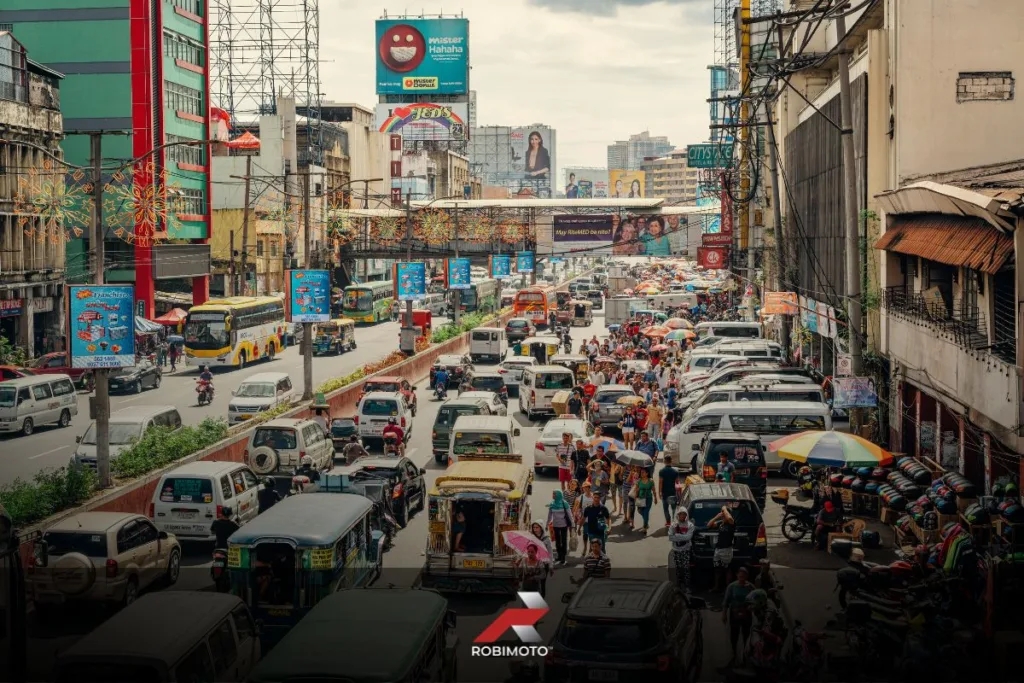
Explore more about practical ownership insights in Best City Bike Ride in the Philippines: Scooters and Motorcycles That Actually Work in Daily Traffic
City riding punishes fuel efficiency more than open roads. Frequent stops and slow traffic keep the engine working harder. On open provincial roads, the ADX 160 maintains steady RPMs. This results in better fuel use and smoother operation.
However, most Filipino riders spend more time in cities than highways. Accepting this reality helps set healthier expectations. Instead of chasing highway numbers daily, riders can focus on consistency. This mindset supports sustainability by reducing unnecessary stress on the engine and transmission.
Regular maintenance directly impacts fuel consumption. Dirty air filters restrict airflow and reduce efficiency. Worn CVT components cause power loss. Proper servicing every few thousand kilometers keeps the ADX 160 running smoothly.
Supporting local service shops also strengthens the riding community. Skilled mechanics help riders identify issues early. This prevents costly repairs and reduces waste from neglected parts. Small habits like timely oil changes contribute to both savings and sustainability.
Choosing consistent maintenance over shortcuts helps extend the life of the Bristol ADX 160 while reducing unnecessary mechanical waste.
In real world conditions, Bristol ADX 160 fuel consumption averaging around 30 km per liter during city riding is normal and realistic. Rider weight, traffic, throttle control, and maintenance habits all play crucial roles. Instead of chasing perfect numbers, focusing on smooth riding and proper care delivers better long term value. For daily Filipino commuters, understanding these factors turns the ADX 160 into a reliable and efficient partner on the road.