Skip to content
Contact & Community
📍 Metro Manila, Philippines
🌐 robimotoph.com
✉️ hello@robimotoph.com
📱 +63 917 517 0594
📍 Metro Manila, Philippines
🌐 robimotoph.com
✉️ hello@robimotoph.com
📱 +63 917 517 0594

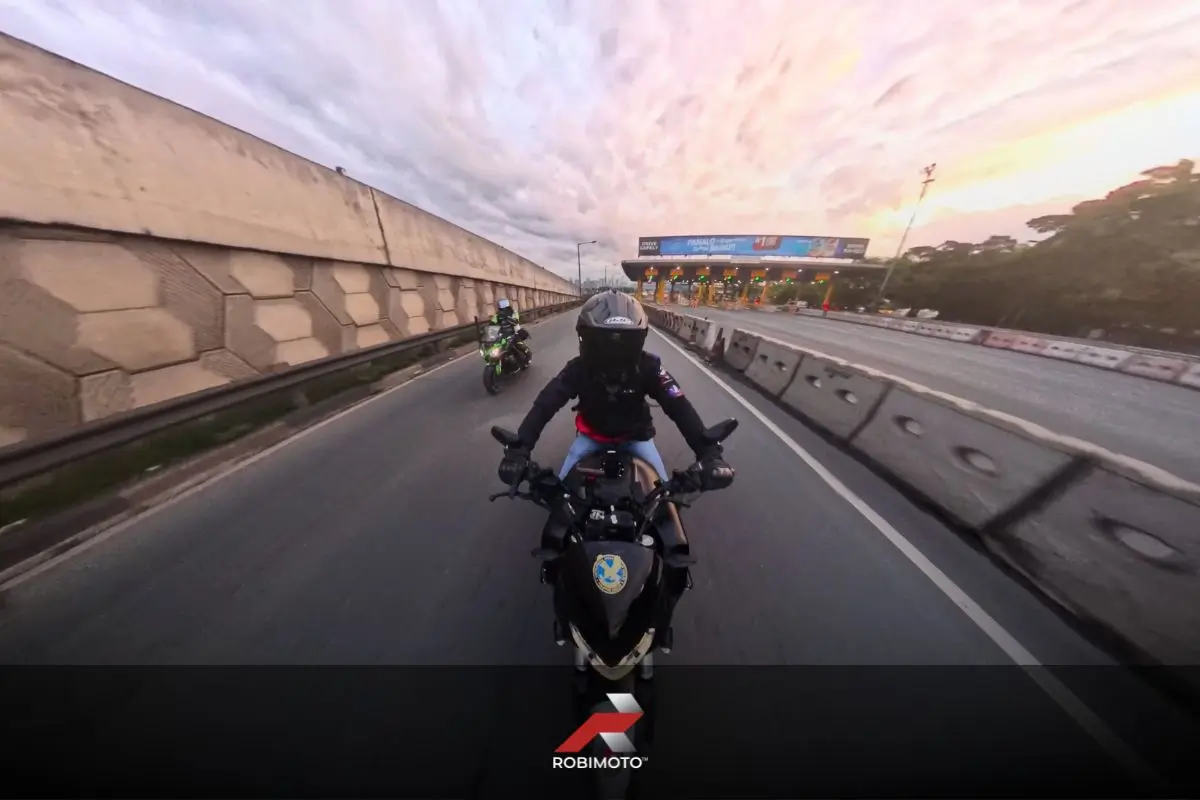
Small habits often shape the reputation of an entire riding community. In this ride-based commentary, a simple motorcycle chain cleaning session turns into a deeper reflection on motorcycle community habits that slowly affect safety, respect, and public perception. From careless signaling to ignoring fellow riders in need, these behaviors may seem minor but carry long-term consequences. This article expands on a real-world moto vlog, connecting daily riding experiences with the mindset required to improve the motorcycle community over time. It is not a rant, but a grounded discussion meant to encourage better discipline and responsibility on every ride.
Motorcycle community habits are often shaped by small, everyday decisions made on the road. Most of the time, these habits feel normal. They rarely cause immediate trouble. However, over time, they influence how riders are perceived, how safe the roads feel, and how strong the riding community becomes.
This reflection began during a simple motorcycle chain cleaning session. What started as routine maintenance turned into a ride-based conversation about responsibility, discipline, and awareness. As the ride continued, familiar scenes appeared on the road. These moments highlighted how motorcycle community habits, when ignored or repeated without thought, can slowly affect everyone.

Motorcycle communities do not collapse because of one major incident. Instead, they weaken through repetition of small behaviors that go uncorrected. Over time, these habits become normalized.
For example, when unsafe riding feels common, other road users begin to expect it. As a result, trust decreases. Tension increases. Riders who follow the rules often get grouped with those who do not. Eventually, the entire community feels the impact.
Motorcycle community habits shape public perception, road safety, and even how riders treat one another. Because of this, self-awareness matters just as much as skill.
One of the most common motorcycle community habits is skipping turn signals. Many riders do this when they feel confident or rushed. Unfortunately, this habit creates unnecessary risk.
Without clear signals, other drivers and riders cannot anticipate movement. Close calls become frequent. Over time, this behavior reinforces the idea that riders are unpredictable.
Clear signaling is not about speed control. Instead, it is about communication. When riders signal consistently, traffic flows better and stress levels drop. Small habits like this directly influence how safe the road feels for everyone.
Motorcycle sound is part of the riding experience. However, noise without awareness often leads to complaints and resentment. This is especially true in residential areas, schools, and places of worship.
Public advisories and enforcement updates highlight how excessive vehicle noise contributes to community complaints and road tension, as noted in official traffic and urban management guidelines. For riders who want a clearer picture of how noise limits are enforced locally, this discussion builds on a previous breakdown of loud muffler rules and real-world violations across Metro Manila.
Respecting the environment is not about limiting enjoyment. Instead, it is about choosing the right time and place. Responsible sound control reflects maturity, awareness, and consideration for shared public spaces.
Another overlooked motorcycle community habit is failing to acknowledge stranded riders. Seeing someone stopped on the roadside is common. Passing without checking often feels easier.
However, rider culture has always been built on shared experience. A simple question or pause can make a difference. Even brief acknowledgment reinforces trust within the community.
Helping does not always require tools or time. Often, awareness alone strengthens rider connections and reinforces the idea that no one rides alone.
Some riders view traffic rules as flexible suggestions. Common examples include unsecured helmets, missing documents, or ignoring basic safety requirements.
Although these actions may seem minor, their consequences can be serious. When accidents happen, these shortcuts become costly. Moreover, repeated violations influence how authorities and other drivers view riders.
According to an international motorcycle publication like Visordown, consistent rule enforcement benefits both riders and traffic flow. Discipline improves safety without sacrificing freedom.
Ego plays a major role in riding behavior. When riders are corrected or reminded, defensive reactions often follow. Unfortunately, this habit blocks growth.
No rider starts perfect. Skills improve through feedback, observation, and humility. When feedback is treated as an attack, learning stops. Over time, this mindset damages community trust.
Growth begins with listening. Riders who remain open tend to develop better judgment and stronger road awareness.
Motorcycle maintenance offers a useful parallel. When chains are cleaned regularly, performance improves. The ride becomes smoother and quieter. Problems are addressed early.
Motorcycle community habits work the same way. When small behaviors are corrected early, long-term issues become easier to manage. Waiting until problems escalate makes correction more difficult.
Maintenance is not reactive. It is preventive. Riding behavior should follow the same principle.
Awareness helps riders recognize patterns in their behavior. Once recognized, habits become easier to adjust.
When riders act responsibly every day, reputation improves naturally. Trust follows consistency.
This discussion is not a complaint. It is not a lecture. It is a reflection based on real rides, real traffic, and real encounters.
Motorcycle community habits evolve slowly. Improvement also takes time. However, meaningful change often begins with one rider choosing awareness over convenience.
Improving motorcycle community habits supports safer streets, reduced noise impact, and shared responsibility in public spaces. These small changes contribute to a more sustainable and respectful transport environment.
RobiMotoPH
Motorcycling is not only about machines. It is about behavior, decision-making, and shared responsibility. Every rider contributes to the culture, whether intentionally or not.
By adjusting motorcycle community habits, riders can improve safety, reduce tension, and strengthen public trust. Small changes matter. Over time, they define the road experience for everyone.
If you found this ride commentary helpful, feel free to visit my YouTube channel after watching the video above. Don’t forget to subscribe for more real-world motorcycle stories and ride reflections.