Skip to content
Contact & Community
📍 Metro Manila, Philippines
🌐 robimotoph.com
✉️ hello@robimotoph.com
📱 +63 917 517 0594
📍 Metro Manila, Philippines
🌐 robimotoph.com
✉️ hello@robimotoph.com
📱 +63 917 517 0594

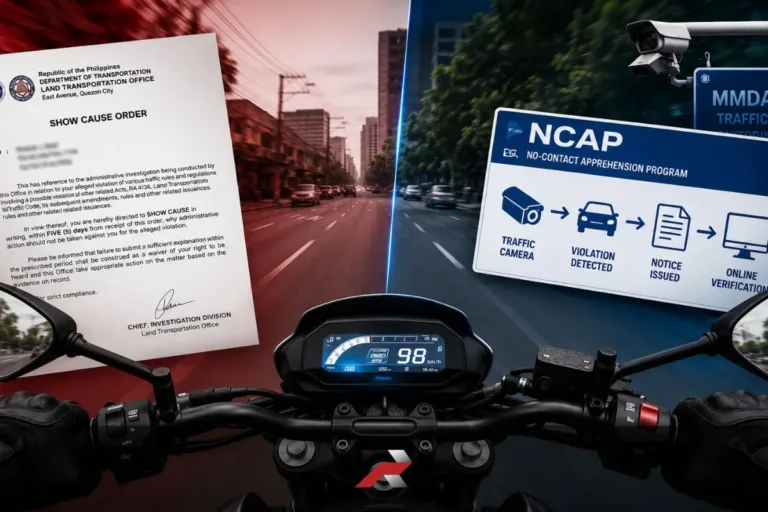
Show-Cause Order vs NCAP is an important difference for Filipino riders who post ride videos online. Many riders think both are the same because neither always involves a roadside stop. However, NCAP usually involves official traffic camera enforcement, while a show-cause order may come from a viral video, public complaint, or investigation. This guide explains how the two processes differ, why ride videos can create risk, and what motovloggers should avoid before posting speed clips or public-road content. For riders, the goal is simple: understand the process, protect your license, and post responsibly.
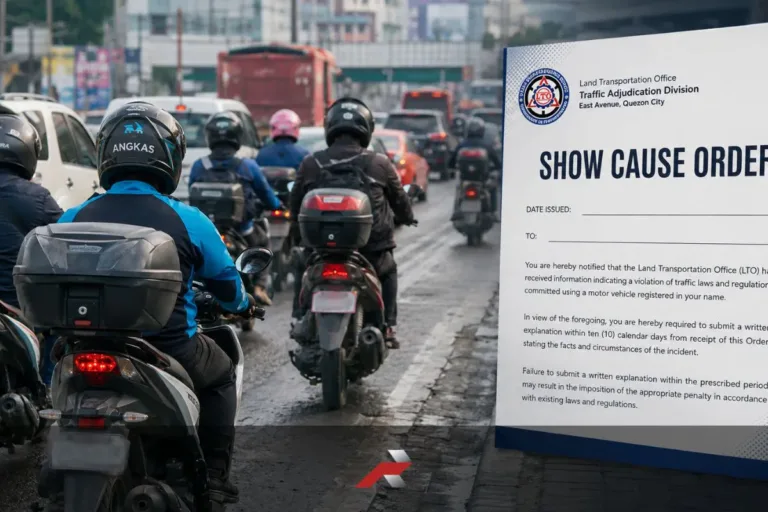
An LTO Show-Cause Order can feel intimidating, especially when it comes after a viral ride video, road rage issue, or online complaint. For Filipino riders, the safest response is not panic, denial, or public arguments. It is to understand the notice, check the details, prepare documents, and respond through the proper channel. This guide explains what riders should do first, what mistakes to avoid, and when to seek legal or official guidance. It also reminds motovloggers that public content can affect their license, reputation, and credibility. Ride smart, respond calmly, and protect your name.
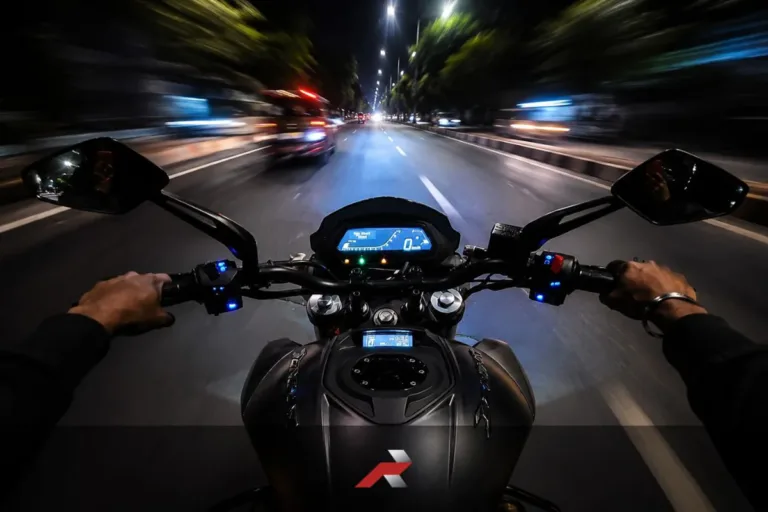
Online huli Philippines is becoming a serious concern for riders and motovloggers who post speed runs, road clips, or risky riding videos online. This guide explains whether LTO can issue a show-cause order based on public rider videos, how it differs from no-contact apprehension, and why an empty road does not automatically remove responsibility. It also discusses how captions, speed overlays, plate visibility, and viral posts can create problems for Filipino riders. More importantly, it reminds riders that good content should not put their license, reputation, or community image at risk. Ride smart, post smarter.