Skip to content
Contact & Community
📍 Metro Manila, Philippines
🌐 robimotoph.com
✉️ hello@robimotoph.com
📱 +63 917 517 0594
📍 Metro Manila, Philippines
🌐 robimotoph.com
✉️ hello@robimotoph.com
📱 +63 917 517 0594

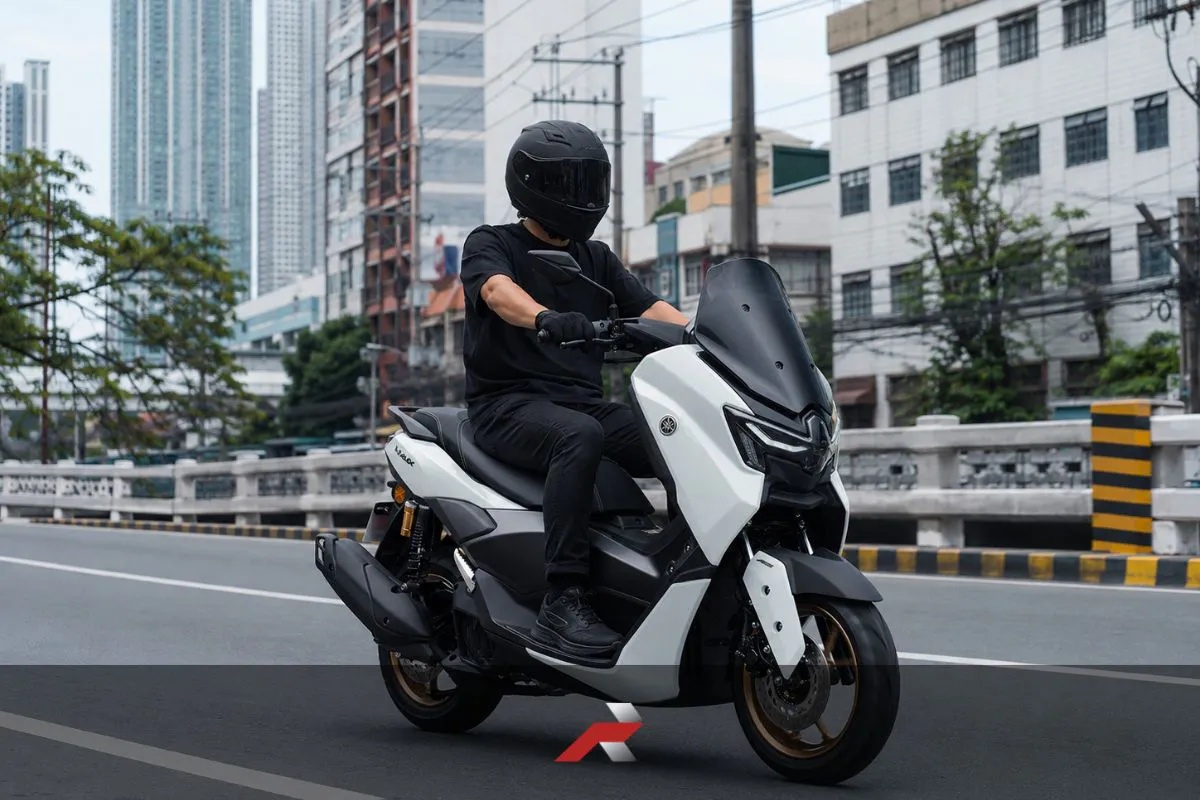
The Yamaha Nmax CVT Maintenance Guide helps Filipino riders understand how the scooter’s automatic transmission system affects takeoff, acceleration, vibration, and daily riding feel. This article explains common CVT concerns, what symptoms to watch for, what parts may need inspection, and why traffic, rain, dust, and stop-and-go commuting can affect CVT performance. It is written for Nmax owners who want practical maintenance awareness before issues become expensive.
Yamaha Nmax CVT Maintenance Guide topics matter because the CVT affects takeoff, acceleration, vibration, and daily ride feel. When Filipino riders experience jerky response, unusual noise, or delayed pull, the issue may come from the CVT system instead of the engine itself.
The Yamaha Nmax is popular because it feels easy to ride in traffic. Twist the throttle, move forward, and let the automatic system do the work. But behind that simple riding experience is a CVT system that still needs regular inspection.
In Philippine conditions, the CVT works hard. Riders deal with stop-and-go traffic, dusty roads, wet streets, heat, back rides, and short trips. These conditions can make wear more noticeable, especially when maintenance gets delayed.
For riders who want a broader look at ownership issues, the Yamaha Nmax Problems guide explains how CVT concerns fit with other common issues such as fuel use, brakes, battery, and maintenance cost.
The Yamaha Nmax CVT transfers engine power to the rear wheel through a belt-driven automatic system. It adjusts power delivery without manual shifting, which makes the scooter easier to ride in traffic. When CVT parts wear, riders may feel jerky takeoff, vibration, delayed acceleration, or unusual noise.
| CVT Area | What It Affects | Common Rider Symptom |
|---|---|---|
| V-belt | Power transfer | Slipping, weak pull, delayed response |
| Roller weights | Acceleration feel | Jerky or uneven takeoff |
| Clutch | Low-speed engagement | Shudder, vibration, rough start |
| Pulley | Belt movement | Inconsistent acceleration |
| CVT case air filter | Cooling and dust control | Heat, dirt buildup, poor consistency |
| CVT cleaning | Overall smoothness | Noise, dust, rough operation |
Yamaha manual guidance notes that the V-belt case air filter element should be cleaned at specified intervals and serviced more often in wet or dusty riding conditions. That is very relevant for Filipino riders dealing with rain, road dust, and daily commuting.
Jerky takeoff usually happens when CVT engagement is no longer smooth. For Nmax riders, this may feel like vibration, dragging, shuddering, or uneven movement when leaving a stop. In traffic, this issue becomes easier to notice because the scooter keeps stopping and moving again.
This does not always mean the engine is weak. Many riders confuse CVT symptoms with engine problems because both affect riding response. But if the scooter starts fine and idles normally, the CVT deserves inspection.
Possible causes include:
In Metro Manila-style riding, the CVT gets repeated low-speed stress. Every traffic light, pedestrian crossing, parking ramp, and slow lane split adds wear. Hindi siya dramatic at first. Usually, paunti-unti lang hanggang mapapansin mong iba na ang hatak.
Delayed acceleration can happen when the belt, rollers, or clutch parts no longer work smoothly together. The rider may twist the throttle, but the scooter responds late or feels less eager than before. This is common in scooters that handle frequent stop-and-go use.
Before blaming fuel quality or engine condition, check the maintenance history. A neglected CVT can make a healthy engine feel tired.
First checks include:
The Nmax is designed for daily convenience, but convenience does not remove maintenance. The more the scooter works in traffic, the more the CVT needs attention.
For riders still comparing ownership expectations, the Yamaha Nmax 2025 Review for Filipino Riders gives a wider look at comfort, features, and daily use.
Unusual CVT noise can point to dust buildup, worn parts, loose components, or belt-related concerns. Riders may hear rattling, whining, scraping, or rough mechanical sounds during takeoff or acceleration. Noise should not be ignored, especially if it gets louder over time.
Some CVT sound is normal because the system has moving parts. The problem starts when the noise changes from familiar to worrying.
Common noise-related checks:
A practical rule: if the sound appears with vibration or weak acceleration, do not delay inspection. One worn part can affect other parts. That is how a small maintenance issue becomes a bigger bill.
The CVT belt is one of the most important wear items in the Nmax transmission system. When the belt becomes worn, stretched, cracked, or weakened, power transfer can suffer. The rider may feel slipping, weak pull, rough response, or reduced confidence during acceleration.
The belt does not last forever. Its life depends on riding style, load, heat, traffic, maintenance schedule, and part quality.
Riders should be more alert if they often experience:
A belt failure on the road is not cute. It can leave the rider stranded and turn a normal commute into a rescue mission with extra drama. Better to inspect early than guess late.
The CVT case air filter helps manage airflow and dust around the transmission case. In local riding, this matters because dust, rain spray, road dirt, and heat can affect how the CVT behaves over time. A dirty CVT environment may contribute to rougher operation.
Yamaha’s owner manual guidance specifically mentions the air filter and V-belt case air filter elements, including more frequent service in unusually wet or dusty areas. That detail fits Philippine riding conditions very well.
This is also why air filter maintenance should not be treated as engine-only. The intake air filter and CVT case air filter have different roles, but both support smoother ownership.
For riders checking airflow-related maintenance, the Yamaha Nmax Air Filter Replacement guide can help explain the intake side of the maintenance routine.
Nmax riders should check the CVT based on riding conditions, not only mileage. Riders who face heavy traffic, rain, dust, back rides, and daily commutes should inspect earlier than riders who use the scooter lightly on cleaner roads.
Use this practical guide:
| Riding Condition | Suggested CVT Attention |
|---|---|
| Daily city traffic | Inspect more often |
| Frequent rain exposure | Check CVT case filter and dust buildup |
| Dusty roads or construction zones | Clean earlier |
| Back ride or heavy load | Monitor belt and clutch feel |
| Weekend-only use | Follow PMS but still inspect |
| Jerky takeoff or unusual noise | Inspect immediately |
The safest habit is simple: when the ride feel changes, check the CVT. Do not wait for the scooter to shout when it already whispered.
Nmax V3 and Tech Max riders should understand that newer features can change how the scooter feels during acceleration and deceleration. The Tech Max variant highlights Yamaha’s Y-ECVT system, which supports different riding modes and downshift levels through handlebar controls, based on Yamaha Philippines’ official feature description.
Based on a report from Top Gear Philippines, the 2025 Nmax Tech Max uses Yamaha Electric CVT with Touring and Sport modes, with Touring positioned for daily commuting and Sport for more spirited riding.
That means riders should separate normal feature behavior from actual mechanical concern. A different response feel may not always mean something is wrong.
For riders comparing the premium variant, the Yamaha Tech Max 2025 Review explains how added features may affect ownership expectations.
Yes, CVT condition can affect fuel consumption because poor power transfer can make the engine work harder during takeoff and acceleration. If the belt, rollers, clutch, or pulley system is not working smoothly, the rider may use more throttle to get the same response.
Fuel consumption is not only about gasoline. It is also about how efficiently power reaches the rear wheel.
Possible CVT-related fuel concerns include:
Before blaming fuel brand or engine tuning, riders should check tire pressure, air filter condition, spark plug, and CVT maintenance history. Real-world fuel use is a system issue, not a single-part mystery.
A Yamaha Nmax CVT Maintenance Guide checklist helps riders avoid guessing. Before replacing random parts, inspect the system properly and match the symptom to the likely cause.
| Symptom | Possible Area | First Action |
|---|---|---|
| Jerky takeoff | Clutch, rollers, dust buildup | Open and inspect CVT |
| Weak pull | Belt, rollers, pulley | Check wear condition |
| Loud noise | Belt, clutch bell, loose parts | Inspect immediately |
| Vibration | Clutch, belt, rollers | Check for wear or glazing |
| High fuel use | CVT, tire pressure, air filter | Inspect maintenance basics |
| Heat-related inconsistency | CVT case filter, dust | Clean and inspect |
If the rider is unsure, let a trusted mechanic check it. CVT parts are not the place for random trial-and-error spending.
Nmax CVT maintenance becomes more expensive when riders delay inspection, install random parts, or chase performance without understanding the trade-off. The goal should be reliable daily use before aggressive tuning.
Avoid these habits:
A scooter used for commuting should be tuned for consistency first. Speed is nice. Reliability gets you home.
Yamaha Nmax CVT Maintenance Guide topics are important because the CVT directly affects how the scooter feels in daily riding. Jerky takeoff, vibration, unusual noise, delayed acceleration, and fuel use changes can all point to CVT concerns that deserve inspection.
For Filipino riders, the CVT works harder because of traffic, rain, dust, heat, and frequent low-speed riding. That makes regular checks part of responsible ownership, not optional drama.
The Nmax remains a practical scooter, but it rewards riders who listen early. If the scooter starts feeling different, inspect the basics before the bill gets bigger. Maintenance is not just fixing problems. It is preventing the ride from becoming one.
The Yamaha Nmax CVT is the scooter’s automatic transmission system. It uses a belt-driven setup to transfer engine power to the rear wheel without manual shifting.
Common signs include jerky takeoff, vibration, delayed acceleration, unusual noise, weak pull, and rough low-speed response.
Yes. Poor CVT condition can make the engine work harder during takeoff and acceleration, which may increase fuel use.
Check it during PMS, after heavy traffic use, after wet or dusty rides, or whenever the scooter feels rough, noisy, or delayed during acceleration.
No. Jerky takeoff may come from the CVT system, including clutch dust, worn rollers, belt wear, or pulley issues.
Only if the setup matches your real use. Daily riders should prioritize smoothness, reliability, and safe power delivery over aggressive tuning.