Skip to content
Contact & Community
📍 Metro Manila, Philippines
🌐 robimotoph.com
✉️ hello@robimotoph.com
📱 +63 917 517 0594
📍 Metro Manila, Philippines
🌐 robimotoph.com
✉️ hello@robimotoph.com
📱 +63 917 517 0594


Motorcycle ownership in 2026 still looks like the fastest escape from Metro Manila traffic, but the real cost shows up daily. Fuel is pricier, parts are not cheap, and rough roads punish tires, rims, and suspension. Add uneven enforcement from LTO and MMDA, plus road hazards tied to weak maintenance from DPWH, and the “easy commute” idea gets complicated. This review breaks down what riders actually face: time saved, money spent, downtime risk, and the habits that keep a bike reliable. Whether you commute or ride weekends, this helps you decide before you commit to ownership today in the Philippines.
Motorcycle ownership in 2026 still appeals to Filipino commuters who want to move past daily gridlock. Two-wheelers now make up a large share of registered vehicles in the country, as discussed in Motorcycle Culture in the Philippines: 2025 Trends & Outlook. For many riders, owning a bike feels like the most practical answer.
But 2026 is different.
Traffic enforcement is stricter in some areas and inconsistent in others. Road conditions remain uneven. Rising fuel prices, maintenance cycles, and registration costs add steady pressure to monthly budgets. What once felt automatic now demands evaluation.
So the real question is no longer emotional.
It is practical.
Is motorcycle ownership still worth it in 2026 when you factor in time saved, money spent, and daily risk?
This review looks at real riding conditions, not brochure promises. We examine cost, convenience, traffic reality, and long-term ownership impact so Filipino riders can decide with clarity instead of assumption.
Motorcycle ownership in 2026 often comes with the promise of freedom and convenience on Philippine roads. In theory, a bike lets you weave through traffic, park almost anywhere, and dramatically cut your commute time. However, 2026’s reality is more complicated. Riders face unpredictable enforcement of rules and degrading infrastructure that can turn daily rides into an endurance test.
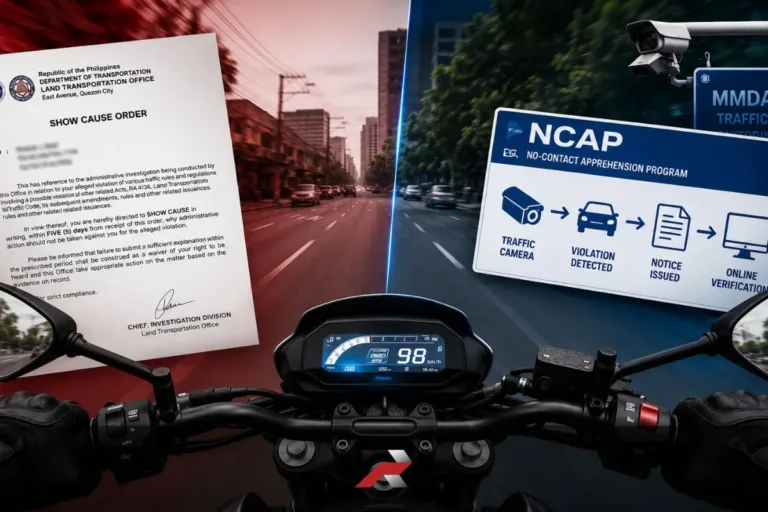
If you’ve ridden for a while, you know enforcement can feel hit or miss. One day you pass checkpoints with no issue; the next, you get flagged for a minor violation others ignore. Crackdowns also come in waves. In 2025, the MMDA revived NCAP and recorded thousands of violations in Metro Manila, as noted in this local report. Because cameras remove discretion, riders must follow lane rules closely. Still, enforcement stays uneven. You may see counterflowing riders go free, then receive a ticket for something small. As a result, motorcycle ownership now demands attention not just to traffic, but to shifting enforcement patterns.
The daily commute in 2026 can be punishing for both rider and machine. Roads remain visibly rough. EDSA, for example, has become so uneven that it was compared to an off-road route, as noted in this local report. Potholes and broken asphalt are more than uncomfortable. They can bend rims or throw a rider off balance in seconds. Outside major cities, conditions often worsen, with erosion and deep “lubak” shaping daily routes, as seen in this ownership breakdown. As a result, poor road maintenance affects safety and costs. One bad hit can mean suspension checks or fork seal repairs. Riders now scan constantly, knowing vigilance matters more than speed.
Let’s talk pesos and centavos. Motorcycle ownership in 2026 once felt like the budget-friendly choice. Bikes still use less fuel and cost less upfront than cars. However, by this year, the gap has narrowed. Fuel prices jumped sharply in 2025, rising by more than ₱20 per liter, as reported in this local update. Because of this, daily top-ups now hurt more. At the same time, parts and tires cost more due to inflation. Registration stays relatively low, but emissions tests and insurance add up, as outlined here. When financing enters the picture, monthly costs rise further. As a result, motorcycle ownership now demands tighter budgeting than before.
So, is the everyday experience still worth it? In a nutshell, real-world riding gives you unmatched agility and often significant time savings, but at the cost of more stress and unpredictability. You gain independence (no more relying on erratic bus schedules or packed trains) and save precious hours that would be spent sitting in jammed traffic. However, you also take on the mental load of staying safe amid undisciplined drivers, the physical toll of weather exposure, and the financial burden of keeping your bike roadworthy in challenging conditions. This is the reality we have to weigh in determining the true value of owning a motorcycle in 2026.
Riding in the Philippines will test your patience and your bike’s durability. Stay ahead of the game by doing a quick check each week – tire pressure, chain tension, brake function. Catching issues early (like that nail in your tire or loose bolts from all the vibration) can save you from a roadside breakdown later. Preventive maintenance is your friend on these rough roads.
If you’re on the fence about motorcycle ownership, it helps to break down the main options and their trade-offs. The decision isn’t just “bike or no bike” – it’s also about what type of riding lifestyle you want and what you’re willing to compromise on. Let’s explore the key considerations in practical terms.
Cost vs. Convenience
Owning a motorcycle means paying for both upfront and ongoing costs.
But it also buys daily convenience.
Even a budget 125cc scooter (₱70k–₱90k) requires:
Fuel matters too.
A 20 km daily commute may cost ₱1,000–₱1,500 per month, depending on efficiency and gas prices.
Add everything up.
Then compare it to what you currently spend on Grab, Angkas, UV Express, or driving a car. Motorcycles usually cost less per kilometer than cars. But the savings gap has narrowed as fuel prices rise.
With a motorcycle, you leave when you want.
There are no fixed routes controlling your day.
Waiting for transfers disappears.
Your schedule no longer depends on public transport.
Errands become quicker and more flexible.
Long queues are easier to avoid.
Time feels more under your control.
That freedom is hard to measure in pesos.
But many riders say it is the main reason they continue owning a bike despite the costs.
It is a trade-off.
You pay for fuel, maintenance, and registration.
In return, you gain control over your daily mobility.
Let’s address the elephant on the road: safety. Riding a motorcycle is riskier than driving a car. There is no seatbelt or metal frame for protection. In the Philippines, most road injury cases now involve motorcycle riders, as noted in this local report. Because of this, every ride demands full attention. Riders stay alert for sudden pedestrians, swerving buses, and cars that fail to check mirrors. Over time, this constant focus can feel exhausting, especially in traffic or rain. Freedom on two wheels always comes with responsibility.
Still, the reward keeps many riders going. Riding offers a feeling cars cannot match. Wind, movement, and control create a sense of release. After a long workday, a clear road can reset your head. Weekend riders understand this well. They ride not to save time, but to enjoy it. In the end, motorcycle ownership balances real risk against personal satisfaction. Some riders accept that trade-off. Others choose differently.
Part of weighing motorcycle ownership is considering the alternatives. If you don’t own a bike, how else can you get around efficiently?
If you are still deciding whether ownership makes sense for your situation, reviewing the full framework in Beginner Motorcycle Buying Guide: Start Your Ride Right helps clarify long-term cost, purpose, and expectations before committing.
Buses, jeepneys, and trains are the default alternatives. They’re cheap (a jeepney ride in Metro Manila is around ₱12–₱20), and you avoid direct responsibility for driving. But the downsides are well known: you’re at the mercy of traffic with no way to maneuver out, you might have to endure long waits and multiple transfers, and comfort is minimal (standing in a packed train or sweating in a jeepney). Commute times can easily double compared to taking a motorcycle. Public transit also follows fixed routes, so any place off those routes becomes a challenge to reach. The upside of not owning and just commuting is zero maintenance and fuel costs for you and less worry about accidents (you’re not the one driving). Financially, daily public transport is usually the cheapest option upfront, but it costs you in time and some convenience.
Services like Angkas and JoyRide appeal to riders who want speed without owning a bike. You book through an app, cut through traffic fast, and avoid buying a motorcycle or securing a license. However, daily use adds up. A cross-city ride often costs ₱150–₱300 one way, which can exceed ₱6,000 a month. Availability also drops during rush hour or heavy rain. Safety exposure remains similar since you ride pillion. Legal status stays uncertain under pilot programs, as discussed in this ownership breakdown. Four-wheel ride-hailing offers more comfort, but traffic delays and high costs make it impractical for daily commuting.
Car ownership is not the main focus, but some riders consider it as life changes. Starting a family often shifts priorities. A car offers shelter, added safety, and cargo space. However, it also increases costs. Fuel use can reach four times that of a motorcycle. Registration, parking, and maintenance also cost more. In city traffic, travel time may double or even triple. Many drivers spend more and move less.
Cars work better for family trips, heavy rain, or hauling large items. These are situations where motorcycles fall short. Because of this, some riders choose to own both. They ride a motorcycle for daily commuting and use a car when conditions demand comfort or space.
Below is a quick comparison of what it looks like to own a motorcycle vs. using other modes in daily city travel:
| Factor | Owning a Motorcycle | Public Transport | Motorcycle Taxi |
|---|---|---|---|
| Upfront Cost | Bike purchase + gear | None | None |
| Daily Cost | Fuel + light maintenance | Lowest daily fare | Highest per trip |
| Maintenance | Owner handles upkeep and papers | None | None |
| Travel Time | Usually fastest in traffic | Slow and fixed routes | Fast, but wait times vary |
| Flexibility | High, route control | Low, route dependent | Moderate, app dependent |
| Comfort | Low, weather exposed | Medium, often crowded | Low, weather exposed |
| Safety Risk | Higher, full rider responsibility | Lower, passenger only | Similar to riding |
| Other Notes | Needs license and parking | Long waits possible | Costly if used daily |
As you can see, motorcycle ownership shines in flexibility and time savings, while public transit wins on pure affordability and lower risk. Motorcycle taxis split the difference, offering speed at a high price. Your own priorities – be it saving money, staying safe, or saving time – will sway which column looks more appealing.
Before you commit to buying a motorcycle, try doing your usual commute on a rented or borrowed bike (or even an e-scooter) for a week, if possible. Experiencing the ride firsthand – the thrill and the challenges – can tell you a lot. You might discover you love the freedom, or realize you hate dealing with the chaos up close. Better to learn that now than after you’ve spent your money.
All the convenience in the world won’t matter if motorcycle ownership does not fit your budget. In 2026, costs go well beyond the bike’s sticker price. Daily use brings recurring expenses that add up over time. To keep this grounded, the figures below reflect a typical 125–155cc commuter motorcycle used for daily riding.
For a detailed breakdown of how expenses evolve beyond the honeymoon phase, see Cost of Motorcycle Ownership After the First Year: Real Riding Expenses Explained, which explains how wear items and service timing shape real budgets.
Fuel remains the biggest day-to-day expense. If a bike averages 40 km per liter and you ride 20 km daily, fuel costs about ₱35 per day, or roughly ₱770 per month. In real conditions, longer distances and traffic push this closer to ₱1,000–₱1,500 monthly. Price swings matter too. Gas jumped by more than ₱20 per liter in 2025, as reported in this local update, and future hikes will directly affect riding costs.
Motorcycles need regular care to stay reliable. Oil changes usually happen every 1,500–2,000 km, which means frequent riders spend around ₱300 every one to two months. Tires wear faster than car tires and often need replacement every 1.5 to 2 years. A pair typically costs ₱3,000–₱5,000. Brake pads, chains, and cables add smaller but recurring costs. For most commuters, annual maintenance averages ₱5,000–₱10,000, assuming no major damage.
Annual LTO registration remains affordable, with a base fee near ₱240, as outlined in this local guide. However, MVUC, emissions testing, and CTPL insurance add to the total. Riders should expect about ₱1,000–₱1,500 per year to stay compliant. The amount is manageable, but unavoidable. Time for inspection also matters, since physical checks are now strictly enforced.
Protective gear requires upfront spending. A certified helmet often costs ₱2,500–₱6,000. Jackets, gloves, and rain gear can add ₱4,000 or more. Initial gear investment often lands between ₱7,000–₱10,000. While these items last years, helmets still need replacement every 3–5 years. Accessories like top boxes or phone mounts add optional costs during the first year.
Money spent on a motorcycle could go elsewhere. It might fund savings, investments, or a car down payment. However, time saved also has value. If a bike cuts an hour from your daily commute, that gain can offset ownership costs. For weekend-only use, the trade-off becomes more personal and harder to justify.
When tallied, a commuter motorcycle may cost ₱20,000–₱30,000 in the first year beyond the bike price, then around ₱10,000–₱20,000 annually after. Costs stay lower than owning a car, but higher than public transport. Ownership works best when time saved and flexibility outweigh the added expense.
Seasoned Filipino riders often say expectations change after months on the road. Daily riding teaches lessons you only learn through experience.
New owners often underestimate upkeep. Flat tires, chain cleaning, and oil changes become routine. Small neglect leads to bigger issues. Over time, riders respect schedules because maintenance protects both wallet and safety.
Many start with minimal gear. One close call usually changes that. Helmets, jackets, and rain gear reduce injury and fatigue. Experienced riders keep rain gear ready, knowing conditions shift fast.
Motorcycles save time, but speed alone is not enough. Riders learn traffic patterns, safe lane positioning, and when patience beats weaving. Skill grows by reading the road, not forcing gaps.
Rough rides often get blamed on the bike. Veteran riders know technique matters more. Proper control, setup, and familiarity often solve issues without upgrading.
Riders debating displacement should also review Fuel Consumption Comparison: 400cc vs 900cc Big Bikes in the Philippines, which compares real-world consumption data instead of brochure claims.
Riders rarely stay solo for long. Help comes from strangers, clubs, and online groups. Shared tips on mechanics, rules, and hazards improve safety and confidence over time.
In summary, real use teaches you what brochures and YouTube videos can’t. You’ll discover the true costs and rewards in practice, refine your riding habits, and likely make a few friends along the way. These lessons either reinforce that owning a motorcycle is worth it (because you’ve adapted and grown) or they might convince you it’s not for you. But you won’t know until you’re in the saddle, day in and day out.
Whether motorcycle ownership in 2026 feels worth it depends on three things: cost, time, and daily impact. Each one affects riders differently, depending on lifestyle and commute.
Motorcycles can still save money compared to cars. Fuel use stays lower, and parts cost less. However, compared to buses or jeepneys, a motorcycle adds new expenses. Higher fuel prices mean riders must compute carefully. Ownership often makes sense when replacing a car commute or frequent ride-hailing, but less so if public transport already works well.
Time is where motorcycles shine. In cities like Manila or Cebu, bikes can cut long commutes down to minutes. That consistency reduces stress and frees up hours each week. The trade-off is focus. Riders stay alert the whole ride. Some see this as effort, while others see it as control over their day.
Riding with family or passengers changes the equation. Two-up travel requires proper helmets and smoother riding habits. Carrying groceries or work gear often means adding a top box or saddlebags, which adds cost but stays manageable. Social perception also matters. Some still see motorcycles as unsafe, although this view is shifting as more professionals ride and two-wheelers dominate local roads. Even so, relatives may worry more, and some drivers show less respect.
Motorcycle ownership in 2026 also brings resilience. During transport strikes or train breakdowns, riders can still move with little disruption. Coding schemes affect motorcycles less often, which helps daily mobility. Some MMDA policies allow larger bikes more lane flexibility, as noted in this local report. Staying updated on these rules becomes part of ownership, but rider groups usually share changes fast.
In the end, priorities decide. Riders who value time and autonomy often accept the trade-offs. Those who prioritize budget or peace of mind may limit riding to certain days. Many find balance by choosing the right tool for each trip, not using the motorcycle every time.
Maintaining a motorcycle helps reduce waste and emissions by extending its usable life. Repairing parts instead of replacing them, and eventually shifting to cleaner models, supports a more responsible and sustainable riding environment.
RobiMotoPH
It is cheaper than owning and driving a car, but not cheaper than public transport. Motorcycles use less fuel, cost less to maintain, and avoid parking fees. However, jeepneys and buses remain the lowest-cost option. The real advantage of motorcycles is time saved, not absolute cost.
New owners often underestimate gear costs, regular oil changes, and wear items like tires, chains, and batteries. These expenses appear gradually but add up over time. Optional comprehensive insurance and traffic fines also increase real costs, making discipline and planning essential parts of ownership.
Traffic is dense and unpredictable but manageable with skill. Riders navigate cars, buses, pedestrians, and sudden hazards daily. Potholes, flooding, and uneven pavement increase risk. Motorcycles move faster than cars in congestion, yet require constant awareness and a defensive, “what if” riding mindset.
Rain reduces visibility and traction, making braking and throttle control more critical. Puddles hide hazards, and painted lines become slippery. The first minutes are often the riskiest. With good tires, smooth inputs, and reduced speed, most riders manage safely by adjusting technique.
Motorcycles typically emit less CO₂ than cars due to lower fuel consumption, especially for short trips. However, poor maintenance increases pollution and noise. Community impact depends on rider behavior. Responsible riding reduces congestion, supports mobility, and strengthens safety culture, while reckless habits create tension on shared roads.
So, is motorcycle ownership in 2026 still worth it? The answer depends on what you value most. Motorcycles still cut through traffic, save time, and cost less to run than cars. For many riders, those benefits remain strong. However, the trade-offs are clearer now. Fuel and upkeep cost more. Enforcement feels inconsistent. Road conditions test both rider skill and machine durability. Safety also demands constant attention.
For daily riders, motorcycles often remain the fastest and most flexible option. Weekend riders may value the experience more than the inconvenience. New riders need to weigh cost, learning curve, and risk more carefully. In the end, motorcycle ownership works best with clear expectations. It is not automatic anymore, but for many Filipinos in 2026, it still makes sense when used with purpose and balance.