Skip to content
Contact & Community
📍 Metro Manila, Philippines
🌐 robimotoph.com
✉️ hello@robimotoph.com
📱 +63 917 517 0594
📍 Metro Manila, Philippines
🌐 robimotoph.com
✉️ hello@robimotoph.com
📱 +63 917 517 0594

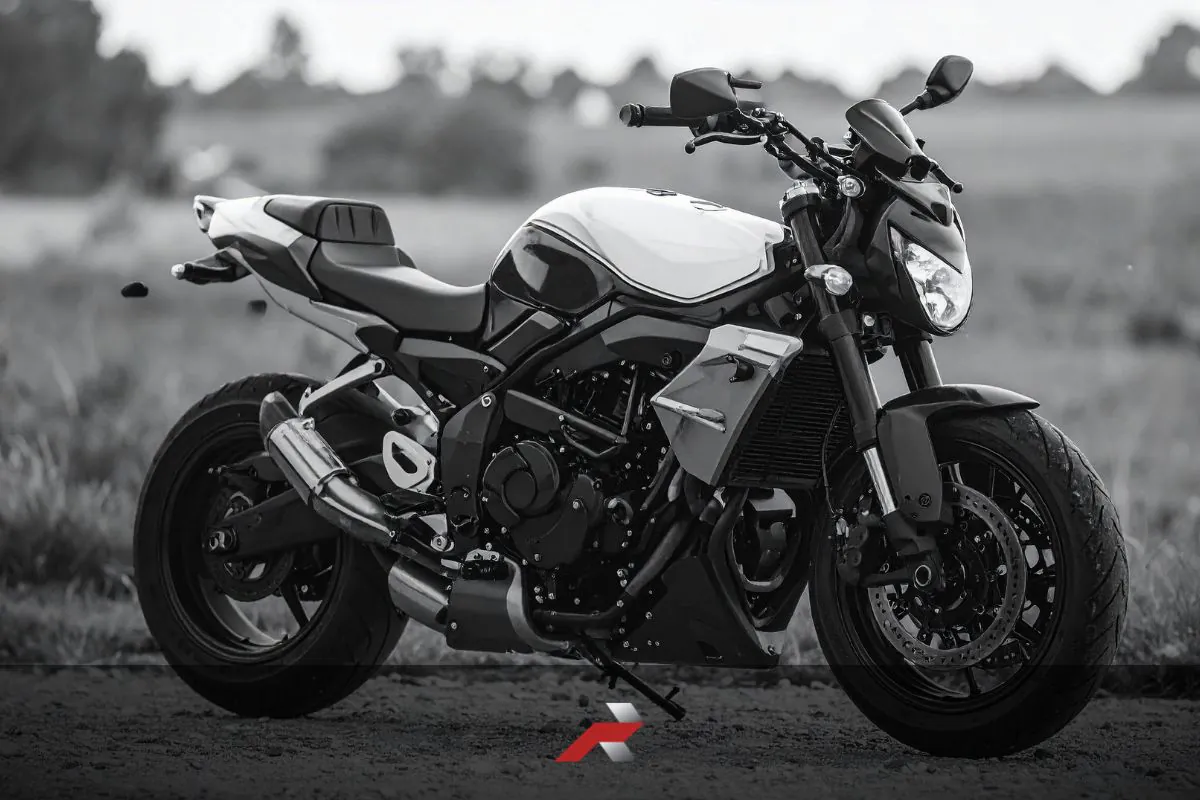
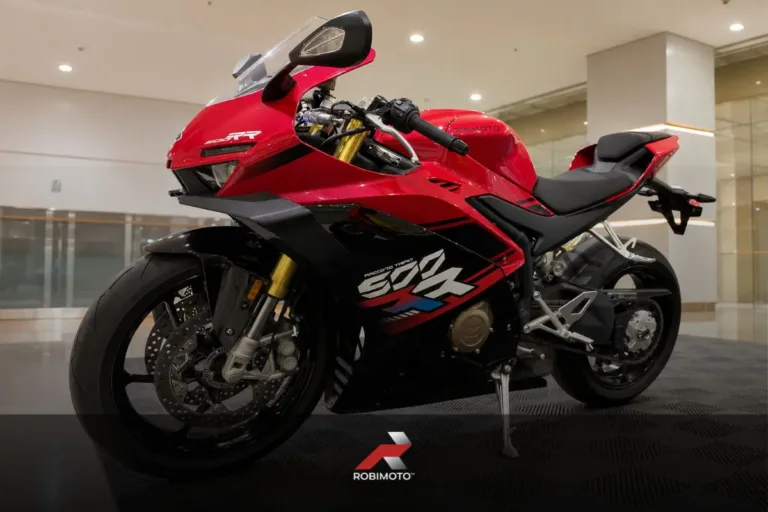
Fuel Consumption Comparison: 400cc vs 900cc is more than numbers. It is about ownership reality. Many riders focus on power and torque, but daily fuel cost shapes long term discipline. In the Philippines, traffic, heat, and short commutes distort brochure figures. This guide breaks down real world consumption, monthly budget impact, and long term ownership cost between 400cc and 900cc bikes. If you are choosing between midweight and liter-class machines, this comparison helps you decide based on logic, not hype.
Fuel Consumption Comparison: 400cc vs 900cc is not just about kilometers per liter. It is about ownership reality in the Philippines. Many riders focus on horsepower, torque figures, and brand image. Few pause to compute monthly fuel cost in real traffic.
In Metro Manila, average speed rarely exceeds 30 km/h. Stop and go traffic dominates daily riding. Heat, short commutes, and long idling distort brochure claims. Real world fuel numbers matter more than spec sheets.
A 400cc bike often averages between 20 to 28 km/L in mixed riding. A 900cc machine may return 12 to 18 km/L depending on throttle discipline. That difference looks small at first glance. Over twelve months, it compounds.
If you ride five days a week, fuel becomes a recurring expense, not a background detail. Riders planning long term ownership must calculate fuel as part of total cost, not as an afterthought. That discipline separates impulse buyers from responsible owners.
This topic also connects directly to overall ownership budgeting. If you have not reviewed the full breakdown, read Real Cost of Owning a Big Bike in Philippines before choosing your displacement class. Fuel is only one variable, but it influences every month of ownership.
This guide breaks down real world consumption, monthly projections, riding behavior impact, and psychological factors behind displacement decisions. The goal is simple: clarity over hype.
Because in the Philippines, power impresses people.
But fuel discipline sustains ownership.
Fuel numbers never exist in isolation. Brochure figures assume ideal laboratory conditions. Philippine riding conditions rarely resemble those tests.
Before comparing 400cc and 900cc bikes, we need context.
Metro Manila traffic changes everything. Engines idle longer than they cruise. Larger engines burn more fuel at idle because of displacement and fueling strategy.
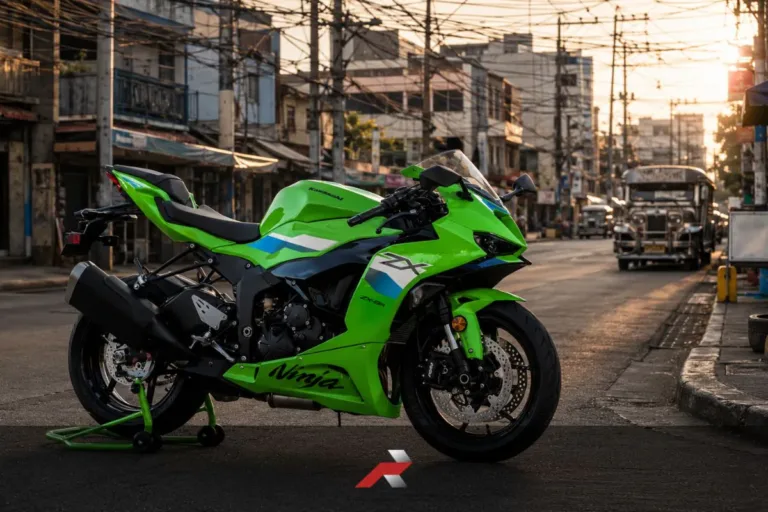
A 900cc inline four sitting in traffic consumes noticeably more than a 400cc twin under the same conditions. Heat increases fuel vaporization and cooling fan cycles, which adds consumption.
Stop and go riding punishes heavier bikes more aggressively.
Throttle control plays a bigger role than displacement alone. A disciplined rider on a 900cc bike can match or even beat a reckless 400cc rider in consumption.
However, reality matters. Bigger engines tempt harder acceleration. Torque delivery feels effortless. That sensation often leads to more frequent bursts.
Power encourages usage.
Midweight bikes reward smooth riding. Liter class bikes reward restraint.
Not all 400cc engines behave the same. A parallel twin differs from a high-revving inline four. Likewise, a 900cc triple behaves differently from a large V-twin.
Compression ratio, gear ratios, ECU mapping, and weight influence fuel burn.
Some modern 900cc bikes include ride modes and traction systems that help optimize fuel. Yet physics remains constant. Larger displacement requires more fuel to produce more power.
When comparing fuel consumption, displacement is only the starting point. Riding environment, discipline, and engineering define the final number.
In short, fuel economy is behavior plus machine.
When riders search for Fuel Consumption Comparison: 400cc vs 900cc, they expect realistic numbers that reflect Philippine conditions. Laboratory testing rarely mirrors Metro Manila traffic, provincial highways, or weekend mountain rides.
In dense urban riding, average speed often stays below 30 km/h. Engines idle longer than they cruise. Cooling fans cycle repeatedly in heavy heat. These factors reduce actual fuel economy compared to manufacturer claims.
Most 400cc motorcycles in the Philippines return between 20 to 28 km/L in mixed riding. City-heavy use often settles around 20 to 23 km/L. Riders who prioritize smooth throttle control and anticipate traffic can stretch closer to 25 km/L or more on open roads.
On the other hand, 900cc bikes typically deliver between 12 to 18 km/L. Aggressive throttle use drops consumption closer to 12 to 14 km/L in city traffic. Controlled expressway cruising can produce 16 to 18 km/L, but few riders maintain constant speed in real conditions.
Assume:
At 23 km/L, a 400cc bike consumes roughly 47.8 liters monthly. That equals around ₱3,107 in fuel cost.
At 15 km/L, a 900cc bike consumes roughly 73.3 liters monthly. That equals around ₱4,765 per month.
The difference is approximately ₱1,658 per month.
Over one year, that gap becomes nearly ₱20,000. Over three years, it approaches ₱60,000.
That amount can fund premium tires, brake upgrades, insurance renewals, or even part of a major service interval.
This is why the Fuel Consumption Comparison: 400cc vs 900cc matters beyond curiosity. It directly affects sustainability. Riders who commute daily feel this difference immediately. Weekend-only riders may tolerate it more easily.
Riders prioritizing fuel efficiency and urban practicality may also explore Top 5 Motorcycles for Daily Commuters in the Philippines – Smart Picks for City Riders for displacement options better suited to stop-and-go traffic.
Displacement delivers performance, but fuel consumption defines frequency. The more you ride, the more this comparison shapes ownership experience.
Power impresses at first twist.
Fuel cost follows every ride home.
Fuel rarely feels heavy on day one. It feels small. Manageable. Invisible.
But ownership is not measured in single rides. It is measured in months.
Using the previous computation, the gap between midweight and larger displacement machines averages around ₱1,600 per month under regular commuting. That number alone may not scare experienced riders. However, combine it with maintenance, insurance, and wear items, and the picture shifts.
A 900cc bike typically consumes tires faster. It may require larger oil capacity during service. Brake components are often bigger and more expensive. These are not flaws. They are proportional realities of higher performance machines.
If you have not reviewed the long term cost breakdown, revisit Motorcycle Registration Renewal Cost PH Guide to understand how recurring government expenses layer on top of operating costs. Fuel is only one recurring variable, but it interacts with all the others.
Here is the deeper truth.
The Fuel Consumption Comparison: 400cc vs 900cc becomes more relevant for riders who use their motorcycles daily. A commuter riding 1,000 km monthly will feel every peso difference. A weekend rider covering 300 km monthly will feel it less.
Frequency determines sensitivity.
There is also a psychological component. Riders on larger displacement bikes often ride differently. Torque delivery feels effortless. Acceleration requires less throttle input. However, that same capability can encourage more frequent bursts of speed.
More bursts mean more fuel.
Meanwhile, 400cc platforms often demand slightly higher revs to extract performance. This encourages smoother planning and controlled riding habits. Over time, this builds fuel-efficient behavior.
Ownership discipline is not about limiting enjoyment. It is about aligning machine choice with lifestyle pattern.
Ask yourself:
Riding five days a week changes the cost equation.
Strict budgeting becomes necessary.
Building savings while owning a big bike should remain a priority.
If yes, fuel consumption deserves serious attention.
Displacement is freedom.
Fuel cost is responsibility.
The Fuel Consumption Comparison: 400cc vs 900cc affects riders differently. Displacement alone does not create pressure. Frequency does.
Let us break it down clearly.
Rides 40 to 60 km per day.
Faces traffic daily.
Refuels often.
This rider feels the difference immediately. A ₱1,500 to ₱2,000 monthly gap becomes visible within weeks. Over twelve months, that difference approaches ₱20,000.
For commuters, fuel becomes part of fixed monthly budgeting. It influences savings, emergency funds, and upgrade timing.
Here, efficiency supports sustainability.
For a practical ownership perspective on a popular middleweight platform, see Dominar 400: Is It Truly a Beginner’s Bike?, which examines performance, weight, and daily usability beyond brochure specs.
Rides mostly on weekends.
Covers 200 to 400 km monthly.
In this case, the fuel gap shrinks significantly. The difference may only amount to a few hundred pesos monthly. Emotional satisfaction often outweighs consumption numbers.
Performance and comfort may take priority over economy.
Rides highways consistently.
Maintains steady throttle input.
At constant cruising speeds, larger displacement engines operate at lower stress levels. Efficiency stabilizes. The gap narrows slightly, but it never disappears entirely.
Physics remains consistent.
Accelerates aggressively.
Uses higher RPM frequently.
Enjoys torque bursts.
Fuel consumption increases sharply under this style. A hard-ridden 400cc may consume nearly as much as a relaxed 900cc. Riding behavior can override displacement advantage.
Income and budgeting discipline also matter.
A rider with strong disposable income may ignore fuel difference. A budget-conscious owner tracks it carefully.
This is why displacement must align with purpose.
Fuel cost is predictable.
Riding pattern decides its weight.
Numbers create clarity. Emotion creates confusion.
The Fuel Consumption Comparison: 400cc vs 900cc becomes easier to understand when translated into structured data. Instead of debating opinions, we examine realistic Philippine riding conditions.
Below is a simplified comparison using conservative averages.
Assumptions used:
| Category | 400cc Motorcycle | 900cc Motorcycle |
|---|---|---|
| Average Fuel Economy | 23 km/L | 15 km/L |
| Monthly Distance | 1,100 km | 1,100 km |
| Liters Consumed Monthly | 47.8 L | 73.3 L |
| Estimated Monthly Fuel Cost | ₱3,107 | ₱4,765 |
| Annual Fuel Cost | ₱37,284 | ₱57,180 |
| Annual Cost Difference | — | ₱19,896 Higher |
At 1,100 km monthly riding distance, a 400cc motorcycle may cost around ₱3,100 per month in fuel, while a 900cc motorcycle may cost around ₱4,700 under similar conditions.
This table removes exaggeration. It reflects realistic ownership.
Notice something important.
The gap is not double. It is not extreme. However, it is persistent. The difference compounds every single month.
Over three years of consistent riding, that nearly ₱20,000 annual difference grows to almost ₱60,000. That amount covers premium tires, insurance renewals, major service intervals, or safety upgrades.
This is why displacement decisions should include long term financial perspective. The Fuel Consumption Comparison: 400cc vs 900cc is not about arguing which bike is better. It is about understanding recurring expense patterns.
Bigger engines deliver more power per twist. Smaller engines demand more revs but reward restraint.
Fuel cost becomes predictable once riding distance is predictable.
Clarity reduces regret.
Data prevents impulse decisions.
When evaluating Fuel Consumption Comparison: 400cc vs 900cc, many riders rely on manufacturer specifications. Those numbers often look impressive.
However, those figures come from controlled environments.
Manufacturers test motorcycles under standardized procedures. Conditions include ideal road surfaces, controlled speeds, limited idling, and stable ambient temperature. These tests create consistency, but they do not reflect Philippine traffic.
In Metro Manila, engines idle longer than they cruise. Stop and go traffic increases throttle fluctuation. High ambient temperatures trigger cooling systems more frequently.
All of these factors reduce real world fuel efficiency.
According to testing procedures outlined by international automotive regulatory frameworks such as the World Motorcycle Test Cycle standards discussed by organizations like the United Nations Economic Commission for Europe, laboratory cycles are designed for repeatability rather than real life variability. These frameworks explain why laboratory fuel consumption numbers often differ from real-world riding conditions.
These procedures are valuable for comparison consistency. However, they do not simulate EDSA traffic at 5 PM.
This explains why brochure numbers often feel optimistic.
Let us apply perspective.
A 900cc motorcycle may claim 18 to 20 km/L under ideal cycle testing. In Philippine daily traffic, that number often drops to 14 to 16 km/L.
Similarly, a 400cc machine rated at 28 km/L may realistically deliver 22 to 24 km/L under urban conditions.
The percentage drop affects both categories.
Yet because larger engines burn more fuel per combustion cycle, the absolute gap remains visible.
This reinforces why the Fuel Consumption Comparison: 400cc vs 900cc must use realistic local context.
Laboratory testing ensures fairness between models. Real world riding defines ownership experience.
Spec sheets inform.
Traffic confirms.
Understanding this difference protects buyers from unrealistic expectations and financial surprises.
Fuel numbers are logical.
Displacement choice is emotional.
The debate around 400cc versus 900cc rarely stays technical. Riders do not buy engines purely based on kilometers per liter. They buy identity, capability, and future vision.
A 900cc bike signals progression. It feels like graduation. Torque delivery is effortless. Overtakes require less planning. Highway presence feels stronger.
That sensation is powerful.
However, that same emotional pull often overrides practical calculation. Riders convince themselves that fuel difference is minor. On paper, it seems manageable.
Month by month, it becomes habitual.
Meanwhile, 400cc platforms offer a different kind of satisfaction.
Rider skill matters more. Smooth throttle control becomes essential.
In traffic, the lighter weight improves confidence.
Parking feels less stressful.
Tight maneuvering becomes easier and more controlled.
The experience feels efficient.
There is also ego involved. Some riders fear “outgrowing” a 400cc machine too quickly. Others fear committing financially to a 900cc platform.
Neither fear should dictate choice.
The better question is this:
Does your lifestyle demand more torque?
Or does it demand more frequency?
Because frequency multiplies fuel cost. Emotion does not pay the pump.
Displacement should match daily pattern, not peer pressure.
When the novelty fades, what remains is routine.
And routine is where fuel consumption becomes visible.
The Fuel Consumption Comparison: 400cc vs 900cc becomes more serious when fuel prices fluctuate.
In the Philippines, fuel pricing adjusts frequently. Weekly price movements affect commuters immediately. Riders who travel long distances feel those adjustments faster than occasional users.
Based on reports from national energy monitoring, pump prices in the Philippines remain sensitive to global crude oil movement and currency exchange rates. For reference, historical pricing data and fuel cost trends can be observed through international gasoline price tracking databases.
Now consider what happens when fuel rises from ₱65 to ₱75 per liter.
Using our earlier 1,100 km monthly assumption:
At 23 km/L (400cc):
Monthly consumption = 47.8 liters
Fuel at ₱75 = ₱3,585 per month
At 15 km/L (900cc):
Monthly consumption = 73.3 liters
Fuel at ₱75 = ₱5,497 per month
Monthly gap increases to around ₱1,912.
The higher the pump price, the wider the difference becomes.
This is why fuel consumption should not be evaluated only at current prices. It must be evaluated under possible increases.
The Fuel Consumption Comparison: 400cc vs 900cc is stable in terms of efficiency ratio. However, its peso impact expands as pump prices rise.
Riders who plan long term ownership must think in ranges, not fixed values.
Ask:
Fuel prices rarely stay predictable.
A sustained ₱70 per liter price increases annual operating cost substantially.
Supply disruptions raise pump prices quickly.
Higher monthly mileage multiplies the difference between 400cc and 900cc consumption.
Fuel is a variable cost. Displacement determines its multiplier effect.
Planning for best case creates comfort.
Planning for realistic case creates stability.
Ownership is not about today’s pump price.
It is about resilience over time.
Choosing between displacement levels should not feel confusing. It should feel calculated.
Here is a simple framework.
Start with distance, not engine size.
How many kilometers do you ride per week? Multiply that by four. Use realistic numbers, not optimistic ones.
If you exceed 1,000 km monthly, fuel difference becomes significant. If you ride below 400 km monthly, the impact becomes smaller.
Distance determines sensitivity.
If you are still weighing displacement, budget, and long-term use, reviewing Beginner Motorcycle Buying Guide: Start Your Ride Right provides a broader framework beyond just fuel numbers.
Do you spend most time in traffic?
Urban riding favors lighter bikes with better fuel efficiency. Stop and go conditions magnify consumption differences.
Do you spend most time on highways?
Highway cruising reduces throttle variation. Larger engines can maintain speed comfortably, but they still consume more fuel overall.
Environment shapes efficiency.
Now simulate higher fuel prices.
Add ₱10 per liter to current pricing. Recalculate monthly fuel cost. If the new number feels uncomfortable, reconsider displacement choice.
Also include maintenance, insurance, and registration. Fuel should not consume budget meant for safety or service intervals.
This is where many buyers fail.
They calculate purchase price carefully. They ignore operating cost stress.
A disciplined rider chooses displacement that supports long term stability.
Power impresses quickly.
Budget discipline lasts longer.
Fuel consumption is not only about money. It also connects to efficiency and emissions.
Larger displacement engines burn more fuel per combustion cycle. More fuel burned means more carbon output. While modern motorcycles meet regulatory standards, displacement still influences overall environmental footprint.
Global fuel efficiency and emission discussions continue to evolve. Regulatory frameworks across regions aim to standardize reporting and improve transparency. Broader context about international fuel efficiency standards and emission regulation development can be explored through the International Energy Agency transport sector analysis.
For individual riders, the impact may seem small. One motorcycle does not shift global emissions. However, ownership decisions multiplied across thousands of riders create measurable effects.
More importantly, efficiency reflects discipline.
Riding smoothly reduces fuel consumption. Maintaining correct tire pressure improves rolling resistance. Keeping engines well tuned preserves optimal combustion efficiency.
Regardless of displacement, responsible riding minimizes waste.
The difference is proportional.
A 900cc bike consumes more fuel than a 400cc bike under similar riding patterns. That translates into both higher cost and higher resource use.
This does not mean bigger bikes are wrong.
It means bigger bikes require conscious ownership.
Efficiency is not about restriction.
It is about awareness.
Before finalizing your purchase, revisit the Fuel Consumption Comparison: 400cc vs 900cc with clarity.
Displacement is not a status decision. It is a lifestyle decision.
If the bike will serve daily commuting duties, fuel efficiency deserves priority. If the motorcycle is mainly for weekend escape, fuel difference becomes less critical.
Be honest about usage pattern.
Project fuel cost across three years. Multiply monthly difference by 36 months. Add potential price increases.
If the larger displacement still fits comfortably within budget, the decision becomes rational rather than emotional.
Sustainability builds confidence.
A 400cc bike sharpens riding technique. It rewards precision. It reduces financial stress.
A 900cc bike offers torque headroom. It reduces effort at speed. It demands higher financial discipline.
Neither option is wrong.
The correct choice aligns with frequency, income stability, and long term goals.
The Fuel Consumption Comparison: 400cc vs 900cc is not about proving superiority. It is about preventing regret.
Clarity now prevents pressure later.
Yes, especially for riders who commute regularly. The difference may look small in kilometers per liter, but monthly accumulation makes it visible. Over a year, the gap can approach ₱20,000 depending on distance and fuel price.
Daily commuters feel this immediately. Weekend riders may not.
Riding style significantly affects fuel consumption. Smooth throttle input, proper gear shifting, and maintaining steady cruising speeds can improve efficiency on both displacement categories.
However, physics still applies. Larger engines burn more fuel per combustion cycle. Discipline reduces the gap percentage, but it does not eliminate it.
Highway riding improves fuel economy compared to city traffic. Steady RPM and minimal braking help stabilize consumption. In this scenario, the difference narrows slightly.
Even so, 900cc engines still consume more fuel overall than 400cc machines at similar cruising speeds.
Fuel cost is important, but it is not the only variable. Riders must also consider maintenance cost, insurance, riding purpose, and income stability.
Fuel becomes more critical for high-frequency riders. For occasional riders, emotional satisfaction may carry more weight.
No. A 900cc bike does not consume double the fuel of a 400cc bike under normal riding. The gap typically ranges between 30 to 50 percent depending on conditions.
The difference is consistent rather than extreme. Over time, consistency creates financial impact.
The Fuel Consumption Comparison: 400cc vs 900cc is not about proving which displacement is better. It is about understanding recurring cost patterns before committing to ownership.
In Philippine riding conditions, 400cc motorcycles typically deliver 20 to 28 km/L. Meanwhile, 900cc bikes average 12 to 18 km/L under similar use. The percentage difference remains consistent across traffic, highway cruising, and mixed riding.
Monthly, that gap may reach ₱1,500 to ₱2,000 for daily commuters. Annually, it approaches ₱20,000. Over three years, the number becomes significant.
Fuel cost compounds quietly.
For daily riders, efficiency supports sustainability. For occasional riders, displacement satisfaction may outweigh recurring expense. Neither choice is wrong.
However, clarity prevents regret.
Displacement should align with riding frequency, financial stability, and long term discipline. Power delivers excitement. Fuel defines continuity.
When evaluating your next motorcycle, revisit the Fuel Consumption Comparison: 400cc vs 900cc with realistic distance estimates, projected fuel price increases, and honest lifestyle assessment.
Spec sheets attract attention.
Operating cost determines ownership experience.
Choose based on pattern, not pressure.
For riders commuting more than 1,000 km monthly, choosing between 400cc and 900cc displacement can mean nearly ₱20,000 difference in annual fuel cost.