 Skip to content
Contact & Community
📍 Metro Manila, Philippines
🌐 robimotoph.com
✉️ hello@robimotoph.com
📱 +63 917 517 0594
📍 Metro Manila, Philippines
🌐 robimotoph.com
✉️ hello@robimotoph.com
📱 +63 917 517 0594

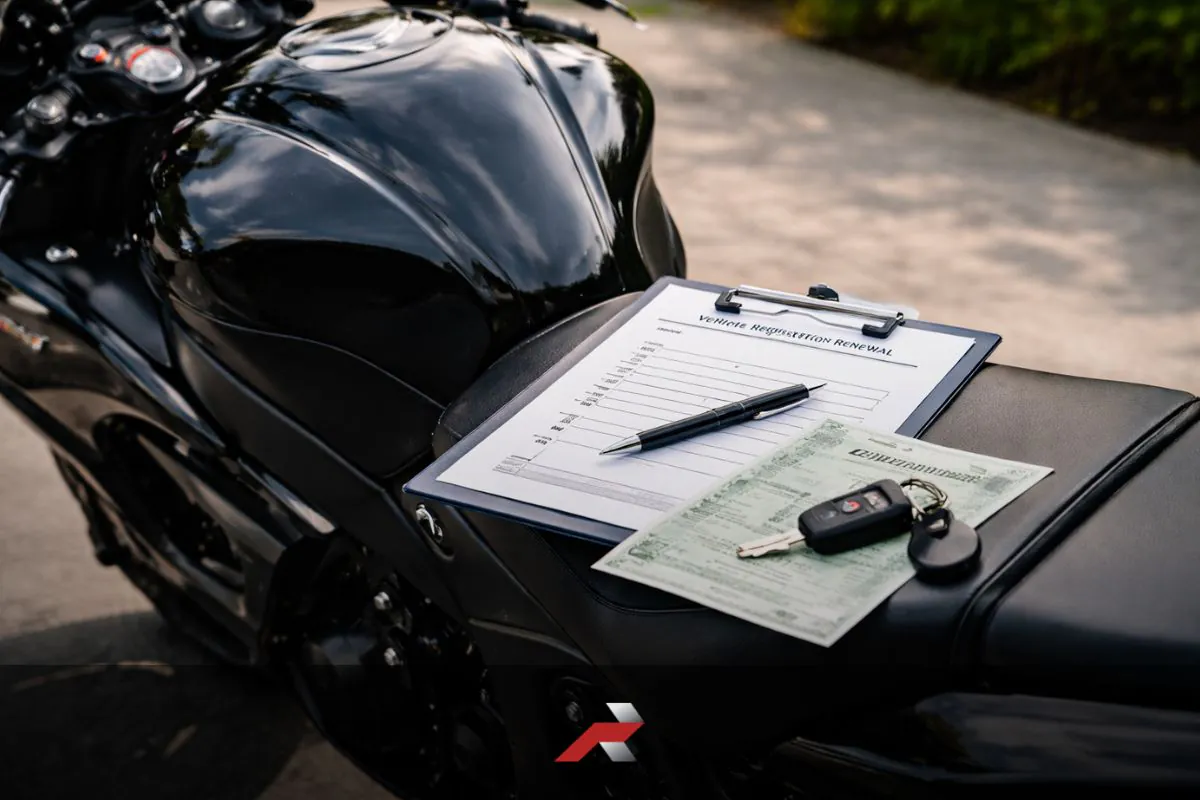
This Registration Renewal Cost Guide PH explains the real cost of renewing your big bike in the Philippines. From MVUC and insurance to emission testing and late penalties, this guide breaks down actual numbers, common mistakes, and hidden expenses riders face every year. Built for serious motorcycle owners who value discipline and responsibility, this article helps you plan your annual renewal budget properly and avoid unnecessary fines. If you ride a 400cc to 900cc motorcycle, this guide gives you clear expectations so you can own your bike with maturity and financial awareness.
The Registration Renewal Cost Guide PH explains the full cost of renewing a 400cc to 900cc motorcycle in the Philippines, including MVUC, LTO registration fees, compulsory insurance, emission testing, inspection, and potential penalties. For most big bike owners, on-time renewal typically ranges between ₱2,100 and ₱4,300, excluding comprehensive insurance.
Based on current LTO classification structures and published MVUC references as of 2026, renewal costs follow a predictable framework tied primarily to engine displacement and compliance timing.
Many riders assume registration renewal is a simple LTO transaction. It is not.
Annual renewal includes:
If you ride a big bike, renewal cost is part of structured ownership. It is not optional, and it is not a one-time surprise expense.
Unlike small commuter motorcycles, 400cc to 900cc bikes fall under higher MVUC brackets. Insurance expectations are also different. Many owners carry comprehensive coverage, which significantly increases renewal-month expenses.
This is why registration renewal continues to catch riders off guard.
Costs vary by displacement.
Insurance premiums fluctuate based on declared value.
Penalties escalate monthly.
Policy updates occur quietly.
If you already read our Real Cost of Owning a Big Bike in Philippines, you know that ownership is a long-term financial commitment. Renewal is one of the most predictable annual obligations, yet it remains one of the most misunderstood.
This guide provides clear breakdowns, official references, and practical budgeting advice so Filipino big bike owners can renew properly, legally, and without financial shock.
In the Philippines, renewing a 400cc to 900cc motorcycle typically costs between ₱2,100 and ₱4,300 when done on time. This includes MVUC, LTO registration fees, compulsory third-party liability insurance, emission testing, and required legal charges. The total increases if comprehensive insurance is renewed at the same time or if penalties apply due to late registration.
According to this Registration Renewal Cost Guide PH, renewal is predictable when handled within the official window period. What makes it expensive is delay, not the base fee itself.
Big bikes do not renew the same way as small displacement motorcycles in the Philippines. The difference is not just engine size. It is classification, risk profile, and cost structure.
A 400cc to 900cc motorcycle falls into a higher regulatory bracket. That affects multiple components of your annual renewal.
Motor Vehicle User’s Charge increases based on engine displacement. The larger the engine, the higher the infrastructure contribution rate. A 400cc motorcycle does not pay the same MVUC as a 150cc commuter bike. As displacement rises toward 900cc, the charge increases accordingly.
This adjustment alone creates a noticeable gap in annual renewal cost.
Compulsory Third Party Liability is required for all motorcycles. However, most big bike owners do not stop at CTPL. They choose comprehensive insurance.
Why?
Because a big bike has higher market value, higher repair cost, and higher theft risk exposure. Insurance premiums scale with declared value. A more expensive motorcycle naturally commands higher coverage cost.
Even if comprehensive insurance is not legally required for renewal, it often aligns with the renewal season budget.
Big bikes attract attention. Enforcement visibility increases with vehicle size and perceived value. Missing documents, expired registration, or insurance lapses are rarely overlooked.
Renewal cost is not only about base LTO fees. It reflects the category of vehicle you operate.
Quick summary:
Owning a big bike means accepting structured, predictable annual expenses. The earlier you internalize that, the smoother your renewal process becomes.
Now let’s talk real numbers.
In this Registration Renewal Cost Guide PH, we focus on typical 400cc to 900cc motorcycles registered in the Philippines. These figures reflect common on-time renewal costs without penalties or add-ons.
MVUC is the largest base component of renewal.
For motorcycles above 400cc, MVUC commonly ranges between ₱1,200 to ₱2,400 annually, depending on displacement classification. A 400cc bike usually falls in the lower bracket, while 650cc to 900cc models move toward the higher range.
This charge is non-negotiable and directly tied to engine size.
The base LTO registration fee typically falls between ₱240 to ₱500. While relatively small compared to MVUC, it remains a mandatory part of the process.
These are minor but required additions:
They seem insignificant individually, but they complete the official receipt.
CTPL insurance is mandatory before renewal.
Typical cost ranges between ₱300 to ₱700, depending on provider and processing channel. Always verify that your insurer is LTO-accredited to avoid rejection.
Emission testing generally costs ₱300 to ₱600, depending on the testing center. Ensure the center is accredited to prevent delays.
Some branches require vehicle inspection verification. Fees are minimal, but availability and process time vary per branch.
Without penalties and without comprehensive insurance, most 400cc to 900cc motorcycles fall within:
₱2,100 to ₱4,300
That is the realistic baseline.
Here is where riders miscalculate:
Registration renewal is predictable. Penalties are not.
If you prepare early, costs remain controlled.
If you delay, expenses escalate quickly.
This breakdown in the Registration Renewal Cost Guide PH shows one thing clearly: renewal is not expensive. Neglect is.
Renewal cost is not just the official receipt printed by LTO.
The real expense of registration renewal often sits outside the formal breakdown. These are the costs riders feel but rarely calculate.
Let’s talk about the hidden layer.
Renewal is rarely a 30-minute transaction.
You may need:
If you earn daily or operate on strict schedules, that lost time carries financial weight.
Time is a cost multiplier.
One delayed document can turn a two-hour errand into a whole-day disruption.
Some riders avoid long lines by paying a fixer.
Typical additional cost:
₱1,000 to ₱3,000 depending on situation and vehicle complexity.
The real risk is not just money.
It is compliance.
If documentation errors occur or verification fails, you remain accountable. Convenience today may create complications later.
Shortcuts often cost more in long-term credibility.
If you read our Insurance Guide for Big Bikes PH, you already understand that comprehensive insurance is where expenses significantly increase.
Many riders align insurance renewal with registration renewal.
Annual comprehensive coverage for 400cc to 900cc motorcycles typically ranges between:
₱8,000 to ₱25,000
The range depends on:
When this aligns with registration month, your “₱3,000 renewal” suddenly becomes a ₱15,000 to ₱30,000 outflow.
Planning matters.
Late registration penalties escalate progressively.
One month late adds base fines.
Multiple months increase compounding penalties.
Extended delay may trigger inspection complications.
Small neglect becomes structured financial loss.
Responsible riders plan renewal month in advance.
Early document preparation prevents delays.
Proper insurance alignment avoids complications.
Advance budgeting keeps renewal predictable.
Ownership maturity is visible in small systems like this.
And brands notice that kind of discipline.
In this Registration Renewal Cost Guide PH, understanding the penalty structure is just as important as understanding the base renewal fees.
Late renewal is not a minor inconvenience. It triggers a financial escalation system.
The Land Transportation Office imposes penalties based on the duration of delay. While exact computations may vary depending on circumstance, the general structure follows a progressive pattern.
1 Month Late
A base penalty is applied on top of your regular renewal fees. This immediately increases your total payable amount.
2 to 12 Months Late
Penalties continue to accumulate. The longer the delay, the higher the total charge. In some cases, additional verification may be required before processing.
Beyond 1 Year
Extended delay may lead to heavier penalties and possible re-evaluation of registration status. Additional inspection procedures may apply.
The key point is simple:
Delay increases cost.
Time compounds fines.
Driving an unregistered motorcycle carries risk beyond renewal penalties.
If apprehended, you may face:
Towing and storage alone can exceed several thousand pesos depending on duration.
Suddenly, your expected ₱3,000 renewal expense becomes ₱10,000 or more.
And that does not include the stress and time lost resolving the issue.
Common reasons include:
“Busy schedule.”
“Next week na.”
“Wala pa sweldo.”
These sound small. The financial impact is not.
Registration deadlines are predictable. Your plate schedule does not change unexpectedly. Renewal windows are announced in advance.
This means late penalties are rarely accidental. They are usually the result of poor planning.
Set calendar reminders at least one month before expiry.
Prepare insurance and emission testing ahead of time.
Renew within the official window period.
Avoid last-week rush.
In the context of this Registration Renewal Cost Guide PH, the message is clear:
Penalty cost is optional.
Preparation is controllable.
Responsibility reflects maturity.
And maturity protects your money.
Below is a structured projection based on typical 2026 renewal rates for 400cc to 900cc motorcycles in the Philippines. These figures assume on-time renewal with no violations or added services.
| Cost Component | 400cc–650cc | 650cc–900cc |
|---|---|---|
| MVUC | ₱1,200–₱1,800 | ₱1,800–₱2,400 |
| Registration Fee | ₱240–₱500 | ₱240–₱500 |
| CTPL Insurance | ₱300–₱700 | ₱300–₱700 |
| Emission Test | ₱300–₱600 | ₱300–₱600 |
| Sticker + Legal Fees | ₱60–₱100 | ₱60–₱100 |
| Estimated Total (On Time) | ₱2,100–₱3,700 | ₱2,700–₱4,300 |
The biggest variable here is MVUC. As displacement increases, the Motor Vehicle User’s Charge moves into a higher bracket. That explains the jump between 650cc and 900cc motorcycles.
The registration fee remains relatively stable regardless of displacement. CTPL insurance also stays within a similar range unless you choose premium providers.
Emission testing cost depends on the testing center. Always verify accreditation to avoid invalid results that force retesting.
The estimated totals represent realistic renewal cost when done properly and on time.
These projections:
If you carry comprehensive insurance, expect total outflow during renewal month to increase significantly.
This table supports the core principle of this Registration Renewal Cost Guide PH: renewal is predictable. What makes it expensive is delay, lack of planning, or unnecessary shortcuts.
Clear numbers reduce stress.
Structured budgeting protects cash flow.
Responsible renewal protects credibility.
For updated regulatory references, riders should consult official LTO circular summaries related to motorcycle registration and MVUC classifications.
This document outlines MVUC classifications, displacement brackets, and official rate references used in computing annual registration costs. It is one of the primary references behind the figures discussed in this Registration Renewal Cost Guide PH.
MVUC is not arbitrary. It is structured by engine displacement category. As displacement increases, infrastructure contribution increases accordingly. That is why a 900cc motorcycle does not pay the same charge as a 400cc bike.
Policy adjustments may occur periodically. Rates can change. Administrative procedures may update. Penalty computation may be revised through new memoranda.
That is why referencing official documents matters.
Social media posts often circulate outdated screenshots. Forum discussions may reflect old rate structures. Riders sometimes base expectations on hearsay rather than official releases.
Responsible ownership requires verification.
Here are key regulatory reminders riders must understand:
Failure to follow these structured guidelines results in delays or added expenses.
This Registration Renewal Cost Guide PH emphasizes official alignment because compliance is part of credibility. If you advocate disciplined riding, your documentation must reflect that discipline.
Renewal is not just administrative compliance.
It signals:
Financial responsibility.
Regulatory awareness.
Ownership maturity.
Brands and partners observe consistency between what you say and how you operate.
Consult official circulars. Verify current rates. Prepare before expiry month.
Renewal becomes simple when you treat it as a system, not an afterthought.
Do not treat registration renewal as a surprise expense.
Treat it as a fixed annual obligation tied to ownership.
In this Registration Renewal Cost Guide PH, one thing becomes clear: renewal is predictable. The date does not change randomly. The plate schedule is known in advance. The cost range is identifiable.
Yet many riders still scramble financially when renewal month arrives.
That is not a cost problem.
That is a planning problem.
Instead of absorbing ₱3,000 to ₱4,000 in one month, divide it across the year.
For example:
If your projected renewal cost is ₱4,800 including buffer, saving ₱400 per month covers it comfortably. Add a small margin for rate adjustments or emission retesting.
Small monthly allocation removes pressure.
Many big bike owners align comprehensive insurance with registration renewal.
That can mean:
₱10,000 to ₱25,000 outflow in one month.
If you know this in advance, you can stagger insurance renewal separately or prepare a larger annual allocation fund.
Avoid stacking large payments unintentionally.
One month before expiry:
Preparation reduces repeat trips.
Repeat trips increase hidden costs.
Some riders renew using borrowed money because they ignored preparation.
That creates unnecessary financial strain.
Renewal should never require debt.
It is a known, recurring obligation.
Budgeting does more than protect cash flow.
This approach reduces anxiety.
Decision-making becomes clearer.
Ownership discipline strengthens over time.
When renewal month arrives, payment feels routine, not painful.
No panic.
Avoid shortcuts.
Make zero excuses.
This is how responsible riders operate.
And long-term ownership stability always starts with simple systems like this.
Compliance is not only financial. It is legal, structural, and safety-driven.
The Philippine government regularly publishes enforcement laws and advisories that reinforce responsible road behavior. One key reference is Republic Act No. 11235, also known as the Motorcycle Crime Prevention Act.
This law emphasizes proper registration, valid plate display, and accountability of motorcycle owners. While the Act focuses heavily on crime prevention and plate regulation, its broader message is clear: documentation matters.
In this Registration Renewal Cost Guide PH, renewal is framed as part of disciplined road participation. Registration is not just a yearly formality. It is proof that your motorcycle is legally recognized, documented, and accountable within the national system.
Operating an expired vehicle weakens enforcement consistency.
If registration lapses, several risks increase:
• You may face citation during routine checkpoints.
• Insurance claims may become complicated.
• Vehicle impoundment becomes possible.
• Administrative penalties escalate.
Beyond penalties, there is a credibility issue.
You cannot advocate responsible riding, discipline, or safety awareness while ignoring paperwork compliance. Alignment matters. What you promote publicly must match how you operate privately.
Sponsors, partners, and brands observe this consistency. They evaluate not only riding skills or audience size but also professional posture.
Renewal is part of reputation management.
In practical terms, on-time registration protects you legally, financially, and publicly. It reinforces that you understand the structure of road governance in the Philippines.
Compliance is not a burden.
It is a baseline requirement of responsible ownership.
And within this Registration Renewal Cost Guide PH, that principle remains central: disciplined riders maintain disciplined documentation.
Even experienced big bike owners make avoidable renewal mistakes. Most problems are not caused by high fees. They are caused by poor timing and assumptions.
Many riders wait until the final week of their renewal month before acting. They assume the process will be quick and smooth.
Reality is different.
LTO branches experience volume surges near deadline dates. Emission centers also get crowded. Insurance processing can take longer if documentation issues appear.
Last-minute renewal increases stress, queue time, and error risk. If a single document is incomplete, you may be forced to return another day. That means additional time cost and transportation expense.
Early renewal within the allowed window reduces friction.
CTPL insurance must align with your registration schedule. Some riders purchase insurance too early or too late.
If CTPL expires before renewal processing, it must be reissued. If documentation does not match LTO records, verification delays occur.
Always confirm policy validity dates before visiting the LTO. Insurance alignment prevents repeat trips and administrative complications.
Many riders assume that last year’s renewal cost will be identical this year.
That is risky.
MVUC brackets may adjust. Emission centers revise pricing. Insurance providers update premium rates.
Always verify current fees before budgeting.
Avoid these mistakes.
They look simple.
But over time, they become expensive habits.
For a deeper understanding of how insurance affects your renewal process, riders can review CTPL insurance explanations published by Moneymax Philippines, which summarize the coverage requirements used during LTO registration renewal.
This document outlines Compulsory Third Party Liability requirements, minimum coverage standards, authorized providers, and compliance expectations tied to vehicle registration.
CTPL is not optional during renewal. It is a structural prerequisite before the LTO can process your registration.
The guidelines clarify:
• Minimum liability coverage amounts
• Authorized issuing companies
• Policy validity requirements
• Documentation format standards
• Regulatory oversight structure
Understanding these requirements reduces processing delays. If your insurance is issued by an unrecognized provider or contains mismatched details, renewal may be rejected or suspended until corrected.
Insurance compliance is more than paperwork. It ensures third-party protection in case of accident. It protects you from financial exposure that can exceed the cost of the policy itself.
Within this Registration Renewal Cost Guide PH, insurance must be viewed as a mandatory foundation, not a secondary expense.
Prepared riders verify coverage dates, confirm accreditation, and align policy validity before visiting the LTO.
That level of preparation keeps renewal season smooth, legal, and stress-free.
Registration renewal is not only a transaction. It is a reflection of how you approach responsibility.
This Registration Renewal Cost Guide PH is not just about listing fees. It is about understanding what those fees represent.
Brands respect riders who operate legally and consistently. Proper documentation signals reliability. When your registration, insurance, and inspection records are aligned, you demonstrate that you understand structure.
Compliance is not flashy. It is foundational.
Renewal becomes stressful only when it is ignored. Structured budgeting spreads the cost across the year. That removes pressure and prevents penalty spikes.
Prepared riders do not scramble during expiry month. Planning begins weeks ahead of schedule. Documents get reviewed early to prevent delays. Renewal stays routine instead of turning into an emergency.
Responsible ownership signals stability. Sponsors evaluate long-term consistency, not just riding skill or follower count.
If you cannot manage predictable obligations like registration renewal, it raises questions about larger commitments.
How you handle small systems reveals how you handle bigger opportunities.
And that mindset is the quiet difference between hobby riding and disciplined ownership.
You will incur penalties depending on the delay duration. Fines increase progressively. Continued delay can lead to higher compounded penalties and possible citation when inspected.
Only CTPL is mandatory. However, most big bike owners opt for comprehensive coverage for protection. Renewal period is common time to review coverage levels.
Yes, LTO provides renewal windows. Early renewal prevents last-minute rush. Always check your plate number schedule.
Yes. Higher displacement motorcycles pay higher MVUC rates. This reflects infrastructure contribution classification.
No. It may expedite processing, but it carries compliance risk. Official processing is always safer and more credible.
The Registration Renewal Cost Guide PH clearly shows that renewing a 400cc to 900cc motorcycle in the Philippines is a predictable annual expense, not a random financial burden.
For most big bike owners, on-time renewal typically ranges between ₱2,100 and ₱4,300, covering MVUC, registration fees, CTPL insurance, emission testing, and required legal charges. This estimate excludes comprehensive insurance, penalties, towing costs, and convenience fees. When comprehensive insurance is added, total renewal-month outflow can rise significantly depending on declared vehicle value.
The key takeaway is simple:
Base renewal cost is manageable.
Penalties make it expensive.
Poor planning multiplies stress.
Registration renewal reflects ownership discipline. It demonstrates legal compliance, financial preparation, and operational maturity. Riders who budget monthly, prepare documents early, and verify official rates avoid unnecessary fines and delays.
This Registration Renewal Cost Guide PH reinforces one principle: renewal is structured and predictable when handled responsibly. Ignoring deadlines creates preventable financial exposure.
Big bike ownership is not only about performance or lifestyle. It includes administrative responsibility. When renewal is treated as part of a system, not an afterthought, the process becomes routine and controlled.
Compliance protects your money.
Preparation protects your time.
Discipline protects your reputation.
And those three together define serious motorcycle ownership in the Philippines.
Featured image: Composite image created for RobiMotoPH.

You must be logged in to post a comment.


Simple Rider Habits That Slowly Damage the Motorcycle Community | Real-World Ride Commentary