Skip to content
Contact & Community
📍 Metro Manila, Philippines
🌐 robimotoph.com
✉️ hello@robimotoph.com
📱 +63 917 517 0594
📍 Metro Manila, Philippines
🌐 robimotoph.com
✉️ hello@robimotoph.com
📱 +63 917 517 0594

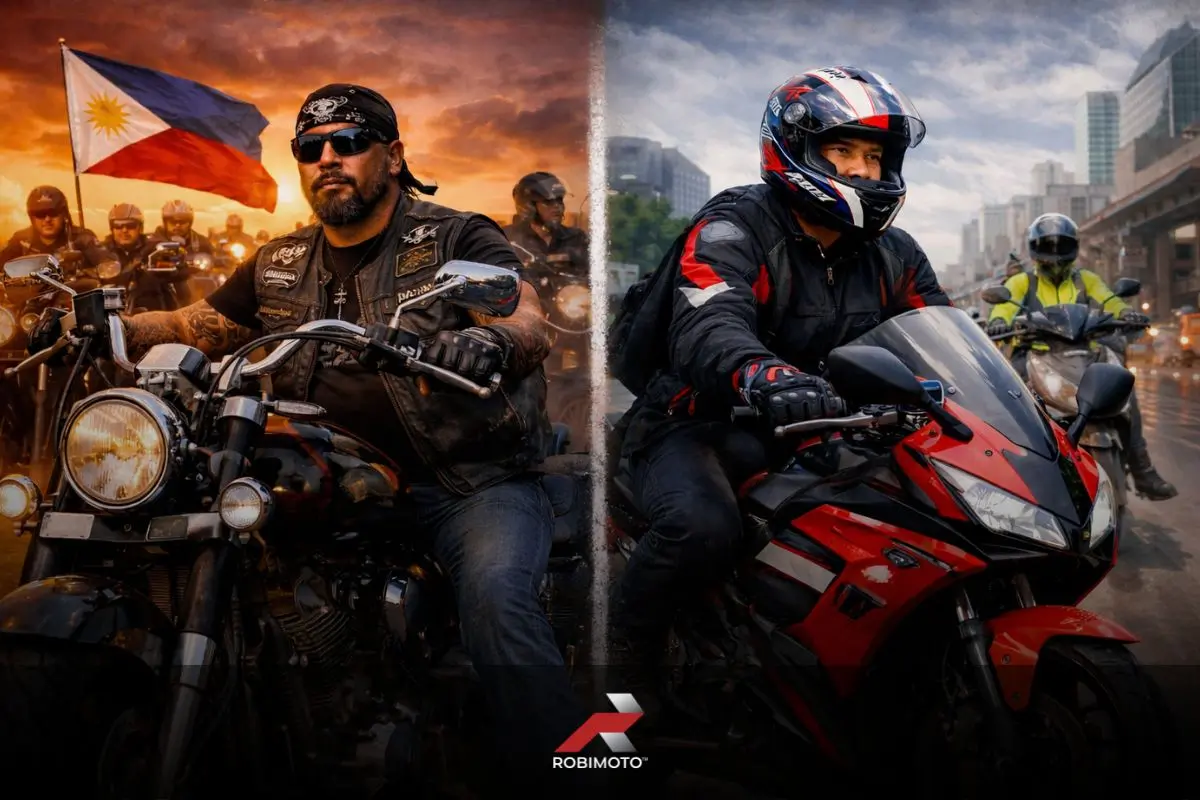
The biker vs rider debate goes beyond simple terminology. In the Philippines, these labels reflect lifestyle, responsibility, and road culture. This article explores how Filipino motorcyclists use the terms today, why rider remains the dominant identity, and how biker culture fits into clubs and long-distance riding. More importantly, it explains why discipline, safety, and community matter more than labels. Whether you ride daily or live for long journeys, understanding biker vs rider helps build respect and a healthier motorcycle culture.
Biker vs Rider is a question many Filipino motorcyclists quietly ask themselves after their first long ride. You start riding for convenience, then passion sneaks in. Somewhere between traffic jams and sunrise rides, identity begins to form. This reflection connects naturally with responsible road behavior discussed in Responsible Driving Highlighted as Key to Safer Travel Amid Rising Road Fatalities. Because before labels, what truly matters is how you ride.
The discussion around biker vs rider often starts with definitions. A rider is anyone who operates a motorcycle. It is functional, neutral, and inclusive. A biker, however, usually refers to someone who embraces motorcycling as a lifestyle. In the Philippine setting, this difference feels subtle but meaningful.
Many Filipinos become riders out of necessity. Motorcycles are affordable, fuel efficient, and practical. Over time, some riders invest emotionally in the craft. They ride longer, learn maintenance, and respect the road deeply. That transition often leads to the biker identity.
However, labels are not ranks. They are reflections of intention. One is not better than the other. Understanding this difference helps reduce ego and build mutual respect.
Investing in durable safety components goes beyond helmets and gloves. Even braking parts matter. This is why many Dominar owners prioritize proven upgrades, as discussed in Bendix Motorcycle Brake Pads Review for Dominar 400 Riders in the Philippines, where long-lasting brake pads help reduce frequent replacements, lower waste, and improve everyday riding safety.
Motorcycling in the Philippines grew rapidly over the last decade. Commuters, delivery riders, and weekend enthusiasts now share the same roads. Because of this shift, the word rider became dominant in everyday language.
In news reports, traffic advisories, and safety discussions, rider is the standard term. This usage aligns with observations shared in a trusted local report from AutoIndustriya, where motorcycle users are consistently referred to as riders rather than bikers. The language emphasizes inclusivity and shared responsibility on public roads.
Biker, on the other hand, appears more often in club culture. Big bike groups, long-ride communities, and heritage clubs tend to adopt the term. It signals commitment and experience, not superiority.
This cultural divide explains why many Filipinos hesitate to call themselves bikers. For most, the title feels earned through years of riding.
| Aspect | Rider | Biker |
|---|---|---|
| Primary Use | Daily transport | Lifestyle riding |
| Typical Bike | Scooter, underbone | Big bike, touring |
| Community | Broad, inclusive | Club or group based |
| Public Usage | News and safety | Identity driven |
| Mindset | Practical | Passion focused |
The biker vs rider conversation becomes clearer when lifestyle enters the picture. Riders often focus on destination and efficiency. Bikers focus on the journey itself.
According to this publication from Visordown, motorcycle culture globally shows that lifestyle riders invest more in maintenance, training, and long term ownership. This pattern also applies locally.
Sustainability quietly fits here. Riders who maintain their bikes well reduce breakdowns and waste. Bikers who keep gear longer avoid unnecessary replacements. Both contribute positively when mindful.
What matters is not the label, but intention. Riding with care creates a lasting relationship with the machine.

Explore more about how discipline on the road shapes long-term riding culture in the Philippines.
Motorcycle clubs often shape the biker identity. These groups emphasize brotherhood, rules, and shared values. Joining one requires commitment and discipline.
In contrast, riders may join casual groups or ride solo. Both paths are valid. Problems arise when labels are used to divide rather than unite.
Healthy communities support new riders, educate patiently, and correct behavior without arrogance. This transparency builds trust.
Supporting local shops, mechanics, and community rides strengthens the ecosystem. It keeps money local and skills alive. This quiet community support sustains Philippine motorcycling long term.
Support local motorcycle shops for maintenance and parts.
Regardless of labels, safety defines respect on the road. The term kamote rider exists because poor behavior affects everyone. No biker badge can excuse recklessness.
Riders who follow laws protect the reputation of the community. Bikers who mentor instead of mock help elevate standards.
Transparency matters here. Acknowledge mistakes. Learn from close calls. Share experiences honestly. This culture of openness improves safety for all.
Identity should never override responsibility. The road does not care what you call yourself.
Mindful riding extends bike life, supports local communities, and builds trust through responsible behavior.
At the heart of Biker vs Rider is not status, but purpose. Some ride to arrive. Others ride to feel alive. Both deserve respect. What defines you is how you treat the road, your machine, and fellow riders. Choose discipline, humility, and care. Labels fade. Character lasts.