Skip to content
Contact & Community
📍 Metro Manila, Philippines
🌐 robimotoph.com
✉️ hello@robimotoph.com
📱 +63 917 517 0594
📍 Metro Manila, Philippines
🌐 robimotoph.com
✉️ hello@robimotoph.com
📱 +63 917 517 0594

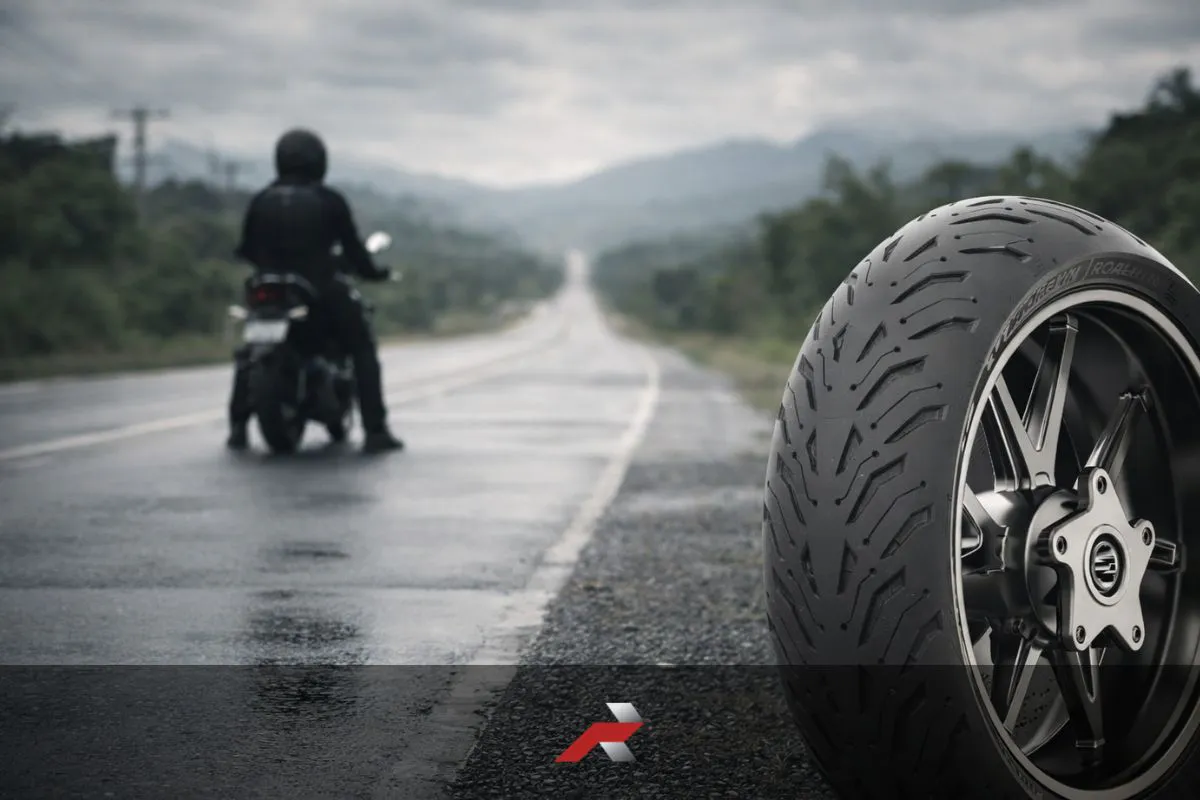
Choosing between Michelin Road 6 vs Michelin Anakee is not just about road vs adventure tires. In the Philippines, riders deal with rain, concrete roads, tar strips, flooded streets, heavy traffic, and long provincial rides. Tire choice affects braking, stability, comfort, and tire lifespan, especially when carrying a top box or passenger. This guide compares the Michelin Road 6 and Michelin Anakee in real Philippine riding conditions including wet braking, stability at 80–100 kph, heat during long rides, and availability and pricing in the Philippines. This helps riders choose the right tire based on real usage, not just specifications.
When riders compare michelin road 6 vs michelin anakee, the question is usually simple: road tire or adventure tire? But in the Philippines, the answer is not that simple. Our roads are a mix of concrete, asphalt, tar strips, potholes, flooded streets, and long provincial highways. Tire choice becomes a safety decision, not just a performance upgrade.
Some riders use their bikes daily on city roads. Others ride long distance on weekends. Some carry a top box and heavy load. Others ride solo but encounter rain almost every week. Because of these conditions, choosing between Michelin Road 6 and Michelin Anakee should be based on real Philippine riding conditions, not just tire category.
If you are choosing tires mainly for wet grip and safety, you may also want to read Best Rainy Season Tires for Big Bikes, which explains which tires perform best during heavy Philippine rain and flooded roads.
Sport touring tires like the Road 6 are designed for asphalt performance, wet braking, and high-speed stability. Adventure tires like the Anakee are designed for mixed roads, rough surfaces, and durability.
Because our roads are unpredictable, the best tire is not always the most expensive one. The best tire is the one that matches your real riding environment.
Many tire comparisons online are based on European or American roads. Those roads are mostly smooth asphalt. In the Philippines, riders deal with concrete highways, asphalt roads, tar strips, steel plates, potholes, and sometimes flooded streets. Because of this, the decision between Michelin Road 6 and Michelin Anakee should be based on real road conditions, not just tire category.
Concrete roads are common on highways like NLEX and SCTEX. These roads are hard and can cause faster tire wear. Asphalt roads provide better grip but become slippery when wet, especially when tar strips appear in corners. Flooded roads also affect tire performance because water evacuation becomes very important for safety.
This is where the difference between Road 6 and Anakee becomes noticeable. One is optimized for road grip. The other is optimized for mixed conditions and durability.
In the Philippines, rain is a normal riding condition. Riders encounter sudden rain even during dry season. Wet braking, water evacuation, and tire stability become more important than dry cornering performance.
The Michelin Road 6 is known for excellent wet grip and wet braking performance. Many riders choose it because it performs well on wet asphalt and concrete roads. The Michelin Anakee, on the other hand, performs well on wet roads but is more focused on stability and durability when roads are rough, dirty, or uneven.
If your riding includes daily commuting, long rides, carrying a top box, and riding during rainy season, tire behavior in wet conditions should be a major factor in your decision.
When comparing michelin road 6 vs michelin anakee, riders should not only look at tire type. The more important factors are stability, lifespan, comfort, and performance under Philippine riding conditions. These include long ride heat, heavy load from top box, concrete roads, and wet braking during rainy season.
Most big bike riders in the Philippines cruise between 80–100 kph on highways. At this speed, tire stability is very important. The Michelin Road 6 performs very well on smooth highways and asphalt roads. The tire feels planted and stable, especially during long rides.
The Michelin Anakee is also stable at highway speeds, but the tire pattern is designed for mixed terrain. Because of this, the Anakee may feel slightly more vibration compared to the Road 6, especially on smooth concrete roads. However, the difference is not extreme, and many riders still find it comfortable for long-distance touring.
Philippine weather is hot, and long rides generate heat on tires. Heat affects tire lifespan and performance. Sport touring tires like the Road 6 usually provide very good grip but may wear faster compared to adventure tires when used on rough concrete roads.
The Michelin Anakee usually lasts longer because the rubber compound is designed for durability and mixed road conditions. Riders who travel long distance, carry luggage, or use a top box may benefit from the longer tire lifespan of the Anakee.
If your motorcycle is used mainly for daily commuting on asphalt and concrete roads, the Road 6 is usually the better choice. If your riding includes rough roads, provincial roads, construction zones, and occasional gravel or flooded roads, the Anakee may be the better option.
The Michelin Road 6 is considered one of the best sport touring tires for wet grip, braking performance, and stability on paved roads. For Philippine riders who mostly ride on asphalt, concrete highways, and city roads, the Road 6 is often the safer and more comfortable option.
Wet braking is one of the biggest strengths of the Road 6. During Philippine rain, roads become slippery due to oil, dust, and tar strips. The Road 6 tire pattern and compound are designed to evacuate water efficiently, which improves braking confidence in wet conditions.
On dry roads, the tire feels stable and planted, especially when cruising at 80–100 kph. Many riders also notice that the Road 6 feels smoother on concrete highways compared to adventure tires.
Concrete roads are common in the Philippines. These roads are harder than asphalt and usually cause more vibration. The Michelin Road 6 absorbs vibration well, making long rides more comfortable.
On asphalt roads, the tire grip is excellent. Cornering feels predictable and stable. Tar strips can still be slippery, but the Road 6 handles them better than many older sport touring tires.
Because of this, riders who mostly travel on highways, city roads, and twisty asphalt roads usually prefer the Road 6 over adventure tires.
Many Philippine riders use top boxes and sometimes carry passengers. This adds weight to the motorcycle and affects tire wear and stability. The Michelin Road 6 performs well even when carrying extra load, especially during long rides.
However, heavier load and hot weather can increase tire wear. Riders who always carry luggage or travel long distance frequently should consider tire lifespan when choosing between Road 6 and Anakee.
If you want a deeper analysis of Road 6 performance, you can read How the Michelin Road 6 Performs for Daily Sport Touring Riders, where we discuss real-world usage, tire lifespan, comfort, and wet performance in more detail.
In the Philippines, Michelin Road 6 is usually more expensive than many other sport touring tires. Price depends on size and availability, but it is considered a premium tire.
In terms of lifespan, many riders report good mileage, but tire wear depends on riding style, road condition, and load. Aggressive riding and heavy load can reduce tire lifespan faster, especially on rough concrete roads.
When discussing michelin road 6 vs michelin anakee, the biggest difference is not speed or brand. The biggest difference is where and how you ride your motorcycle in the Philippines.
The Michelin Road 6 is better for riders who mostly ride on asphalt roads, concrete highways, and city roads. If your riding includes daily commuting, highway cruising at 80–100 kph, and long rides on paved roads, the Road 6 provides better grip, smoother ride, and stronger wet braking performance.
It is also a good choice for riders who prioritize cornering stability, braking confidence during rain, and overall road performance. Riders who use their bikes mainly for touring on paved roads will usually be happier with the Road 6.
The Michelin Anakee is better for riders who encounter rough roads, potholes, construction zones, gravel roads, and flooded streets. It is also a good choice for riders who carry heavy load, top box, or travel long distance frequently.
The Anakee usually has longer tire lifespan and better durability on rough Philippine roads. It may not be as smooth as the Road 6 on highways, but it is more versatile for mixed road conditions.
Before choosing between the two tires, it helps to look at their differences side by side. This table is based on real Philippine riding conditions such as rain, concrete roads, long rides, heavy load, and tire lifespan.
| Category | Michelin Road 6 | Michelin Anakee |
|---|---|---|
| Tire Type | Sport Touring | Adventure / Dual Sport |
| Best For | Asphalt, highways, city riding | Mixed roads, rough roads, provincial roads |
| Wet Grip | Excellent | Very Good |
| Wet Braking | Excellent | Good |
| Stability 80–100 kph | Excellent | Very Good |
| Comfort on Concrete | Very Good | Good |
| Rough Road Performance | Fair | Excellent |
| Flooded Roads | Good | Very Good |
| Load / Top Box | Good | Excellent |
| Tire Lifespan | Medium to Long | Long |
| Long Ride Heat | Good | Very Good |
| Price in PH | Premium | Premium |
| Availability | Common | Common |
This comparison already shows the main difference. The Road 6 is optimized for road grip and braking. The Anakee is optimized for durability and mixed road conditions.
If most of your riding is on paved roads and highways, the Road 6 usually makes more sense. If your riding includes rough roads, potholes, construction areas, and occasional gravel or flooded roads, the Anakee becomes more practical in the long run.
Both tires are premium tires. The decision should depend on your riding environment, not just tire category.
When comparing michelin road 6 vs michelin anakee, many riders think the Anakee is only for off-road use. That is not entirely correct. The Michelin Anakee is actually designed for mixed road touring, which fits Philippine riding conditions very well.
Philippine roads are not always smooth asphalt. Riders encounter concrete roads, broken asphalt, potholes, construction zones, gravel, and sometimes flooded streets. Because of this, adventure tires like the Anakee become very practical for daily riding and long-distance touring.
The Michelin Anakee performs very well on rough roads and uneven surfaces. The tire absorbs bumps better compared to sport touring tires. Riders who travel to provinces or ride through construction zones will notice the difference immediately.
At highway speeds around 80–100 kph, the Anakee is still stable, although not as smooth as the Michelin Road 6 on perfect asphalt. However, on real Philippine roads, which are often uneven, the Anakee can actually feel more stable and more comfortable.
The tire also performs well when the motorcycle is carrying a top box, luggage, or passenger. The stronger tire construction helps maintain stability even with heavier load.
One of the biggest advantages of the Michelin Anakee is tire lifespan. Because the rubber compound is designed for durability, the tire usually lasts longer compared to pure sport touring tires, especially on rough concrete roads.
Long rides in hot weather also affect tire wear. The Anakee handles heat well, making it a good option for riders who travel long distance frequently.
For a deeper discussion about this tire, you can read Why the Michelin Anakee Adventure Tire Fits Big Bikes Used in the Philippines, where we discuss durability, road performance, and real-world riding conditions in more detail.
The Philippines has frequent rain and sometimes flooded roads. The Michelin Anakee performs well in wet conditions because of its tread pattern designed to evacuate water and maintain traction.
While the Michelin Road 6 still has better wet braking on asphalt, the Anakee performs better on dirty, rough, or uneven wet roads. This is important for riders who encounter mud, sand, or rough pavement during rainy season.
When choosing between these two tires, performance is not the only factor. Price, availability, and how long the tire lasts are also very important for Philippine riders. Tires are expensive, so choosing the wrong one can be costly in the long run.
In the Philippines, both Michelin Road 6 and Michelin Anakee are considered premium tires. Prices depend on tire size, but both are usually priced higher than entry-level touring or dual sport tires. Because of this, riders should not only look at purchase price. Tire lifespan and durability should also be considered.
Michelin Road 6 may wear faster if used on rough concrete roads, especially if the rider carries a top box or rides long distance regularly. The Michelin Anakee usually lasts longer because it is designed for mixed road conditions and heavier load.
Availability is generally good for both tires in the Philippines, especially in big bike shops and major motorcycle tire distributors. However, Road 6 is usually easier to find because sport touring tires are more common than adventure touring tires.
For ownership cost, riders should consider how often they ride, road conditions, and whether they carry luggage or passenger. Sometimes the more expensive tire with longer lifespan becomes cheaper in the long run.
When analyzing michelin road 6 vs michelin anakee, the biggest difference appears not on paper but in real-world riding. Tire choice changes how the motorcycle feels during braking, cornering, riding in rain, and long-distance travel.
Most Philippine riders do not ride on perfect roads. We ride on concrete highways, asphalt roads with tar strips, uneven pavement, and sometimes flooded streets. Because of this, tire performance should be evaluated based on stability, braking, comfort, and durability in mixed conditions.
Wet braking is one of the most important factors for Philippine riders. Sudden rain, oil on the road, and painted road markings can become very slippery. The Michelin Road 6 performs better in pure wet asphalt braking situations. The tire compound and tread design are optimized for wet grip and shorter braking distance.
The Michelin Anakee still performs well in wet conditions, but its advantage appears when the road is not clean asphalt. On dirty roads, rough pavement, or uneven wet surfaces, the Anakee can provide more consistent grip and stability.
Adventure touring tires were designed for unpredictable road conditions, which is why many long-distance riders prefer them. Based on testing and long-distance touring feedback discussed in Cycle World, adventure touring tires are designed to balance pavement grip and durability for mixed terrain touring, not just off-road use.
Many riders in the Philippines use top boxes, side bags, or carry passengers. Additional load affects tire stability and wear. The Michelin Anakee handles load better because of its stronger construction and thicker tread blocks.
During long rides, heat builds up on tires. Heat affects tire wear and performance. The Road 6 performs very well on long asphalt rides, but the Anakee usually handles heat and rough roads better over very long distances.
Concrete roads can be harsh on tires and can reduce tire lifespan. Asphalt roads provide better grip but tar strips become slippery during rain. The Michelin Road 6 performs better on smooth asphalt and concrete highways. The Michelin Anakee performs better when roads become rough, broken, or uneven.
This is why the decision between the two tires should depend on your riding environment, not just tire category.
Choosing between Michelin Road 6 and Michelin Anakee is easier if you look at your riding style and daily usage. There is no universal best tire. The correct tire depends on how and where you ride.
If your motorcycle is mainly used for daily commuting, city riding, and highway travel, the Michelin Road 6 is usually the better choice. It provides better wet braking, smoother ride on concrete highways, and more stable cornering on asphalt roads.
Riders who travel on expressways and paved provincial highways will benefit more from the Road 6. Stability at 80–100 kph is excellent, and the tire feels planted during long rides.
If your riding includes rough roads, potholes, construction zones, gravel roads, and flooded streets, the Michelin Anakee is usually the better option. The tire is more durable and more comfortable on uneven roads.
It is also better for riders who carry a top box, luggage, or passenger frequently. The stronger construction helps maintain stability and improves tire lifespan.
Some riders only want one tire that can handle city riding, highway riding, rough roads, and long-distance touring. In many Philippine riding situations, the Michelin Anakee becomes the more versatile choice because road conditions are unpredictable.
However, if you prioritize braking performance and smooth road comfort, the Michelin Road 6 is still the better tire.
One of the most important factors when choosing motorcycle tires in the Philippines is not just performance. Long-term ownership experience matters more. Tire lifespan, wear pattern, and how the tire behaves after thousands of kilometers are very important for riders who use their motorcycles regularly.
The Michelin Road 6 is known for excellent wet grip and braking performance, but like most sport touring tires, it may wear faster if used on rough concrete roads, especially when carrying heavy load or riding long distance frequently. Riders who mainly ride on highways and smooth asphalt roads will usually get good tire lifespan from the Road 6.
The Michelin Anakee, on the other hand, is designed for durability and mixed road conditions. The tire usually lasts longer, especially for riders who travel long distance, ride on rough provincial roads, or carry top box and luggage regularly.
In terms of long-term value, the cheaper tire is not always the one with lower purchase price. Sometimes the tire with longer lifespan and better durability becomes more economical in the long run, especially for Philippine riding conditions.
Choosing between michelin road 6 vs michelin anakee should not be based on which tire is more popular. The decision should be based on where you ride, how you ride, and how often you ride in rain, rough roads, or long-distance trips.
Choose the Michelin Road 6 if your riding is mostly on asphalt roads, concrete highways, and city roads. It is the better tire for wet braking, smooth ride comfort, and stability at 80–100 kph on paved roads. Riders who focus on touring, cornering, and road performance will usually prefer the Road 6.
Choose the Michelin Anakee if your riding includes rough roads, potholes, construction zones, gravel roads, and flooded streets. It is also better for riders who carry a top box, passenger, or heavy luggage during long rides. The tire usually has longer lifespan and better durability on mixed road conditions.
The most important rule is simple. The best tire is the tire that matches your real riding environment. Philippine roads are unpredictable, so tire choice should always prioritize safety, durability, and real-world performance.
It depends on your riding environment. Michelin Road 6 is better for asphalt roads, highways, and wet braking performance. Michelin Anakee is better for rough roads, potholes, flooded streets, and mixed road conditions common in the Philippines.
Michelin Anakee usually lasts longer because it is designed for durability and mixed road conditions. Michelin Road 6 may wear faster on rough concrete roads and when carrying heavy load or top box frequently.
Yes, Michelin Anakee is stable at highway speeds around 80–100 kph. However, Michelin Road 6 is smoother and more stable on perfect asphalt highways.
Michelin Road 6 is better for wet braking on asphalt and concrete roads. Michelin Anakee performs better on rough wet roads, dirty pavement, and uneven flooded roads.
Yes, Michelin Road 6 is worth it if most of your riding is on paved roads, highways, and city riding, especially if you prioritize wet grip, braking performance, and stability.
The decision between michelin road 6 vs michelin anakee is not about which tire is better globally. The real question is which tire is better for Philippine roads, weather, and riding habits.
If your riding is mostly on asphalt roads, concrete highways, and long-distance touring on paved roads, the Michelin Road 6 is the better choice. It offers excellent wet braking, strong road grip, and stable performance at highway speeds. It is designed for riders who prioritize road performance and comfort.
If your riding includes rough roads, potholes, construction zones, gravel roads, flooded streets, and heavy load with top box or luggage, the Michelin Anakee becomes the better option. It offers better durability, longer tire lifespan, and more stability on mixed road conditions.
For many Philippine riders, the best tire is not the fastest tire or the most expensive tire. The best tire is the one that matches your riding environment and keeps you safe in rain, heat, traffic, and long rides.
If you are still deciding which tires perform best during rainy season, you can also read Best Motorcycle Tires for Rainy Season Philippines to help you choose the right tire for wet road conditions.
Featured image: Editorial composite image created for RobiMotoPH using official product imagery.