Skip to content
Contact & Community
📍 Metro Manila, Philippines
🌐 robimotoph.com
✉️ hello@robimotoph.com
📱 +63 917 517 0594
📍 Metro Manila, Philippines
🌐 robimotoph.com
✉️ hello@robimotoph.com
📱 +63 917 517 0594


The Big Bike Market Philippines is often seen on social media through group rides, motorcycle events, and lifestyle content, but does this reflect real market growth? This article explores whether the big bike segment is truly expanding or if it only appears large online. We will look at ownership costs, rider behavior, financing, maintenance, and market trends to understand the real situation of big bikes in the Philippines. This also explains why small displacement motorcycles still dominate the market and where big bikes fit in the overall motorcycle industry in the country.
The Big Bike Market Philippines appears very visible on social media, motorcycle events, and weekend rides, which makes it seem like big bikes are everywhere. Many riders share long rides, group rides, and motorcycle lifestyle content online. Because of this visibility, some people believe the big bike market in the Philippines is growing very fast. However, small displacement motorcycles and scooters still dominate the real motorcycle market because people use them for daily transportation and work. This raises an important question: is the big bike market truly growing, or does it only look big because of social media and motorcycle communities?
The big bike market may look like it is growing very fast, especially on social media. Group rides, motorcycle events, and touring photos make big bikes very visible online. However, visibility does not always mean the market is large. Sometimes, a small community can look very big because members are very active online.
Social media platforms made the big bike community more visible. Riders post photos of weekend rides, long-distance trips, and motorcycle events. These posts are shared and seen by many people, which creates the impression that many riders own big bikes.
In reality, many of the same riders appear in different events and group rides. This makes the community look larger than it actually is. Social media increases visibility, but it does not always reflect actual market size.
If you are planning to move from a small motorcycle to a big bike, it is important to understand the costs, training, and riding skills required. You can start by reading our beginner guides such as Beginner Big Bike Guide for New Riders in the Philippines, where we discuss what new riders should consider before upgrading to a big bike.
Big bikes are also more visible because they are allowed on expressways. Riders traveling between cities often use expressways, which makes big bikes more visible to the public. Many motorcycle events and group rides also happen in major cities, which increases visibility even more.
Because of this visibility, many people think the big bike market is very large, even if the total number of big bikes is still small compared to commuter motorcycles and scooters.
The Big Bike Market Philippines is growing, but it is growing slowly compared to the small motorcycle market. Most motorcycles sold in the Philippines are still scooters and commuter motorcycles. Big bikes represent only a small portion of total motorcycle sales in the country.
Small displacement motorcycles dominate the market because riders use them for daily transportation, work, and small businesses. Riders use big bikes for leisure riding, touring, and weekend rides instead. Because these motorcycles serve different purposes, fewer big bikes are sold each year.
The cost of owning a big bike is much higher than owning a small motorcycle. Purchase price, insurance, maintenance, fuel consumption, and riding gear all increase the total cost of ownership. This limits the number of people who can afford big bikes.
The big bike community is very active in events, group rides, and social media. This makes the community very visible even if the actual number of big bike owners is still relatively small.
One major factor that affects the big bike market in the Philippines is ownership cost. Buying a big bike is only the first expense. Maintenance, tires, insurance, fuel, and riding gear all add to the total cost of ownership. Because of these expenses, not everyone who wants a big bike can afford to own one.
A current example is the ZXMOTO Philippines price 2026 guide, where reported SRP, reservation fees, insurance, maintenance, and parts support show why big bike cost should be measured beyond the showroom price.
Many new riders focus only on the purchase price of the motorcycle. However, the total cost of ownership includes maintenance, parts, insurance, fuel, and gear. Big bikes use more expensive parts compared to small motorcycles. Labor costs for maintenance are also usually higher.
Insurance for big bikes is more expensive because the motorcycle value is higher. Registration and other fees also increase depending on engine displacement.
Tires are one of the most expensive maintenance items for big bikes. Big bike tires are wider, softer, and designed for higher speed and better grip. Because of this, they wear out faster and cost more than small motorcycle tires.
Choosing the right tire is very important for safety and performance. If you want to learn more about choosing the right tires for big bikes, you can read our tire guides such as Best Rainy Season Tires for Big Bikes in the Philippines, where we discuss tire options for wet roads and long-distance riding.
Big bikes consume more fuel than small motorcycles. Maintenance intervals may also require more expensive oil, filters, and parts. Because of this, owning a big bike requires a higher monthly budget compared to owning a small motorcycle.
This is one reason why the big bike market grows slower compared to the small motorcycle market in the Philippines.
The Big Bike Market Philippines is influenced not only by price but also by the type of riders who buy big bikes. Big bike buyers are usually different from small motorcycle buyers. Many big bike owners already own a car or a small motorcycle before buying a big bike.
For many riders, a big bike is not their first motorcycle. Many riders start with a small motorcycle or scooter for daily commuting. After several years of riding, some riders upgrade to a big bike for long rides, touring, and leisure riding.
Because of this, big bikes are often considered lifestyle motorcycles rather than daily transportation.
Big bike owners usually have higher disposable income compared to average motorcycle buyers. Aside from the motorcycle itself, riders also spend on riding gear, accessories, maintenance, and travel. This limits the number of people who can enter the big bike market.
To understand the Big Bike Market in the Philippines, it is important to compare it with the small motorcycle market. Many people think big bikes are everywhere, but the numbers tell a different story. The small motorcycle market is still much larger than the big bike market.
Most motorcycles in the Philippines are scooters and commuter motorcycles below 200cc. Riders use these motorcycles for commuting, delivery work, and small businesses. Because people rely on motorcycles for transportation and work, small motorcycles dominate the market.
Riders usually use big bikes for leisure riding, touring, and weekend rides. For this reason, demand for big bikes remains much smaller than demand for small motorcycles.
Below is a simplified comparison between small motorcycles and big bikes in the Philippines.
| Category | Small Motorcycles | Big Bikes |
|---|---|---|
| Main Purpose | Daily transport / Work | Leisure / Touring |
| Purchase Price | Low | High |
| Fuel Consumption | Low | Higher |
| Maintenance Cost | Low | Higher |
| Tire Cost | Low | High |
| Insurance | Low | High |
| Market Size | Very Large | Small |
| Growth Rate | Stable | Slow Growth |
This table shows that small motorcycles dominate the market because they are practical and affordable, while big bikes remain a smaller lifestyle segment.
The Big Bike Market Philippines is growing, but the growth is slow compared to the small motorcycle market. There are several reasons why the big bike segment grows slowly even if big bikes are very visible on social media and motorcycle events.
The biggest barrier to the big bike market is cost. The purchase price of big bikes is high, and the cost of maintenance, tires, insurance, and riding gear also increases the total cost of ownership. Because of this, only a smaller group of riders can afford big bikes.
Big bikes are heavier and more powerful than small motorcycles. New riders usually start with small motorcycles before upgrading to bigger motorcycles. Riding training and experience are important before moving to big bikes, which slows down the number of new big bike owners each year.
Financing options also influence the big bike market. According to motorcycle market and financing trends discussed in Statista motorcycle market statistics and ownership trends, affordability and financing options are major factors that affect motorcycle ownership in developing countries.
One major factor that many new riders underestimate is maintenance. Buying a big bike is only the beginning. Maintenance, parts, tires, and labor costs are higher compared to small motorcycles. Because of this, maintenance becomes one of the biggest factors in long-term big bike ownership.
Big bikes usually require more expensive engine oil, filters, brake pads, and tires. Labor costs for maintenance are also higher because big bikes are more complex machines. Some big bikes also require special tools and trained mechanics, which can increase maintenance cost even more.
Fuel consumption is also higher compared to small motorcycles. Riders who use big bikes frequently for long rides need to consider fuel cost as part of their monthly budget. Insurance and registration fees are also higher compared to small motorcycles.
Proper maintenance is very important to keep big bikes reliable and safe for long rides. Riders should follow regular maintenance schedules and use proper parts and fluids. If you want to learn more about maintaining motorcycles and preventing expensive repairs, you can read Motorcycle Maintenance Guide for Big Bikes and Daily Motorcycles in the Philippines, where we discuss maintenance schedules, common issues, and preventive maintenance tips.
Because of maintenance cost and ownership cost, many riders keep their small motorcycles for daily use and use big bikes only for weekend rides and long-distance trips.
The Big Bike Market Philippines is expected to continue growing, but the growth will likely remain slow and steady rather than very fast. Market growth will depend on economic conditions, financing availability, infrastructure, and motorcycle culture in the country.
As the economy grows, more people may have higher disposable income. This can increase the number of riders who can afford big bikes. Big bikes are usually considered lifestyle or leisure motorcycles, so market growth is closely related to income growth and spending power.
Expressways and long-distance riding routes also influence the big bike market. Riders often buy big bikes because they can use expressways and travel between cities faster. Touring culture and motorcycle travel are slowly becoming more popular in the Philippines.
Motorcycle demand is also influenced by urban mobility and transportation needs in developing countries, as discussed in Reuters report on rising motorcycle demand in Southeast Asia.
Overall, the big bike market will likely grow slowly but steadily in the coming years.
The big bike market in the Philippines continues to grow, but riders still treat big bikes as lifestyle motorcycles rather than primary transportation. Most riders rely on small motorcycles and scooters for daily commuting, work, and errands. Riders typically use big bikes for weekend rides, long-distance trips, and motorcycle events.
Many big bike owners use their motorcycles for leisure riding and touring rather than daily commuting. Big bikes are more comfortable for long rides, expressway travel, and provincial trips. Because of this, big bikes are often associated with travel, adventure, and motorcycle lifestyle rather than daily transportation.
Weekend group rides and long-distance trips are common activities among big bike owners. This is very different from small motorcycles, which are usually used for commuting and work.
Even if many riders want to own big bikes, ownership cost still limits market growth. The purchase price, maintenance cost, tires, insurance, and fuel consumption are all higher compared to small motorcycles. Because of this, many riders keep their small motorcycles for daily use and buy big bikes only if they have extra budget.
This is one reason why the big bike market grows slowly compared to the scooter and commuter motorcycle market.
Social media makes the big bike community look bigger than it actually is. Riders share motorcycle events, group rides, and touring photos online, which increases the visibility of big bikes. However, the actual number of big bike owners remains small compared to the total number of motorcycle owners in the Philippines.
Because of this, the big bike market appears large online, but in reality, it is still a niche segment of the motorcycle industry.
Even if the big bike market is small compared to the overall motorcycle market, it is still an important segment of the industry. Big bikes influence motorcycle technology, safety features, riding gear, and premium motorcycle services. Many new technologies are first introduced in big bikes before they become available in small motorcycles.
Big bike riders also contribute to motorcycle tourism, group rides, and motorcycle events. These activities help grow the motorcycle community and motorcycle industry in the Philippines. Many motorcycle brands also use big bikes to build brand image and reputation, even if most of their sales come from small motorcycles and scooters.
The future of the big bike segment is also connected to the overall direction of the motorcycle industry. If electric motorcycles, new mobility technology, and new transportation policies are introduced, the big bike segment will also be affected. You can read more about this in Future of the Motorcycle Industry in the Philippines: Trends, Electric Motorcycles, Big Bikes, and Market Direction with Honda Leading the Market, where we discuss how the industry may change in the coming years.
The Big Bike Market Philippines remains small compared to the overall motorcycle market, but it still plays an important role in the motorcycle industry and rider culture. Many riders see big bikes as a sign of progress. Some riders set a goal to own a big bike after years of riding small motorcycles.
Many riders start with small motorcycles for commuting and daily transportation. After gaining experience and improving riding skills, some riders upgrade to bigger motorcycles. Because of this, big bikes often represent progress, achievement, and riding experience rather than basic transportation.
This is one reason why many riders dream of owning a big bike even if they do not immediately plan to buy one.
The big bike market will likely continue to grow slowly as more riders gain experience, increase their income, and become interested in long-distance riding and touring. Financing options and economic growth may also help increase the number of big bike owners in the future.
However, small motorcycles and scooters will still dominate the market because they are more affordable and more practical for daily transportation.
In the Philippines, motorcycles are primarily transportation tools. Because of this, small motorcycles will always dominate the market. Big bikes will remain a lifestyle and leisure segment of the motorcycle industry rather than the main transportation segment.
Understanding this helps riders set realistic expectations about the motorcycle market and the future of big bikes in the Philippines.
Yes, the big bike market is growing, but the growth is slow compared to scooters and small motorcycles because of higher ownership cost.
Most riders choose small motorcycles because they are affordable, fuel efficient, and practical for daily transportation and work.
Big bikes can be used for commuting, but they are more commonly used for long rides, expressways, and weekend riding.
Big bikes may become more common in the future, but small motorcycles will likely continue to dominate the market.
Yes, financing is one of the main reasons many Filipinos are able to buy motorcycles.
The Big Bike Market Philippines will continue to grow, but it will likely remain smaller than the scooter and commuter motorcycle market. Big bikes will remain part of the lifestyle and touring segment rather than the main transportation segment. As the economy grows and more riders gain experience, the number of big bike owners may slowly increase over time. However, practical transportation will still drive most motorcycle sales in the country. To understand the total cost of owning motorcycles in the Philippines, you can read Real Cost of Owning a Big Bike in the Philippines, where we discuss expenses, maintenance, and long-term ownership planning.
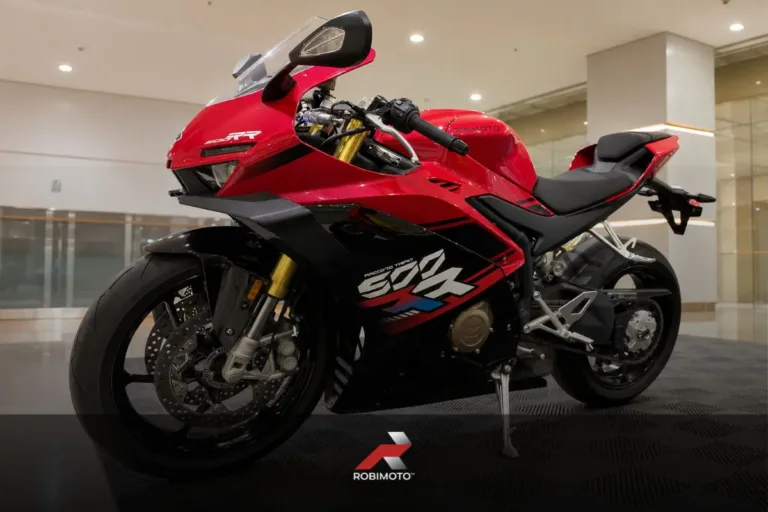
Featured image: Editorial composite image created for RobiMotoPH.