Skip to content
Contact & Community
📍 Metro Manila, Philippines
🌐 robimotoph.com
✉️ hello@robimotoph.com
📱 +63 917 517 0594
📍 Metro Manila, Philippines
🌐 robimotoph.com
✉️ hello@robimotoph.com
📱 +63 917 517 0594


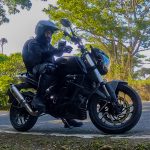
The first year of motorcycle ownership feels simple at the start. You focus on the ride, the freedom, and the excitement of finally having the bike. Over time, reality settles in. Small habits start to matter. Maintenance decisions carry weight. Costs appear in places you did not expect. This article breaks down first-year motorcycle ownership lessons that riders usually learn through daily use, not manuals. These insights help you ride smarter, spend better, and understand what living with a motorcycle actually demands once the honeymoon phase fades.

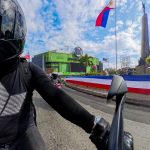
Chain vibration is one of those problems riders often feel before they fully understand it. You notice it during traffic crawls, slow turns, or steady cruising when the bike should feel smooth but does not. The rear feels unsettled. The throttle feels jumpy. Over time, the ride becomes tiring. This article breaks down chain vibration causes and proper adjustment using real street conditions, service realities, and long-term ownership habits. It explains how vibration shows up, why it happens, and what practical fixes actually work without theory or sales talk.

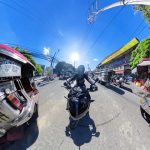
Daily riding in Philippine cities pushes motorcycles harder than most service booklets expect. Heat, stop and go traffic, rain, and uneven roads reveal differences in service quality fast. Riders often assume dealer PMS is always safer, while independent shops are cheaper but risky. Real use shows a more layered picture. This review looks at dealer PMS vs independent shop choices through daily commuting, weekend rides, and ownership realities. It is based on observed outcomes, not theory. Expect clear trade offs, time and cost factors, and patterns riders notice after months of use. The goal is clarity for ownership decisions, not persuasion.

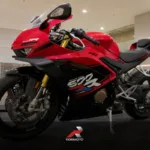
In Philippine traffic, many riders believe that bigger motorcycles are always better. More power, more safety, more value. But daily riding tells a different story. Heavy bikes struggle in stop and go traffic. Maintenance costs add up quietly. Heat, weight, and parking become daily concerns. Expressway rules also push riders to upgrade faster than needed. This article looks at the question Are Bigger Bikes Always Better through real riding situations like city commutes, weekend rides, and ownership realities. No hype. No selling. Just practical observations to help riders make clearer decisions and avoid costly regrets.