Skip to content
Contact & Community
📍 Metro Manila, Philippines
🌐 robimotoph.com
✉️ hello@robimotoph.com
📱 +63 917 517 0594
📍 Metro Manila, Philippines
🌐 robimotoph.com
✉️ hello@robimotoph.com
📱 +63 917 517 0594

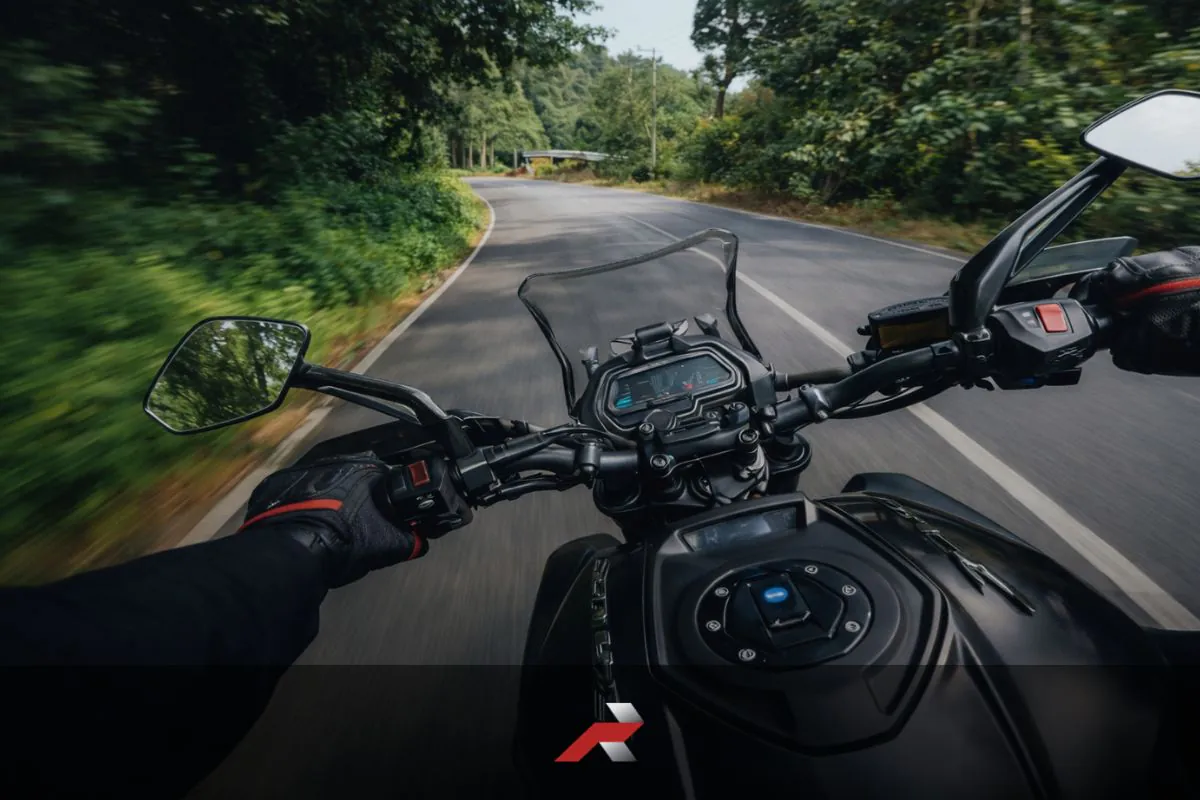
The first year of motorcycle ownership feels simple at the start. You focus on the ride, the freedom, and the excitement of finally having the bike. Over time, reality settles in. Small habits start to matter. Maintenance decisions carry weight. Costs appear in places you did not expect. This article breaks down first-year motorcycle ownership lessons that riders usually learn through daily use, not manuals. These insights help you ride smarter, spend better, and understand what living with a motorcycle actually demands once the honeymoon phase fades.
The first few weeks of motorcycle ownership feel easy. Everything works. The engine sounds healthy. Starting the bike feels effortless. You trust it completely.
By the middle of the first year, small details start to stand out. The chain needs attention sooner than expected. The battery behaves differently after short trips. Fuel habits change how the bike responds.
First-year motorcycle ownership lessons usually arrive quietly. They do not come from breakdowns. They come from patterns you notice while riding, stopping, parking, and maintaining the bike.
Many of these lessons connect directly to cost awareness discussed in Cost of Motorcycle Ownership After the First Year: Real Riding Expenses Explained.
Early ownership focuses on riding time. You look for excuses to take the bike out. Even short trips feel rewarding.
As months pass, riding becomes routine. The bike becomes transportation, not just a hobby. That is when expectations adjust.
Traffic starts to reveal how engine heat really builds up. After long days, weight and posture become impossible to ignore. Some rides leave you more drained than others, and you finally understand why.
The first year teaches you how the motorcycle fits into your actual lifestyle, not the one you imagined before buying.
Maintenance during the first year is mostly reactive. Something feels off, so you check it.
Chain slack becomes the first reminder. It changes faster than expected, especially with mixed riding conditions. Skipping adjustments shows up as vibration or noise.
Oil change intervals start to make sense once you feel the engine after fresh oil. You learn how heat, traffic, and idle time affect oil quality.
These early habits shape how reliable the bike feels later. The first year sets the tone for everything that follows.
If you wait for a problem before building a maintenance routine, the bike will always feel one step behind your expectations.
Short trips feel easy on you, but they strain the motorcycle. The engine rarely reaches optimal temperature. Moisture does not burn off fully.
Batteries suffer the most here. Frequent starts with limited charging time shorten lifespan quietly.
Stop-and-go riding heats components unevenly. Clutches wear faster. Cooling systems work harder.
You might ride fewer kilometers than expected, yet maintenance needs arrive sooner.
Where and how you park affects the bike. Humidity, dust, and exposure influence electrical connectors and fasteners.
Two bikes with the same mileage can age very differently based on storage alone.
Early costs feel predictable. Fuel. Registration. Basic service.
Unexpected expenses appear later. A battery replacement. Brake pads earlier than planned. Tires wearing unevenly due to riding habits.
These costs do not mean something went wrong. They reflect real use.
Ownership discussions frequently shared in the Philippine motorcycle community show that first-year spending often reshapes how riders budget for the second year of ownership.
The first year tempts you with upgrades. Exhausts. Accessories. Comfort mods.
Some changes improve daily riding. Better grips reduce fatigue. Adjusted levers improve control.
Others look good but add little value for everyday use. The first year teaches restraint.
Living with the bike reveals what actually needs improvement and what can wait.
| Area Affected | What Riders Notice | Common Adjustment | Why It Matters |
|---|---|---|---|
| Battery | Slower starts | Usage pattern change | Prevents early failure |
| Chain | Noise or vibration | Regular adjustment | Smooth power delivery |
| Brakes | Faster wear | Riding style awareness | Consistent stopping |
| Tires | Uneven wear | Pressure monitoring | Stability and safety |
| Fuel use | Higher consumption | Route planning | Predictable costs |
By month ten or eleven, confidence returns. Not excitement, but familiarity.
When the engine is cold, you already know what to expect. After long traffic exposure, its reactions no longer surprise you. Subtle changes become noticeable before they turn into real problems.
Riders often report fewer surprises after this stage. The bike feels predictable because you adjusted to its needs.
Ownership patterns shared by Cycle World echo this shift, where long-term satisfaction improves once expectations align with real use.
Downtime hits harder during the first year. You are still adjusting your routines around the bike.
Waiting for parts feels longer. Service appointments feel disruptive. Even short repairs feel inconvenient.
This teaches planning. You start scheduling maintenance around work and life, not the other way around.
That mindset change defines mature ownership more than mileage.
Track maintenance by months, not just kilometers. Time affects components as much as distance.
Trust builds slowly. It starts with knowing the bike will start. Then you trust it for longer rides. Eventually, you trust it to fit into your schedule.
Reliability is not about perfection. It is about predictability.
The first year teaches you what predictable feels like for your motorcycle.
It is the most educational. You learn how the bike fits into real life.
Yes. Initial wear and setup expenses often cluster early.
Very much. Traffic, trip length, and storage shape wear patterns.
Yes. That phase usually passes once routines form.
It becomes more predictable, which feels easier for most riders.
Consistent maintenance during the first year reduces waste by preventing premature component replacement.
RobiMotoPH
First-year motorcycle ownership lessons are rarely dramatic. They come from repetition, inconvenience, and small adjustments.
By the end of the year, the bike feels less like a new purchase and more like a responsibility you understand.
That shift changes how you ride, spend, and plan.
Those reflections often lead riders to bigger questions explored in Is Motorcycle Ownership Still Worth It in 2026? A Real-World Review for Filipino Riders.
Once you survive the first year, ownership stops being a guess and starts feeling intentional.