Skip to content
Contact & Community
📍 Metro Manila, Philippines
🌐 robimotoph.com
✉️ hello@robimotoph.com
📱 +63 917 517 0594
📍 Metro Manila, Philippines
🌐 robimotoph.com
✉️ hello@robimotoph.com
📱 +63 917 517 0594

Brand loyalty feels safe when everything is new. The bike runs well, friends approve, and service feels predictable. Over time, everyday riding tells a different story. Traffic heat, parts availability, and service delays slowly reveal whether loyalty still works in real use. This article looks at how brand loyalties holding riders back show up during regular riding, especially in city conditions. The focus stays on ownership reality, not marketing. The goal is simple. Help riders recognize patterns early so decisions feel clearer and ownership stays practical.
Brand loyalties holding riders back often start as good intentions. Staying with one brand feels easier. Parts feel familiar, mechanics feel trusted, and advice comes quickly from people riding the same bikes. Most of that confidence comes from early ownership experiences.
As months pass, brand loyalties holding riders back start to appear during regular riding. Long traffic hours, service queues, and parts delays test assumptions more than spec sheets ever do.
These observations come from real use and shop conversations. They aim to help riders see options clearly and ride with fewer frustrations.
Early ownership patterns around loyalty are already visible in a real-world ownership situation discussed in Best Motorcycle Brand in the Philippines.
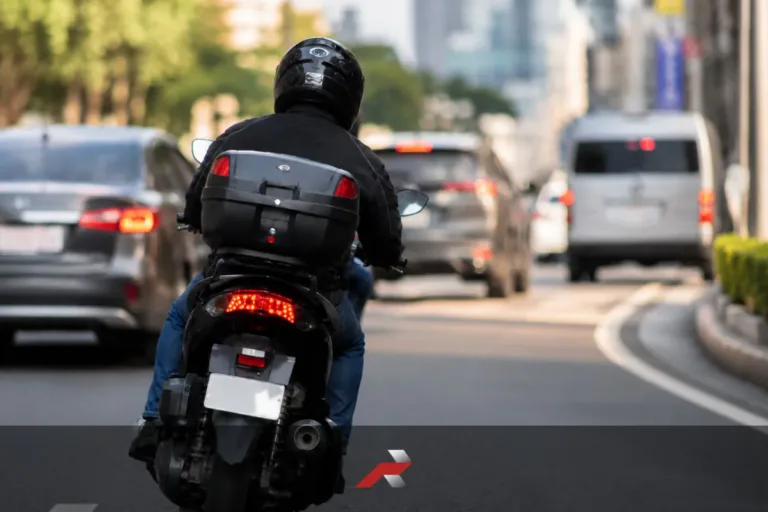
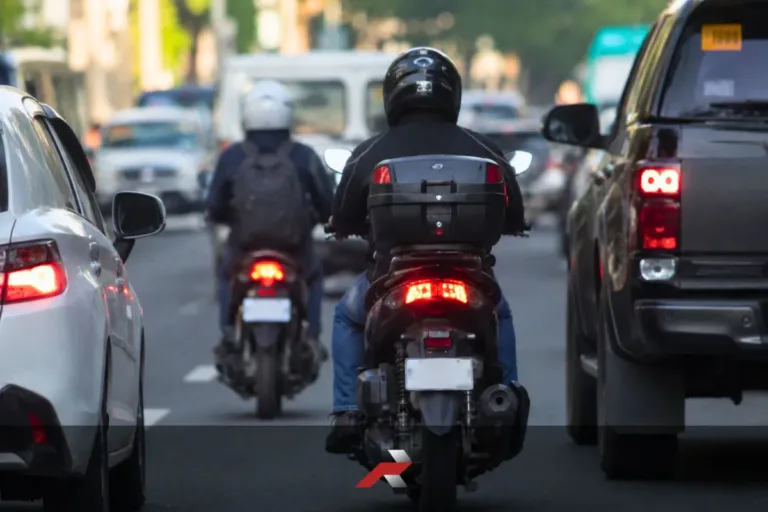
Brand loyalty rarely causes problems on light use days. It shows itself during routine riding. Long idle times, frequent stops, and uneven road conditions create stress that highlights ownership choices.
Some riders insist on brand-only consumables even when alternatives are readily available. Waiting becomes part of the routine. Downtime feels normal because peers experience the same delays. Over time, convenience erodes quietly.
The issue is not loyalty itself. It is when loyalty overrides practicality during repeated use.
Riders often notice patterns after several service cycles. Shops suggest compatible parts. Riders hesitate. Advice from mechanics who work across brands gets dismissed.
These moments are subtle. No breakdown happens immediately. Instead, ownership becomes less flexible. Riders plan around delays rather than solutions.
Routine riding exposes whether loyalty still serves the rider or only the badge.
Service counters reveal a lot. Some riders reject proven alternatives simply because packaging looks unfamiliar. Others avoid shops that service multiple brands.
This narrows options. Fewer shops mean fewer solutions. Over time, riders accept longer waits and higher costs as normal.
Loyalty becomes a habit rather than a choice.
During servicing, ask the mechanic which parts fail most often across different models in similar riding conditions. Listen first before deciding.
Riders often face a quiet trade-off. Familiarity feels comfortable. Everything follows the same pattern. On the other hand, flexibility offers options. More service access. Shorter waits. Mixed pricing.
Neither approach is wrong. Some riders value predictability. Others value uptime. What matters is recognizing the trade clearly.
A local comparison published by Zigwheels Philippines often highlights overlapping service needs across brands, which helps frame these choices realistically.
The decision is not about abandoning loyalty. It is about knowing when loyalty still helps.
| Aspect | Strict Loyalty | Flexible Ownership |
|---|---|---|
| Parts availability | Limited | Wider access |
| Service options | Fewer shops | More choices |
| Downtime risk | Higher | Lower |
| Cost control | Brand pricing | Mixed pricing |
| Information sources | Narrow | Broader |
These are observed tendencies. Results vary by rider and usage.
Time changes perspective. Early pride fades. Practical concerns grow. Brand loyalties holding riders back become clearer after repeated service cycles.
Some riders realize they overlooked better tire options. Others see that independent shops understand solutions well. A long-term ownership reference from RevZilla often reflects similar patterns across different markets, especially for riders dealing with mixed conditions.
Experience teaches that reliability comes from fit and support, not labels.
Rigid loyalty often affects schedules. Waiting for specific parts means missing riding days. Premium pricing limits budget elsewhere.
Downtime costs more than money. It disrupts commutes and plans. Riders who balance loyalty with flexibility often ride more consistently.
This is not about switching brands. It is about adapting ownership habits to daily realities.
After a repair, ask how often similar bikes return for the same issue. This helps judge whether the fix suits regular use, regardless of brand.
No. It works well when parts and support are readily available.
When it reduces service options or increases downtime.
Quality and compatibility matter more than labels.
Sometimes, but flexibility within ownership often helps more.
By listening to mechanics who handle many models.
Choosing compatible parts when appropriate often keeps motorcycles running longer instead of sitting idle due to avoidable delays.
RobiMotoPH
Brand loyalties holding riders back rarely announce themselves. They appear quietly through delays, costs, and missed rides. Seeing these patterns helps riders decide with clarity. Over time, ownership becomes smoother when habits stay flexible, much like a broader riding perspective.
Clear choices lead to better riding days.