Skip to content
Contact & Community
📍 Metro Manila, Philippines
🌐 robimotoph.com
✉️ hello@robimotoph.com
📱 +63 917 517 0594
📍 Metro Manila, Philippines
🌐 robimotoph.com
✉️ hello@robimotoph.com
📱 +63 917 517 0594

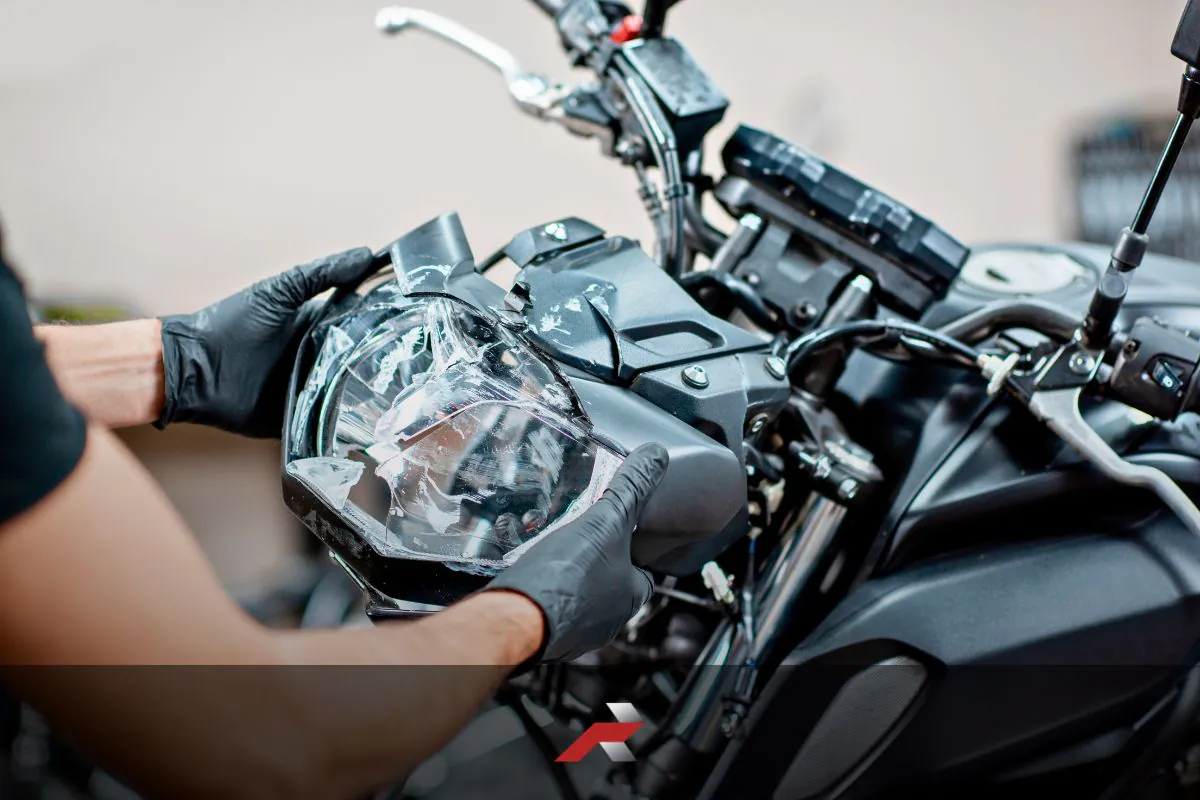
Weak headlight output is one of those problems riders usually ignore until night riding becomes stressful. The beam looks fine at first, then slowly fades. Street lights start doing the work for you. Road signs appear late. You assume the bulb is old, but the real issue often sits deeper in the system. This guide breaks down how weak headlight output shows up in daily riding, what usually causes it, and which fixes actually hold up over time. The goal is simple. Help you see better at night without guessing, overspending, or creating new electrical problems.
Weak headlight output usually becomes noticeable during a familiar ride. Same road, same speed, but the beam feels shorter. The light appears yellow, uneven, or dull. Nothing failed overnight. It simply stopped feeling confident.
Many riders assume this is normal aging. Others blame the bulb and move on. In real-world riding, weak headlight output often signals voltage loss, grounding instability, battery fatigue, or gradual electrical wear that accumulates over time.
Before replacing parts blindly, it helps to understand baseline electrical inspection habits. Our Motorcycle Maintenance Guide outlines battery checks, grounding inspections, and charging system routines that directly affect lighting performance.
Weak headlight output is rarely isolated. It develops as part of a broader electrical pattern that influences starting behavior, dashboard stability, and accessory performance. Identifying the root cause early prevents unnecessary bulb replacements and restores consistent night visibility.
Weak headlight output rarely announces itself. It creeps in. You ride home late, slow down more than usual, and rely on reflective paint instead of the beam. High beam feels barely stronger than low.
In traffic, you may not notice much. Street lights hide the issue. On darker provincial roads, depth disappears. Potholes show up late. Rain glare gets worse. You feel tension in your shoulders because you cannot trust what you see.
Some riders notice flickering at idle. Others see the beam brighten slightly when revving. These are not bulb problems yet. They are early signs of unstable voltage delivery.
This pattern overlaps with electrical load discussions touched on in Dominar 400 Headlight Upgrade: Worth It or Not?, where brightness gains depend more on system health than bulb type.
If your headlight brightens when you rev the engine, stop blaming the bulb. Start checking voltage consistency first.
Before diving into specific electrical faults, it helps to understand how battery condition influences lighting stability. Our Motorcycle Battery Brands Comparison PH: Best AGM and Lead Acid Options for Filipino Riders explains how voltage consistency, lifespan, and battery type directly affect real-world electrical performance, including headlight strength.
Weak headlight output usually comes from small losses adding up. Rarely is there one dramatic failure.
Halogen bulbs degrade slowly. The filament thins over time. Light output drops long before the bulb dies. Riders keep using them because the light still turns on.
HID bulbs also fade. Color temperature shifts. Output drops unevenly. LED bulbs depend on stable voltage and cooling. Poor power delivery limits their performance.
A working bulb does not mean a healthy bulb.
This is one of the most common causes. Factory wiring ages. Connectors oxidize. Resistance increases. You lose voltage before it reaches the headlight.
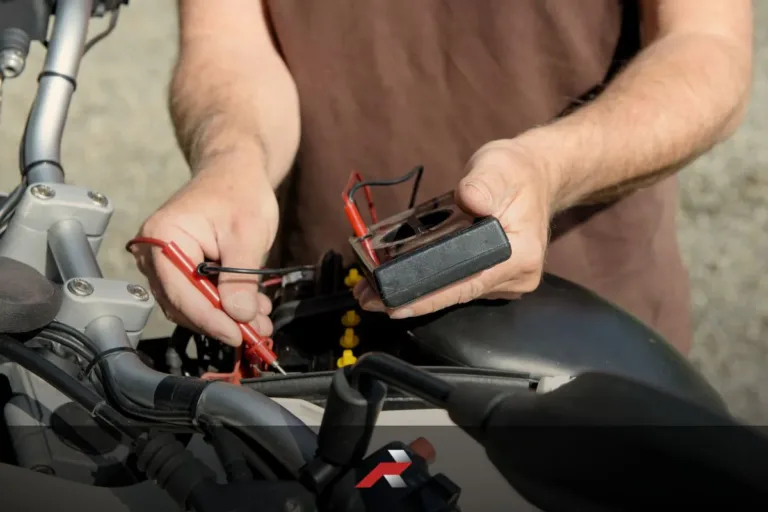
You may measure 12.6 volts at the battery but only 11 volts at the bulb. That difference matters. Light output drops sharply with small voltage losses.
Ground wires are often overlooked. Loose bolts, rusted terminals, or painted contact points reduce return flow. The circuit struggles to complete itself.
Symptoms include dim lights, flicker, or uneven brightness between sides on dual setups.
A tired regulator or stator does not always fail completely. It simply struggles under load. At idle or low RPM, voltage dips. Headlight output suffers first.
This shows up more with added accessories like auxiliary lights or chargers.
Extra loads expose hidden weaknesses. A new horn, dash cam, or USB charger may seem unrelated. Together, they push the system closer to its limit.
The headlight becomes the victim because it demands steady power.
Fixing weak headlight output is not about chasing maximum brightness. It is about restoring stability. Electrical performance and thermal health often influence each other more than riders realize. Overheating components, aging coolant, and poor engine temperature control can affect charging consistency and electrical reliability over time.
Our Late Coolant Change and Engine Heat Problems in Daily Motorcycle Use explains how neglected cooling systems increase stress on electrical parts, including regulators and wiring. Stable temperature helps preserve voltage regulation and lighting consistency.
Before upgrading bulbs or adding auxiliary lights, focus on restoring baseline system health. Clean connections. Verify charging voltage. Replace aging consumables. Stability first. Brightness second.
If the bulb is old, replace it with a known, stock-spec unit first. This sets a baseline. Avoid jumping straight to high-wattage bulbs. They mask problems and strain wiring.
Unplug the headlight connector. Clean it. Tighten loose pins. Do the same for grounding points. This simple step often restores noticeable brightness.
A relay harness draws power directly from the battery while using the stock switch as a trigger. This reduces loss through old wiring.
This fix improves brightness without overloading factory circuits.
Permanent fixes focus on reducing resistance, not overpowering it. Clean paths beat stronger bulbs.
Measure voltage at idle and at cruising RPM. Look for stability. Fluctuations point to regulator or stator wear.
Riders often ignore early electrical symptoms until lighting performance drops, a pattern explored through real-world diagnostics in Electrical Problems: Why Does My Headlight Dim As RPMs Drop? from Motorcyclist.
| Symptom | Likely Cause | Practical Fix |
|---|---|---|
| Dim at idle, brighter when revving | Voltage drop | Relay harness |
| Yellow or uneven beam | Aging bulb | Replace bulb |
| Flicker over bumps | Loose connector | Clean and tighten |
| No improvement after bulb swap | Ground issue | Reground points |
| Dimming with accessories | Charging strain | Load management |
After a few years, patterns repeat. Riders who commute daily notice gradual dimming sooner. Stop and go riding accelerates connector wear due to heat cycles.
Motorcycles used mostly on weekends age differently. Less heat cycling, fewer electrical loads. The same bulb lasts longer.
Once weak headlight output starts, ignoring it often leads to stacked issues. Riders upgrade bulbs, then add relays, then discover grounding problems later. Fixing the root early saves time.
Most fixes are affordable. Cleaning connections costs almost nothing. A relay harness costs less than premium bulbs. Downtime is short if you diagnose properly.
Bulb swaps are fast but temporary if the system is weak. Relay installs take longer but provide lasting gains. Charging system repairs cost more but restore overall reliability.
Choose based on how you ride and how much night riding matters to you.
Do not judge headlight brightness inside the garage. Always test on a dark road at riding speed.
Daylight hides reduced output. Night riding exposes loss of distance and contrast.
Not if voltage delivery is unstable. LEDs need consistent power.
Most of the time, yes. Bulbs rarely flicker on their own.
Yes. Glare and reflection amplify visibility loss.
Fix the system first. Upgrades work better afterward.
Proper lighting reduces night riding risk and avoids unnecessary part waste through guess-based replacements.
RobiMotoPH
Weak headlight output is rarely dramatic, but it changes how you ride at night. It affects confidence, speed, and reaction time. Most fixes are simple once you stop guessing.
Before modifying anything, consider legal boundaries discussed in Is It Legal to Modify a Motorcycle in the Philippines? What Every Rider Should Know. Clear vision matters, but so does compliance.
Restore what the system can already deliver. Brightness feels different when it is stable, predictable, and earned through proper fixes.