Skip to content
Contact & Community
📍 Metro Manila, Philippines
🌐 robimotoph.com
✉️ hello@robimotoph.com
📱 +63 917 517 0594
📍 Metro Manila, Philippines
🌐 robimotoph.com
✉️ hello@robimotoph.com
📱 +63 917 517 0594

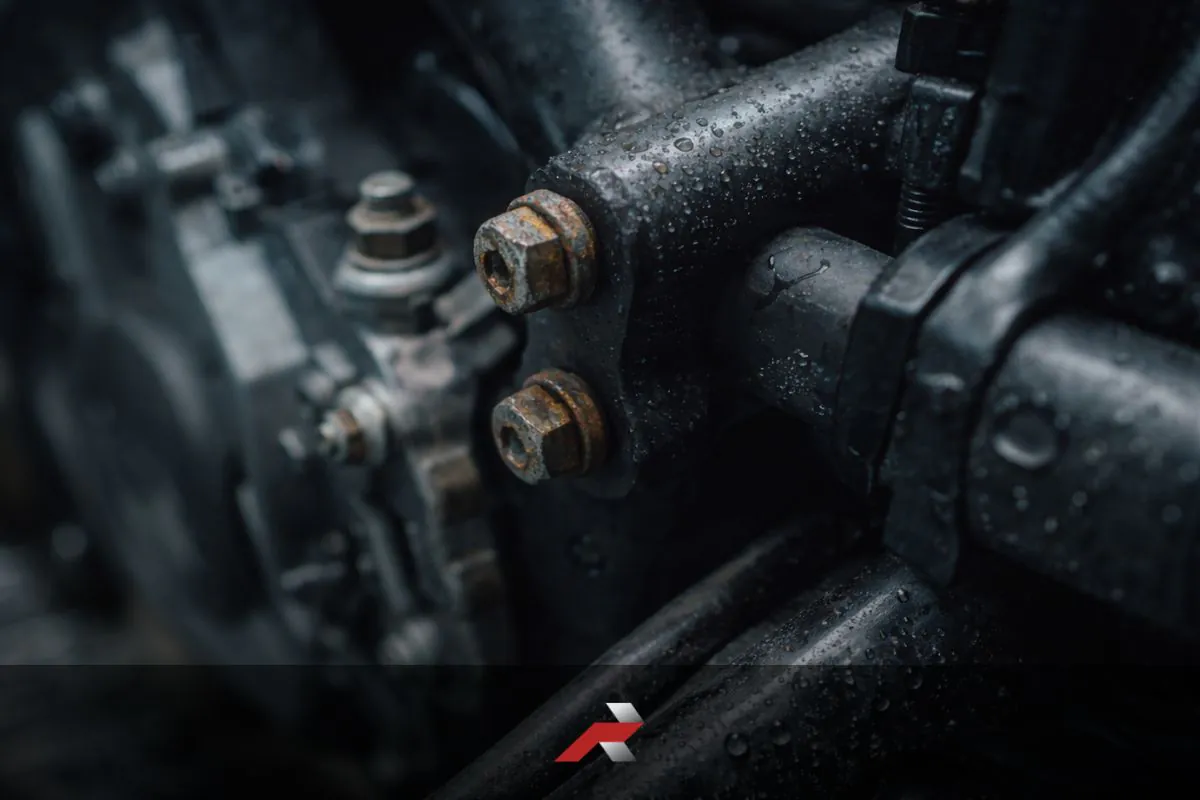
Rust is not cosmetic damage. It is structural decay accelerated by Philippine humidity, floodwater exposure, and improper storage. Preventing rust on big bikes in humid climate conditions requires more than occasional washing. It demands routine inspection, protective coatings, drainage awareness, and smart maintenance habits. This guide breaks down why corrosion spreads faster in tropical environments, which components fail first, and how riders can protect frames, fasteners, chains, brakes, and electrical systems. Built for daily commuters and weekend big bike owners, this article provides a practical anti-corrosion strategy tailored for Philippine roads and weather.
Preventing Rust on Big Bikes in Humid Climate Philippines is not a detailing preference. It is a mechanical survival strategy.
Humidity levels in Metro Manila regularly exceed 75 percent. During monsoon months, standing water mixes with road grime, brake dust, and industrial pollutants. That mixture clings to metal surfaces. Once moisture sits inside bolt heads, under brackets, or between panels, oxidation begins.
Rust spreads quietly.
It attacks exposed fasteners first.
Then brackets.
Eventually structural components.
Many riders underestimate how quickly corrosion accelerates in tropical regions. Steel reacts aggressively when oxygen and water combine. Add salt from coastal air or floodwater contaminants, and deterioration speeds up.
This is not theoretical.
It shows up as:
Preventing Rust on Big Bikes in Humid Climate conditions requires consistent inspection, not reactive repair. Once corrosion penetrates coatings, the damage becomes expensive.
Your chain, brake lines, radiator fins, exhaust welds, and electrical connectors are all vulnerable.
If you already implemented better wet braking habits from Brake Performance in Wet Roads Philippines: What Riders Must Understand During Rainy Season, then you understand how water changes mechanical behavior. Corrosion works the same way. Moisture changes everything.
Here is the reality:
Humidity is constant in the Philippines.
Rain exposure is predictable.
Flood risk is seasonal.
Ignoring rust is optional.
Repairing structural damage is not.
In tropical climates, anti-corrosion strategy must be part of ownership cost planning.
Preventing Rust on Big Bikes in Humid Climate conditions starts with understanding the enemy.
Tropical corrosion behaves differently from temperate corrosion. The Philippines does not have dry winters that slow oxidation. Moisture stays in the air almost year-round. Metal rarely gets a full chance to dry internally.
Relative humidity above 70 percent keeps microscopic water films on exposed metal. Even when your bike looks dry, thin moisture layers remain on bolts, weld seams, and under brackets.
That thin layer is enough.
Oxidation does not require visible water. It requires oxygen and moisture. Both are always present locally.
Rain in urban areas carries pollutants. Floodwater contains oil residue, brake dust, sediment, and industrial debris. Once that mixture dries, contaminants remain trapped against metal surfaces.
Those residues attract more moisture later.
Corrosion accelerates.
Even short flood crossings can leave deposits inside swingarms and under engine mounts.
Parking indoors does not automatically solve the problem. Many condo parking areas have limited airflow. Covered bikes trap humidity underneath covers.
Air stagnation increases condensation.
Condensation feeds rust.
Preventing Rust on Big Bikes in Humid Climate environments requires airflow awareness, not just roof coverage.
Here is the pattern:
Wet ride.
Poor drying.
Trapped moisture.
Delayed corrosion.
Humidity is predictable. Damage is preventable.
But only if the owner treats climate as a mechanical factor, not just weather inconvenience.
Preventing Rust on Big Bikes in Humid Climate conditions fails when riders focus only on visible surfaces.
Shiny paint can hide internal corrosion. Rust often begins in places you rarely inspect.
If you want a complete preventive routine, our Motorcycle Maintenance Guide breaks down inspection schedules, cleaning discipline, and long-term care strategies that many Filipino riders overlook.
Let’s break down the usual weak points.
Factory bolts are often coated, not stainless. Once the coating chips during maintenance, bare metal gets exposed. Add rainwater and humidity, and oxidation begins around the edges.
You will notice:
Chain adjuster bolts are common casualties. They seize silently over time.
Moisture loves tight spaces. Weld seams create micro gaps where water settles. Poor drying after a wash leaves trapped moisture in these crevices.
Rust in these areas spreads under paint.
By the time bubbling appears, corrosion has progressed underneath.
Preventing Rust on Big Bikes in Humid Climate scenarios means inspecting welds quarterly, not yearly.
Radiator fins are thin and exposed. Road spray throws debris forward. If mud dries between fins, moisture retention increases.
Cooling efficiency drops.
Corrosion spreads faster.
Soft brushing and low-pressure cleaning matter here.
Chains are constantly exposed to water and grit. Even O-ring chains are vulnerable on outer plates. Surface rust weakens structural integrity over time.
Lubrication protects more than friction. It acts as a moisture barrier.
For a deeper chain-specific routine, read the motorcycle chain maintenance tropical climate Philippines guide, especially if your bike is exposed to rain, humidity, traffic grime, wet roads, or outdoor parking.
Battery terminals, starter motor contacts, and exposed connectors oxidize easily in humid air. Corrosion increases resistance. Starting issues follow.
Electrical rust does not look dramatic.
It feels like random failure.
Preventing Rust on Big Bikes in Humid Climate ownership is about pattern recognition. Damage rarely starts big. It begins small, in quiet corners of the machine.
Inspect the overlooked.
Protect the hidden.
Maintain before decay becomes visible.
Preventing Rust on Big Bikes in Humid Climate environments begins with method, not frequency.
Some riders wash obsessively yet still develop corrosion. Others avoid washing after rain, assuming water will dry naturally. Both habits create long-term risk.
Humidity changes how water behaves.
Moisture lingers longer in tropical air.
Penetration increases in seams and tight gaps.
Evaporation also slows under sustained high humidity.
Pressure washers push water past seals and into connectors. Bearings, swingarm pivots, and wiring housings trap that moisture. Internal corrosion begins quietly.
Use moderate water flow.
Maintain distance from sensitive areas.
Angle spray downward, not directly into gaps.
Cleaning should remove contaminants without forcing water into hidden spaces.
Urban rain leaves oil film, brake dust, and road residue. These contaminants hold moisture against metal surfaces even after drying.
Use pH-neutral motorcycle shampoo.
Avoid dishwashing liquids that strip protective layers.
Focus on chain guard, underbelly, and rear suspension linkages.
Mud and grime act like moisture sponges. Leaving them untouched accelerates rust.
For a broader view of how small maintenance habits affect long-term ownership expenses, revisit this guide on the real cost of owning a big bike in the Philippines. Corrosion repair is rarely budget-friendly.
Air drying inside a humid parking structure is ineffective. Moisture remains trapped around bolts and weld seams.
Wipe with microfiber towels.
Open compartments to improve airflow.
Start the engine briefly to warm metal surfaces.
A short controlled ride helps dry brake discs and chain surfaces faster than stationary idling.
Once dry, apply chain lubricant. Lightly coat exposed fasteners with anti-corrosion spray if needed. Protective barriers must follow cleaning immediately.
The sequence matters:
Rinse carefully.
Remove residue.
Dry completely.
Protect surfaces.
Preventing Rust on Big Bikes in Humid Climate ownership is not about appearance. It is about stopping oxidation before it begins.
Skipping drying is the most common error.
Delaying lubrication is the second.
Both mistakes compound over time.
Preventing Rust on Big Bikes in Humid Climate conditions requires more than washing discipline. Surface protection must create a barrier between metal and moisture.
Not all coatings perform equally in high-humidity regions. Some evaporate quickly. Others attract dust. A few offer meaningful corrosion resistance.
High-quality wax creates a temporary hydrophobic layer on painted surfaces. Water beads and rolls off more easily. That reduces surface contact time.
However, wax does not protect raw metal or fasteners. It works best on tanks, fairings, and painted frames.
Reapplication every one to two months is realistic in Philippine conditions.
Light oil-based protectants displace moisture. They are ideal for bolt heads, exposed brackets, and underbody hardware.
Apply lightly.
Wipe excess residue.
Avoid brake discs and pads.
These sprays are preventive, not corrective. Applying them after rust forms will not reverse damage.
Ceramic layers bond to paint and create longer-lasting protection compared to traditional wax. They resist water spotting and chemical contaminants better.
Installation quality matters. Poor prep leads to uneven protection.
Preventing Rust on Big Bikes in Humid Climate strategies often combine wax or ceramic on painted areas and targeted anti-corrosion spray on hardware.
Protection should not look greasy.
It should not feel sticky.
It must not interfere with braking components.
Choose coatings that balance durability with practicality. Over-application attracts dirt, which traps moisture again.
Barrier protection works when applied strategically, not excessively.
Preventing Rust on Big Bikes in Humid Climate environments becomes easier when risk is categorized systematically.
Not all components corrode at the same rate. Exposure level, material type, and cleaning frequency determine vulnerability.
For example, your drivetrain faces constant water spray and road grime. That is why proper post-rain chain care matters, especially when moisture and dirt can speed up rust, wear, and possible seal damage.
Below is a structured corrosion risk table tailored for Philippine riding conditions.
| Component Area | Exposure Level | Rust Risk Rating | Common Failure Pattern | Prevention Priority |
|---|---|---|---|---|
| Chain & Sprockets | Very High | Critical | Surface rust, stiff links, wear | Immediate |
| Fasteners & Bolts | High | High | Seizing, coating breakdown | High |
| Weld Seams & Frame Joints | Medium | High | Under-paint corrosion | High |
| Radiator Fins | High | Medium | Fin degradation, cooling inefficiency | Moderate |
| Brake Discs | Very High | Medium | Surface flash rust | Routine Monitoring |
| Electrical Terminals | Medium | Medium | Oxidation, resistance increase | Moderate |
| Exhaust Headers & Welds | High | High | Discoloration, surface scaling | High |
Key observation:
High exposure does not always mean highest structural risk. For example, brake discs develop surface rust quickly, but normal riding clears it. In contrast, seized chain adjuster bolts create long-term maintenance complications.
Preventing Rust on Big Bikes in Humid Climate ownership requires prioritizing structural components first, cosmetic surfaces second.
Focus order:
Risk management beats reactive repair.
A disciplined inspection schedule reduces long-term ownership cost and preserves resale value.
Preventing Rust on Big Bikes in Humid Climate regions like the Philippines requires understanding environmental chemistry, not just riding habits.
Corrosion is an electrochemical reaction. It needs oxygen, moisture, and metal. Tropical climates provide all three continuously.
According to technical resources published by the World Corrosion, corrosion rates increase significantly in environments where high humidity combines with elevated temperatures. Heat accelerates reaction speed. Moisture sustains it. When both remain constant, oxidation becomes persistent rather than seasonal.
That explains why motorcycles stored untouched in temperate countries may remain stable, while bikes parked in Metro Manila develop surface oxidation within weeks.
Metal expands in daytime heat. It cools at night. As temperature drops, condensation forms on exposed surfaces.
That thin layer of water is often invisible.
It remains long enough to activate oxidation.
It evaporates slowly in humid air.
The process repeats almost every day.
Even covered parking does not eliminate condensation. Poor ventilation traps humid air around the machine.
Rainwater in cities is rarely pure. It collects airborne pollutants, brake dust, oil mist, and industrial particles before landing on your motorcycle.
When that mixture dries, residues remain.
Residues attract future moisture.
Future moisture feeds corrosion.
Floodwater exposure multiplies the problem. Contaminated water settles inside crevices and under fasteners, creating long-term reaction sites.
Preventing Rust on Big Bikes in Humid Climate ownership requires treating every wet ride as a chemical exposure event, not just a cosmetic inconvenience.
Temperate regions benefit from dry winters or low-humidity seasons. Tropical climates do not provide that reset. Relative humidity stays elevated most of the year.
Protective coatings degrade faster.
Lubricants wash away more frequently.
Inspection intervals must shorten.
Corrosion here is not episodic. It is constant environmental pressure.
Preventing Rust on Big Bikes in Humid Climate strategies must interrupt the oxidation cycle repeatedly. Waiting for visible rust means the reaction has already progressed beyond the surface.
Humidity never pauses.
Protection cannot pause either.
Preventing Rust on Big Bikes in Humid Climate environments does not stop at washing and coating. Storage conditions determine how aggressively moisture interacts with your motorcycle between rides.
A covered parking slot helps, but airflow matters more than roof coverage.
Enclosed basement parking areas often trap humid air. Without ventilation, moisture lingers around metal components for extended periods. That stagnant environment increases condensation risk, especially overnight.
Use breathable motorcycle covers instead of fully sealed tarpaulin types. Non-breathable covers trap moisture underneath and create a micro-humid chamber around the bike.
Position matters too.
Avoid parking directly beside walls where airflow is limited. Leave small clearance to allow circulation around the frame and exhaust.
If possible, elevate the bike slightly using paddock stands. Lifting tires reduces prolonged ground moisture contact and improves underside airflow.
For long storage periods:
Starting the engine weekly without riding does not fully remove moisture. A short ride is more effective than stationary idling.
Preventing Rust on Big Bikes in Humid Climate ownership is about reducing exposure hours. The less time moisture stays in contact with metal, the lower the corrosion rate.
Storage discipline compounds over time. Small improvements today prevent structural damage later.
Preventing Rust on Big Bikes in Humid Climate conditions becomes urgent after flood exposure.
Floodwater is not just water. It contains oil residue, sediment, sewage contaminants, and dissolved metals. Once that mixture enters pivot points and bolt threads, corrosion accelerates aggressively.
According to guidance published by the Ready.gov emergency preparedness resource, floodwater should always be treated as contaminated and potentially corrosive to machinery. That applies directly to motorcycles exposed to urban flooding.
Here is what must happen immediately after exposure.
First, rinse with clean water as soon as possible. Remove contaminated residue before it dries and hardens.
Second, dry thoroughly. Use compressed air if available to push water out of tight spaces such as brake calipers and bolt recesses.
Third, re-lubricate moving components. Chain, throttle cables, clutch cables, and exposed pivot points require immediate attention.
Fourth, inspect electrical connectors within 48 hours. Oxidation inside terminals increases resistance and causes intermittent failures later.
Preventing Rust on Big Bikes in Humid Climate recovery protocols should include checking:
Flood exposure is cumulative damage. Even if the bike runs fine, corrosion may be developing internally.
Do not wait for visible rust.
Perform preventive reapplication of corrosion spray within the first week after flood contact. Schedule deeper inspection within one month.
Floodwater does not forgive delay.
Immediate action reduces long-term structural deterioration.
Preventing Rust on Big Bikes in Humid Climate ownership means treating flood contact as a mechanical emergency, not a minor inconvenience.
Preventing Rust on Big Bikes in Humid Climate conditions requires a system, not random checking when something looks wrong.
Corrosion develops in layers. It begins microscopically, spreads beneath coatings, then becomes visible. By the time rust is obvious, oxidation has already progressed beyond the surface.
A structured inspection schedule interrupts that progression.
Set a fixed monthly date. Use proper lighting and inspect exposed fasteners, weld seams, radiator mounts, and under-engine brackets.
Look for:
Touch suspect areas lightly. Rough texture often indicates early corrosion even before discoloration becomes obvious.
Moisture exposure demands immediate review. Focus on chain links, brake discs, caliper bolts, and electrical connectors.
Check for:
Dry and protect immediately if needed.
Every three months, remove accessible covers and inspect concealed hardware. Suspension linkages, swingarm pivots, and battery terminals deserve close attention.
Reapply anti-corrosion spray where protective film has thinned. Light re-coating prevents oxidation from gaining traction.
Preventing Rust on Big Bikes in Humid Climate ownership is about shortening detection time. The earlier corrosion is identified, the easier it is to control.
Inspection is not paranoia.
It is mechanical intelligence.
Preventing Rust on Big Bikes in Humid Climate ownership is not only about aesthetics. It directly affects long-term structural integrity and resale value.
Corrosion weakens load-bearing fasteners. It compromises brake mounting points. It degrades suspension linkage bolts. Over time, those small degradations accumulate.
According to corrosion cost data discussed by the NACE.org (now part of AMPP), corrosion represents a significant global economic burden because it damages infrastructure and machinery progressively, not instantly. The same principle applies to motorcycles.
Damage spreads quietly.
A seized chain adjuster can require swingarm disassembly.
A rusted exhaust weld may lead to structural cracking.
Compromised electrical terminals increase resistance and starting failures.
Preventing rust early reduces compound repair costs later. Replacement hardware, repainting, welding correction, and electrical troubleshooting quickly exceed the cost of preventive coatings and proper washing discipline.
Structural rust is not dramatic at first. It becomes expensive when ignored.
Humidity accelerates time.
Maintenance resets it.
Owners who treat corrosion as cosmetic underestimate its mechanical consequences.
Preventing Rust on Big Bikes in Humid Climate conditions works best when protection becomes a system, not a random habit.
Consistency matters more than intensity. Small repeated actions outperform occasional aggressive detailing.
Washing removes contaminants. Drying eliminates active moisture. Coatings create barriers. Lubrication protects moving metal.
Each step supports the next.
Skipping one weakens the chain of protection.
Shorten the duration water remains in contact with metal. Dry immediately after rain rides. Improve airflow in storage areas. Avoid sealing the bike under non-breathable covers.
Lower exposure time equals lower oxidation rate.
Corrosion begins invisibly. Regular inspection of weld seams, fasteners, and connectors allows early intervention.
Preventing Rust on Big Bikes in Humid Climate ownership depends on this principle: interrupt oxidation before it establishes itself.
Protection is not dramatic.
It is disciplined.
When washing, drying, coating, and inspection work together, rust becomes manageable instead of inevitable.
In humid Philippine conditions, apply light anti-corrosion spray every one to two months on exposed hardware. Frequency should match usage. Daily riders in rain or flood-prone areas may need monthly protection, while occasional weekend riders can extend intervals slightly. Always base reapplication on inspection results rather than fixed schedules to prevent hidden corrosion buildup.
Light surface rust on brake discs after rain is common and usually clears during normal riding. Brake friction removes flash rust quickly. However, deeper pitting or uneven discoloration may indicate prolonged moisture exposure. Preventing Rust on Big Bikes in Humid Climate environments requires distinguishing harmless surface oxidation from structural degradation. Routine inspection prevents misdiagnosis.
Ceramic coating improves paint protection and water repellency, but it does not eliminate rust risk entirely. Raw metal components, bolts, and internal hardware still require separate protection. Ceramic coating is one layer within a broader corrosion control strategy. It should complement washing, drying, and lubrication routines.
Indoor parking reduces direct rain exposure but does not eliminate humidity. Poor ventilation can actually trap moisture around the motorcycle. Condensation still forms during temperature changes. Preventing Rust on Big Bikes in Humid Climate conditions requires airflow management and proper drying even when parking indoors.
Chain adjuster bolts and exposed fasteners often seize first because they receive frequent water exposure and minimal protection. Electrical terminals may oxidize quietly and cause intermittent starting issues. Early inspection of these areas significantly reduces long-term repair costs.
Preventing Rust on Big Bikes in Humid Climate Philippines is not cosmetic maintenance. It is structural preservation.
Humidity is constant. Rain is predictable. Flood exposure is seasonal. Corrosion pressure never truly disappears in tropical environments.
The solution is systematic.
Clean with intention.
Dry completely.
Apply protective barriers.
Inspect regularly.
Each step interrupts the oxidation cycle before it escalates. Waiting for visible rust means chemical damage has already begun beneath the surface.
After heavy rain or flood contact, inspection becomes even more critical. Use our Post-Flood Riding Inspection Checklist to verify bearings, connectors, brake components, and hidden moisture traps before corrosion compounds the damage.
Preventing Rust on Big Bikes in Humid Climate ownership protects more than appearance. It preserves hardware integrity, electrical reliability, braking performance, and resale value.
Rust spreads quietly.
Protection must be deliberate.
In the Philippines, climate is not an occasional inconvenience. It is a mechanical variable.
Owners who treat corrosion as inevitable will pay later. Riders who treat it as preventable maintain control over long-term cost and machine reliability.
Humidity does not negotiate.
Maintenance must stay ahead of it.