Skip to content
Contact & Community
📍 Metro Manila, Philippines
🌐 robimotoph.com
✉️ hello@robimotoph.com
📱 +63 917 517 0594
📍 Metro Manila, Philippines
🌐 robimotoph.com
✉️ hello@robimotoph.com
📱 +63 917 517 0594

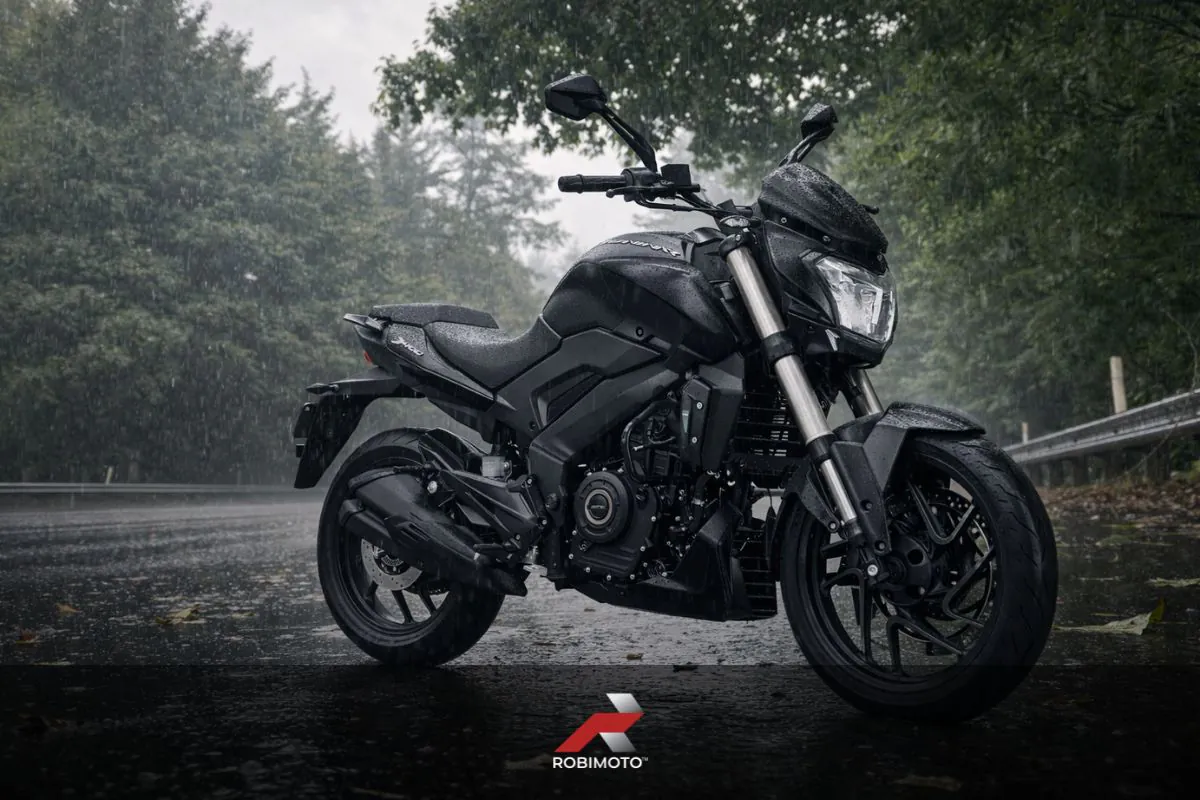
Rain changes how motorcycles behave in real traffic. In city streets, daily commutes, and long stop-and-go rides, small issues show up faster once roads stay wet. Many riders assume rain only affects tires and brakes, but regular wet riding touches wiring, lubrication, visibility, and even service intervals. This Rainy Season Motorcycle Maintenance Checklist looks at what actually happens during daily use. It sets clear expectations based on real riding conditions, not theory. The goal is simple clarity. Know what to check, what usually wears faster, and what choices riders quietly make once rain becomes part of every ride.
Most riders think rain maintenance starts and ends with better tires. That belief holds until weeks of wet roads expose other mechanical vulnerabilities. A Rainy Season Motorcycle Maintenance Checklist becomes critical once riding turns daily and unavoidable.
Rain affects more than traction. It changes lubrication behavior, electrical reliability, braking feel, and corrosion exposure. If you want a complete ownership foundation before diving into seasonal adjustments, review our Motorcycle Maintenance Guide for baseline inspection routines and service discipline.
In city traffic, water sneaks into places riders rarely inspect. Switches feel rough. Chains sound different. Brakes respond slower after a long ride home. These changes develop gradually. They signal moisture intrusion and accelerated wear.
This article is based on real rider use. It reflects what appears after weeks of consistent rain riding in Philippine conditions. The objective is simple. Clear habits prevent small issues from turning into mechanical downtime.
Rain changes the rhythm of riding. Starts feel heavier. Stops take longer. After a few weeks, riders notice patterns that dry-season checks miss.
Moisture collects around exposed bolts and electrical connectors. Road grime sticks faster. Brake dust turns into paste. Even well-maintained bikes feel different after repeated wet rides.
Early in ownership, riders often focus on grip. A practical riding reference like this one on Rainy Season Tires for Big Bikes helps frame that reality. But grip is only one layer.
What riders feel first is response. Throttle inputs feel muted. Levers need more attention. These are not failures. They are signals that maintenance timing shifts during rainy months.
Rain rarely breaks parts instantly. It accelerates wear quietly.
Chains lose lubricant faster. Water pushes grime into O-rings. Brake rotors flash rust overnight, then clean up during the next ride. Electrical switches collect moisture that later turns into corrosion.
Braking systems deserve special attention during this cycle. Our Brake Performance in Wet Roads Philippines: What Riders Must Understand During Rainy Season explains how water film reduces initial bite, how pad glazing develops faster in traffic, and why delayed response can signal contamination rather than pad wear.
Riders often mistake these signs as age-related deterioration. In reality, exposure frequency drives the pattern. A bike parked outside daily experiences more moisture cycles than one used only on weekends.
This is where extending bike life becomes practical, not theoretical. Catching early wear avoids unnecessary replacements and keeps service work predictable instead of reactive.
Wet roads do not destroy machines overnight. Repeated exposure without inspection does.
After a rainy ride, lightly tap the front and rear brakes while rolling the last 50 meters before parking to dry the rotors and restore normal lever feel on the next start.
Rainy season forces trade-offs. Riders decide whether to clean more often or service earlier. Some choose covered parking. Others accept cosmetic wear.
Lubrication is a common decision point. Reapplying chain lube more frequently costs time but reduces long-term chain stretch. Skipping it saves effort but shortens service life.
Visibility upgrades also come up. Brighter bulbs help, but water on visors and mirrors still limits sight lines. Many riders simply slow down instead of modifying hardware.
Local traffic patterns matter too. Flood-prone routes add stress to bearings and brakes. A local reference from MMDA often documents which roads flood first. Riders quietly adjust routes instead of forcing the bike through deep water.
There is no perfect answer. Riders choose based on time, budget, and how often rain shows up.
| Area | What Riders Usually Check | Typical Interval During Rain |
|---|---|---|
| Chain and Sprockets | Lube condition, surface grime | Every 500 to 700 km |
| Brake Feel | Lever travel, initial bite | Weekly |
| Electrical Switches | Stiffness or delayed response | Monthly |
| Tires | Tread depth, uneven wear | Every fuel stop glance |
| Lights and Visibility | Moisture inside lenses | Monthly |
| Fasteners | Early rust on exposed bolts | Every wash |
Numbers vary by usage. Daily commuters see faster cycles than weekend riders.
After a month of rain, riders often realize one thing. Maintenance feels more frequent, but breakdowns feel less random.
Bikes that get small, regular attention rarely surprise their owners. Those that wait for scheduled service often develop stacked issues. A noisy chain pairs with weak brakes. Stiff switches appear alongside dim lights.
Another pattern is confidence. Riders who adapt habits ride calmer. They trust the bike more because they understand what rain changes and what it does not.
International long-term ownership references from Motorcyclist Online often echo this. Wet-weather use rewards awareness, not overreaction.
Rain does not always raise maintenance cost. It shifts when money and time are spent.
Shorter intervals mean smaller bills. More frequent checks reduce labor-heavy repairs later. Downtime usually comes from ignored symptoms, not rain itself.
However, flood exposure changes the equation completely. After water rises above axle level or reaches engine cases, a structured inspection becomes non-negotiable. Use our Post-Flood Riding Inspection Checklist to verify bearings, brake components, connectors, and lubricated parts before corrosion compounds hidden damage.
Daily riders also feel reliability differences. A bike that starts cleanly on wet mornings reduces stress. Predictable braking improves confidence. Smooth throttle response prevents hesitation in traffic.
These effects are practical. They matter most to riders who depend on their motorcycle for work and mobility, not those who ride only when the sky is clear.
Rain is seasonal. Reliability is daily.
When picking up your bike after service during rainy months, ask the mechanic which parts were cleaned rather than replaced so you know what areas may need attention sooner.
Rain itself is not harmful. Repeated moisture exposure accelerates wear if checks are delayed.
Most riders shorten intervals by 20 to 30 percent based on daily use.
No. Rain reveals weak seals or aging connectors rather than causing instant failure.
Light cleaning helps remove grime, but drying afterward matters more than frequency.
It helps reduce moisture cycles, but careful habits can offset outdoor parking.
A Rainy Season Motorcycle Maintenance Checklist is less about fear and more about rhythm. Rain changes how bikes age during daily use. Riders who notice small signals adjust calmly. For a broader riding perspective, a familiar rider experience is reflected in Rainy Season Motorcycle Tips DIY Maintenance Guide. The steady approach keeps rides predictable even when roads stay wet.