Skip to content
Contact & Community
📍 Metro Manila, Philippines
🌐 robimotoph.com
✉️ hello@robimotoph.com
📱 +63 917 517 0594
📍 Metro Manila, Philippines
🌐 robimotoph.com
✉️ hello@robimotoph.com
📱 +63 917 517 0594

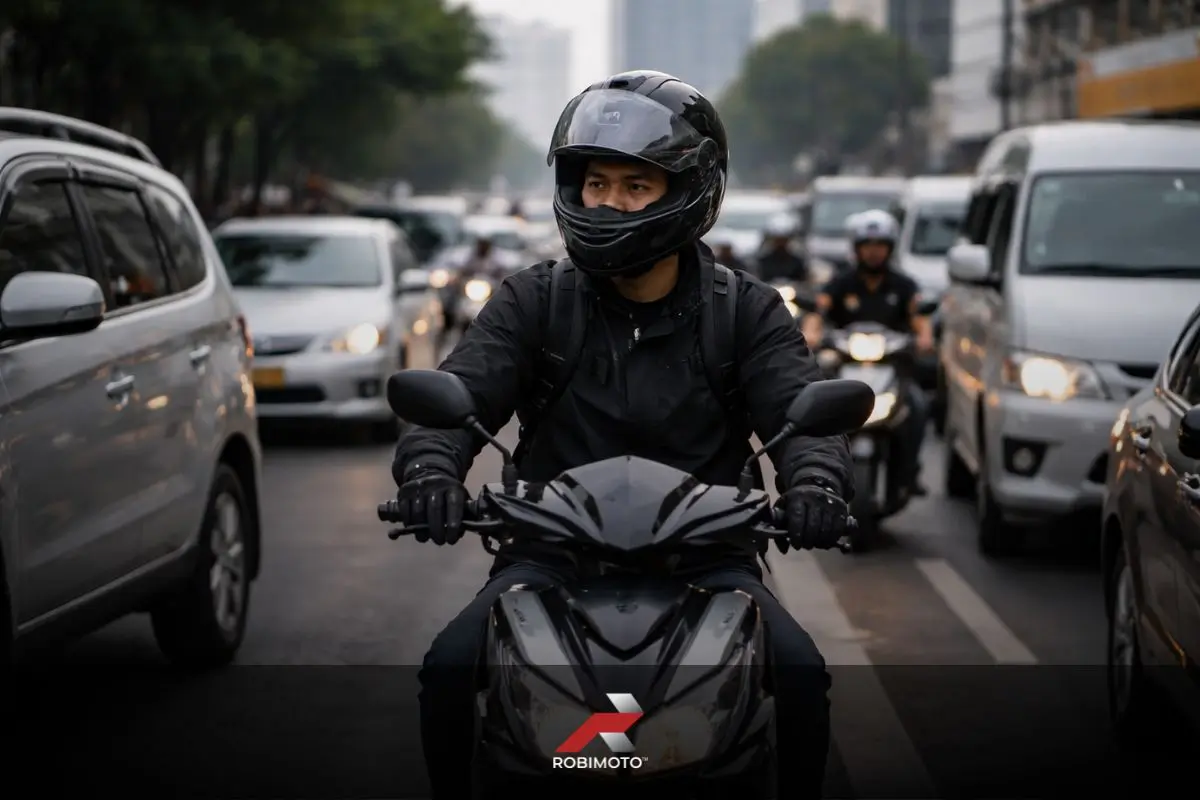
January riding in the Philippines feels familiar but behaves differently. Traffic resets, weather shifts, and routines change, yet daily riders still face the same commute realities. This article looks at New Year, Same Commute: What Daily Riders Actually Face in January through real city riding, weekday traffic, and ownership habits. From post-holiday congestion to budget pressure and maintenance timing, the goal is clarity, not hype. Expect practical observations based on actual use, not theory. If you ride daily or most weekends, this breaks down what really changes in January and what quietly stays the same.
Marami ang naniniwala na fresh start ang January sa kalsada. Mas konti raw ang traffic., kalmado ang biyahe, at mas maayos ang routine.
Sa aktwal na riding, iba ang lumalabas. The commute stays familiar, but the pressure points move. Traffic patterns shift. Expenses line up. Maintenance gets delayed. Riders adjust without noticing.
This piece pulls from real daily use and observed habits. No theories. Just what shows up on the road every January. The goal is simple clarity for riders who depend on their bikes every day.
For New Year Same Commute January Riders, the challenge is not change but how quickly conditions normalize.
January does not reset the road. It reshuffles it.
In Metro Manila and nearby cities, weekday traffic returns fast. Schools reopen. Offices resume hybrid schedules. Delivery volume spikes again. Riders feel it by the second week.
Weather also plays games. Cooler mornings turn into sudden afternoon rain. Tires warm slower. Visors fog earlier. Small things stack up.
Most riders also start the year with tight budgets. Holiday spending lingers. Registration, insurance, and maintenance wait their turn. As a result, bikes stay usable but not optimal.
What changes is not the commute itself. What changes is timing, patience, and how riders manage wear while keeping costs under control.
January mornings are cooler, and cold air lowers tire PSI faster than most riders expect. A quick weekly check using a Digital Tire Pressure Gauge helps keep braking feel consistent and avoids uneven tire wear during daily stop-and-go commutes.
By January, riders quietly choose between convenience and control.
Some stick to familiar routes even if traffic worsens. Others explore side streets and risk rough pavement. Time saved can cost tires or suspension later.
Maintenance choices also split riders. Some delay service until February. Others do basic checks themselves to avoid downtime. Neither choice is perfect.
Fuel habits shift too. Riders try cheaper stations or ride gentler to stretch budgets. Savings add up, but performance can feel different.
A local traffic discussion, as seen on VISOR, pointed out that post-holiday traffic volume returns faster than most commuters expect. For daily riders, this shows up as sudden stop-and-go sections, tighter gaps, and longer idle time by the second week of January, even on routes that felt lighter during the first few days of the year.
None of these are right or wrong. They are trade-offs shaped by January reality.
| Factor | What Changes in January | Real Impact |
|---|---|---|
| Traffic Flow | Returns unevenly | Stop-and-go stress |
| Weather | Cooler, unpredictable | Tire grip shifts |
| Budget | Post-holiday recovery | Delayed maintenance |
| Rider Focus | Reset mindset | Overconfidence early |
This table reflects observed patterns, not fixed rules. Your commute may differ.
After a few Januarys, patterns become clear.
Traffic does not ease long-term. It only pauses briefly. Riders who plan for congestion earlier stay calmer later.
Delayed maintenance often costs more. Small issues ignored in January show up by March. Chains dry out. Brake feel fades. Electrical quirks appear.
Another lesson is pacing. Many riders push harder early in the year. New goals. New energy. Fatigue catches up fast.
According to a seasonal riding analysis from Visordown, colder starts and stop-heavy traffic increase wear during the first quarter. The effect is subtle but consistent.

This pairs well with Responsible Driving Highlighted as Key to Safer Travel Amid Rising Road Fatalities, Says HPG, which adds local context to daily riding risks.
January decisions affect the whole quarter.
Skipping one service saves money today but risks downtime later. Taking longer routes saves stress but burns fuel. Riding faster saves minutes but raises fatigue.
Daily riders feel these costs first. Weekend riders notice them later. Buyers only see them after ownership begins.
Time becomes the hidden expense. Waiting for parts. Sitting in traffic. Adjusting routines again.
Most riders adapt quietly. The bike stays running. The commute continues. The impact only shows when something fails.
January riding patterns change fast, and memory gets unreliable after a few weeks. Keeping notes on fuel use, tire pressure, and small issues in a Motorcycle Maintenance Log Book helps riders spot trends early before minor problems turn into missed rides or surprise expenses.
Only briefly. Traffic normalizes by the second week in most cities.
Yes. Tires warm slower, and cold starts feel different.
Short delays are common. Just avoid stacking multiple skipped services.
Gentler riding helps, but fuel quality still matters.
Not riskier, but changes catch riders unprepared.
Maintaining bikes early in the year extends service life and supports trusted local shops.
New Year, Same Commute: What Daily Riders Actually Face in January is less about change and more about adjustment. The road stays familiar. The pressures shift.
Riders who notice small changes early avoid bigger problems later. No drama. No hype. Just clearer decisions.
A well-maintained bike rides better and costs less over time.