Skip to content
Contact & Community
📍 Metro Manila, Philippines
🌐 robimotoph.com
✉️ hello@robimotoph.com
📱 +63 917 517 0594
📍 Metro Manila, Philippines
🌐 robimotoph.com
✉️ hello@robimotoph.com
📱 +63 917 517 0594

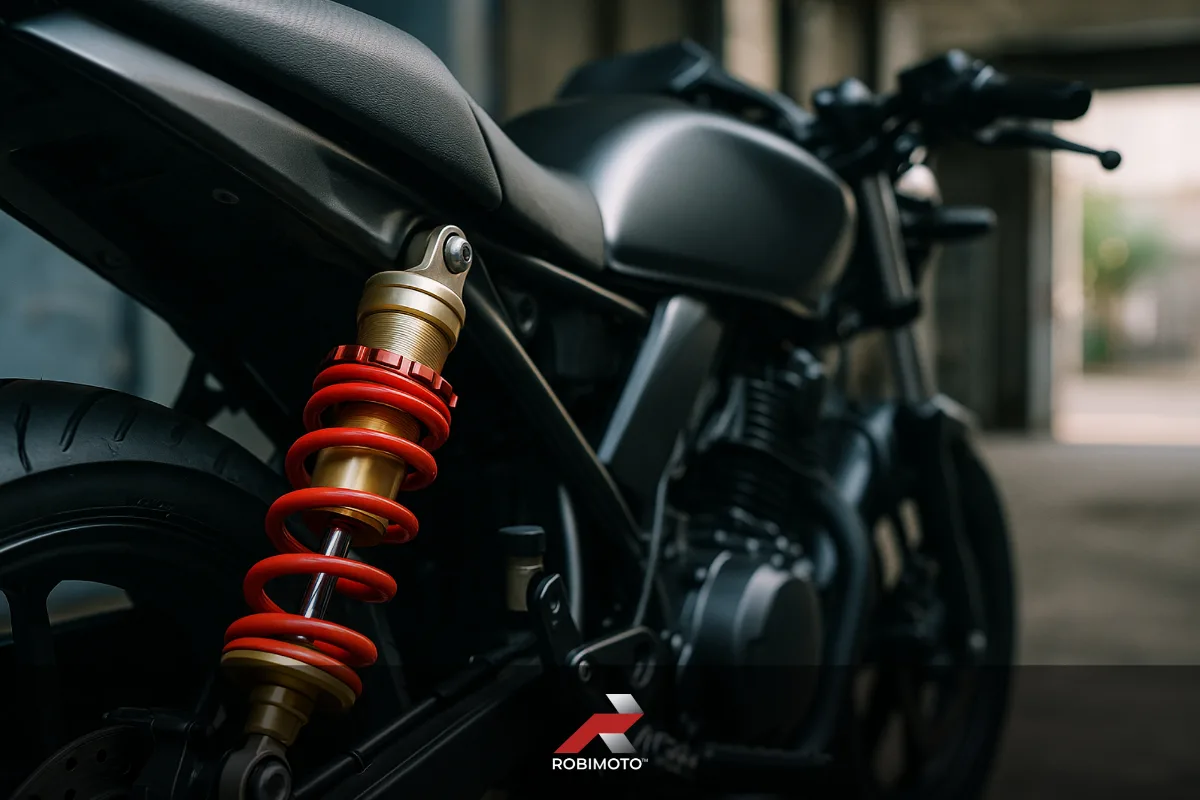
A proper motorcycle suspension setup isn’t just for racers—it’s for anyone who wants smoother, safer, and more confident rides. This guide explains how rear shocks affect comfort, balance, and traction while sharing practical examples, like the RCB A2 Series, to show how proper tuning creates a difference. We’ll also explore how mindful maintenance supports sustainability and local mechanics’ craftsmanship.
A lot of riders underestimate the role of suspension until they feel every bump on EDSA or a sudden jolt on provincial roads. A proper motorcycle suspension setup isn’t just about comfort. It’s about control, balance, tire contact, and long-term component health. Like braking systems and engine care discussed in the Motorcycle Maintenance in the Philippines: A Real-World Guide for Riders, suspension setup is part of a larger ownership discipline, not an optional upgrade.
Rear shocks directly influence traction, stability during cornering, braking consistency, and rider fatigue. When tuned correctly, they allow the motorcycle to stay composed over uneven pavement while maintaining predictable feedback. When ignored, they amplify road imperfections and reduce rider confidence.
Comfort and safety start with understanding what your suspension actually does. It is not just a spring under the seat. It is the system that manages weight transfer, absorbs energy, and keeps your tires connected to the road surface.
Based on reports and rider feedback, more owners are recognizing that proper suspension setup reduces fatigue, improves daily control, and even extends the service life of tires and drivetrain components.
Rear shocks absorb uneven surfaces, keeping the motorcycle stable. When set too soft, the bike feels floaty and unsteady. Too stiff, and it bounces at every pothole. The goal of a balanced motorcycle suspension setup is to maintain consistent tire contact while protecting both rider and machine.
Brands like RCB design shocks such as the A2 Series, known for their precision tuning. They help riders achieve that balance between performance and comfort, something that stock setups often miss.
Check your sag settings at least once every few months. If you’re unsure, use a reliable motorcycle tool kit to measure preload and make small adjustments.
Proper suspension tuning not only keeps your back pain-free but also improves cornering stability and braking control. A few millimeters of adjustment can change your entire riding experience.
You don’t need a mechanic’s eye to know something’s off. If you feel too much vibration on rough roads, hear rattling sounds, or notice uneven tire wear, your suspension might need attention.
Another red flag is when the rear end feels unstable after hitting a bump. It’s not always the tire’s fault; sometimes, it’s your motorcycle suspension setup needing proper preload or rebound adjustment.
When left unchecked, bad suspension can cause long-term frame stress. That’s why even local mechanics emphasize the importance of regular inspection.
Rear shocks work through a combination of spring tension and hydraulic damping. The spring absorbs impact, while the damping system controls how quickly the shock returns to position.
In an ideal setup, both front and rear work in sync. Riders often adjust preload first (to match their weight), then tweak rebound or compression to fine-tune ride behavior.
A well-tuned suspension:
Manufacturers like Öhlins and Showa often publish guidance explaining how correct setup affects ride stability and safety. Industry discussions about professional motorcycle suspension setup practices emphasize that proper adjustment is essential for maintaining balance, traction, and rider control.
Whether you’re using premium or budget shocks, understanding how suspension behaves gives you more confidence to adjust settings correctly and ride more comfortably on long trips.
It might sound surprising, but your motorcycle suspension setup plays a role in sustainability. Poorly tuned shocks cause faster tire wear, which means more frequent replacements and more waste. A well-maintained suspension extends the lifespan of parts; less waste, more savings, and a smaller carbon footprint.
Many Filipino riders now practice “repair culture” by supporting local suspension shops. It’s not only cost-effective but also builds a circular economy around reuse and repair instead of constant replacement.
After tuning, keep your shocks clean and rust-free with a quality suspension cleaner. It extends seal life and helps your adjustments stay consistent.
From Valenzuela to Laguna, many riders experiment with their suspension to match road conditions. They share results in online forums and weekend tambikes, showing how adjustments affect comfort and control.
Our recent review of the RCB A2 Series Rear Shock highlighted how community feedback shaped tuning preferences. Filipino riders prefer shocks that perform well both in city traffic and highway cruising, proof that local experience matters.
Beyond upgrades, transparency in product testing builds trust. Riders who share honest reviews and riding impressions contribute to a culture of openness, a key part of community-driven sustainability.
Here’s how you can start tuning even without advanced tools:
If this feels overwhelming, don’t worry. Most riders learn through trial and conversation. The key is consistency, knowing how your bike reacts to change.
Before tuning, many riders feel constant fatigue after short rides. During tuning, they realize small preload changes transform handling. After proper setup, the bike feels lighter, smoother, and more predictable.
That’s the essence of a good motorcycle suspension setup, understanding the process and noticing how comfort and safety evolve over time. The more you learn, the more you trust your machine.
A well-set suspension is both an upgrade and a commitment. It respects your body, your bike, and the environment. By learning proper motorcycle suspension setup, you gain not just smoother rides but also a mindset that values maintenance over replacement and craftsmanship over consumption.
Suspension balance also works in harmony with drivetrain stability. Excessive slack, misalignment, or vibration from the rear can undermine even a well-tuned shock setup. That relationship is explained further in Chain Vibration Causes and Proper Adjustment for Real-World Motorcycle Riding, where rear-end behavior, chain tension, and ride feedback are discussed as interconnected systems.
Good tuning is an act of care; for your comfort, your community, and your planet.