Skip to content
Contact & Community
📍 Metro Manila, Philippines
🌐 robimotoph.com
✉️ hello@robimotoph.com
📱 +63 917 517 0594
📍 Metro Manila, Philippines
🌐 robimotoph.com
✉️ hello@robimotoph.com
📱 +63 917 517 0594

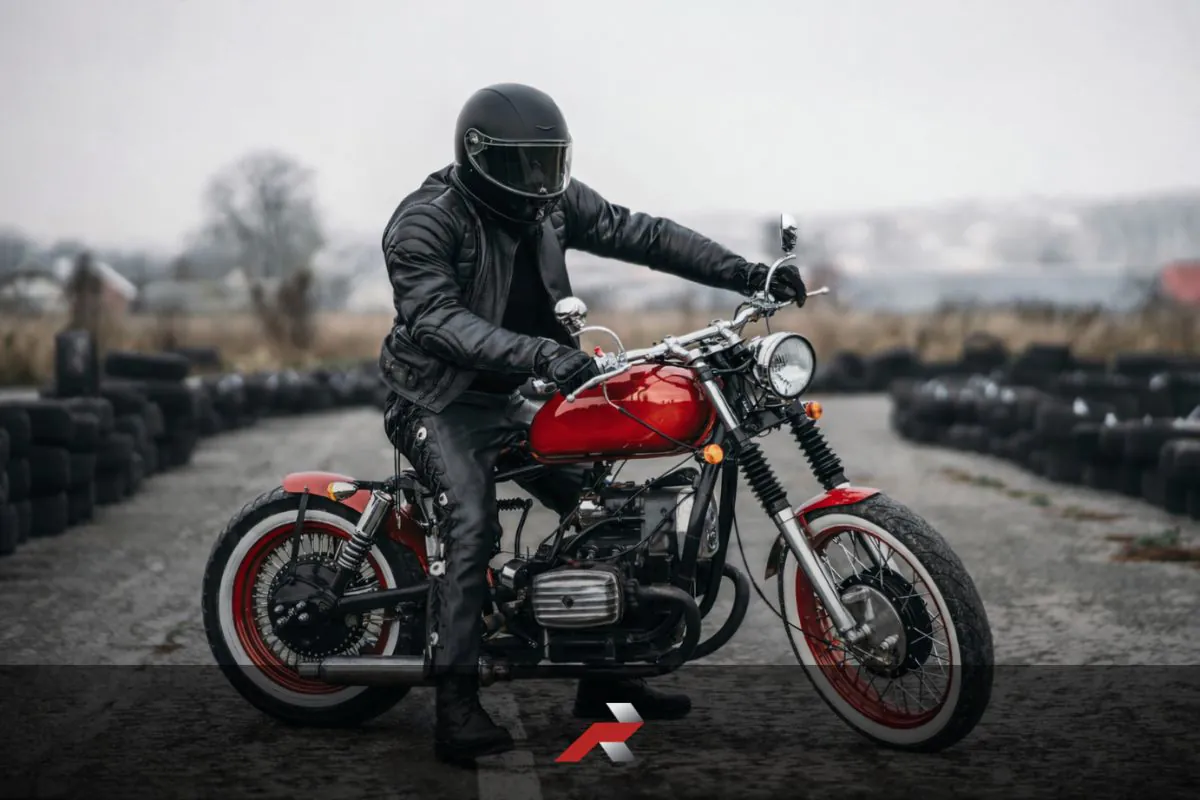
Patience in motorcycle upgrades sounds boring when a new exhaust, suspension kit, or ECU flash is one click away. But real riding teaches something different. Upgrading too fast often leads to mismatched parts, wasted money, and regret after a few months of use. When you slow down and let your riding habits settle, your choices become clearer. This article breaks down how impatience shows up in daily use, what trade offs look like over time, and why waiting before modifying your bike often leads to better performance, better reliability, and smarter ownership decisions.
Patience in motorcycle upgrades is something most riders ignore during the first month of ownership. Every sound feels exciting. Every ride feels like a test session. You start listing parts you want to change before you even hit your first service interval.
That urge is normal. You want the bike to feel personal. You want it to respond the way you imagine.
But if you read through First-Year Motorcycle Ownership Lessons Learned Through Daily Riding, one theme shows up clearly. What you think you need in month one is rarely what you actually need by month six. That is where slowing down before modifying your bike begins to make practical sense.
You finish a ride and immediately think about changing something. The brake feels soft. The stock exhaust sounds quiet. The suspension feels bouncy over rough roads. So you open your phone and start browsing parts.
In real riding, that “problem” might just be adaptation. You could still be learning the throttle response. Braking pressure may not feel natural yet. The way the bike behaves in traffic might simply be unfamiliar.
Patience in motorcycle upgrades means letting your skill level catch up before you blame the machine.
A stiff clutch is not always a bad clutch. A loud engine note is not always poor tuning. A slight fork dive is not automatically bad suspension.
Sometimes it is simply your first exposure to that setup.
Repeated exposure to real-world traffic patterns, similar to rider behavior studies observed in Japan’s compliance tracking under its traffic safety system, shows how habits form through repetition, not immediate reaction. The same applies to your machine. What feels wrong in week two may feel normal in month three.
Common examples you see in the first year:
After a few months, some riders revert to stock. Not because upgrades are bad, but because they were installed before the rider truly understood the baseline.
That is where patience in motorcycle upgrades protects both wallet and performance.
Waiting is not about doing nothing. It is about observing.
When you ride consistently, patterns show up. You notice where the bike struggles. You identify whether the issue happens only in traffic, only on long rides, or only under hard acceleration.
Patience in motorcycle upgrades allows you to collect real data from your own usage.
Instead of upgrading immediately, try this:
You might realize the “weak brake” was just air in the line. The “rough shifting” was chain tension. The “unstable feel” was incorrect sag.
Upgrading without checking these basics often hides the real cause.
Wait through at least one maintenance interval before making performance changes. Fresh oil, adjusted chain tension, and proper tire pressure solve more complaints than most bolt-on parts.
Upgrades fall into three categories:
Cosmetic changes rarely affect reliability. Comfort upgrades like seats or handlebars can improve daily usability. Performance modifications need deeper thought.
An exhaust change affects back pressure. From there, fueling may shift. Engine temperature can rise or drop depending on setup. Over time, those changes influence long-term engine health.
A suspension upgrade changes ride height. That can affect steering angle. That can influence tire wear.
Patience in motorcycle upgrades means understanding that every change shifts something else.
| Scenario | Immediate Upgrade | Wait 6 Months | Result After 1 Year |
|---|---|---|---|
| Exhaust Swap | Louder sound, no tune | Evaluate riding style first | Better match with ECU setup |
| Suspension Change | Expensive shock | Adjust preload first | Informed choice based on load |
| Brake Upgrade | Aggressive pads | Practice braking technique | Balanced braking feel |
| ECU Flash | Power increase | Track fuel use first | Stable fueling and reliability |
The pattern is clear. Riders who wait often end up with fewer but better modifications.
After extended use, your priorities shift.
Over time, reliability begins to matter more. Downtime becomes harder to ignore. Resale value slowly enters the conversation as well.
Patience in motorcycle upgrades becomes less about excitement and more about balance.
If you upgrade before these patterns show, you are guessing.
When you slow down, something interesting happens. Trend chasing fades into the background. Copying other builds becomes less tempting. Instead, your decisions start to revolve around function and real riding needs.
That is the difference between reacting and planning.
The more time you spend riding, the more specific your feedback becomes. Instead of saying “the bike feels off,” you say “the front dives under heavy braking on uneven roads.” That clarity leads to smarter changes.
Every modification has hidden costs:
Patience in motorcycle upgrades reduces these risks because you are upgrading with intention.
If your bike is your daily transport, downtime matters. Delays for parts can disrupt your routine. Tuning sessions take time. Even simple adjustments can keep the bike off the road longer than expected.
Upgrading too early can turn a reliable machine into a temporary project.
Heavily modified bikes often narrow their buyer pool. Stock or lightly modified units tend to sell faster.
This does not mean never modify. It means modify with foresight.
If you cannot clearly explain why you need the upgrade beyond “it looks good” or “others are doing it,” wait another month. Clarity usually improves with miles.
Not always. Cosmetic or comfort upgrades are usually safe. Performance modifications require more thought.
At least one full service cycle. This gives you enough seat time to form accurate feedback.
Some modifications can affect warranty claims. It depends on the part and how it relates to the failure.
Comfort-related changes like better grips or improved lighting tend to be low risk.
Thoughtful upgrades reduce unnecessary waste and prevent premature part replacement.
RobiMotoPH
Upgrading a motorcycle is part of ownership. Personal touches make the machine feel like yours. Comfort changes can improve daily usability. In some cases, performance modifications even sharpen the riding experience.
But patience in motorcycle upgrades is not about delaying joy. It is about earning clarity.
When you let the bike teach you first, your choices become sharper. Your modifications become purposeful. Your ownership becomes stable instead of reactive.
Before planning your next change, revisit your daily habits. Reflect on patterns. And if you want to sharpen your practical riding mindset further, read Motorcycle Tips Philippines: 7 Tricks Most Riders Ignore.
Miles bring insight. Insight leads to better upgrades. And better upgrades last.