Skip to content
Contact & Community
📍 Metro Manila, Philippines
🌐 robimotoph.com
✉️ hello@robimotoph.com
📱 +63 917 517 0594
📍 Metro Manila, Philippines
🌐 robimotoph.com
✉️ hello@robimotoph.com
📱 +63 917 517 0594

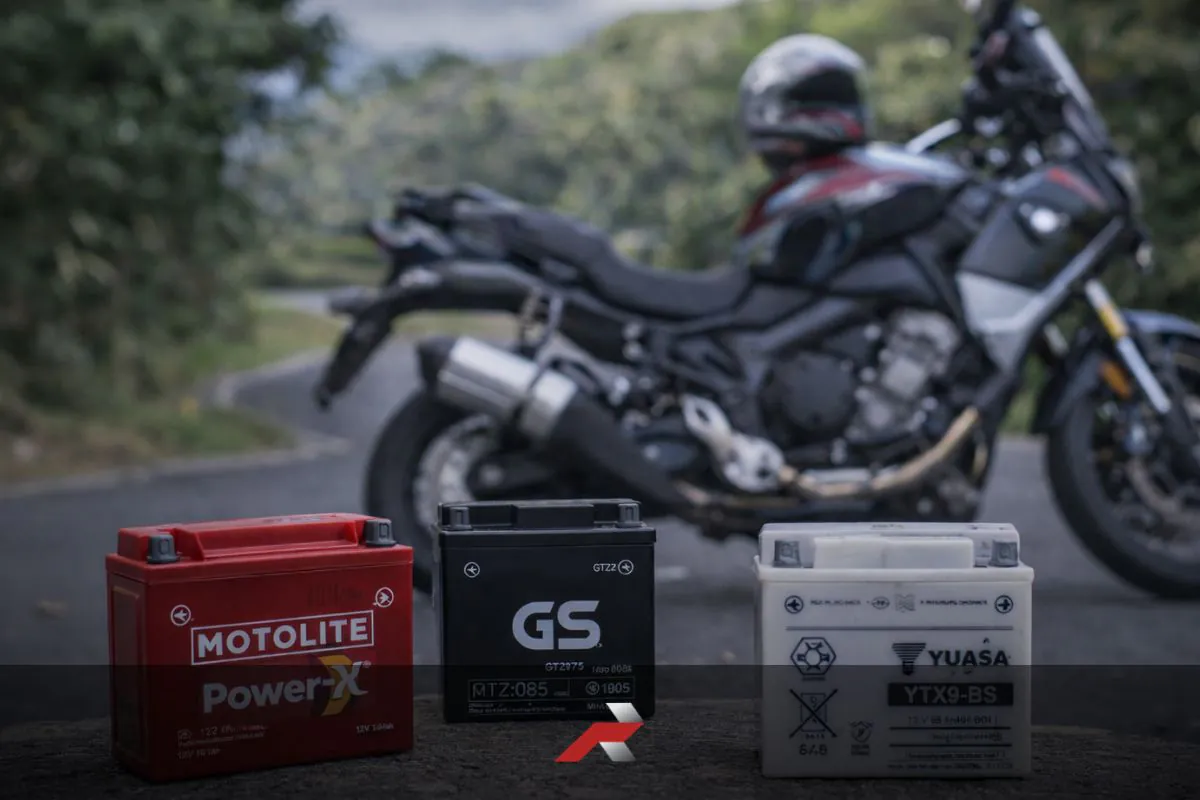
Motorcycle Battery Brands Comparison PH helps Filipino riders choose the right battery based on riding pattern, lifespan, warranty clarity, and electrical stability. This guide breaks down AGM vs lead-acid differences, major brands available locally, CCA considerations, charging discipline, and long-term ownership cost logic. Instead of chasing the cheapest option, riders learn how to calculate real value based on lifespan, downtime risk, and distribution strength. Whether you commute daily, ride on weekends, or tour long distance, this structured comparison helps you choose a battery that aligns with real-world Philippine riding conditions.
Motorcycle Battery Brands Comparison PH is not just about picking the cheapest option. It is about reliability, starting performance, heat tolerance, and long-term ownership cost in Philippine riding conditions.
In the Philippines, motorcycles face extreme variables. Daily traffic in EDSA. Stop-and-go city riding. High humidity. Sudden rain. Long idle times. Short commute cycles. All of these stress your battery more than you think.
Most riders only think about their battery when the bike refuses to start.
That is already too late.
A weak battery affects more than just ignition. It impacts:
And if you ride daily, battery health becomes part of ownership discipline.
If you have already experienced random no-crank or delayed ignition issues, you may recognize early warning signs discussed in our Dominar 400 Electrical and Starting Issues guide.
Understanding battery brands in the Philippines requires local context. Imported specifications alone do not tell the full story. Heat resistance matters. Distribution support matters. Warranty clarity matters. Local availability matters.
This Motorcycle Battery Brands Comparison PH guide breaks down:
No marketing hype. No blind brand loyalty.
Just practical ownership logic for Filipino riders.
If you ride daily, this is not optional knowledge. It is a maintenance strategy.
Understanding battery type is more important than brand logo. In the Philippine setting, heat, traffic, and short ride cycles accelerate wear. Before comparing names, you must understand construction.
Conventional lead-acid batteries remain the cheapest option in the market. Many small displacement bikes still use them.
They require maintenance. You need to monitor electrolyte levels. Over time, evaporation happens faster in hot climates like Manila.
Pros:
Cons:
For daily riders, this often becomes a false economy.
AGM means Absorbent Glass Mat. This type dominates mid-range and big bike applications in the Philippines.
The electrolyte is absorbed in fiberglass mats. That design improves vibration resistance and reduces leakage risk.
Advantages:
AGM batteries handle city riding better. They tolerate stop-and-go traffic. They recover faster after repeated short rides.
For 400cc to 900cc bikes, AGM is usually the balanced choice.
Gel batteries use silica-based electrolyte suspension. They are less common locally but available.
They handle deep discharge cycles better. However, charging sensitivity matters. Incorrect voltage can damage them.
Pros:
Cons:
For most Filipino daily riders, AGM remains the practical middle ground. Gel suits niche cases.
When doing a proper Motorcycle Battery Brands Comparison PH, you must separate marketing perception from actual ownership performance. Not all batteries behave the same under Philippine heat, traffic congestion, and daily commute cycles. AGM and lead-acid options respond differently to vibration, charging frequency, and extended idle time.
Before choosing a replacement battery, it helps to understand how charging systems, grounding stability, and routine inspection habits affect battery lifespan. Our Motorcycle Maintenance Guide outlines preventive checks that directly influence battery health and long-term electrical reliability.
Motorcycle Battery Brands Comparison PH is not just about price. It is about cold cranking performance, durability under stop-and-go riding, and resistance to voltage drop in humid environments. Riders who understand these factors avoid premature replacements and unnecessary starting issues.
Here are the major players riders commonly encounter in the Philippine market.
Motolite dominates the Philippine automotive battery space. Their motorcycle line is widely available nationwide.
Strengths:
Motolite works well for commuters who prioritize convenience. If availability matters more than peak performance specs, this brand offers peace of mind.
However, pricing can sit slightly higher compared to lesser-known imports.
Yuasa has global credibility. Many Japanese motorcycles use Yuasa as OEM batteries.
Advantages:
Yuasa typically appeals to riders who want factory-level consistency. It fits big bikes, touring motorcycles, and riders who prefer established global standards.
The downside is pricing. Yuasa usually costs more upfront.
GS Battery also carries Japanese roots and an OEM reputation.
Why riders choose it:
GS often becomes the practical alternative to Yuasa. Many riders consider it a safe mid-range option.
Amaron is known in the automotive sector and has entered the motorcycle battery space.
Strong points:
For Philippine conditions, heat tolerance is crucial. Amaron positions itself around that advantage.
Many riders also encounter unbranded or lesser-known AGM batteries.
These are cheaper. However:
In a real Motorcycle Battery Brands Comparison PH, price alone should never be the deciding factor. Reliability during unexpected early morning starts matters more than saving a few hundred pesos.
A serious Motorcycle Battery Brands Comparison PH is incomplete without rider profiling. Brand strength means nothing if it does not match how you actually ride.
Most battery failures in the Philippines are not brand failures. They are mismatch failures. Riders install batteries designed for one usage pattern and expect them to survive a completely different stress cycle.
Let’s break this down properly.
Metro Manila traffic is brutal on batteries.
Short rides. Frequent engine restarts. Long idle times. Headlights constantly on. Brake lights are constantly activated. Sometimes the hazard lights come on during rain.
Each restart draws heavy current. If your commute is only 20 to 30 minutes, your stator may not fully recharge the battery before the next shutdown.
This creates slow voltage decline over time.
Daily riders should prioritize:
Cheaper flooded batteries often struggle in this pattern. They degrade faster under repeated shallow charge cycles.
Battery replacement frequency also becomes part of your bigger ownership math, especially if you ride a 400cc to 900cc bike. For a clearer view of how recurring parts affect your total budget, you can reference this ownership cost guide.
Many big bikes in the Philippines are weekend machines.
They sit for five to six days without movement. During that time, parasitic drain continues. Alarm systems, ECUs, and clocks consume small amounts of power.
Low-quality batteries self-discharge faster.
If the voltage drops too low and stays there, sulfation begins. That permanently reduces lifespan.
Weekend riders should consider:
Infrequent riding does not reduce stress. It simply shifts stress type from cycling fatigue to voltage stagnation.
Touring riders place a different load profile on batteries.
Auxiliary lights. Phone chargers. GPS units. Action cameras. Intercom charging. Sometimes heated grips.
Even if long rides allow charging, the electrical draw increases.
Stable voltage output matters more than price here.
Mid to premium-tier AGM batteries usually handle this scenario better. In a real Motorcycle Battery Brands Comparison PH, touring setups must prioritize voltage stability over pure affordability.
Battery selection is behavior alignment.
Riding pattern first.
Battery type second.
Brand third.
A serious Motorcycle Battery Brands Comparison PH must address one uncomfortable truth.
The cheapest battery often becomes the most expensive long-term.
Many riders focus only on the upfront price. That approach ignores lifespan variability, replacement frequency, and inconvenience cost. It also overlooks early warning signals that appear weeks before complete failure.
If you are unsure whether your battery is nearing the end of its service life, review Postponed Battery Replacement Warning Signs Every Rider Should Notice Before It’s Too Late to identify subtle voltage drops, slow cranking patterns, and electrical inconsistencies before they escalate into no-start situations.
Let’s break this down clearly.
Typical Philippine pricing ranges:
The gap looks significant at checkout.
But lifespan tells the real story.
A budget battery might last 12 to 18 months under daily commute stress. A higher quality AGM may last 2 to 4 years, depending on riding habits.
Replacement frequency changes your actual cost curve.
A battery that fails unexpectedly causes:
Reliability is not a luxury. It is operational stability.
When analyzing Motorcycle Battery Brands Comparison PH, riders must factor in the inconvenience cost. The price difference between brands may shrink when divided over a longer service life.
Warranty length signals manufacturer confidence.
However, warranty process accessibility matters more in the Philippines.
Ask:
A warranty that is hard to claim is not real protection.
In real ownership analysis, battery value equals lifespan in years divided by total cost, adjusted for failure risk and downtime impact.
Smart riders calculate long-term reliability, not just sticker price.
A structured view helps riders compare brands without emotional bias. This table summarizes common positioning in the Philippine market based on availability, pricing tier, warranty behavior, and rider suitability.
This supports smarter evaluation inside a Motorcycle Battery Brands Comparison PH.
| Brand | Typical Type | Price Tier | Warranty Range | Best For | Market Strength |
|---|---|---|---|---|---|
| Motolite | AGM / MF | Mid | 6–12 months | Daily commuters | Strong local distribution |
| Yuasa | AGM | Premium | 6–12 months | Touring / OEM preference | Global OEM reputation |
| GS Battery | AGM | Mid-Premium | 6–12 months | Balanced riders | Japanese reliability |
| Amaron | AGM | Mid | 6–12 months | Heat-heavy environments | Competitive pricing |
| Generic AGM | AGM | Budget | 3–6 months | Short-term replacement | Low upfront cost |
Price Tier reflects average retail positioning in Philippine shops. It does not include flash sale pricing.
Warranty Range reflects typical store-level support. Always confirm actual distributor terms.
Market Strength reflects real-world accessibility. Strong distribution reduces downtime risk.
Premium does not automatically mean best. Budget does not automatically mean bad.
However, stability, support network, and lifespan consistency often correlate with mid to premium tiers.
A smart Motorcycle Battery Brands Comparison PH balances:
This table simplifies decision layers before moving into deeper brand analysis.
A serious Motorcycle Battery Brands Comparison PH must address technical specifications, not just brand reputation.
The most misunderstood number on a battery label is CCA.
Cold Cranking Amps.
CCA measures how much current a battery can deliver at 0°F for 30 seconds while maintaining a minimum voltage.
Now here is the catch.
The Philippines is not a cold country.
So why does CCA matter?
Because CCA indirectly reflects internal construction strength. Higher CCA often signals better plate density, stronger materials, and improved starting reliability.
For fuel-injected 400cc to 900cc motorcycles, a stable starting current is critical. Modern ECUs require clean voltage delivery during ignition.
Low CCA batteries may still start the engine. But voltage drop during crank can affect ECU stability.
Some riders chase high CCA numbers blindly.
That is incomplete logic.
Voltage stability under repeated short cycles matters more for daily riders. Philippine riding patterns include traffic congestion and short commutes.
Repeated crank cycles strain weaker batteries.
Technical standards help interpret ratings correctly. For a deeper explanation of battery rating standards, you can review this overview of automotive battery CCA definitions.
While that article focuses on automotive applications, the core electrical principle applies to motorcycles as well.
Your motorcycle’s stator and regulator determine recharge behavior.
Installing a battery with mismatched specifications can:
Before choosing based on brand in any Motorcycle Battery Brands Comparison PH, confirm:
Electrical compatibility prevents premature failure.
Spec sheet reading is not optional.
It is ownership responsibility.
Battery failure rarely begins with a bad brand choice.
It usually begins with a rushed decision.
Many riders search online, filter by lowest price, and check out immediately. That shortcut ignores riding pattern, charging system health, and actual electrical demand.
Let’s correct the most common buying mistakes in the Philippine context.
Cheap does not automatically mean low quality. However, being cheap without context creates risk.
Some budget AGM batteries perform decently for light-use motorcycles. But under daily stop-and-go commuting, lifespan can drop significantly.
Price must be evaluated together with:
If a ₱1,500 battery lasts one year while a ₱3,500 battery lasts three years, the cheaper option becomes more expensive over time.
Sticker price is only part of the equation.
A new battery will not fix a weak regulator or failing stator.
Many riders replace batteries repeatedly without checking the charging voltage. That creates a cycle of frustration and unnecessary spending.
Proper diagnosis includes:
If the voltage output exceeds safe limits or drops too low, premature battery failure becomes inevitable.
Installing a lower amp-hour battery to save money weakens starting reliability.
Undersized batteries struggle under high compression engines and modern fuel injection systems. Voltage drop during crank can affect ECU behavior.
Specification alignment matters more than popularity.
Smart selection prevents repeated failure.
A serious Motorcycle Battery Brands Comparison PH cannot stop at price and CCA numbers.
Warranty structure and distribution strength determine long-term ownership stability.
Battery performance matters. But after-sales clarity matters just as much.
Most motorcycle batteries locally offer 3 to 12 months of warranty. That range looks simple, but details differ.
Some warranties are for outright replacement within the period. Others are prorated based on months used.
Key factors riders must check:
A warranty that exists on paper but is difficult to claim provides limited protection.
Documentation discipline matters. Always keep the receipt and warranty card.
Battery durability depends on material quality, plate density, and manufacturing consistency.
International battery production is often guided by industry frameworks and technical guidelines. Organizations such as the Battery Council International outline safety and performance standards that influence global battery manufacturing practices.
While Filipino riders may not directly verify certifications, established brands typically align with structured quality systems.
Consistent manufacturing reduces lifespan variability.
Even a technically superior battery becomes inconvenient if local support is weak.
Strong distribution provides:
In a practical Motorcycle Battery Brands Comparison PH evaluation, accessibility often outweighs marginal specification differences.
A battery that can be replaced easily creates operational stability.
Logistics is part of ownership.
Support is part of the value.
Availability is part of reliability.
Before finalizing your purchase, step back.
A structured decision prevents rushed mistakes.
This checklist helps riders filter options logically before committing to a brand.
Start with your owner’s manual.
Verify:
Never downsize capacity to save money. Undersized batteries increase crank stress and reduce lifespan.
Match the specification first. Then compare brands within that specification.
Specification alignment prevents compatibility issues.
Your riding style determines stress level.
Ask yourself:
Daily commuters benefit from strong AGM construction. Weekend riders may need trickle charger support. Touring riders require voltage stability under accessory load.
Battery selection must reflect usage patterns, not just brand popularity.
Buy from shops that perform proper load testing.
Avoid sellers who cannot explain warranty terms clearly.
Before purchase, confirm:
Reliable sellers reduce post-purchase stress.
A smart purchase combines technical fit, usage alignment, and support clarity.
Decision discipline reduces battery failure risk.
Even the best battery fails early without proper maintenance habits.
Battery lifespan depends not only on brand selection but also on charging discipline and voltage management.
Motorcycle charging systems operate within a specific voltage window. Overcharging or undercharging shortens service life significantly.
A healthy charging range for most 12V motorcycle systems typically falls between 13.5V to 14.5V while running. Values outside this range may indicate regulator or stator issues.
For technical reference on battery charging fundamentals and voltage behavior, guidance published by Yuasa explains proper charging practices and battery care.
While written broadly for powersports and automotive applications, the charging principles apply directly to Philippine motorcycle use.
Key maintenance practices include:
Short rides without full recharge cycles accelerate sulfation. Long idle periods allow voltage drop.
Battery health is habit-driven.
Charging discipline protects investment.
Maintenance awareness extends lifespan.
Even the most premium battery in a Motorcycle Battery Brands Comparison PH will fail early if charging behavior is ignored.
Ownership responsibility determines outcome.
Before closing this Motorcycle Battery Brands Comparison PH, riders need a clear decision framework.
Confusion disappears when the process becomes structured.
Specification always comes first.
Confirm:
Brand selection inside the wrong specification creates a failure risk.
Fitment accuracy protects both starter motor and ECU stability.
Daily commuter, weekend rider, or touring setup.
Each profile stresses batteries differently.
Daily riders need cycle durability. Weekend bikes need voltage retention. Touring bikes require electrical stability under load.
Battery choice must reflect lifestyle, not marketing language.
A practical Motorcycle Battery Brands Comparison PH aligns product type with usage pattern.
Warranty clarity and distributor strength reduce ownership stress.
Longer lifespan often justifies a slightly higher upfront cost.
Calculate cost per year, not cost per checkout.
Reliable starting behavior every morning carries value beyond numbers.
Decision logic reduces regret.
Structured evaluation prevents premature replacement.
AGM batteries generally last longer than conventional lead-acid batteries in Philippine riding conditions. They handle vibration better and tolerate repeated short start cycles more efficiently. However, lifespan still depends on riding frequency, charging system health, and maintenance discipline. Even premium AGM batteries fail early if overcharged or deeply discharged repeatedly.
Most motorcycle batteries in the Philippines last between one to four years. Budget lead-acid batteries often sit on the lower end of that range. Mid to premium AGM batteries can reach three to four years with proper charging habits. Riding pattern and electrical load significantly influence actual lifespan.
It depends on the usage profile. Daily commuters and touring riders benefit more from premium stability and longer lifespan. Occasional riders may not see dramatic advantages if the bike is rarely used. In a real Motorcycle Battery Brands Comparison PH, cost per year of use matters more than the upfront price difference.
A failing battery can cause unstable voltage delivery during ignition. That instability may affect ECU behavior, sensor readings, and starting reliability. While it does not directly damage the engine, electrical stress and inconsistent charging can create long-term system strain. Voltage stability protects modern fuel-injected motorcycles.
Yes, especially if the bike sits for several days. Parasitic drain continues even when the engine is off. Using a smart trickle charger helps maintain optimal voltage and prevents sulfation. Weekend riders benefit greatly from voltage maintenance habits.
Motorcycle Battery Brands Comparison PH is not about choosing the most famous name. It is about matching battery type, riding behavior, electrical load, and long-term ownership cost.
Daily commuters need durability under repeated start cycles. Weekend riders need voltage retention. Touring setups demand stable output under accessory load. Specification alignment always comes first. Brand selection comes second.
Price alone is not value.
Real value equals lifespan divided by total cost, adjusted for failure risk and downtime impact. Warranty clarity and distribution strength reduce operational stress. Charging discipline extends service life beyond brand reputation.
Electrical performance also affects more than starting. Weak voltage output can influence lighting stability and accessory reliability. If you notice dimming beams or inconsistent brightness, review Weak Headlight Output Causes and Solutions for Daily Motorcycle Riding to understand how battery condition and voltage drop impact visibility.
In Philippine conditions, AGM batteries often provide the best balance for 400cc to 900cc motorcycles. However, the correct choice depends on usage patterns and maintenance habits.
Battery selection is ownership discipline. It reflects how seriously you treat reliability.
A proper Motorcycle Battery Brands Comparison PH ends with one principle.
Choose based on compatibility, usage reality, and long-term stability. Avoid hype, shortcuts, and blind loyalty.
That is how you protect both your motorcycle and your investment through Motorcycle Battery Brands Comparison PH.