Skip to content
Contact & Community
📍 Metro Manila, Philippines
🌐 robimotoph.com
✉️ hello@robimotoph.com
📱 +63 917 517 0594
📍 Metro Manila, Philippines
🌐 robimotoph.com
✉️ hello@robimotoph.com
📱 +63 917 517 0594

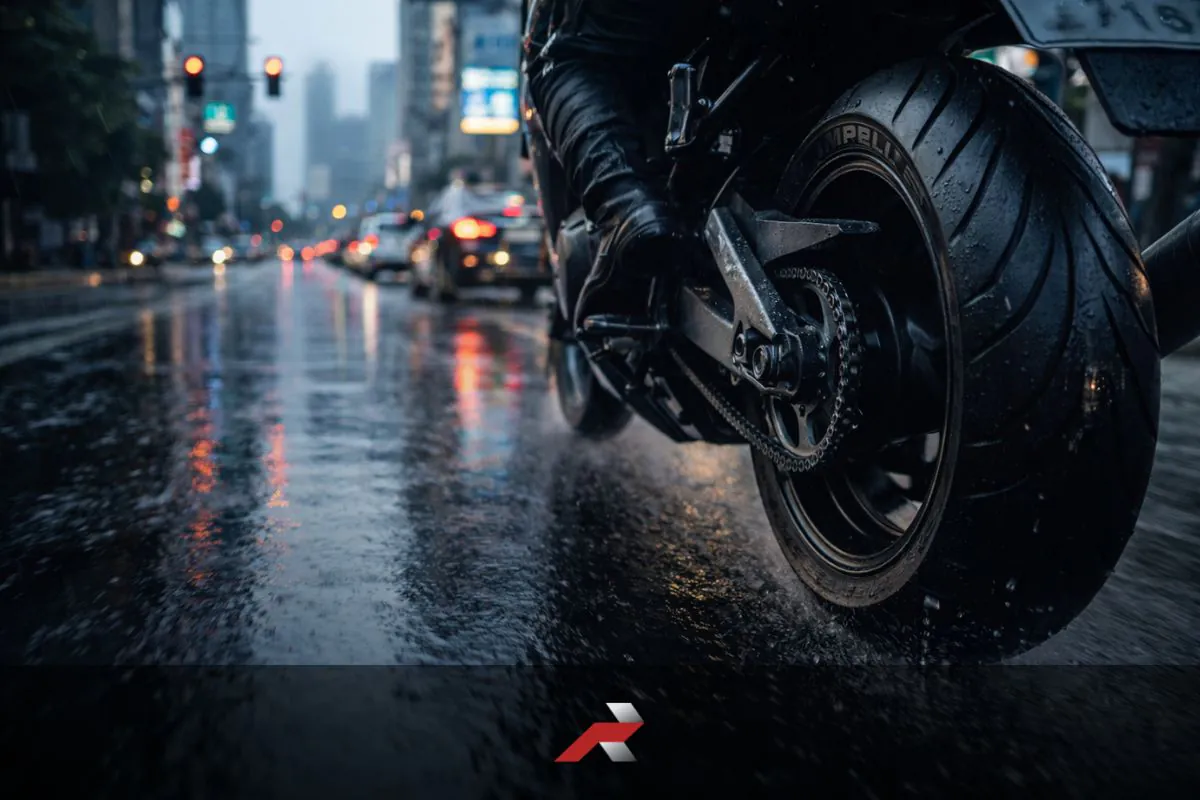
Looking for the best motorcycle tires for rainy season Philippines riding? This buyer guide compares five popular options with estimated price ranges, wet grip factors, and practical decision tips for Metro Manila traffic and provincial roads. You will learn what matters most in rain, including tread design, compound, tire age, and correct pressure. The guide also explains hydroplaning risk, front versus rear tire priorities, and when to replace tires before the rainy season begins. Part of the Rainy Season Series by RobiMotoPH, built for riders who want predictable control.
Riding through EDSA in a sudden downpour is not the same as riding on a sunny Sunday. One moment you are flowing. The next moment you are tiptoeing. Steel plates feel like glass. Painted lane markings feel like ice. The road surface looks wet, but the real danger is the invisible film of oil that rises during the first burst of rain. In conditions like these, choosing the best motorcycle tires for rainy season Philippines riding becomes more than a performance decision.
That is why choosing the best motorcycle tires for rainy season Philippines conditions is not a luxury upgrade. It is a control decision. It affects how your bike brakes, turns, and recovers when something unpredictable happens in front of you.
This guide is part of the Rainy Season Series by RobiMotoPH and has been reviewed for current Philippine market availability and estimated pricing. It is written for real riding: daily commuting, stop and go traffic, sudden braking, uneven roads, and flood-prone streets.
If you ride higher displacement machines and want a model-specific big bike breakdown, start with the companion guide Best Rainy Season Tires for Big Bikes, then return here for the broader buyer framework.
This is not a single-brand review. This is a seasonal buyer guide built for Filipino riders who want predictable control.
Rain riding anywhere reduces traction. Rain riding in the Philippines adds extra problems that compound the risk, which is exactly why choosing the best motorcycle tires for rainy season Philippines conditions becomes more than a performance upgrade. It becomes a safety decision.
Tropical downpours, oil lift on asphalt, steel plates, painted markings, and flood-prone roads combine to create a riding environment that demands predictable wet grip.
Tropical rain can go from light drizzle to heavy sheets within minutes. That means the road does not transition gradually. It flips from “dry grip” to “wet uncertainty” fast.
After dry, humid days, traffic leaves residue. When the first rain hits, oil rises and mixes with water, creating a thin film that reduces friction. This is the reason the first 20 to 30 minutes of rain can feel sketchier than the rain itself.
Metro Manila construction zones often involve steel plates, patches, and mismatched road textures. Under rain, these surfaces change grip level instantly. If you are leaned slightly while crossing, your tire has less margin.
Crosswalks, arrows, lane dividers, and reflective markers become traction traps. They are not always dangerous, but they reduce grip enough to matter when you brake or turn.
Flooded roads are not just traction problems. They hide uneven surfaces that can deflect your front wheel. Tires can help you manage wet asphalt. However, tires cannot protect your bike from a deep hole you cannot see.
Water covers danger. It hides cracks, broken pavement, and sudden drops. One wrong line choice can bend a rim or damage suspension. That is why smart riding matters more than aggressive riding during the rainy season.
Before you even think about tire upgrades, make sure the rest of your motorcycle is prepared for rain and humidity. Start with the fundamentals inside the Beginner Motorcycle Buying Guide: Start Your Ride Right. The guide explains why proper setup, brake condition, suspension health, and tire selection must work together.
Grip is important. Control is critical. But preparation is what keeps you upright when the road disappears under floodwater.
A tire does not magically “stick” to wet roads. It manages water and maintains rubber flexibility so the contact patch can do its job.
1. Water evacuation design
The grooves and channels exist to move water away from the contact patch. Deeper, well-shaped grooves help reduce standing water buildup. The goal is not to look aggressive. The goal is to reduce the time water stays under the tire.
2. Rubber compound and silica content
Wet grip is heavily influenced by compound design. Many modern touring and sport touring tires use silica-enhanced compounds to maintain adhesion when surfaces are wet and cooler. It is not only about being “soft.” It is about being consistent.
3. Tread depth and real contact patch
Even the best compound cannot help if tread is worn down. Once grooves lose depth, water evacuation efficiency drops. You might still feel okay in light rain, then suddenly lose confidence in deeper water.
4. Tire age and rubber hardening
Rubber changes over time. Heat cycles, humidity, and storage conditions affect flexibility. A tire can have tread but still lose wet grip if the rubber has hardened.
5. Correct tire pressure for wet stability
Pressure affects the contact patch. Overinflation can reduce the effective patch. Underinflation can make handling vague and increase heat buildup. In rain, instability feels worse because you already have less traction.
A lot of wet incidents are not caused by the tire alone. They are caused by habits. If you want practical riding behavior fixes that matter in daily commuting conditions, read Motorcycle Tips Philippines: 7 Tricks Most Riders Ignore and apply the sections on smooth braking and predictable throttle control.
Hydroplaning happens when water builds faster than the tire can evacuate it, creating a thin layer that reduces rubber contact with the road. Motorcycles have narrower tires than cars, so full hydroplaning is less common. But partial traction loss is very real, and it feels like the bike suddenly becomes floaty or vague.
The risk increases when:
The most important reality is this: hydroplaning risk is not only about tire model. It is also about speed and water depth. A premium tire cannot rewrite physics if you blast through pooled water.
If you want the technical concept without marketing noise, a detailed engineering explanation outlines how water buildup, speed, and tread design interact to cause loss of traction. The breakdown explains the mechanics in a way that supports real rider decisions. No hype needed.
A common mistake is upgrading the rear first because it looks worn. In rain, the front tire often matters more for control because the front handles the majority of braking load.
Why front grip is critical
When you brake, weight transfers forward. The front tire must generate the majority of stopping force. If the front lacks wet grip, the bike feels unstable or longer to stop. That is the moment you realize “I should have changed the front too.”
Why rear grip still matters
Rear traction controls how smoothly you accelerate out of slow traffic and how stable the bike feels during small corrections. Rear grip matters for confidence, especially in stop and go traffic.
Avoid mismatched pairings
Mixing categories can create weird feedback. A premium sport touring rear with an old or budget front can feel unpredictable because grip levels differ. The goal is a balanced set that responds consistently.
This is part of ownership reality that riders usually learn the hard way. If you want a grounded perspective on what daily riding reveals over time, read First-Year Motorcycle Ownership Lessons Learned Through Daily Riding. Rain exposes gaps in both preparation and decision making.
Many riders assume wider tires give more grip. It is not that simple.
The safe play is to follow manufacturer recommended sizing unless you have a specific reason and you understand handling effects.
Common big bike sizes you will see in the Philippines:
Common commuter sizes:
Sizing also affects pricing. A tire model might be “affordable” in one size and expensive in another. Always compare within your exact size.
A common myth is lowering tire pressure for rain.
The smarter approach is:
Overinflation often reduces stability. Underinflation often makes steering vague. Rain makes both problems feel worse.
If you want a full preparation routine that includes tires, brakes, lights, and visibility, use Rainy Season Motorcycle Maintenance Checklist for Daily Filipino Riders as your baseline.
A better tire gives you more margin. But habits decide whether you use that margin.
Brake earlier, brake smoother
Sudden braking is the most common mistake in rain. If you squeeze hard and late, you force the tire to do the impossible.
Avoid sharp lean on painted markings
Cross paint upright when you can. If you must turn across paint, reduce lean and be smooth.
Reduce speed in the first 20 minutes
That is when oil film is most dangerous.
Give yourself space in traffic
Tires can help you stop. Space helps you not need to stop suddenly.
If you want a practical set of behavior shifts that match daily commuting, apply the guidance inside Motorcycle Tips Philippines: 7 Tricks Most Riders Ignore.
No tire makes flood riding safe.
Flood water introduces:
The best strategy is route discipline. Avoid the flood lane. Slow down. Keep your line stable. If water is deep enough to hide road texture, traction becomes unpredictable.
Estimated Prices and Who Each One Fits
These five choices are popular among Philippine riders and accessible either via local shops or online listings. Prices are estimated ranges and can shift based on size, dealer, and stock.
Important note: one of the options may ship internationally depending on listing availability. The buyer framework still holds because the decision is about rider needs and wet performance priorities.
Premium wet confidence for riders who want predictable braking
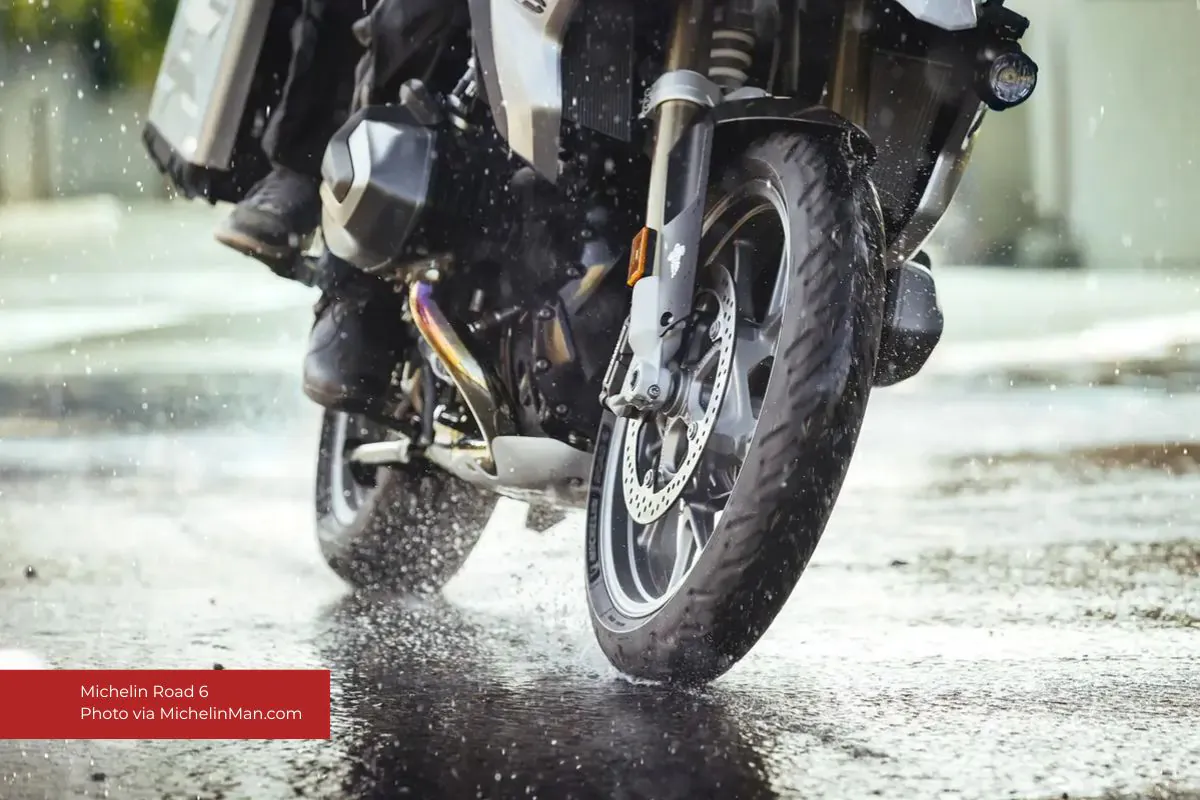
The Michelin Road 6 is a sport touring tire commonly chosen by riders who prioritize wet stability, long life, and consistent feel. The value here is not only “grip.” It is predictability. In heavy rain, predictability matters more than hype.
What it feels like in real riding
In city rain, this type of tire tends to provide calmer feedback when you brake smoothly. It also helps reduce the “nervous” feel some riders get when turning through wet surfaces.
Who should consider it:
Front: ₱9,000 to ₱12,000
Rear: ₱12,000 to ₱18,000
Sport touring option for riders who want wet control with sporty feel
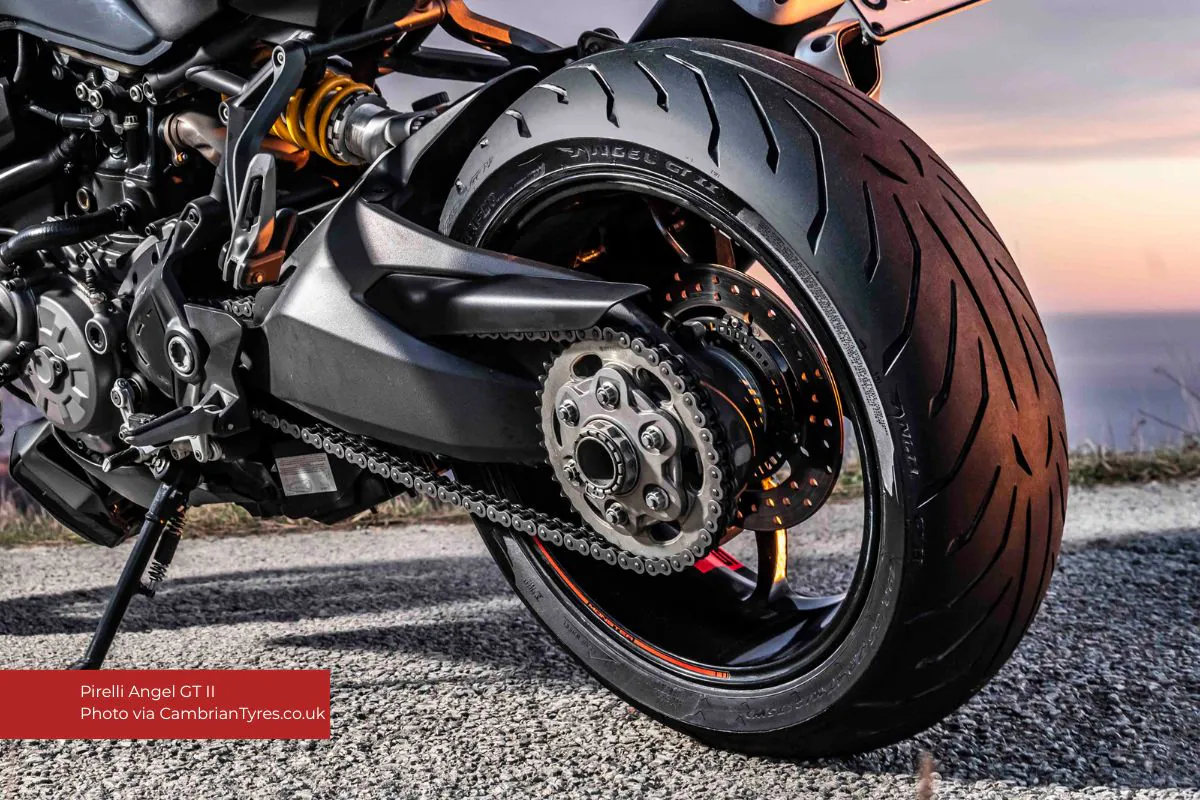
The Pirelli Angel GT II is a favorite in the sport touring segment. It often appeals to riders who want a slightly sportier feel without sacrificing wet performance.
What it feels like in real riding
In rain, this kind of tire is chosen for stable transitions. Riders who commute but still enjoy weekend runs often want a tire that does not feel dull in dry conditions.
Who should consider it:
Front: ₱8,500 to ₱11,000
Rear: ₱11,000 to ₱16,000
Balanced wet braking and practical value for daily riders
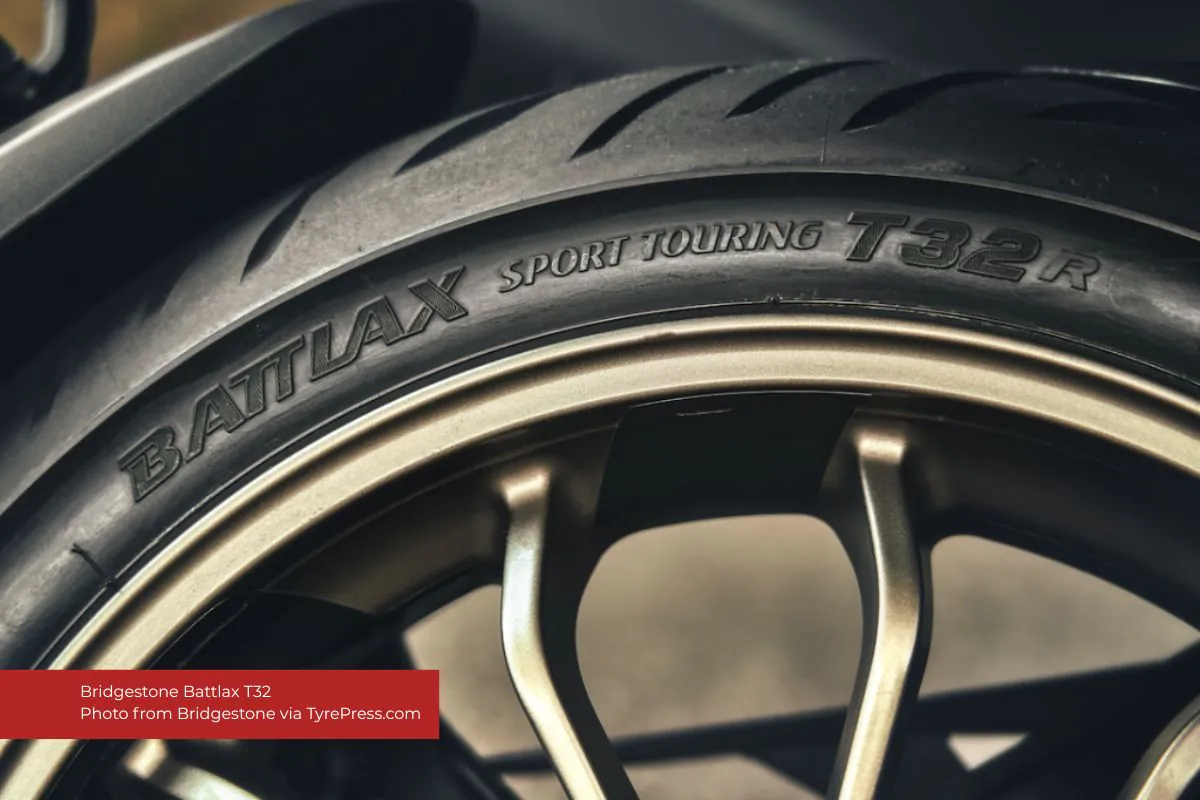
The Bridgestone Battlax T32 sits in a sweet spot. It is often chosen by riders who want strong wet performance without always paying the highest premium tier.
What it feels like in real riding
For daily commuting, the biggest win of a tire like this is stability. It helps keep the bike feeling predictable through minor surface changes, like patches, asphalt transitions, and wet grooves.
Who should consider it:
Front: ₱7,500 to ₱10,000
Rear: ₱10,000 to ₱14,000
| Tire Model | Type | Best For | Wet Grip Priority | Estimated Price Range (Front + Rear) | Budget Level |
|---|---|---|---|---|---|
| Michelin Road 6 | Sport Touring | 400cc+ commuters and touring | Maximum wet predictability | ₱21,000 to ₱30,000 | Premium |
| Pirelli Angel GT II | Sport Touring | Balanced sporty and wet control | High wet stability | ₱19,500 to ₱27,000 | Premium |
| Bridgestone Battlax T32 | Touring Sport | Daily riders needing stability | Strong wet braking | ₱17,500 to ₱24,000 | Mid |
If you want to choose fast without overthinking, use this.
If you ride daily in Metro Manila rain and cannot skip riding
Choose premium sport touring. The cost hurts once. The stability helps every rainy day.
Best matches:
If you do daily riding but need stronger value
Choose mid-tier touring sport or value sport touring.
Best matches:
If you ride a smaller displacement commuter and want affordability
Choose a practical commuter tire and focus on maintenance and riding habits.
Best match:
IRC Road Winner RX-01R
Do not wait for a scary slide before replacing tires.
Replace when you see:
The rubber-hardening truth
Rubber changes even if the tread looks okay. In tropical conditions, storage heat and humidity accelerate aging. The technical reality of rubber aging supports what many riders feel in practice: older tires can lose wet grip before they look “bald.”
Rain riding changes your rhythm. It forces patience. It punishes ego.
Many riders learn that lesson in their first year. Not because they are careless. Because ownership teaches responsibility slowly and reality teaches it fast.
That is why the grounded perspective inside First-Year Motorcycle Ownership Lessons Learned Through Daily Riding pairs well with this buyer guide. Tires are hardware. Responsibility is the bigger upgrade.
For riders who prioritize premium wet confidence, sport touring options like Michelin Road 6 and Pirelli Angel GT II usually fit the goal.
If one tire is significantly older or harder, replacing as a set improves balance and predictability.
Premium tires improve margin. They do not remove risk from standing water, paint, or steel plates.
Stick to manufacturer recommendations and keep them consistent.
Both matter, but compound consistency and tread depth often decide real wet confidence.
Choosing the best motorcycle tires for rainy season Philippines riding is not about chasing hype. Instead, it is about matching rubber to your real conditions and daily environment.
Your route plays a major role. Displacement affects stability and load. Riding discipline ultimately determines how much grip you can safely use.
A better tire gives you predictability. Predictability gives you control. Control keeps you upright when floodwater hides the road.
A better tire gives you predictability. Predictability gives you control. Control keeps you upright when floodwater hides the road.
However, tires are only one part of the safety system. Grip means nothing if your protection fails during impact. Rain increases stopping distance. Rain increases risk. Therefore, your helmet choice becomes just as critical as your tire choice.
Before upgrading rubber, review your protective setup as well. Read Budget vs Premium Full-Face Helmets: What Filipino Riders Really Need to Know to understand how protection levels differ and where it truly matters for Filipino riders.
Because rainy season riding in the Philippines is unpredictable. Construction shifts. Flood-prone streets return. Hidden potholes wait.
The best motorcycle tires for rainy season Philippines conditions help you stay planted. The right helmet helps you stay protected.
Grip is strategy. Protection is responsibility. Ride prepared.