Skip to content
Contact & Community
📍 Metro Manila, Philippines
🌐 robimotoph.com
✉️ hello@robimotoph.com
📱 +63 917 517 0594
📍 Metro Manila, Philippines
🌐 robimotoph.com
✉️ hello@robimotoph.com
📱 +63 917 517 0594

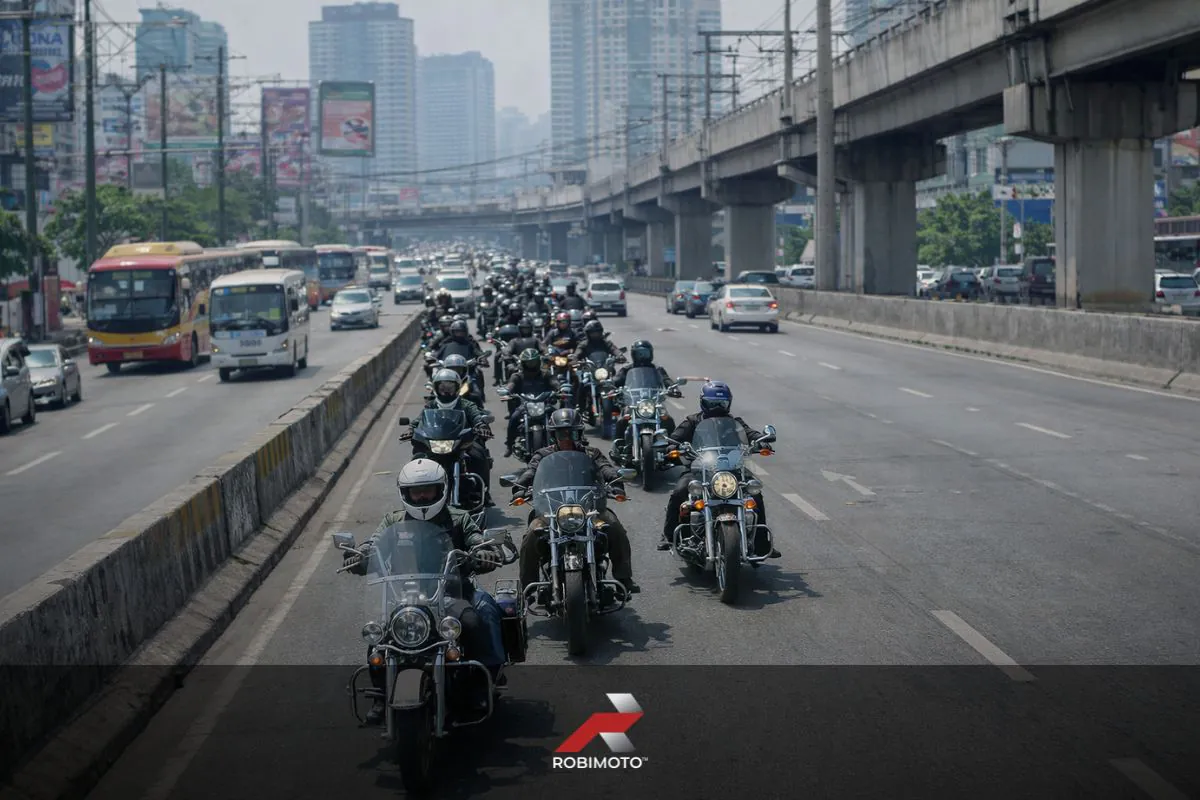
Riding solo vs group rides experience feels simple at first, until daily traffic, schedules, and real fatigue enter the picture. In city riding, long commutes, weekend escapes, and mixed skill groups, the difference becomes clearer. Some riders feel more relaxed alone. Others enjoy shared pace and safety in numbers. This is not about which is better. It is about how each setup plays out on real roads. From stop-and-go traffic to long provincial stretches, the experience changes your habits, costs, and riding rhythm. These insights come from actual rider use, not theory or online hype.
Many riders assume riding solo vs group rides experience is a simple trade-off between fun and safety. Group rides look exciting. Solo rides seem quiet or risky. That belief usually comes from weekend photos, not daily use.
In real riding, especially with Philippine traffic, riding solo vs group rides experience plays out differently. Time pressure, road conditions, and rider coordination change everything.
These observations come from everyday riding. City commutes, short errands, and mixed group rides shape how riders actually feel on the road. The goal here is clarity, not persuasion.
Solo riding shows its character fast in city traffic. There is no need to wait. No regroup stops. No pressure to match pace.
On a weekday commute, riding alone lets you ride within your own rhythm. You stop when you want. You detour when traffic gets ugly. If your body feels tired, you slow down without explanation.
This matters more than people admit. In Metro Manila traffic, mental load stacks up quickly. Riding solo reduces decision noise.
This mirrors ideas discussed in a practical riding reference found in Does Riding Skill Matter More Than Engine Size in Daily Philippine Riding?
Group rides introduce structure. Meet points. Ride leaders. Sweep riders. Hand signals. It sounds organized, until real traffic interferes.
In provincial rides, groups feel smoother. On open roads, shared pace builds confidence. Less experienced riders relax. Navigation becomes easier.
Inside cities, the story flips. Stoplights split groups. Smaller bikes strain to keep up. Faster riders wait longer. Frustration grows quietly.
Group rides demand patience. Not everyone realizes this early.
Before committing to frequent group rides, ask how the group handles split traffic situations and late arrivals. That single answer often reveals whether the ride fits your daily routine.
Riding solo vs group rides experience is a trade-off, not a ranking.
Solo riding offers control. You decide speed, rest, and route. That control reduces stress during workdays.
Group riding offers shared momentum. You lean on others for navigation, visibility, and morale. For some riders, this reduces anxiety on long trips.
A local rider discussion documented in a local motoring article often highlights how group size and ride purpose shape enjoyment more than bike type.
Neither choice is permanent. Most riders switch depending on life phase and schedule.
| Aspect | Solo Riding | Group Riding |
|---|---|---|
| Pace control | Fully personal | Set by group |
| Waiting time | None | Frequent |
| Navigation load | Solo | Shared |
| Mental fatigue | Lower in traffic | Higher in cities |
| Social energy | Low | High |
| Flexibility | Very high | Limited |
Numbers vary by rider and route. These are patterns, not rules.
Extended riding changes opinions. Riders who start solo sometimes crave company on long rides. Group-first riders often seek solo days to reset.
One common mistake is overcommitting to group schedules. Missed rides create pressure. That pressure leaks into enjoyment.
International long-term ownership discussions show similar patterns. Group dynamics shape riding habits more than machines.
Experience softens extremes. Balance becomes the goal.
Costs appear indirectly. Group rides often mean longer idle time. More fuel burn while waiting. Extra meals. Extra coffee stops.
Solo rides cost less per trip. You move efficiently. Maintenance schedules stay predictable.
Time matters more than money. A delayed return affects family, work, and rest. Riders feel this after repeated group delays.
Reliability improves when rides match energy levels. Forced pacing increases fatigue.
If you ride in groups regularly, clarify end-of-ride timing before departure. It avoids silent pressure and rushed riding near home.
Not always. Solo riding reduces coordination risks but removes group visibility benefits.
Only if pacing or waiting habits force heat buildup or rushed riding.
Short group rides help confidence. Solo rides build decision skills faster.
Most experienced riders do. Choice often depends on schedule.
Group pace matters more than engine size in mixed riding.
Choosing ride setups that match personal pace reduces rushed riding and avoids unnecessary wear from repeated stop-and-wait cycles.
RobiMotoPH
Riding solo vs group rides experience is not a personality test. It is a situational choice shaped by traffic, energy, and time.
Clarity comes from trying both honestly. Riders who listen to their routines enjoy riding longer.
This connects quietly to a familiar rider experience discussed in Simple Rider Habits That Slowly Damage the Motorcycle Community | Real-World Ride Commentary.
At the end of the ride, comfort and consistency matter more than labels.