Skip to content
Contact & Community
📍 Metro Manila, Philippines
🌐 robimotoph.com
✉️ hello@robimotoph.com
📱 +63 917 517 0594
📍 Metro Manila, Philippines
🌐 robimotoph.com
✉️ hello@robimotoph.com
📱 +63 917 517 0594


Many riders believe engine size defines confidence on the road. Bigger bikes feel safer, stronger, and more capable, especially in traffic. But daily riding in Philippine cities tells a different story. Tight streets, uneven pavement, sudden stops, and unpredictable drivers expose limits that displacement alone cannot solve. This article looks at whether riding skill matters more than engine size during real-world use. It focuses on daily commutes, weekend rides, and long-term ownership. The insights come from actual rider experience, not theory. The goal is clarity, not persuasion, so riders can assess their choices calmly and realistically.
A common belief among riders is simple. When it comes to riding skill vs engine size, many assume bigger engines mean better control. More power feels like more safety, especially when riding beside buses and trucks.
However, daily riding challenges that idea quickly. City traffic, slow-moving lanes, sudden U-turns, and road damage change how motorcycles behave. What feels powerful on open roads can feel heavy and awkward in tight spaces.
This article looks at whether riding skill matters more than engine size. The insights come from observed riding patterns and ownership experience. The value is practical clarity for everyday riders.
Daily riding exposes gaps between expectation and reality. In stop-and-go traffic, throttle control matters more than peak power. Smooth clutch work reduces fatigue faster than extra horsepower ever could.
Riders with refined skills manage tight gaps calmly. They anticipate brake lights early. They balance smoothly at low speeds. These habits matter more when roads are crowded and surfaces are inconsistent.
Meanwhile, riders relying on engine size often struggle during slow maneuvers. Large bikes amplify mistakes at walking speed. A heavy throttle hand turns small errors into stress.
Skill shows up in how riders adapt. It appears in how they position themselves in traffic. It shows in how they read road surfaces before hitting them. These moments happen every day, not just during spirited rides.
There is also a practical side. Skilled riders often extend tire life. They avoid unnecessary braking. They reduce wear on chains and sprockets. This quietly supports bike longevity and reduces avoidable replacements, which benefits both owners and trusted local shops.
After any major service, take a short solo ride on familiar streets and focus only on throttle response and clutch feel. If something feels different, return immediately and explain sensations, not symptoms, to the mechanic. This habit improves rider-mechanic communication and avoids long-term misadjustments.
Riders often face a decision point when weighing riding skill vs engine size. Should they upgrade engine size or invest time in improving skill? Both paths have trade-offs.
A larger engine offers relaxed cruising and easier overtakes on highways. It can reduce strain during long rides. However, it also adds weight, heat, and higher running costs.
Improving skill takes patience. It requires practice and humility. Yet it pays dividends across all engine sizes. A skilled rider feels confident on both small and large bikes.
Some riders choose middleweight motorcycles because they balance power and manageability. Others downsize after realizing daily riding rarely uses full displacement. A local ownership perspective shows how daily use often matters more than peak engine output.
There is no correct answer here. Riders choose based on comfort, routine, and budget. The key is understanding the trade-offs without ego driving the decision.
| Riding Aspect | Higher Skill | Larger Engine |
|---|---|---|
| Traffic control | Smoother low-speed balance | Heavier handling |
| Fatigue after commute | Lower | Higher in congestion |
| Fuel usage | More consistent | Higher under stress |
| Maintenance wear | Reduced | Increased if mishandled |
| Confidence growth | Progressive | Plateaus quickly |
These patterns reflect cautious observations from daily riders. They are not absolutes. Riding context always matters.
Over time, patterns become clear. Riders who focus on skill tend to adapt faster. They handle unexpected situations calmly. They recover from near-mistakes without panic.
Many riders admit they overestimated engine size early on. After months of riding, they notice skill gaps instead. Slow turns remain awkward. Emergency braking feels inconsistent. These realizations often push riders toward training or focused practice.
Common mistakes appear too. Some riders upgrade engines hoping to fix confidence issues. Others skip skill development because they feel comfortable enough. Both paths delay growth.
A recent long-term riding piece from RevZilla’s Common Tread points out that rider confidence develops faster through repetition, familiarity, and technique, rather than stepping up engine size. This matches what daily riders tend to notice over time.
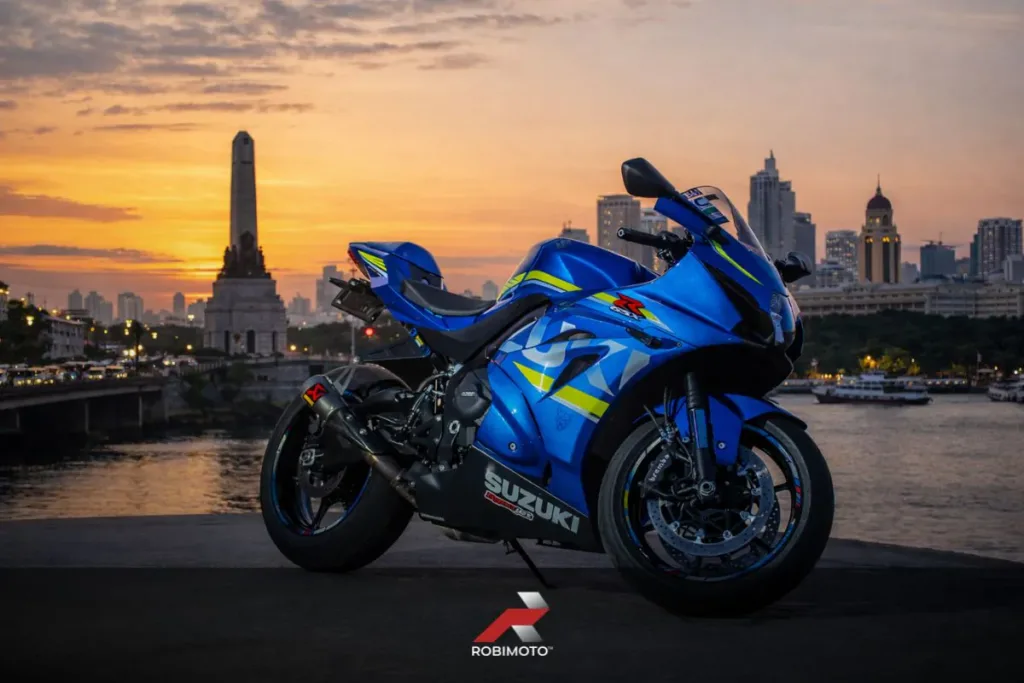
This pattern mirrors a real-world riding perspective discussed in Are Bigger Bikes Always Better? Real Rider Reality Checks sa Pinas, where daily usability often outweighs spec-sheet appeal during ownership.
Skill gaps cost time and money. Poor throttle control increases fuel consumption. Inconsistent braking wears pads early. Mishandled weight strains suspension components.
Downtime increases too. Minor drops during parking cause lever and mirror replacements. Heat management issues surface faster in traffic. These costs accumulate quietly.
Engine size magnifies these effects. Larger bikes are less forgiving. Repairs cost more. Parts take longer to source. Daily inconvenience adds up.
Skilled riders minimize these issues regardless of displacement. They avoid unnecessary shop visits. They ride predictably. Reliability improves through habit, not hardware.
Before upgrading engine size, ask your mechanic how your riding habits affect your current bike. Let them describe wear patterns they see. This transparency often reveals whether skill growth or displacement change will bring more benefit.
Yes. In traffic, balance, anticipation, and smooth control matter more than power.
It is possible, but mistakes carry higher consequences. Skill development becomes critical.
No. Safety comes from awareness and control, not displacement alone.
Some do. Others train on their current bike. Both paths work if approached intentionally.
Yes. Speed management and hazard awareness remain skill-dependent.
Thoughtful riding habits reduce unnecessary part replacements, ease pressure on small repair shops, and keep everyday motorcycles usable longer in real traffic conditions.
RobiMotoPH
Riding always reveals truth over time. Spec sheets fade. Daily habits remain. When it comes to riding skill vs engine size, real-world situations usually make the answer clear.
Skill shapes confidence. It reduces cost. It improves reliability. Engine size still has a place, but it does not replace control.
For daily Filipino riders, clarity matters more than comparison. The road teaches quietly. Those who listen ride longer and better.