Skip to content
Contact & Community
📍 Metro Manila, Philippines
🌐 robimotoph.com
✉️ hello@robimotoph.com
📱 +63 917 517 0594
📍 Metro Manila, Philippines
🌐 robimotoph.com
✉️ hello@robimotoph.com
📱 +63 917 517 0594

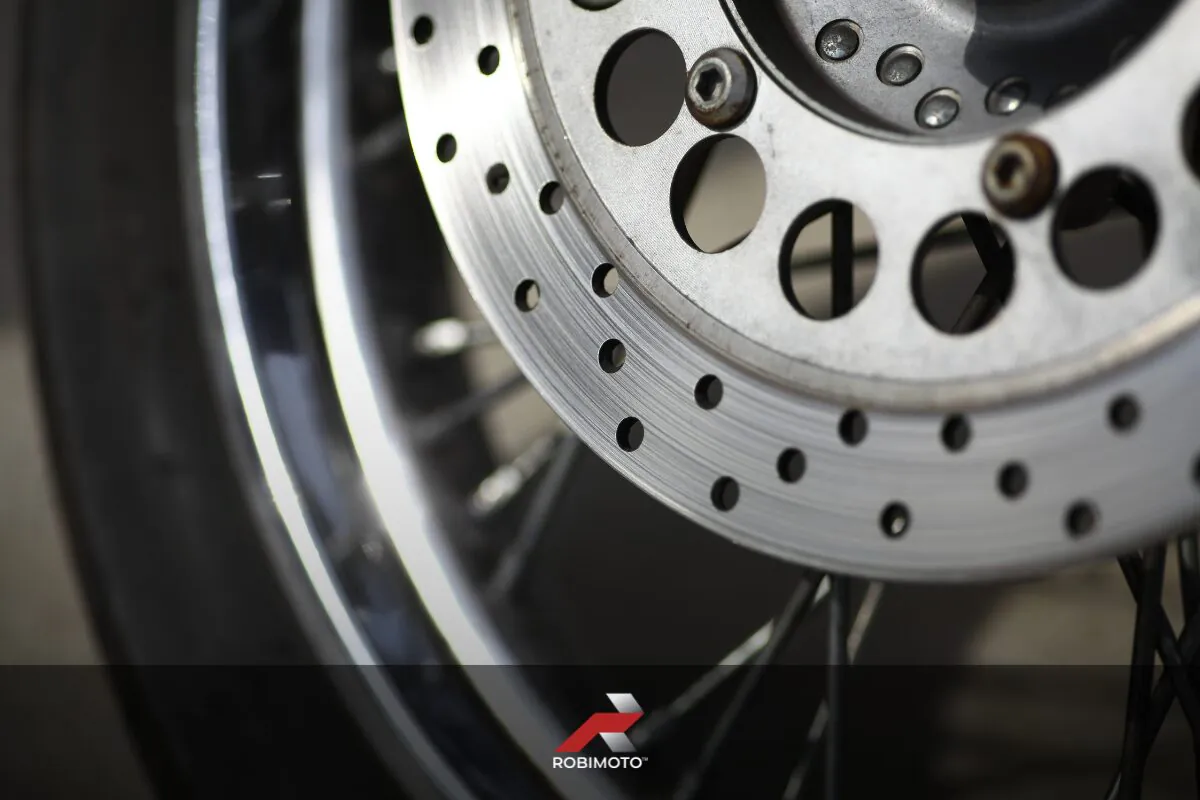
Brake squealing is one of those motorcycle issues riders often ignore, especially in city traffic where noise feels normal. Daily commuting, stop and go riding, and sudden braking in Metro Manila conditions make brake noise common, but not always harmless. Many riders assume squealing is just dirty pads or cheap parts, yet real world use shows the cause is often layered. This article breaks down brake squealing causes and how to fix it based on actual riding patterns, shop observations, and long term ownership. Expect clarity, not quick fixes or sales talk.
Most riders think brake squealing is normal, especially during slow rides or early morning commutes. In heavy traffic, noise blends into everything else. Because of that, brake squealing causes and how to fix them rarely get proper attention.
Brake noise is not just a sound issue. It is often a signal related to pad material, surface contamination, rotor condition, or maintenance timing. Within the broader framework discussed in the Motorcycle Maintenance in the Philippines: A Real-World Guide for Riders, braking systems are treated as part of an integrated safety system rather than isolated components.
Over time, that sound becomes familiar. Riders live with it until braking feel changes or confidence drops. Daily use exposes patterns that quick inspections miss. City heat, rain, dust, and repeated braking cycles accelerate pad wear and surface glazing.
Brake squealing in daily motorcycle riding is usually caused by vibration between pad and rotor surface. It can result from hardened pad compounds, uneven rotor surfaces, trapped debris, improper bedding, or fluid-related inconsistencies. Most cases are not catastrophic, but they should not be ignored.
This article pulls from real rider experience and shop observations. It focuses on how brake squealing shows up, why it happens in daily riding conditions, and what practical fixes riders can apply without unnecessary upgrades.
Clarity first. Panic never.
Brake squealing often shows up at low speeds. You hear it while crawling in traffic, easing into parking slots, or rolling through toll booths. Riders usually notice it more during light braking rather than hard stops.
In daily riding, this noise tends to appear after a few months of use. It can show up even when brake pads still look thick. Heat cycles from traffic, dust buildup, and uneven pad contact slowly change how brakes behave.
Some riders link the sound to weather. It gets louder during rainy weeks or early mornings. Others notice it after long downhill rides or heavy load use. These patterns matter because squealing is rarely caused by just one factor.
This same pattern appears in other braking issues discussed in a related maintenance discussion on braking feel problems caused by delayed fluid replacement, which many riders only notice after extended daily use.
Brake pads are designed to grip, not glide. When pad material hardens due to heat or age, it vibrates against the rotor. That vibration becomes sound. It does not always mean the pad is worn out.
In real use, calipers do not always apply pressure evenly. Dirt, dried grease, or slight piston stiffness can cause one side to bite first. This uneven contact creates squeal during light braking.
Rotors develop glazing, light grooves, or uneven surfaces over time. These changes rarely affect braking power immediately, but they alter sound. Riders often blame pads when the rotor surface is part of the issue.
These details show why visual checks alone are misleading.
After brake service, ask the mechanic to show the old pads and explain where contact was uneven instead of asking if the pads were still “ok.” This small conversation often reveals caliper or rotor issues early and improves rider shop trust.
Most riders face a few practical choices when dealing with brake squealing. None are perfect. Each has trade offs.
Before choosing a fix, it helps to rule out hydraulic inconsistencies. Many riders overlook fluid condition, yet degraded or moisture-contaminated brake fluid can subtly change lever feel and braking response over time. This pattern is explained clearly in Ignored Brake Fluid Replacement and Braking Feel Issues in Daily Riding, where delayed maintenance affects confidence more than riders expect.
Cleaning, replacement, or simply living with the noise all make more sense once fluid health and braking feel are verified.
This is the most common first step. Cleaning pad surfaces, caliper pins, and applying proper grease can reduce noise. It works well if the squeal comes from dirt or uneven movement.
Some riders replace pads early just to remove the noise. This works but shortens pad life. It makes sense when pads are glazed or hardened.
Less common but sometimes necessary. Warped or heavily glazed rotors keep squealing even with new pads.
Many riders choose to ride on. If braking power stays consistent, they accept the sound.
A local comparison published by Zigwheels Philippines often highlights how pad compounds and riding style affect brake noise differently across models.
| Fix Option | Cost Range (PHP) | Time Needed | Noise Reduction |
|---|---|---|---|
| Caliper cleaning | 500–1,000 | 30–60 mins | Moderate |
| Pad replacement | 1,200–3,500 | 30–45 mins | High |
| Rotor resurfacing | 1,000–2,000 | 1–2 hrs | Moderate |
| Rotor replacement | 3,000–8,000 | 1–2 hrs | High |
Costs vary by location, bike type, and shop practice.
Brake squealing teaches riders patience. Those who ride daily notice that noise comes and goes. New pads can squeal. Old pads can stay quiet.
Over time, riders learn patterns. Squeal during light braking often means vibration. Squeal after rain often fades once things dry. Persistent squeal paired with pulsing levers usually signals rotor issues.
Many riders regret changing parts too early. Others regret ignoring noise too long. The lesson usually arrives after several service cycles.
Brake squealing itself does not stop a bike. What it disrupts is confidence. Riders hesitate more at intersections. Some brake earlier than needed. Others ignore it until braking feel changes.
Service downtime matters for daily commuters. Waiting half a day for parts or rotor work affects schedules. Riders who plan brake work during routine maintenance avoid this stress.
Money adds up slowly. Multiple pad changes cost more than one proper inspection. Noise becomes expensive when it triggers repeated guesswork fixes.
When testing brakes after service, ride slowly and apply light braking several times before judging noise or feel. Immediate hard braking can mask whether the fix actually worked.
New pads need bedding. Light squeal during early use is common and often fades after proper heat cycles.
Noise alone is not dangerous, but changes in feel or stopping distance should not be ignored.
Yes. Moisture changes friction temporarily and can trigger squeal until components dry.
Not always. Cleaning and inspection may solve the issue without replacement.
Pad compound affects noise, but even premium pads can squeal under certain conditions.
Addressing brake squealing early often prevents unnecessary pad or rotor replacements that shorten usable component life.
RobiMotoPH
Brake squealing causes and how to fix them rarely come down to one simple answer. Daily riding exposes small issues slowly. Noise is often the first signal, not the final problem.
Riders who observe patterns, not just sounds, make better ownership decisions. Over time, this leads to calmer riding and fewer rushed repairs.
This long view appears again in Brake Performance in Wet Roads Philippines: What Riders Must Understand During Rainy Season, where braking behavior, traction limits, and rider input are framed as a complete safety system rather than isolated parts.
Understanding braking as a system, not just a symptom, is what separates reactive repairs from disciplined ownership.