Skip to content
Contact & Community
📍 Metro Manila, Philippines
🌐 robimotoph.com
✉️ hello@robimotoph.com
📱 +63 917 517 0594
📍 Metro Manila, Philippines
🌐 robimotoph.com
✉️ hello@robimotoph.com
📱 +63 917 517 0594

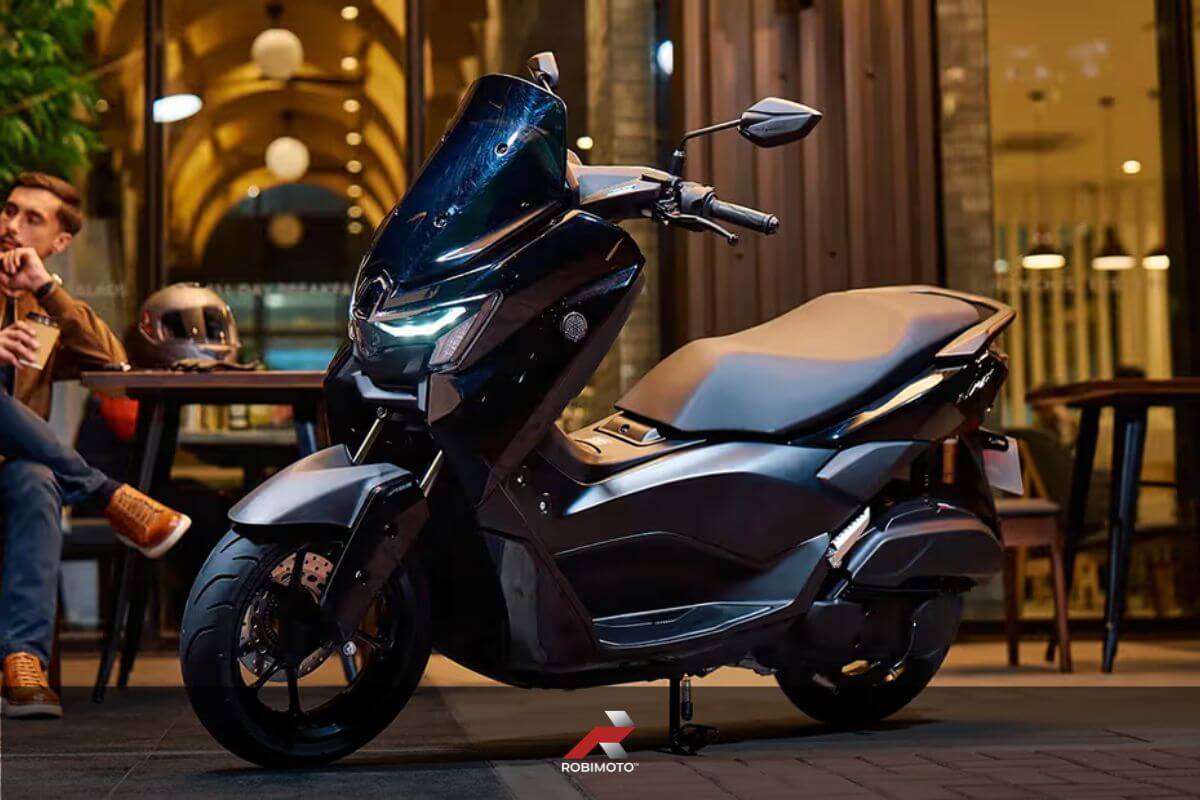
The Yamaha Nmax is one of the most popular scooters in the Philippines, but even this favorite has its share of issues. From fuel efficiency concerns to suspension struggles, here are the top 5 Yamaha Nmax problems Filipino riders face—and the practical solutions they’ve found.
Yamaha Nmax problems usually involve fuel consumption, suspension comfort, brake pad wear, battery concerns, and maintenance cost. These issues do not automatically make the Nmax a bad scooter. They show why daily riders need proper maintenance, realistic expectations, and better riding habits in Philippine conditions.
The Yamaha Nmax remains one of the most popular scooters in the Philippines because it fits city commuting, weekend rides, and daily errands. It offers comfort, style, and enough power for many riders. However, no scooter is perfect once it faces traffic, rain, rough roads, heat, and daily stop-and-go use.
For Filipino riders, the real question is not only, “May problema ba ang Nmax?” The better question is, “Aling issues ang normal, alin ang maintenance-related, at alin ang dapat ipa-check agad?”
This guide refreshes the common Yamaha Nmax problems based on real rider concerns, ownership patterns, and practical maintenance habits.
For riders still comparing if this scooter fits their lifestyle, read the Yamaha Nmax 2025 Review for Filipino Riders for a wider buyer-focused view.
The most common Yamaha Nmax problems are inconsistent fuel consumption, stiff rear suspension, faster brake pad wear, weak battery symptoms, electrical concerns, and higher maintenance cost compared with smaller scooters. Most of these concerns can be managed through regular inspection, correct riding habits, and timely parts replacement.
Here is a simple overview for Filipino riders:
| Common Issue | Usual Cause | What Riders Should Check First |
|---|---|---|
| High fuel consumption | Traffic, throttle habit, tire pressure, dirty filter | Tire PSI, air filter, riding style |
| Stiff ride comfort | Rear suspension setup, road condition, rider weight | Tire pressure, rear shock condition |
| Fast brake pad wear | Stop-and-go traffic, rain, dust, riding load | Pad thickness, rotor, brake fluid |
| Weak battery symptoms | Short trips, accessories, aging battery | Battery age, charging system, wiring |
| Higher maintenance cost | Bigger scooter parts and CVT service | PMS schedule, belt, oil, filters |
| Poor response | Dirty air filter, CVT wear, fuel quality | Air filter, spark plug, CVT condition |
This is why the Nmax is best treated as a practical commuter that still needs disciplined ownership. Hindi porket popular, immune na sa maintenance.
Yamaha Nmax fuel consumption can become inconsistent when riders deal with heavy traffic, aggressive throttle use, low tire pressure, dirty filters, or neglected maintenance. The scooter can still be efficient, but real-world mileage depends heavily on how and where it is used.
Many Filipino riders expect the Nmax to deliver scooter-level economy with a more premium riding feel. That expectation is fair, but Metro Manila traffic can humble any fuel estimate. Long idling, sudden acceleration, heavy loads, and short trips all affect fuel use.
Common signs include:
Before blaming the engine, riders should check basic items first. Tire pressure, air filter condition, spark plug condition, fuel quality, and riding habits can all affect consumption.
A dirty or clogged air filter may reduce smooth airflow and affect how the scooter responds during daily use. For riders checking this part specifically, the Yamaha Nmax Air Filter Replacement guide can support the next maintenance step once published.
Practical fixes riders use:
Fuel economy is not only about the scooter. It is also about the rider’s routine. Same bike, different habits, different gastos.
Yamaha Nmax suspension can feel stiff on rough Philippine roads, especially on concrete patches, potholes, uneven asphalt, and long city commutes. This does not always mean the suspension is defective. In many cases, it reflects the balance between handling, rider weight, tire pressure, and road condition.
Many riders like the Nmax because it feels planted compared with smaller scooters. The trade-off is that comfort can suffer when the road surface is broken. Daily riders feel this most during long commutes, back rides, and routes with patched pavement.
Common rider complaints include:
Some riders adjust their setup through seat foam modification, correct tire pressure, or aftermarket rear shocks. However, comfort upgrades should not be rushed. Cheap suspension changes can sometimes reduce stability instead of improving comfort.
Practical checks include:
Comfort is personal. What feels firm to one rider may feel stable to another. The goal is not the softest ride. The goal is controlled comfort.
Yamaha Nmax brake concerns usually involve brake pad wear, squeaking, uneven feel, or reduced confidence during wet and traffic-heavy riding. Since the Nmax is often used in city conditions, brake maintenance should be treated as a safety priority, not an afterthought.
Heavy traffic means frequent braking. Add rain, road dust, downhill parking ramps, and sudden stops, and the brake pads will naturally work harder. Yamaha owner manual guidance notes that brake pad wear indicators should be checked, and pads should be replaced as a set once they reach the wear limit.
Common warning signs include:
Riders should not assume that new brake pads solve every braking concern. The full system includes pads, rotors, brake fluid, calipers, tires, and installation quality.
Practical fixes riders use:
For riders checking front and rear pad replacement, the Yamaha Nmax Brake Pad Combo guide can become the natural next read once your product review is published.
Brakes are not the place to be kuripot in the wrong way. Tipid is good. Delayed safety maintenance is not.
Yamaha Nmax electrical problems often show up as weak starting, flickering lights, smart key concerns, or battery-related symptoms. These issues can be frustrating because they usually appear when the rider is in a rush, in traffic, or far from home.
For daily riders, short trips can be hard on the battery. The scooter starts, stops, idles, and restarts often. Add accessories, charging ports, alarms, and aging components, and the electrical system needs closer attention.
Common symptoms include:
Before replacing parts, riders should check the battery age, terminal connection, charging output, fuse condition, and any added accessories. Many electrical concerns become worse when aftermarket accessories are installed poorly.
Practical fixes include:
Electrical issues can look scary, but many start with basic neglect. Diagnose first. Replace second. Guessing is expensive.
Yamaha Nmax maintenance can cost more than smaller scooters because it uses larger components, more advanced features, and regular CVT service items. This does not mean it is too expensive to own. It means buyers should budget like they own a premium commuter, not a basic runabout.
Common maintenance costs may involve:
The Nmax is often bought because it feels premium, but premium ownership includes premium responsibility. Riders who skip maintenance to save money often spend more later.
Practical ways to manage cost:
For comparison, the Yamaha Tech Max 2025 Review can help riders understand how premium features affect ownership expectations.
A scooter can be reliable and still require money. That is the honest part of ownership.
Some Yamaha Nmax problems are linked to the CVT system, especially when riders feel vibration, delayed response, unusual noise, or weaker acceleration. The CVT handles power delivery, so wear in this area can affect how the scooter feels in traffic and during takeoff.
This issue deserves its own future article because many riders confuse CVT concerns with engine problems. Sometimes the engine is fine, but the belt, rollers, clutch, or pulley system needs inspection.
Possible signs include:
Practical first checks:
This section can later support a dedicated article about Yamaha Nmax CVT maintenance in the Philippines. That would be a strong supporting article because it connects troubleshooting, ownership cost, and maintenance parts.
Yes, the Yamaha Nmax can still be reliable when maintained properly and used with realistic expectations. Most common issues are not deal-breakers. They are ownership reminders. The scooter performs best when riders respect its PMS schedule, riding limits, and maintenance needs.
For Filipino riders, reliability is not only about the brand name. It is about use case. A rider who rides daily through EDSA traffic, rain, floods, and rough roads will face different maintenance needs than a weekend rider.
The Nmax makes sense for riders who want:
It may not fit riders who want:
The Nmax is not fragile. But it is also not magic. Alagaan mo, gaganti ng maayos. Pabayaan mo, sisingilin ka.
Before buying or maintaining a Yamaha Nmax, riders should check the actual use case, daily route, maintenance budget, and common wear items. This helps prevent wrong expectations and surprise costs later.
Use this quick checklist:
| Area | What to Check | Why It Matters |
|---|---|---|
| Fuel use | City traffic and throttle habit | Affects daily running cost |
| Brakes | Pad thickness and fluid condition | Critical for wet and traffic riding |
| Suspension | Comfort with rider and passenger | Affects fatigue and control |
| Battery | Age, terminals, smart key behavior | Prevents starting issues |
| CVT | Belt, rollers, clutch response | Affects acceleration and smoothness |
| Tires | Tread, age, correct PSI | Affects braking and fuel use |
| Air filter | Dirt, damage, replacement interval | Supports cleaner intake airflow |
| Budget | PMS, parts, labor | Prevents delayed maintenance |
This table is also useful for second-hand buyers. A clean-looking scooter can still hide maintenance neglect.
Yamaha Nmax problems become easier to manage when riders focus on prevention instead of reaction. The most practical habits are regular inspection, timely parts replacement, smooth riding, and honest budgeting.
Here are the key takeaways:
Online rider groups are helpful, but not every comment is diagnosis. Use community feedback as a clue, not the final verdict.
Yamaha Nmax problems are manageable when riders understand what usually causes them. Fuel consumption, stiff suspension, brake pad wear, battery issues, CVT concerns, and maintenance cost are part of real-world ownership. They matter more in the Philippines because traffic, rain, rough roads, and daily use add stress to any scooter.
The Nmax remains a strong daily scooter for riders who want comfort, convenience, and modern features. But it rewards disciplined owners more than careless ones. Before replacing parts, riders should inspect, diagnose, and match each decision to actual use.
At the end of the day, the best solution is not panic buying parts. It is knowing the bike, respecting maintenance, and riding with enough awareness to prevent small issues from becoming expensive ones.
Common Yamaha Nmax problems include inconsistent fuel use, stiff suspension, brake pad wear, battery issues, CVT wear, and higher maintenance cost. Most are manageable with proper PMS, regular inspection, and correct riding habits.
Higher fuel use may come from traffic, aggressive throttle use, low tire pressure, dirty air filter, heavy load, or skipped maintenance. Start with basic checks before assuming an engine problem.
They can wear faster in heavy traffic, rain, and frequent stop-and-go riding. Check pad thickness, rotor condition, and brake fluid regularly. Replace worn pads before braking confidence drops.
Some riders find the Nmax suspension firm on rough Philippine roads. Tire pressure, rider weight, passenger load, rear shock condition, and road surface can affect comfort.
Battery drain may come from short trips, aging battery cells, loose terminals, added accessories, or charging issues. Check the battery and wiring before replacing multiple parts.
Nmax parts can cost more than smaller scooter parts because it is a premium commuter scooter. Riders can manage costs through regular PMS, proper parts selection, and timely repairs.
Yes, the Yamaha Nmax is still worth buying for riders who want comfort, convenience, and daily usability, as long as they are ready for proper maintenance.
Check service records, CVT condition, brakes, tires, battery, air filter, suspension, lights, smart key function, and overall ride feel. A mechanic inspection is strongly recommended.
Featured image source: ZigWheelsPH