Skip to content
Contact & Community
📍 Metro Manila, Philippines
🌐 robimotoph.com
✉️ hello@robimotoph.com
📱 +63 917 517 0594
📍 Metro Manila, Philippines
🌐 robimotoph.com
✉️ hello@robimotoph.com
📱 +63 917 517 0594

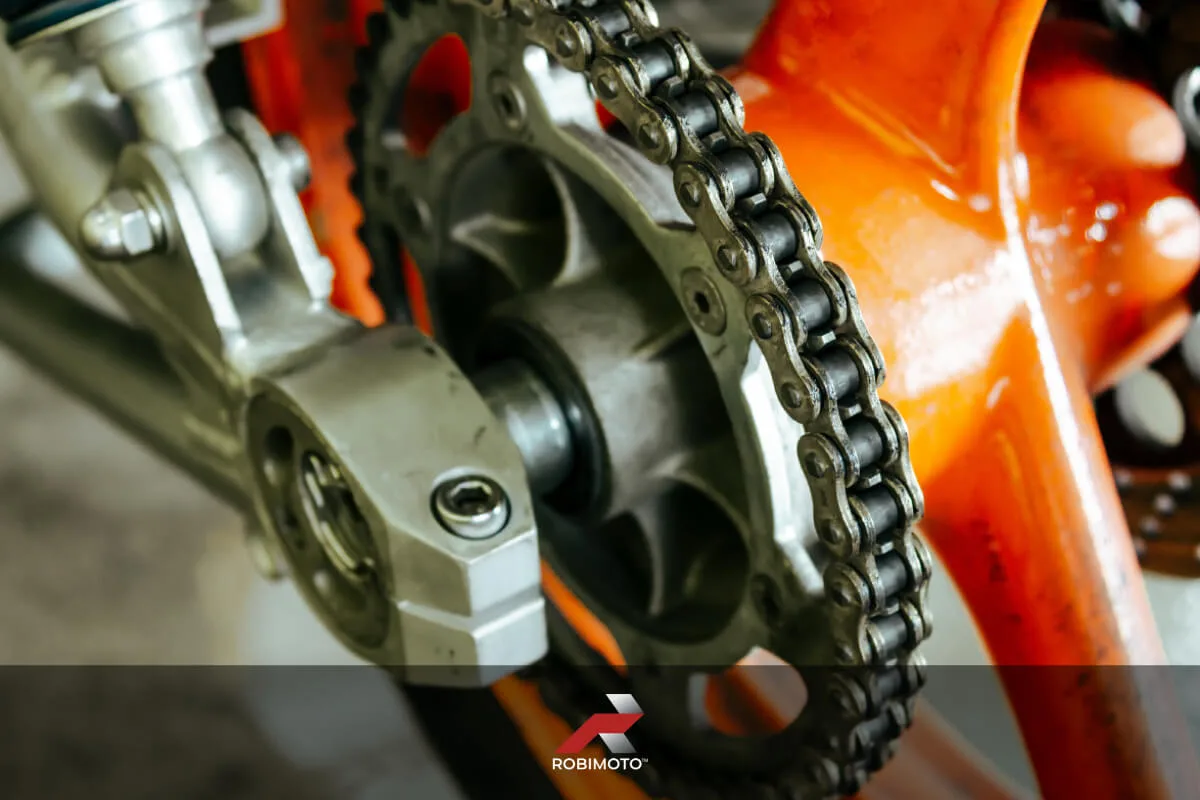
The Dominar 400 chain comparison is more than choosing between stock and D.I.D. It’s about how maintenance, priorities, and rider habits shape ownership. In this reflection, I share what I’ve learned from community discussions and industry insights. Stock chains work when cared for, while D.I.D. offers reliability at a cost. The real difference comes from the rider’s approach to upkeep, not just the brand stamped on the links.
Every time I scroll through Dominar groups, the same debate resurfaces: stock chain or D.I.D.? The Dominar 400 chain comparison is more than a technical question. It reflects how riders weigh costs, trust, and long-term maintenance habits.
The detailed Motorcycle Chain Guide for the Kawasaki Dominar 400 explains why D.I.D. has become a popular upgrade among riders who want smoother power delivery and fewer adjustments over time. From my perspective, the discussion reveals less about the chain itself and more about the rider behind it. Experience, riding conditions, and maintenance discipline often matter more than the brand stamped on the metal.
haven’t switched from the stock chain yet, but I’ve paid attention to how other riders share their experiences. Some swear the factory chain works fine with regular maintenance, especially for city commutes. Others argue it wears out too quickly when tested on longer provincial rides.
From what I’ve seen, both sides have valid points. Stock chains offer value upfront, but many riders eventually look for fewer adjustments and smoother power delivery. That’s when D.I.D. enters the conversation. It’s not just about performance. It’s about peace of mind during daily rides and long provincial trips.
Industry experts echo the same idea. The guide cycleworld explains that even high-quality chains will fail early without proper cleaning, lubrication, and adjustment. Consistent maintenance is what ultimately determines how long a chain lasts and how smoothly power transfers from the engine to the rear wheel.
Those lessons apply directly to motorcycles used for commuting, weekend rides, and longer journeys across the Philippines.
Riders who stay with stock often point to affordability and ease of replacement. For those using their Dominar mainly in city traffic, the chain does its job. But reports in forums show that slack and wear appear sooner, especially under heavy use.
On the other side, those who move to D.I.D. usually highlight stability and fewer adjustments during long rides. One rider described the difference as “less time tightening, more time riding.” Another said the upgrade wasn’t about looks but about removing doubt when riding highways like NLEX.
From these shared experiences, my takeaway is clear: the Dominar 400 chain comparison is less about declaring a winner and more about knowing your own priorities.
What stood out most in these discussions is how maintenance changes the story. In the Kawasaki Dominar 400 chain maintenance guide, the advice is simple: clean every 500–700 km, lubricate regularly, and check tension monthly. Riders who follow this routine often report that even the stock chain lasts far longer than expected.
It reinforced something I’ve seen myself: habits matter more than upgrades. A neglected D.I.D. chain won’t save you, but a well-maintained stock chain can surprise you with its lifespan.
Choosing What Works for You
In reflecting on the Dominar 400 chain comparison, I’ve realized it’s not a debate with one perfect answer. Stock chains meet the needs of practical commuters. D.I.D. upgrades appeal to riders who demand reliability on longer and heavier rides. The real deciding factor is how much effort you put into maintenance.
If you want to explore the topic further, our Kawasaki Dominar 400 chain debate breaks down why riders remain divided and what experiences from the community reveal about long-term ownership.
Your chain is more than a link between engine and wheel. It reflects your habits as a rider. The choice you make, and the care you give, ultimately defines the ride.