Skip to content
Contact & Community
📍 Metro Manila, Philippines
🌐 robimotoph.com
✉️ hello@robimotoph.com
📱 +63 917 517 0594
📍 Metro Manila, Philippines
🌐 robimotoph.com
✉️ hello@robimotoph.com
📱 +63 917 517 0594

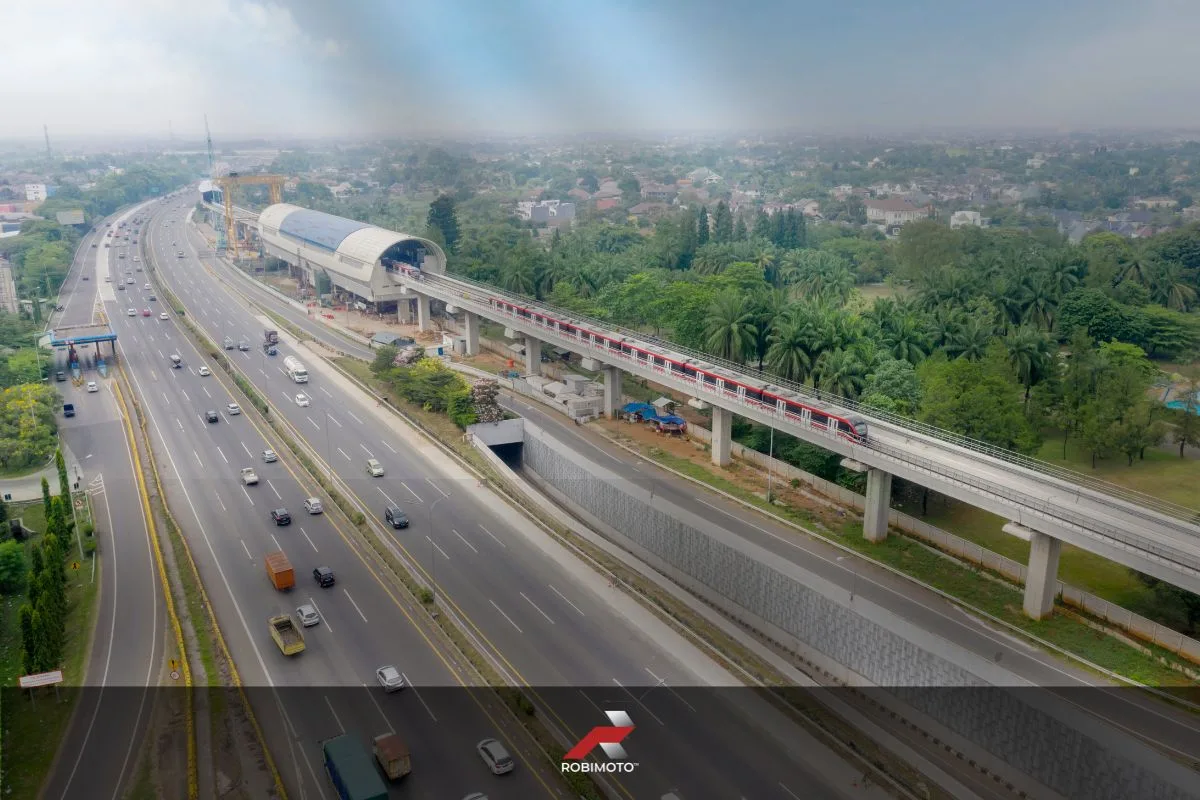
The 400cc expressway rule in the Philippines continues to spark debate among riders, commuters, and policymakers. Many believe the rule is outdated, as today’s 250–300cc motorcycles can safely maintain highway speeds and even outperform older big bikes in handling and braking. Advocates argue that allowing smaller displacement motorcycles on expressways would ease traffic congestion and make long-distance travel more accessible. On the other hand, critics point to safety concerns, vehicle stability, and enforcement challenges. As motorcycle technology advances, the question remains: should expressway access be based on displacement, or on a bike’s real-world performance and capability?
The 400cc expressway rule is one of the most talked-about topics in the Philippine motorcycle community. Under current law, only motorcycles 400cc and above are allowed on tollways. This leaves riders of smaller bikes, even those capable of maintaining highway speeds, stuck using service roads. Based on reports, attempts to revise this rule have surfaced multiple times, but no real progress has been made.
For daily commuters, weekend riders, and even motorcycle clubs, this restriction creates frustration. Imagine owning a modern 300cc motorcycle that can comfortably cruise at 80 km/h, yet still being barred from expressways. Riders feel this is unfair, while authorities insist the cutoff is necessary for safety. But is it time to rethink the 400cc rule?
Every Filipino rider has felt the impact of this law in some way. Personally, I’ve joined rides where friends with sub-400cc bikes were forced to take long detours, while those with bigger bikes enjoyed the convenience of the expressway. The separation not only affects travel time but also divides the community.
Supporters of the rule argue that smaller bikes are unsafe for high-speed highways. Yet, advancements in technology mean modern 250cc to 300cc motorcycles can easily keep up with traffic. For context, expressway limits are usually 60–100 km/h. Bikes like the Yamaha R3 or KTM Duke 390 (just shy of the threshold) can match these speeds effortlessly. Riders believe that it’s not displacement alone but stability, braking, and rider skill that should matter.
From an engagement standpoint, this issue reflects a deeper struggle: fairness versus safety. Should Filipino riders be limited by an outdated rule, or should policies evolve with technology?
Authorities emphasize safety as the main reason for the rule. Their stance is that smaller motorcycles lack the stability required for sustained expressway speeds. A gust of wind, sudden braking, or a collision with larger vehicles poses greater risks for lighter bikes.
There’s also the matter of enforcement. A clear displacement limit makes it easy for toll operators and law enforcement to implement the rule. No complex inspections or debates about whether a particular 300cc bike is “safe enough.” It’s a straightforward guideline: 400cc and above, allowed.
Some officials also highlight accident statistics. While data is limited, reports often link smaller-displacement motorcycles to higher accident rates on secondary roads. Bringing them to expressways, they argue, could increase risks, not reduce them.
On the other hand, Filipino riders are calling for fairness. They argue that modern sub-400cc motorcycles are designed for performance and safety. Bikes in the 250–300cc range already feature ABS brakes, wider tires, and advanced suspension systems. In fact, many of them are sold worldwide as entry-level highway machines.
Riders also point out that banning these bikes forces them onto congested, accident-prone service roads. Ironically, this may expose them to greater danger than riding on a controlled-access expressway. Commuters who rely on motorcycles for efficiency are particularly disadvantaged.
Other countries do not impose a strict 400cc cutoff. In places like Thailand and Malaysia, 250cc motorcycles can use highways legally. Filipino riders ask: why can’t the Philippines adapt similar standards? Even TopGear Philippines has highlighted how this debate resurfaces every few years, yet no actual changes move forward.
Regardless of engine size, rider safety always comes first. If the 400cc expressway rule is eventually revised, being properly equipped will be crucial. Here are three products I personally recommend for every serious rider:
The EVO GX-1 is a solid choice for riders looking for both safety and comfort. It carries DOT and ICC certification, giving peace of mind that it meets international and local safety standards. Built with an ABS composite shell and dual visor technology, it offers reliable head protection while adapting to different lighting conditions. The aerodynamic vents ensure proper airflow during long rides, and the Dura-flex washable foam set makes it easy to maintain. As a bonus, this helmet comes with a free clear lens, making it a practical and affordable option for riders preparing for longer highway trips.
If you ride often in humid conditions, the Komine JK-176 mesh parka is a lifesaver. Designed with a full mesh build, it allows airflow while providing CE level 1 soft protectors on the shoulders, elbows, and chest. The honeycomb EVA pad on the back adds extra protection without sacrificing comfort. A 3D pattern makes it easy to stay in a natural riding posture, while built-in reflectors improve visibility at night. The jacket also comes with an anti-counterfeiting 4D label, ensuring you’re getting a genuine Komine product. For riders balancing comfort, safety, and style, this jacket is a smart investment.
Foot protection is often overlooked, but the RICHA Adventure X-Over boots make it impossible to ignore. Made from high-quality leather with D3O® ankle reinforcement, these boots provide unmatched impact protection. The ForceFlex armour plating prevents torsion fractures under heavy stress, while reinforced toe and heel sections add durability. Built with an Aquashell waterproof membrane, these boots keep your feet dry and warm even in bad weather. The EVA-cushioned midsoles enhance comfort on long rides, while reflective highlights ensure better visibility at night. With a design that works year-round, these boots strike the perfect balance between safety and comfort.
Having reliable gear not only makes your ride safer but also more enjoyable, whether you’re on a 250cc commuter bike or a 650cc tourer. If you’re curious about how riders manage bike-specific issues, you can also check out our feature on Top 5 Yamaha NMAX Problems and How Filipino Riders Solve Them. That article shows how the community shares real-world solutions to keep their rides roadworthy.
So far, no revisions to the 400cc expressway rule have been enacted. Lawmakers and advocacy groups have raised proposals, but the issue continues to stall. Part of the challenge lies in balancing safety with accessibility. While technology has advanced, authorities remain cautious about making changes that could lead to liability issues.
Still, the growing number of riders and the rise of modern sub-400cc bikes mean the debate isn’t going away anytime soon. Online forums, motorcycle clubs, and even casual commuters keep raising the question: when will the law catch up with reality?
At the heart of this debate is one question: Should the 400cc expressway rule be revised for smaller bikes? On one side, safety concerns from officials remain valid. On the other, riders argue for fairness, modernization, and global alignment.
Personally, I believe both sides have merit. What’s important now is dialogue and data-driven decision-making. Whether you ride a 250cc, 300cc, or 650cc motorcycle, your perspective matters in shaping the future of Philippine expressway policy.
If you’re a rider looking to maximize safety while waiting for possible changes, check out the recommended gear above. These are products I personally use and recommend to keep every ride safe and enjoyable.
DISCLAIMER: RobiMotoPH is a Shopee Affiliate. Some of the links in this article are affiliate links, which means we may earn a small commission if you purchase through them; at no extra cost to you. This helps us keep creating helpful motorcycle content for the community. Ride safe, mga Ka-Robi!