Skip to content
Contact & Community
📍 Metro Manila, Philippines
🌐 robimotoph.com
✉️ hello@robimotoph.com
📱 +63 917 517 0594
📍 Metro Manila, Philippines
🌐 robimotoph.com
✉️ hello@robimotoph.com
📱 +63 917 517 0594

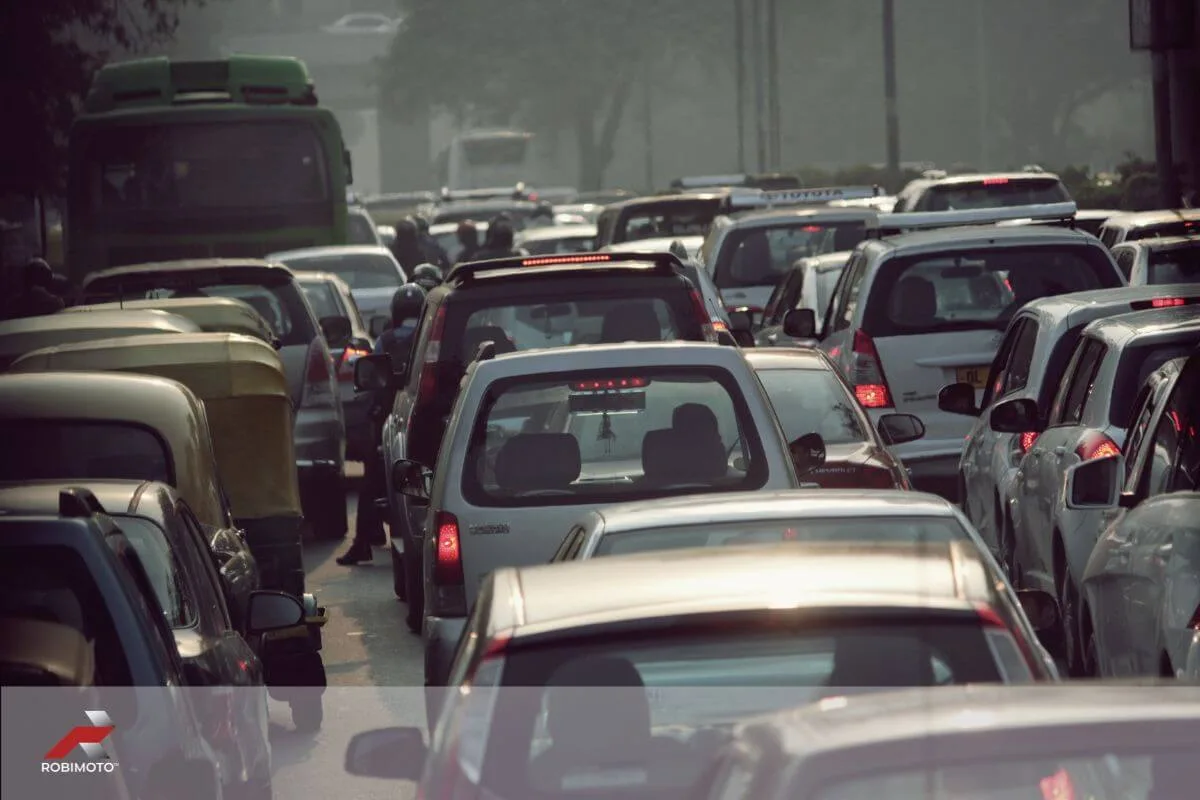
House Bill 1419 seeks to ban motorcycle lane splitting in the Philippines. Supporters argue it improves road safety, while critics warn it could worsen traffic. This article explores its impact on motorists, policymakers, and the future of transportation.
House Bill 1419 aims to halt motorcycle lane splitting in the Philippines, introducing stricter road discipline. Based on reports, the bill; called the “Anti-Lane Splitting Law” was refiled in 2022 by Rep. Ramon Guico Jr., updating a 2019 version to address growing safety concerns in congested cities.
Lane splitting, defined as a motorcycle passing or stopping between two vehicles in the same lane, would become illegal; with penalties ranging from ₱1,500 to ₱5,000 plus license revocation for repeat offenses. Riders would also be barred from stopping between cars except when overtaking. The bill emphasizes clearer traffic conduct and deterrents under House Bill 1419, aiming to protect motorists and riders alike.
House Bill 1419 is rooted in enhancing safety for both motorcycle riders and drivers. Lane splitting is blamed for side-swipe accidents and sudden mirror-bumping; creating hazards in heavy traffic. Based on reports, numerous incidents involving reckless filtering have been recorded. The legislation’s core intent is to “protect the motorist” by setting guidelines for acceptable motorcycle behavior.
As I previously noted in my Motorcycle Safety Commitment article, safety laws alone aren’t enough, discipline and awareness must follow. When riders stay properly in lanes, risky inter-vehicle movements decrease. Transitioning from unsafe filtering to disciplined riding, House Bill 1419 looks to reduce accidents and foster mutual road awareness among both motorists and motorcyclists.
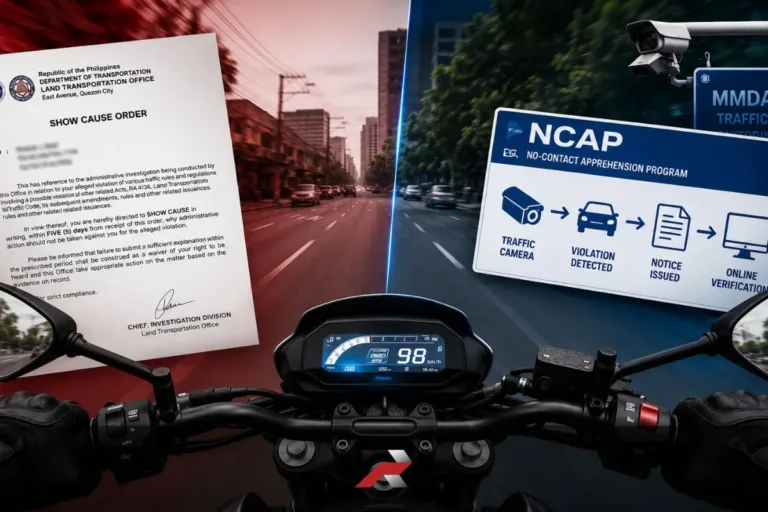
Despite existing prohibitions from the LTO (since 2008), lane splitting is rarely enforced. Authorities tolerate filtering in gridlock to ease congestion. The MMDA’s No-Contact Apprehension Policy currently doesn’t penalize lane splitting, understanding that forcing single-lane riding may amplify traffic woes.
In my NCAP explainer, I highlighted how enforcement gaps often create confusion for riders. House Bill 1419 will require education campaigns, updated signage, and possibly rider training to shift ingrained habits. Without such support, the law risks being ignored, overshadowed by daily urban traffic realities.
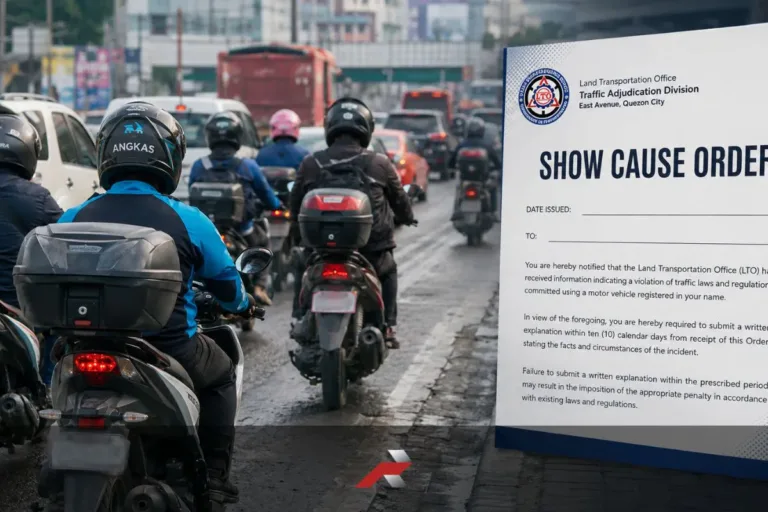
If enacted, House Bill 1419 will significantly alter commuting patterns for motorcycle users. Riders; especially delivery and commuter groups, could face longer travel times as filtering ceases. Reports indicate motorcycle advocates warn that forcing bikes into queues will worsen congestion.
Conversely, car drivers might welcome fewer sudden lane incursions, reducing mirror-related accidents. For a smoother transition, policymakers might explore dedicated motorcycle lanes or alternate routing. As I discussed in my guide to Motorcycle Chain Adjustment Tips, even small changes in habits or rules can have big safety payoffs. Policymakers must weigh these trade-offs carefully to avoid worsening gridlock.
The decision to ban lane splitting puts policymakers between ensuring safety and maintaining traffic efficiency. Based on reports, some experts suggest regulated lane filtering; e.g., only at low speeds or when vehicles are stationary, as a compromise. Supporting riders with dedicated lanes can preserve safety and mobility.
International studies, like those from Transport Research Laboratory UK, show how lane filtering can reduce congestion if managed properly. Closer to home, Congress is also considering bills requiring mandatory rider training to improve discipline. A mix of smart regulation, education, and infrastructure will be key to rolling out House Bill 1419 effectively.
Passing House Bill 1419 could redefine commuting norms, converting motorcycle behavior to mirror car lanes and accelerating demand for mass transit alternatives. This could inspire infrastructure shifts and multi-modal commuting choices.
Alternatively, persistent resistance or revisions might reinforce flexible traffic regulation that reflects ground realities. Policymakers, motorists, and the motoring sector are actively debating the law’s implications, with the outcome poised to influence future transport policy.
This bill has prompted critical discussion on how motorcycles mesh with Philippine traffic culture. Whether enacted, revised, or shelved, it raises awareness about road safety, discipline, and urban planning. Transitioning from informal lane filtering to formal regulation demands collaboration across sectors.
As debates continue, motorist safety and traffic efficiency remain central. This ongoing discourse offers an opportunity to evolve transportation policy, for the better. The journey toward safer and smarter roads continues, and much of it hinges on House Bill 1419.
It’s a proposed Philippine law banning motorcycle lane splitting, with fines from ₱1,500 to ₱5,000 and possible license revocation for repeat violators.
To reduce traffic accidents and unpredictable rider behavior, especially side-swipes and mirror collisions.
Yes, under LTO rules since 2008, but seldom enforced. MMDA’s current app-based enforcement does not penalize filtering in traffic.
Potential traffic slowdown, longer rider commute times, and backlash from motorcyclists accustomed to filtering.
Allow regulated low-speed filtering, create motorcycle-only lanes, and implement mandatory rider education and safety training.