Skip to content
Contact & Community
📍 Metro Manila, Philippines
🌐 robimotoph.com
✉️ hello@robimotoph.com
📱 +63 917 517 0594
📍 Metro Manila, Philippines
🌐 robimotoph.com
✉️ hello@robimotoph.com
📱 +63 917 517 0594

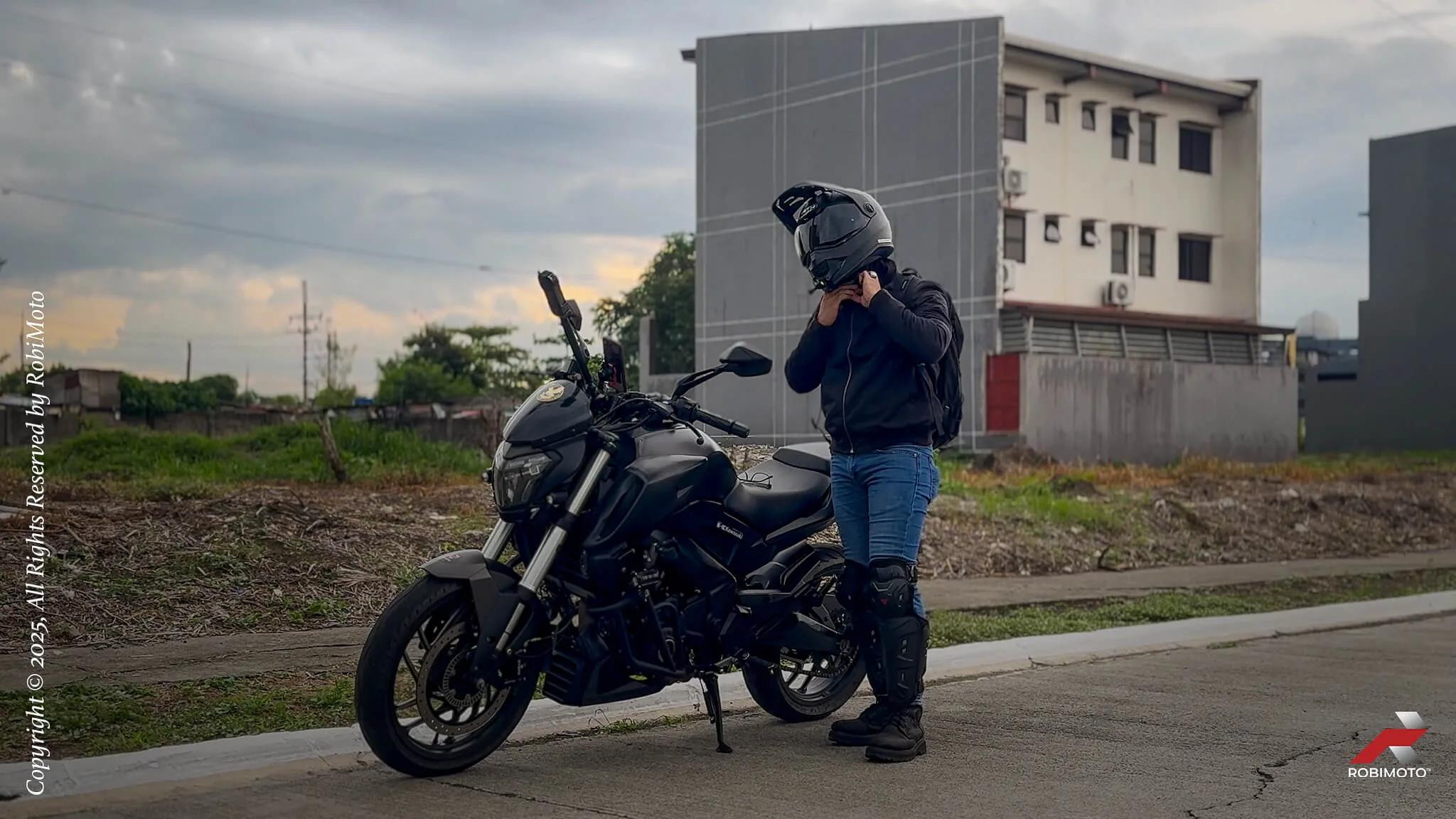
Motorcycle safety is not just a topic—it’s a promise I make to myself and to everyone on the road. From the moment I put on my helmet until I park, I treat each ride as a shared responsibility. Ensuring our safety goes beyond personal discipline; it reflects how we care for our community. With rising road incidents in the Philippines and specific laws like the Children’s Safety on Motorcycle Act, there has never been a more critical time to discuss responsible riding. Let’s explore why motorcycle safety matters, what laws guide us, and how we can ride smarter together.
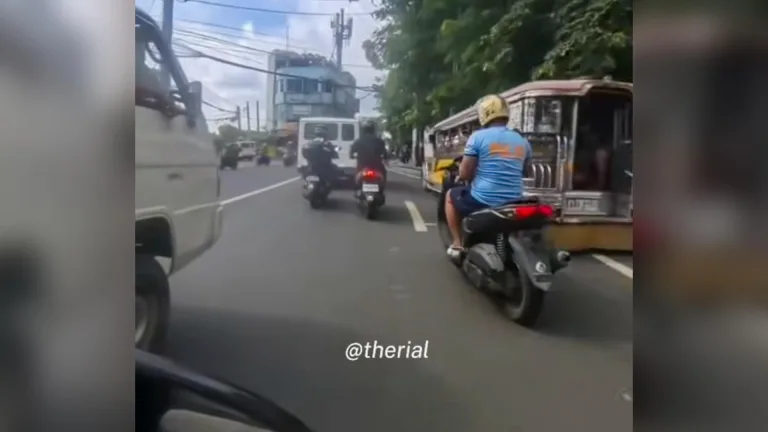
Recognizing risks is the first step toward better motorcycle safety. In 2021, road crashes in the Philippines led to over 11,000 fatalities—motorcyclists make up a significant number of these . I remember riding down narrow roads, spotting potholes, unpredictable buses, and distracted drivers. It’s easy to feel invincible on two wheels, but that mindset invites danger. Being constantly alert—anticipating hazards, maintaining safe speed, and respecting all road users—is the foundation of smart riding. And as I reflect on local road challenges (see my thoughts on road conditions in the Philippines), awareness becomes essential.
When it comes to our kids, motorcycle safety must be uncompromising. The Children’s Safety on Motorcycle Act (Republic Act No. 10666) became effective in May 2017, and it prohibits carrying children under 18 on two‑wheelers in heavy or high‑speed traffic unless they meet specific conditions. Those conditions include reaching the foot pegs, holding the rider’s waist, and wearing a proper helmet. Penalties escalate from ₱3,000 for first offenses up to ₱10,000 and license suspension for repeated violations. As a parent (or guardian), I know how easy it is to want to bring kids along—but we must sacrifice convenience for their safety.
Even with laws like helmet mandates (RA 10054) and no child‑riding rules, enforcement remains uneven. Accidents involving motorcycles increased by 17.3% from 2022 to 2023 in Metro Manila alone. We need active participation—self‑enforcement. Families can lead by example: always wearing helmets, refusing to carry kids unless conditions are met, and following traffic regulations. When we adhere to rules even where police aren’t around, we uphold a higher standard of motorcycle safety.
One key way to enhance motorcycle safety is through quality gear. Notably, helmets reduce head‑injury risk by 69% and death by 42%. Beyond helmets, protective clothing, gloves, and boots prevent road‑rash and brace falls. A top‐notch motorcycle top box isn’t just handy for storage—it helps maintain balance and safely secures our belongings. Riding without proper gear invites preventable harm. I recall a friend whose helmet cracked in a minor slide—that dented helmet likely saved a skull fracture. It was a stark reminder to invest in safety.
Proper Registration of Motor Vehicle isn’t just bureaucratic—it means legal compliance, roadworthiness, and insurance coverage. RA 4136 mandates vehicle registration and valid driver’s license. I make it a point to renew my registration early and verify tire tread, brakes, and lights. Regular registration also shows respect for other riders: we share the same roads, and that means riding responsibly.
Speed rules vary: city streets are capped at 20–30 km/h, highways around 40–80 km/h, and expressways up to 100 km/h. But these are just maxima—actual speed must suit conditions. I stick to slower speeds at night and avoid lane splitting in dense traffic—it’s officially prohibited under AO 2008‑015. Even in motorcycle lanes (like along Commonwealth Avenue), I respect signage and adapt to fellow vehicles. Awareness trumps speed.
Championing motorcycle safety involves community—and there’s power in collective responsibility. Workshops, social media, and group rides provide teaching platforms. We also engage by reporting hazards—say, potholes or rogue drivers. Encourage local riders to sign pledges to follow helmet laws and RA 10666. The more we speak up, the stronger our influence on culture and policy.
Misuse of license plates—whether covering or tampering with LTO plates—is not only illegal, but also hinders accountability. It undermines trust in motorcycle safety initiatives when violators cannot be identified. It’s vital to oppose such behavior: if we can’t see plates, we can’t enforce rules, and everyone’s safety suffers. Stand with cameras and LMOs—they serve public welfare.
Here’s a checklist I commit to every ride—maybe it’ll help you too:
Consistency transforms these habits into a lifestyle of motorcycle safety.
Ultimately, motorcycle safety isn’t just ours—it’s part of broader road safety. With motorcycles making up half of vehicle registrations in the Philippines, and with vulnerable road users being underprotected, we hold an outsized impact. When we ride safely, we reduce economic loss—accidents cost the country 2.6% of GDP. We also shape mindset: our example encourages pedestrians, drivers, and new riders to adopt safer behaviors too.
Every time I ride, I reaffirm my commitment to motorcycle safety—for my sake, my loved ones, and my community. It’s not about fear; it’s about respect—for the machine, the road, and fellow humans. Lives depend on the choices we make behind the handlebars. By following laws like the Children’s Safety on Motorcycle Act, wearing protective gear, caring for our machines, and fostering community awareness, we honor every ride and every rider.
Let’s keep this conversation going. Share your stories, tips, or concerns in the comments—how can we all ride smarter, together?
References:
Children’s Safety on Motorcycles Act (RA 10666)
Senate of the Philippines, 2015
https://legacy.senate.gov.ph/republic_acts/ra%2010666.pdf
MMDA logs 17.3% increase in motorcycle-related crashes in 2023
Inquirer News, May 2024
https://newsinfo.inquirer.net/1927991/mmda-logs-17-3-increase-in-motorcycle-related-crashes-in-2023
Philippines Road Safety Profile 2025
Asian Transport Observatory, 2025
https://asiantransportobservatory.org/analytical-outputs/roadsafetyprofiles/philippines-road-safety-profile-2025
Motorcycle Helmet
Wikipedia, 2025
https://en.wikipedia.org/wiki/Motorcycle_helmet